




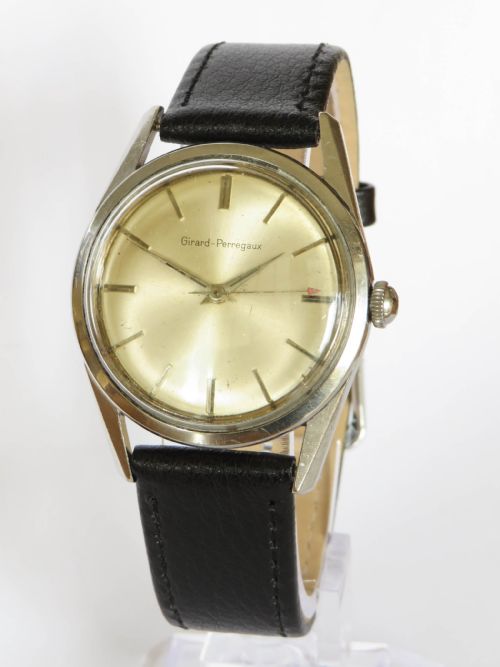
Analog Dress Watch
An analog dress watch offers precise mechanical timekeeping wrapped in the clean, understated design codes of the mid-twentieth century.
Analog Dress Watch
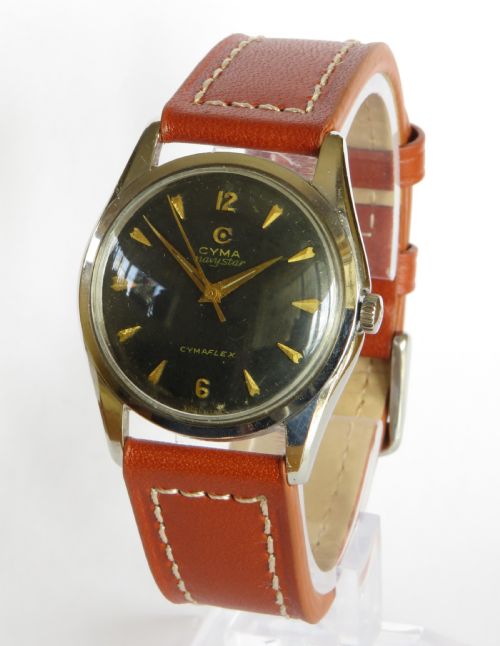
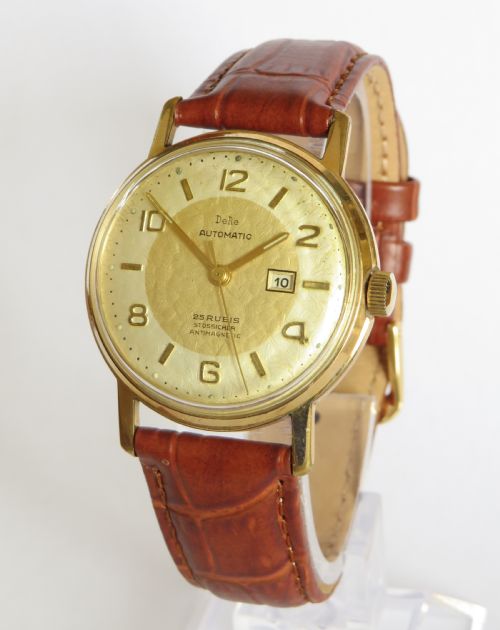
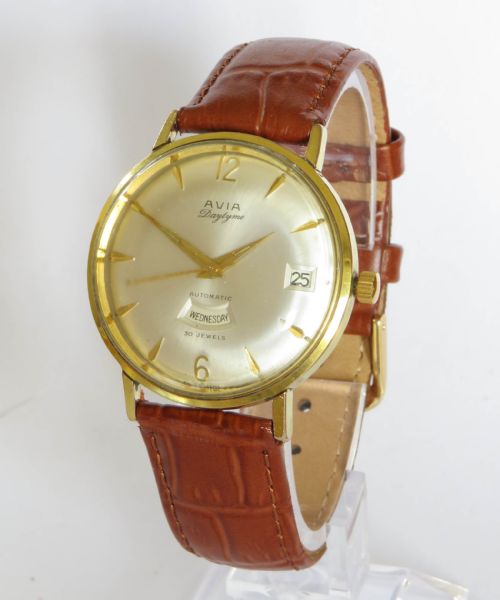
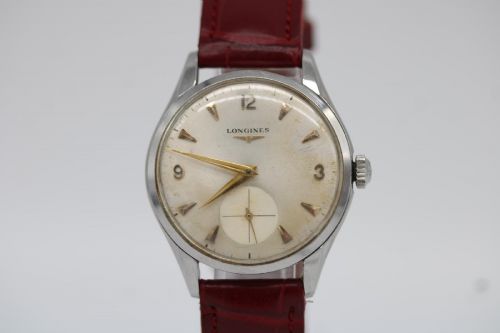
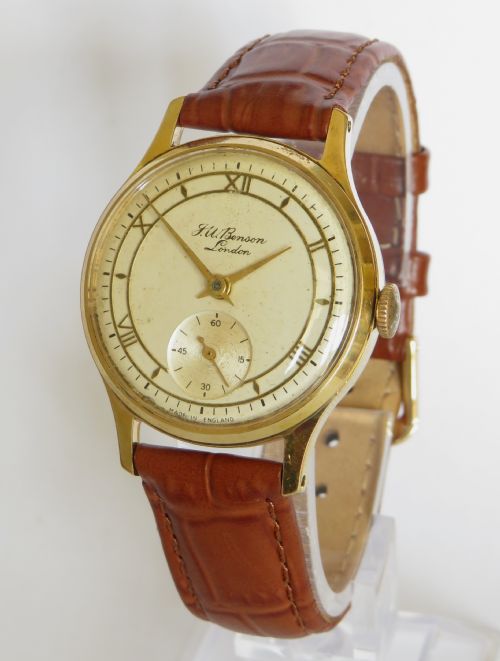
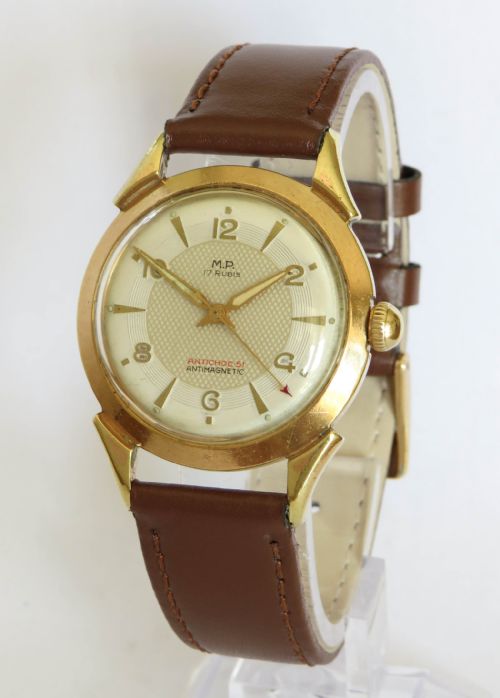
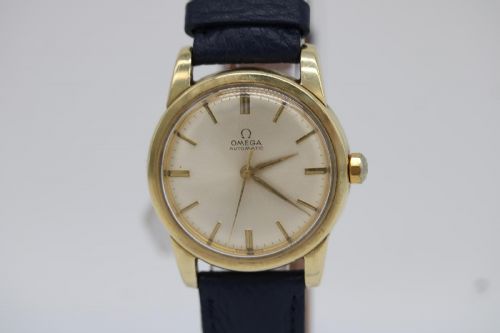
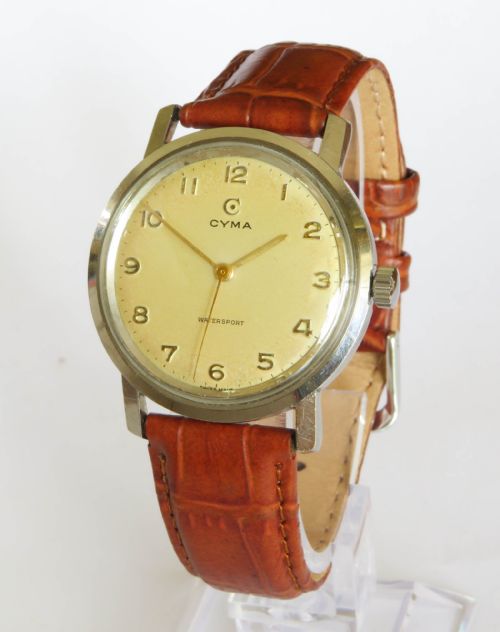
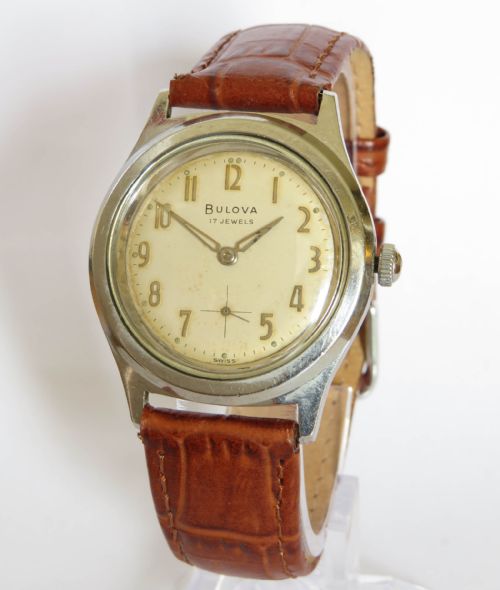
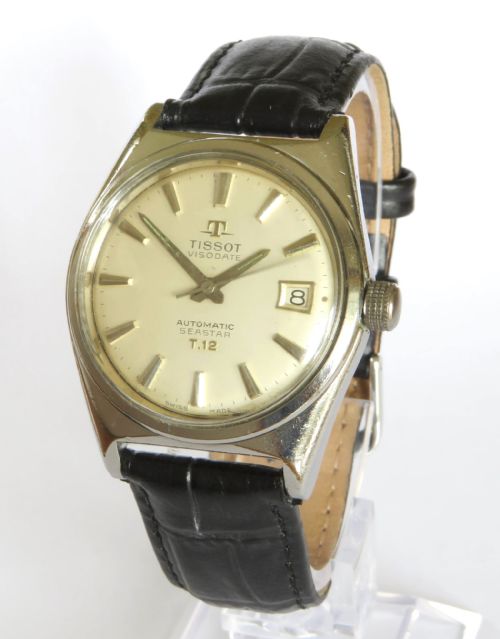
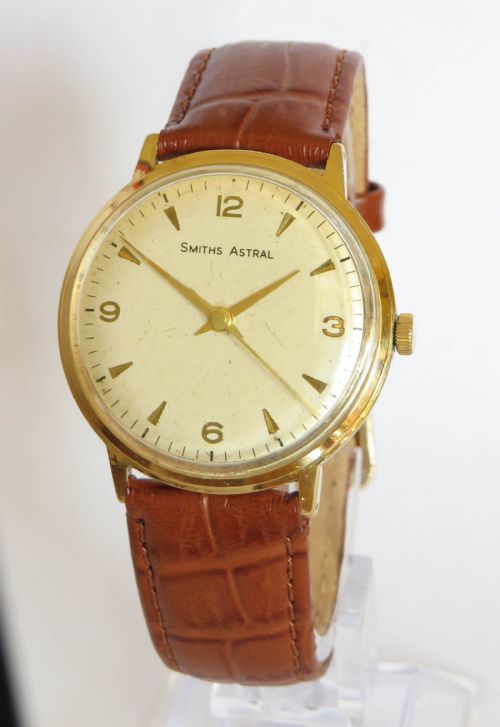
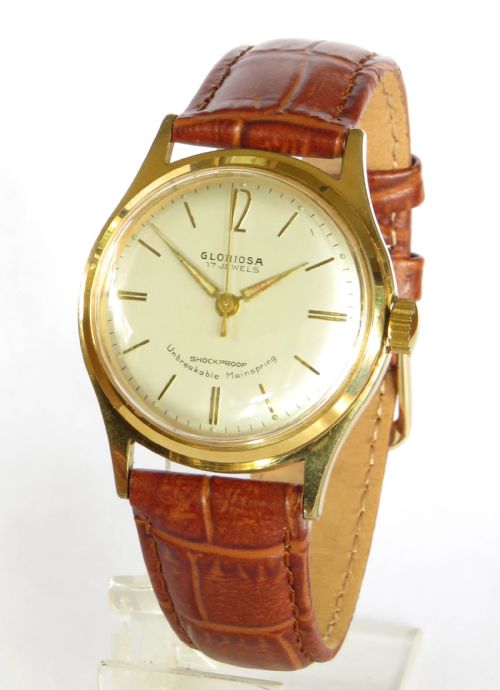
When you search for an analog dress watch, you are looking at gentlemen's wristwatches predominantly originating from the 1950s and 1960s, alongside occasional earlier Art Deco examples from the 1940s. These timepieces were built primarily for formal or daily wear, prioritising slim profiles and legible dials over heavy complications.
The most common versions encountered on this page are Swiss-made manual wind or automatic wristwatches housed in steel, chrome-plated steel, or gold-plated cases. You will regularly find distinct forms such as centre seconds, date displays, and minimalist markers rather than complex chronographs.
How They Were Made
Cases are constructed from metals such as stainless steel, chrome-plated steel, and gold plate, paired with leather straps designed to sit flush against the wrist. Dials are protected by clear covers made of glass or acrylic glass.
Internal movements rely on mechanical engineering, utilising manual wind mechanisms or automatic weights to power the gears, often featuring jewelled bearings for reduced friction.
Analog Dress Watch Retail Price Guide 2026
Typical asking prices for analog dress watch among the pieces listed under this phrase on Sellingantiques today, from the lower quarter to the upper quarter. They describe what is for sale here now, not the wider market.
The listings span the 19th Century, 1940, 1950, and 1960 periods, showcasing styles from Art Deco to Mid-Century Modern.
What Varies in Quality
The grade of an analog dress watch rests upon the fidelity of its movement and the preservation of its exterior surfaces. Examples featuring fully restored automatic mechanisms or original signed dials command greater attention from collectors than those with heavily worn plating or replaced components.
Casing materials and manufacturing origins also dictate standard, with Swiss houses utilising more refined finishing techniques and superior internal calibres compared to standard commercial outputs of the period.
Omega·Cyma·Smiths·Longines·Tissot·Avia·Bulova·Eterna·Prisma·Girard Perregaux·Marvin·Felca·Technos
The Analog Dress Watch Glossary
- Manual wind
- A mechanical watch that requires the wearer to manually turn the crown to tension the mainspring. This traditional method allows for a slimmer case profile than automatic alternatives.
- Automatic
- A self-winding mechanical movement that uses an internal oscillating weight to power the mainspring through natural wrist motion. It removes the need for daily manual winding.
- Calibre
- The specific internal movement model designation created by a watch manufacturer. Collectors use this term to identify the exact mechanical lineage of the piece.
- Gold plate
- A base metal substrate covered with a thin outer layer of gold. It provides the appearance of solid gold at a different production tier.
- Acrylic glass
- A lightweight, shatter-resistant polymer used for watch crystals instead of mineral glass. It can be easily polished to remove minor surface scratches.
Analog Dress Watch: Frequently Asked Questions
How do I wind a manual watch?
Gently rotate the crown clockwise between your thumb and forefinger until you feel firm resistance. Stop turning immediately once you meet this tension to avoid damaging the internal mainspring.
Perform this action at roughly the same time each day to maintain consistent timekeeping performance. Avoid over-winding older mechanical components.
Can I wear these watches daily?
These pieces suit daily office wear or formal occasions where heavy impact is unlikely. Their traditional leather straps and slim cases are designed for refined daily use.
Keep them away from sustained moisture and magnetic fields, as vintage movements lack modern protective seals and shock-proofing.
What is an automatic movement?
An automatic movement contains a weighted rotor that spins as your arm moves throughout the day. This motion continually winds the mainspring without manual effort.
It combines the traditional appeal of a mechanical watch with the convenience of self-winding daily operation.
How do I date a vintage watch?
Examine the stylistic cues of the dial, case shape, and font typography alongside the movement serial numbers where available. Mid-century pieces often display distinct geometric markers and hands.
Compare these design elements against known production periods like the 1950s or 1960s to narrow down the manufacturing era.