

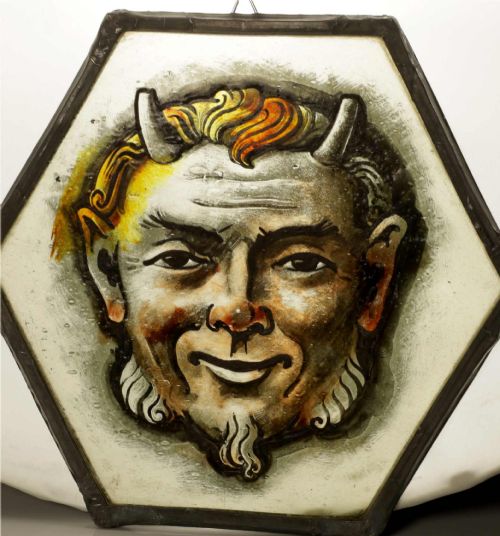


Amber Glass Window
An amber glass window brings deep, warm afternoon light into a room, framed in lead and built to last through the centuries.
Amber Glass Window
When you search for an amber glass window, you find architectural salvage dating from the Victorian and Edwardian periods, stretching back to the nineteenth century. These pieces take the form of stained glass panels and windows, often incorporating lead cames to hold the glass together in geometric or pictorial designs. You are most likely to meet rectangular panels featuring hand-painted scenes, floral motifs, or amber bullseyes set within clear or coloured glass.
The inventory on this page spans several distinct decorative movements, including Art Nouveau, Art Deco, and Arts and Crafts styles. Makers of the era constructed these windows for both domestic homes and commercial premises, such as tobacco and confectionery shops. Architectural salvage of this type serves equally well mounted on a wall to catch the light or re-installed into a structural opening.
Subjects range from simple bird and branch compositions to more elaborate countryside and lake scenes with boats. Pieces from nineteen-ten frequently pair leaded glass construction with tactile amber bullseyes, whilst nineteenth-century examples often highlight literary emblems like Shakespeare alongside traditional stained glass techniques.
What varies in quality
The artistry of the hand-painted details separates the standard panels from exceptional works, particularly in figurative scenes involving birds, flora, or human subjects. Superior examples display careful shading, fine brushwork, and confident lines that hold their visual impact when backlit by daylight. Lesser pieces rely on repetitive motifs with simpler, less expressive application of paint.
Structural integrity and the complexity of the leaded design define the physical calibre of a panel. Windows that retain their original timber frames and sound lead work without excessive bowing demonstrate better preservation. The inclusion of specialist elements such as amber bullseyes and reverse cut glass adds considerable depth and textural variety to the composition.
Amber Glass Window Retail Price Guide 2026
Typical asking prices for amber glass window among the pieces listed under this phrase on Sellingantiques today, from the lower quarter to the upper quarter. They describe what is for sale here now, not the wider market.
Listings feature items from the Edwardian and Victorian eras, utilising materials such as lead, timber, pine, and stained glass.
The Amber Glass Window Glossary
- Came
- A grooved strip of lead, zinc, or brass used to hold together pieces of stained or cut glass in a window.
- Bullseye
- A thick, circular piece of glass featuring a central node, formed from the centre of a blown glass disc.
- Architectural salvage
- Building components and decorative elements rescued from older structures for reuse or display.
- Stained glass
- Glass coloured by the addition of metallic salts during its manufacture, or subsequently painted and fired.
- Reverse cut glass
- Glass decorated by carving or cutting into the rear surface to create a frosted or dimensional design.
Amber Glass Window: Frequently Asked Questions
How do I install an antique amber glass window?
These panels can be fitted directly into interior or exterior structural openings by a glazier using traditional putty and wooden glazing beads. Alternatively, many owners hang them inside an existing window frame using security chain and brackets to preserve the original timber surround.
Ensure the weight of the lead and glass is properly supported across the base rather than suspended entirely from the top corners. For large salvage panels, building a custom internal wooden sub-frame protects the historic leadwork from wind pressure and flexing.
Are these windows suitable for exterior use?
Many of these pieces originally functioned as exterior shop windows or house glazing, but historic lead and glass require protection from modern weather extremes. Placing a salvaged panel behind a secondary pane of toughened glass shields the fragile nineteenth-century lead cames from wind damage.
Internal placement remains the safest way to display painted and leaded glass without risking degradation from frost and moisture. If installed outside, the leadwork should be inspected periodically for structural fatigue and re-cemented by a specialist when necessary.
How do I date a stained glass window?
Dating relies on a combination of stylistic clues, such as the sinuous lines of Art Nouveau or the geometric restraint of Arts and Crafts design. The type of timber in the frame, such as nineteenth-century softwood or pine, alongside the subject matter of the hand-painted scene, helps narrow the decade of production.
Nineteen-ten examples often feature specific combinations of amber bullseyes and avian motifs, whereas Victorian pieces frequently lean toward literary or heraldic themes. Comparing the patination of the lead and the manufacturing marks on the glass provides further confirmation of age.
How do I clean and maintain leaded glass?
Dust the glass gently with a soft dry cloth and avoid using harsh chemical cleaners or abrasive pads that might damage hand-painted surfaces. Moisture can loosen old window putty, so use a damp cloth rather than running water when wiping the panels.
Check the lead cames regularly for signs of sagging or white oxidation, addressing minor movement before it compromises the stability of the glass. Professional conservation cleaning is recommended for heavily soiled or fragile painted panels to prevent loss of historic pigment.