


Amber Glass Desk Light
An amber glass desk light brings warm, glowing illumination and distinctive period character to a workspace.
Amber Glass Desk Light
When you search for an amber glass desk light, you are looking at functional table lamps and task lighting defined by warm translucent tones. These pieces span the nineteenth century through the Art Deco and Mid-Century Modern movements, incorporating distinctive stylistic shifts.
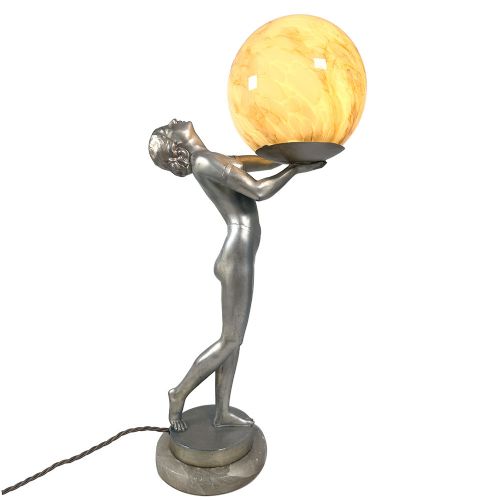
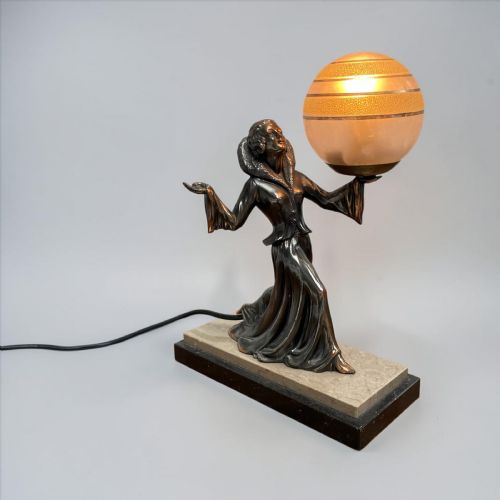
The most common examples encountered on this page date from the 1930s and lean heavily into Art Deco or modernist aesthetics. They combine coloured glass elements with metals like bronze, brass, patinated metal, or wrought iron to anchor the design securely on a desk.
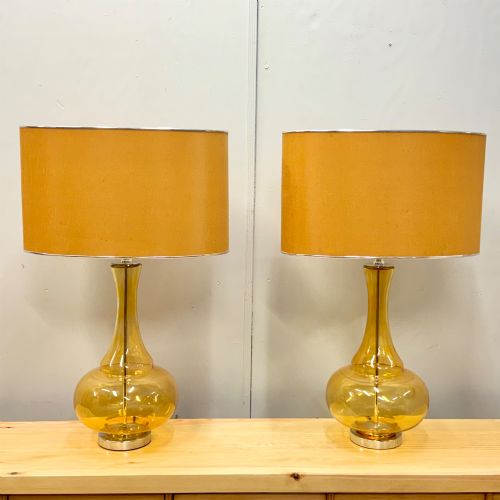
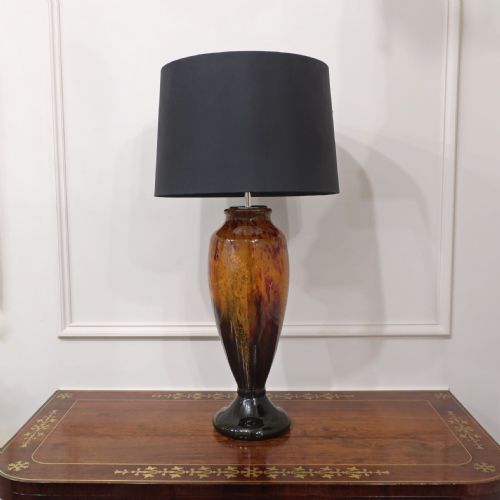
Many of these lamps integrate paired shades or figural bases, such as the lady lamp forms recorded in the listings. Others utilise mottled glass or specialised techniques reminiscent of notable makers like Charles Schneider or Daum.
Materials and construction
Construction relies heavily on the pairing of moulded or enameled glass with substantial metal bases. Glass elements appear in clear amber, frosted finishes, and mottled patterns that diffuse light evenly across a surface.
Supporting structures utilise cast bronze, patinated brass, wrought iron, and early synthetic materials such as catalin phenolic bakelite. Some sophisticated examples also incorporate auxiliary materials like silk shades to soften the overall illumination.
Current listings feature pieces spanning the nineteenth century through the 1930s, incorporating glass, bronze, brass, and catalin phenolic bakelite.
Assessing quality and execution
Quality separates ordinary utility pieces from exceptional decorative objects through the depth and complexity of the glasswork. Pieces featuring hand-applied enamel landscapes or sophisticated mottled coloration demonstrate superior artistic ambition.
The choice of base material and hardware also dictates overall merit, moving from standard cast metals to heavy patinated brass, bronze, or intricate wrought iron frames. Heavier, more substantial mountings provide better stability and structural integrity for daily desk use.
The Amber Glass Desk Light Glossary
- Amber glass
- Glass coloured by the addition of sulphur and carbon or iron oxides during melting. This warm tone creates a rich, honeyed illumination when lit from within.
- Art Deco
- A design style characterised by sleek geometric shapes, stylised figures, and modern industrial materials popular during the 1920s and 1930s.
- Patinated metal
- Metal surfaces altered by age, chemical treatment, or handling to produce a lustrous weathered finish. This protective and decorative layer enhances the visual depth of the base.
- Catalin
- A cast phenolic formaldehyde resin developed in the 1920s and widely used for brightly coloured decorative objects and lamp bases during the Art Deco period.
Amber Glass Desk Light: Frequently Asked Questions
What is an amber glass desk light?
An amber glass desk light is a functional table lamp featuring warm-toned glass elements designed to provide focused illumination for a workspace. These pieces draw on decorative movements ranging from the nineteenth century to the mid-twentieth century.
They combine utilitarian purpose with strong artistic design, frequently utilising metals like brass and bronze alongside coloured glass shades.
How do I date an amber glass desk light?
Dating relies on identifying the characteristic design vocabulary, materials, and manufacturing techniques associated with specific periods. Art Deco pieces from the 1930s often feature geometric lines or synthetic plastics like bakelite, while earlier examples incorporate heavy bronze or enameled glass.
Examining the wiring, construction joints, and base metals provides further clues to a lamp's precise age and origin.
Where were these lamps used historically?
These desk lights were primarily designed for domestic studies, executive offices, and libraries to provide localized task lighting. Their warm amber glow created a comfortable working atmosphere while reducing harsh glare from bare bulbs.
Beyond private studies, they served as stylish decorative accents on side tables and mantelpieces in fashionable homes.