


Amber Glass Chandelier
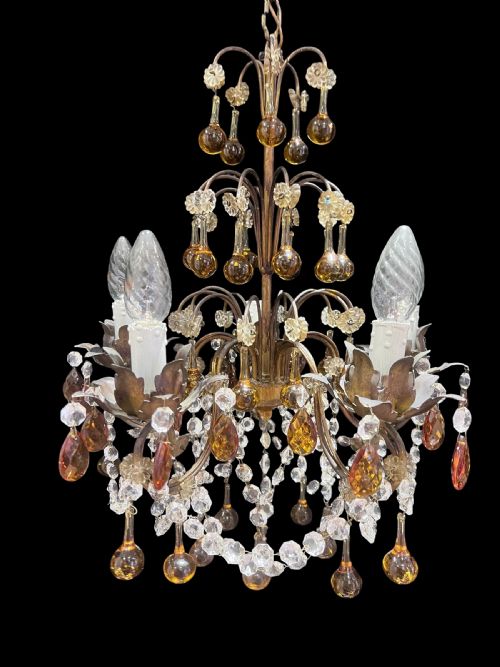
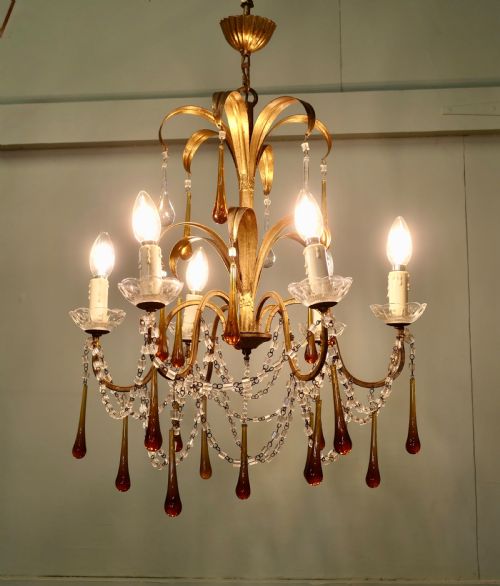
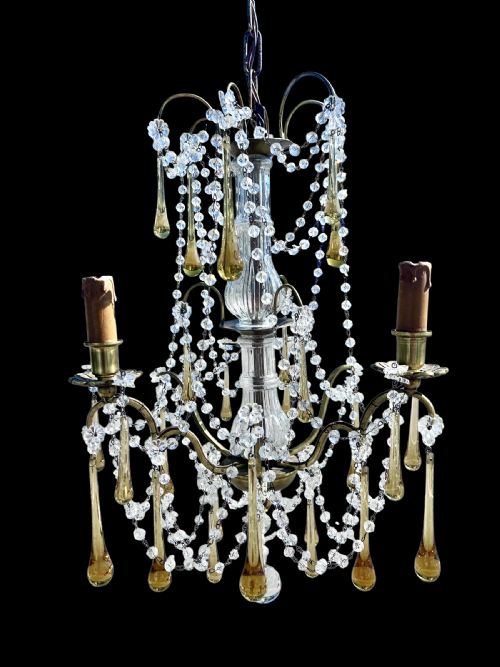
An amber glass chandelier brings a warm, amber glow to a room through coloured crystals, beads, drops, and fruits hung from period metal frames.
Amber Glass Chandelier
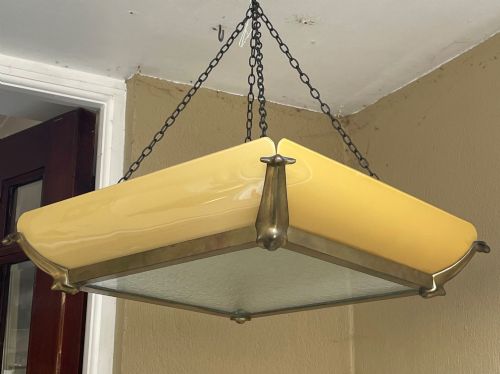
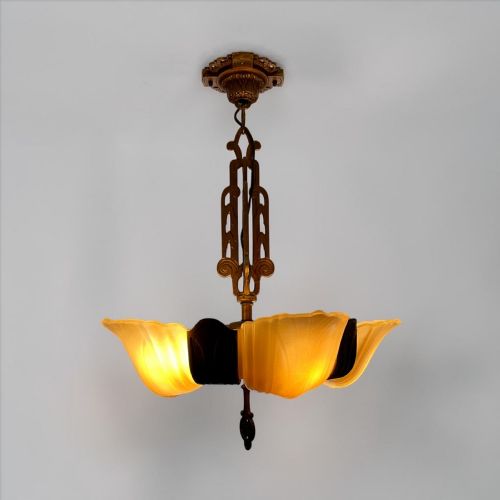
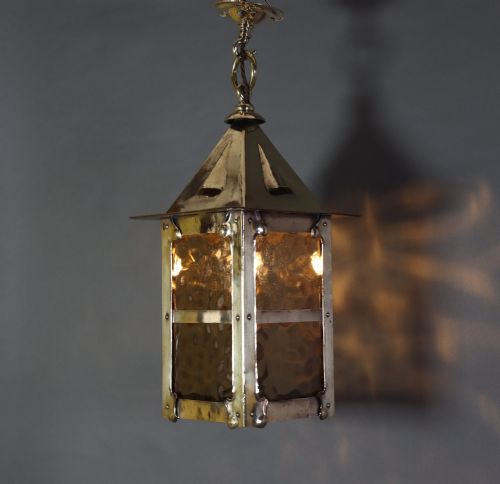
When you search for an amber glass chandelier, you encounter an array of ceiling fixtures spanning from the late Victorian period through Edwardian times and into the Art Deco and Arts & Crafts eras. These lighting pieces encompass multi-arm chandeliers, pendant lights, ceiling lights, lanterns, and lampshades designed to illuminate rooms with rich, coloured illumination.
The pieces you are most likely to meet on this page originate from France, Italy, and England, reflecting styles such as French provincial, French chateau, Italian traditional, Art Nouveau, and Art Deco. They utilise frames of brass, gilt metal, cast metal, and standard metal to suspend glass components ranging from cut glass and frosted glass to coloured crystals.
Forms vary from basket chandeliers and monumental hotel fittings to intimate hall and bedroom lights, demonstrating the versatility of amber glass in historic interior lighting. Many examples incorporate specific decorative elements like amber and mauve fruits, glass bunches of grapes, orange drips, and amber crystal teardrops.
Materials and construction
Makers constructed the structural frames of these chandeliers using cast metal, brass, and gilt metal, often shaping them into multi-arm configurations, lanterns, or basket frames. These metal skeletons support the weight of the glass components while providing decorative metalwork appropriate to styles like Art Deco and Art Nouveau.
Glass elements were produced using techniques such as cutting, moulding, and frosting to create crystals, beads, slip shades, and decorative fruit shapes including grapes. Artisans then wired or linked these glass drops, teardrops, and lampshades to the metal frames using brass pins and fixings.
Amber Glass Chandelier Retail Price Guide 2026
Typical asking prices for amber glass chandelier among the pieces listed under this phrase on Sellingantiques today, from the lower quarter to the upper quarter. They describe what is for sale here now, not the wider market.
Some French chandeliers feature glass bunches of grapes and amber crystal fruits dangling temptingly from the metal frames.
Distinctions in quality
Quality in these chandeliers is determined by the complexity of the metalwork, the depth and clarity of the glass, and the artistic cohesion of the design. Master pieces feature finely cast or gilt metal frames paired with hand-cut or specially moulded amber glass elements that catch the light evenly.
The distinction between standard domestic lighting and superior examples lies in the richness of the decorative program, such as complex arrangements of coloured crystals, glass bunches of grapes, or specialised slip shades. Maker attribution, such as work by Verrerie Des Vosges, further elevates an example above unrecorded production.
Verrerie Des Vosge
The Amber Glass Chandelier Glossary
- Slip shade
- A moulded glass shade designed to fit snugly into a metal frame or bowl mount, commonly found in Art Deco lighting. These shades diffuse the bulb's intensity while displaying geometric or floral moulded patterns.
- Tolewear
- Painted sheet metal used for decorative light fixtures and decorative objects. French gilt tolewear frames provide a specific gilded metallic surface finish often paired with crystal drops.
- Basket chandelier
- A lighting form where glass drops are strung in a concave, basket-like profile beneath the primary frame. This traditional shape concentrates the visual weight towards the lower centre of the fixture.
- Cut glass
- Glass decorated by grinding and polishing facets onto the surface to enhance light refraction. Cut glass components increase the sparkle and brilliance of period chandeliers when illuminated.
Amber Glass Chandelier: Frequently Asked Questions
What periods do these chandeliers come from?
The available lighting fixtures span from the late Victorian period and 1890s through the Edwardian era, 1900, 1910, 1920, and 1930. Art Deco, Arts & Crafts, and Art Nouveau styles dominate the chronological spread.
French and Italian workshops created the majority of these designs, incorporating regional variations in metalwork and glass colouring.
How were amber glass chandeliers used historically?
These fixtures served as primary illumination sources in grand rooms, hallways, bedrooms, and dining spaces. Multi-arm configurations and monumental architectural pieces lit larger reception rooms.
Smaller pendant lights, lanterns, and lampshades functioned in domestic bedrooms and transitional hallways where softer, coloured light was desired.
How do I identify Art Deco examples?
Art Deco pieces from the 1920 and 1930 periods feature geometric lines, streamlined metal frames, and slip shades. Architectural fittings from buildings like the Adelphi demonstrate the scale of this style.
Suite configurations of light fittings also point towards the coordinated interior design schemes popular during the interwar decades.
What materials are combined with the amber glass?
Frames are primarily constructed from brass, gilt metal, cast metal, and standard metal. These metals support additional decorative elements including clear crystal, frosted glass, and cut glass components.
Coloured accents in mauve, orange, and clear glass frequently accompany the amber glass drops, grapes, and teardrops.