





African Tribal Artefact
These african tribal artefact pieces combine ritual purpose and master craftsmanship, offering profound historical connection for any collector.
African Tribal Artefact
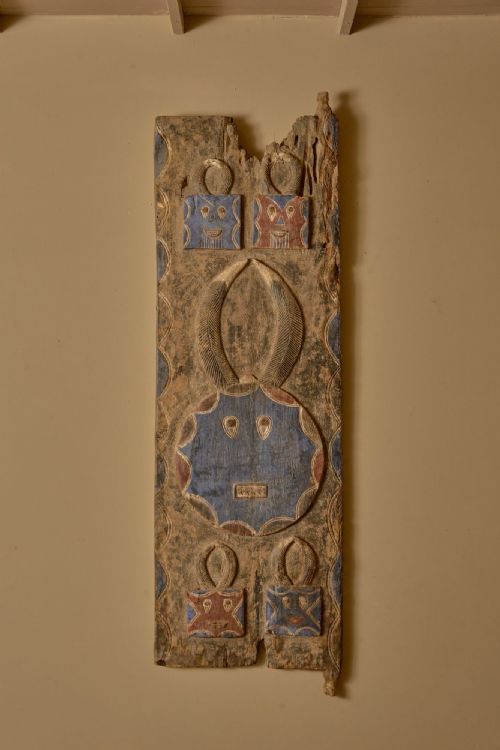
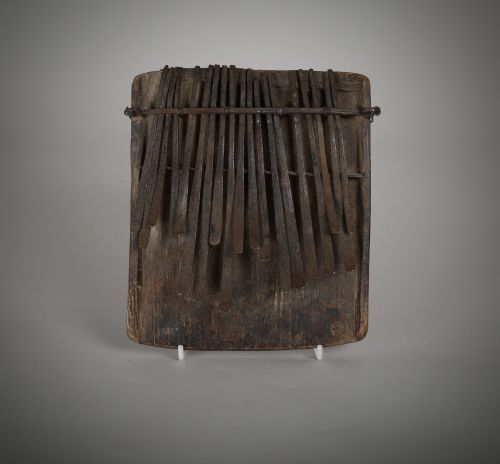
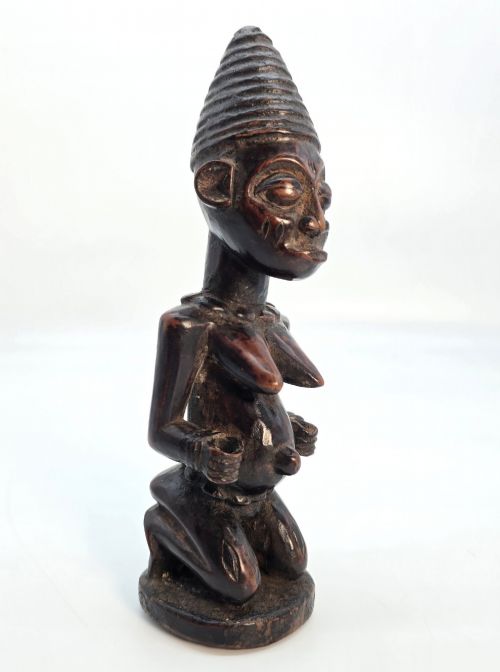
An african tribal artefact encompasses a diverse range of objects from musical instruments and carved fertility figures to ceremonial axes and masks. Pieces on this page span the nineteenth century through the early twentieth century, reflecting the rich traditions of regions such as the Congo, the Ivory Coast, Gabon, and Benin.
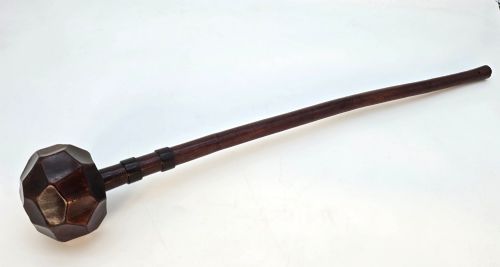
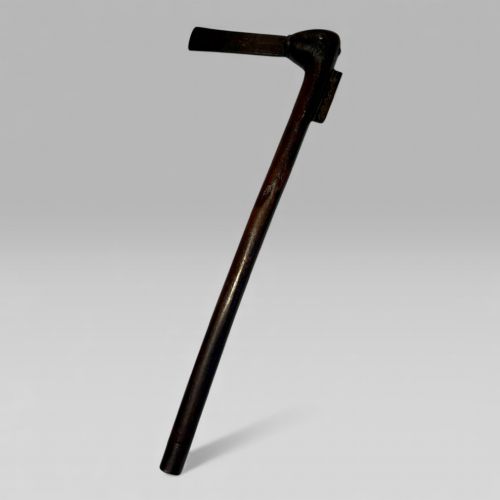
Forms vary significantly, from functional items like knobkerrie throwing clubs and wrist knife bracelets to decorative sculptures, dance masks, and royal containers. Buyers will encounter both utilitarian objects modified for cultural significance and purely symbolic creations tied to specific regional practices.
The provenance reaches across various distinct groups, including the Zulu, Yoruba, Kuba, Baule, and Turkana peoples. Each item carries the distinct aesthetic and functional heritage of its makers, shaped by the materials available in their local environment.
How they were made
Wood and hardwood form the primary foundation for many masks, figures, and smaller tables, shaped through traditional carving techniques. Artisans utilised iron, bronze, and brass for durable implements, staffs, and ceremonial pots, often employing casting methods passed down through generations.
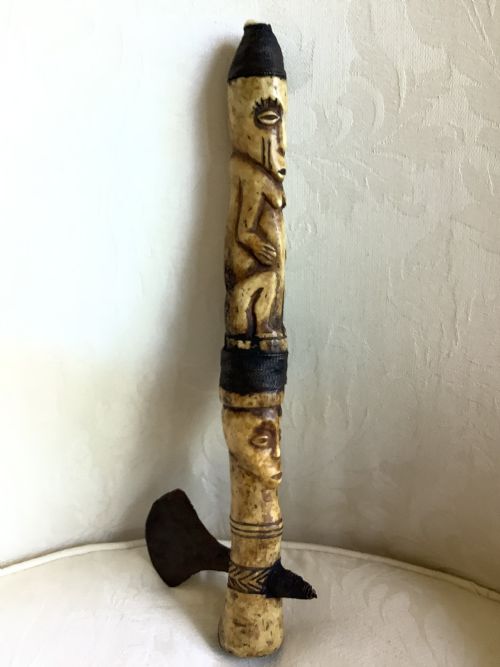
Organic additions such as bone, fibre, and pigment enhance both the utility and appearance of these objects. Surface treatments and natural wear reveal the handling and application each piece experienced during its active service.
African Tribal Artefact Retail Price Guide 2026
Typical asking prices for african tribal artefact among the pieces listed under this phrase on Sellingantiques today, from the lower quarter to the upper quarter. They describe what is for sale here now, not the wider market.
Listings feature works from the nineteenth century through the 1930s, using wood, bronze, brass, bone, fibre, and pigment across multiple regional styles.
What varies in quality
The skill of the carving and the precision of the metal casting set individual examples apart from standard work. Surface depth, the preservation of original pigment, and the integrity of organic components like bone or fibre influence the overall presence of an object.
Objects bearing clear regional style markers, such as specific tribal iconography or functional wear indicative of authentic use, command greater interest. The balance between sculptural form and functional design demonstrates the proficiency of the original maker.
The African Tribal Artefact Glossary
- Knobkerrie
- A traditional African wooden throwing club featuring a heavy knob at one end. These implements served both as weapons and symbols of status.
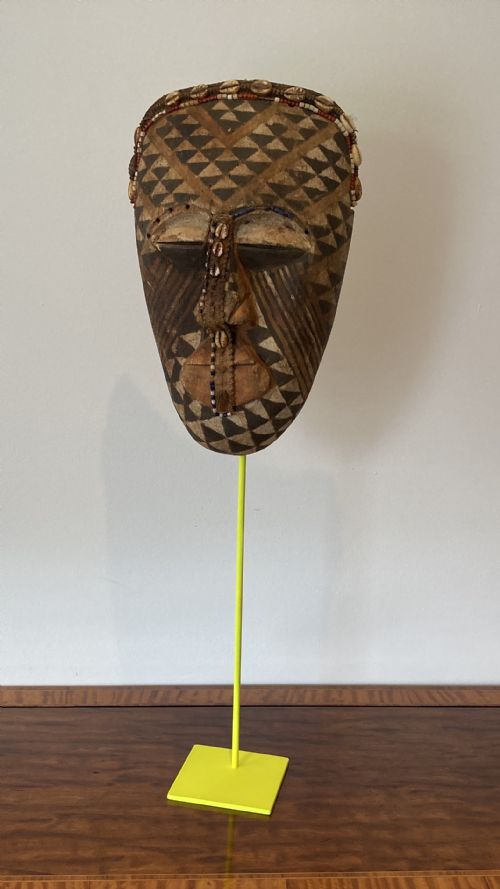
- Dance mask
- A ceremonial face covering worn during cultural rituals, initiations, or harvest celebrations. These objects often incorporate wood, pigment, and fibre.
- Récade
- A ceremonial axe associated with West African royalty, specifically from Dahomey. Such items functioned as symbols of messenger authority and royal power.
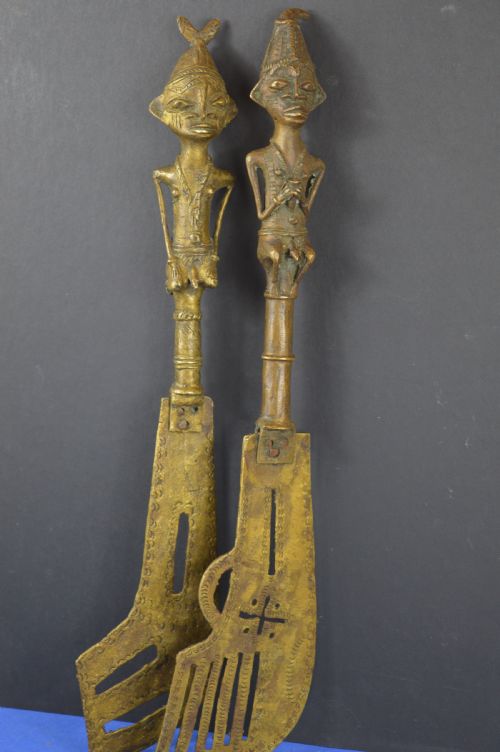
- Yoruba staff
- A metal or wooden implement created by the Yoruba people for ritual or status purposes. These often display intricate figurative bronze castings.
African Tribal Artefact: Frequently Asked Questions
How do I identify a genuine tribal mask?
Examine the interior for signs of wear and mounting consistency that match traditional use patterns. Carving depth and tool marks also provide clues to the age and origin.
Material analysis helps confirm whether the wood, pigment, and fibre align with historical periods. Comparing specific regional motifs ensures the piece conforms to known tribal traditions.
What materials were commonly used in these pieces?
Wood and hardwood dominate the sculptural objects, masks, and musical instruments. Metal elements frequently appear in bronze staffs, brass ornaments, and iron weapons.
Additional components like bone, fibre, and natural pigments complete the construction of many functional and ceremonial items. Each material reflects the local resources available to the makers.
How should I display ceremonial axes and weapons?
Mount these items securely using non-invasive display stands that support their weight without causing stress to the wood or metal. Keep them away from direct sunlight and dramatic humidity shifts to preserve organic materials.
Stable indoor environments prevent the wood and fibre from drying out or cracking over time. Proper spacing allows each object to be viewed clearly as a work of art.