

Adjustable Wooden Shelving
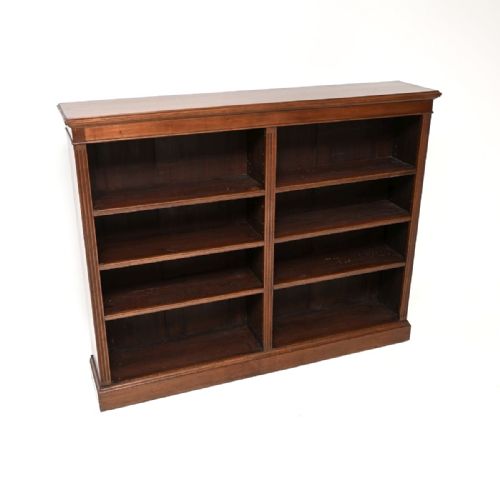
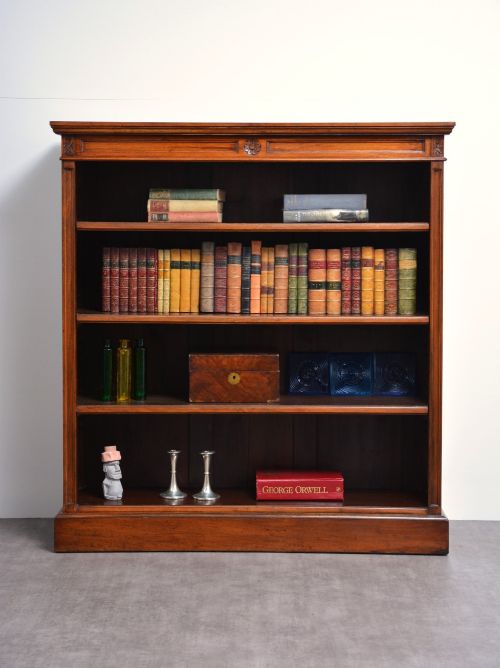
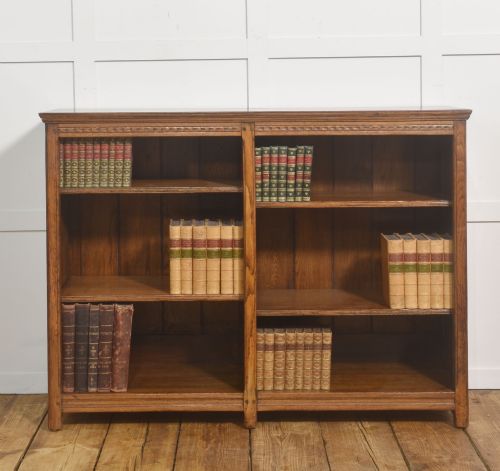
Adjustable wooden shelving brings versatile display and storage to any room through timeless open bookcases and cabinets.
Adjustable Wooden Shelving
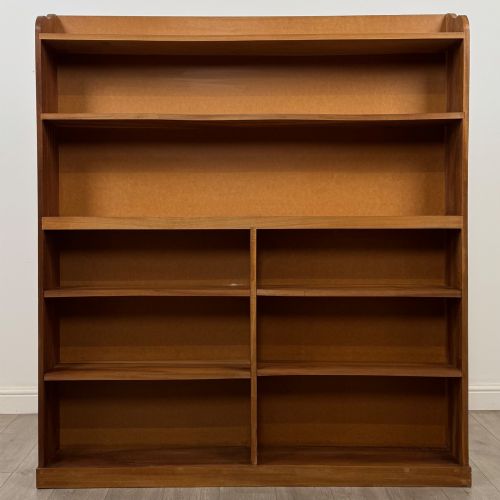
When searching for adjustable wooden shelving, buyers encounter an array of open bookcases, library bookcases, and display cabinets designed to accommodate varying book heights and collections. These pieces primarily span the Victorian and Edwardian eras, reaching from the mid-nineteenth century into the early twentieth century.
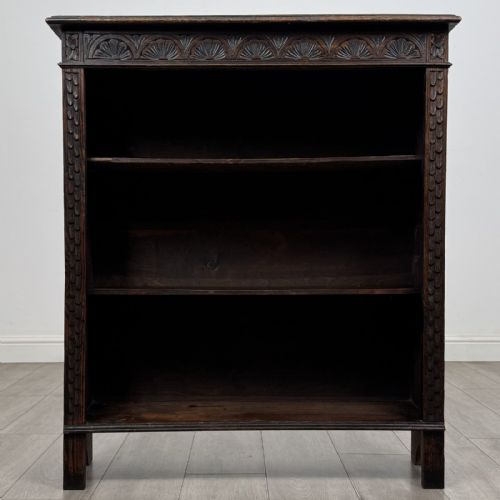
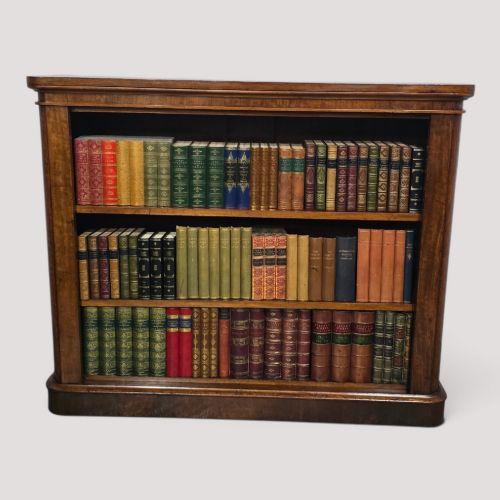
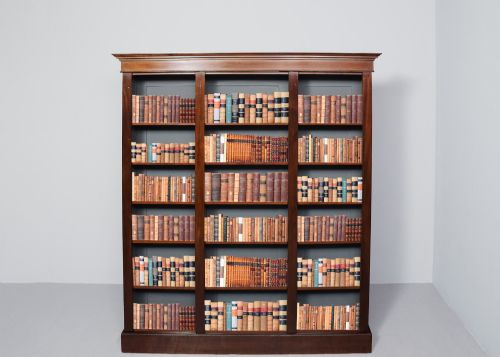
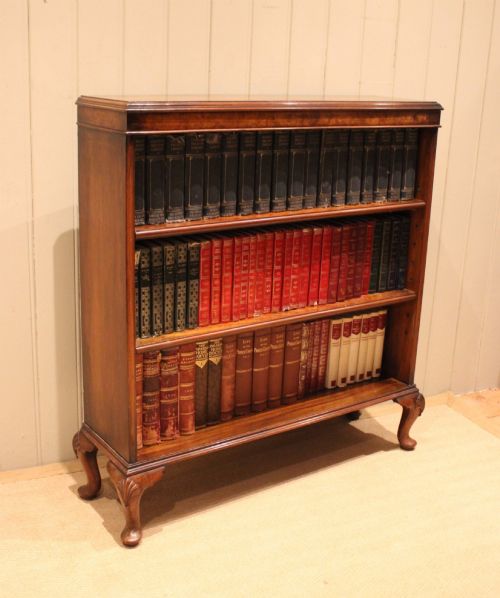
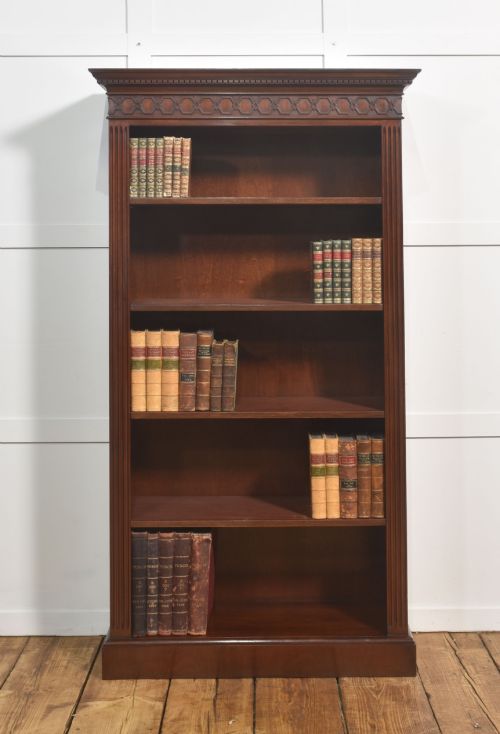
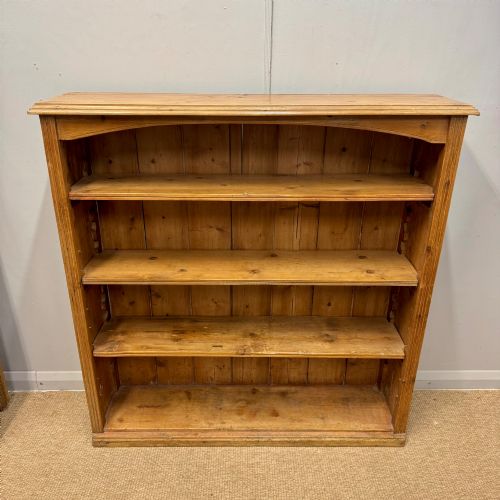
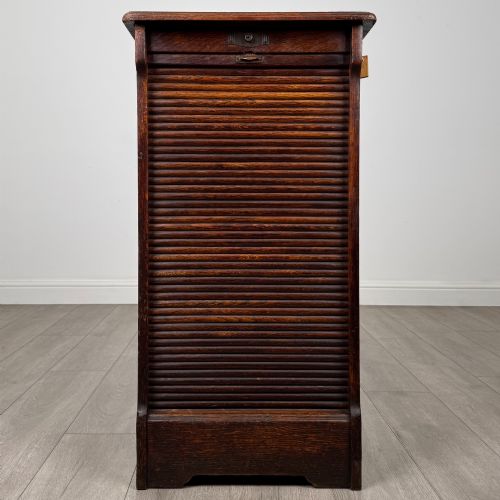
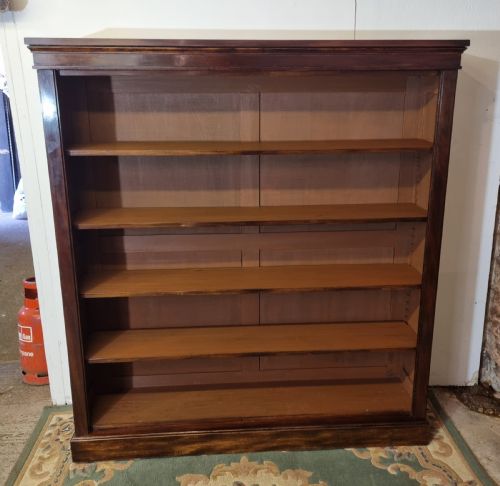
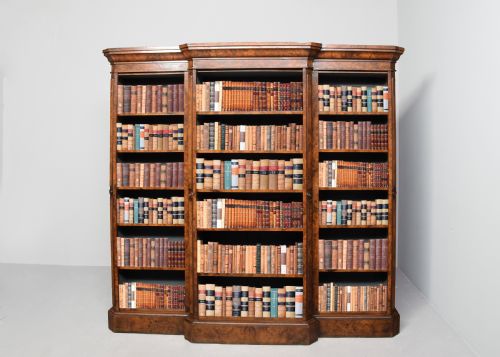
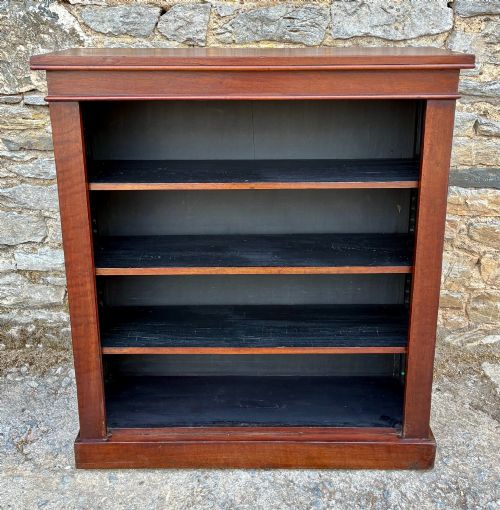
The most common form on this page is the open mahogany or oak bookcase, often featuring breakfront or three-section designs that offer substantial storage. Alongside these tall and low library pieces, shoppers find walnut and pine variants, plus specialised items like tambour cabinets and shop display units fitted with glass.
Origins stretch across British periods from the 1850s through to 1930, including specific styles like Sheraton-style inlay and Queen Anne Revival. Buyers select these items for practical home libraries or studies where flexible shelf heights remain essential for organising varied volumes.
Materials and construction
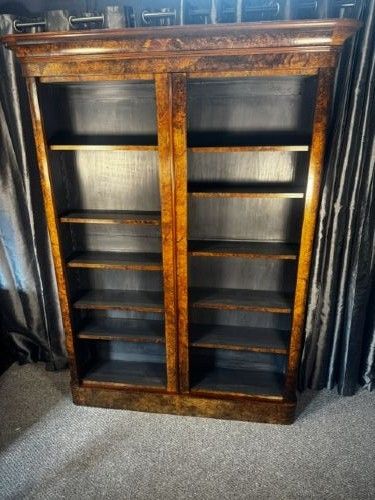
Makers relied heavily on hardwoods such as mahogany, oak, and walnut, alongside softer timbers like pine and general softwood for carcass construction and shelving. Burr walnut frequently provided figured surfaces on breakfront panels, while brass hardware supported internal mechanisms.
Carved detailing, Sheraton-style inlay, and waxed finishes defined the exterior appearance of these wooden bookcases and cabinets. Glass panes appeared in specialised display units, pairing with adjustable wooden or glass shelves to hold books and objects securely.
Some nineteenth-century bookcases feature clever wooden ratchet strips inside, letting owners click shelves up and down like deckchairs.
Indicators of quality
The distinction between standard examples and the finest library bookcases lies in timber selection and joinery execution. Pieces utilising burr walnut veneers or solid mahogany with careful carving represent the upper tier of construction.
Proportion and scale also dictate quality, particularly in larger three-section breakfront forms and inlaid multi-section pieces. Refined detailing around cornices and plinths separates utilitarian workshop output from top-tier cabinet work.
The Adjustable Wooden Shelving Glossary
- Breakfront
- A cabinet or bookcase whose central section projects forward from the flanking outer sections. This configuration creates architectural depth and grandeur in large library pieces.
- Tambour
- A flexible sliding shutter formed from narrow vertical strips of wood glued to a canvas backing. It conceals interior shelving in specialised cabinets.
- Inlay
- The technique of embedding contrasting pieces of wood into a solid surface to form decorative patterns. Sheraton-style examples frequently employ this ornamentation.
- Pine
- A common softwood used for utilitarian or rustic country furniture. Waxed pine shelving offers a lighter aesthetic compared to dark hardwoods.
- Open bookcase
- A bookcase lacking doors, providing direct access to the shelves. These dominate the nineteenth-century listings.
Adjustable Wooden Shelving: Frequently Asked Questions
How do I adjust the shelves?
These period bookcases typically use traditional wooden ratchets, brass pegs, or vertical slots cut into the interior sides. Shelves lift out easily and relocate to the desired height.
Ensure the shelf rests evenly on all four supports before loading books onto it.
Are these pieces suitable for heavy books?
Solid mahogany, oak, and walnut library bookcases were built to hold substantial collections of heavy volumes. The thick wooden shelves resist bowing under standard loads.
Distribute heavier folios toward the lower sections of tall bookcases for optimal stability.
How do I date an antique bookcase?
Dating relies on timber choices, stylistic markers such as Sheraton-style inlay, and construction methods recorded across the Victorian and Edwardian periods. Mid-nineteenth-century pieces often display dense mahogany and rich burr walnut.
Later Edwardian and 1930s examples generally feature simpler lines or lighter oak and pine.
Can I use a display cabinet for books?
Cabinets fitted with glass doors or glass shelves function well for protecting delicate volumes from dust and light exposure. Many Edwardian shop display units and breakfront cabinets adapt readily to domestic library use.
Check the weight capacity of glass shelves before storing heavy hardbacks inside.