



Adjustable Height Stand
An adjustable height stand brings mechanical utility to interior display, letting you raise or lower lamps, reading surfaces and display tables to suit the room.
Adjustable Height Stand
An adjustable height stand encompasses a diverse group of nineteenth and twentieth-century furnishings, ranging from telescopic floor lamps to reading tables and display stands. When you search for an adjustable height stand, you encounter pieces designed for practical function, such as standard lamps, music stands, and architectural tables.
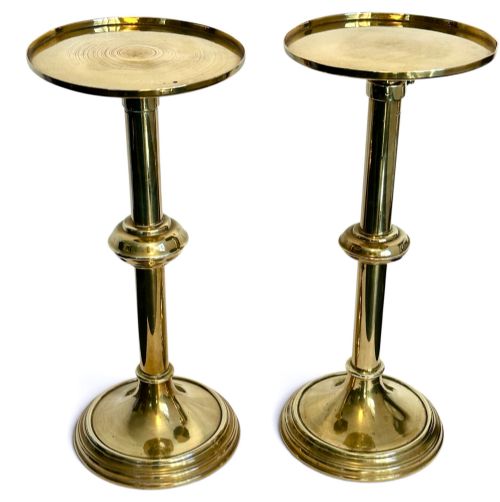
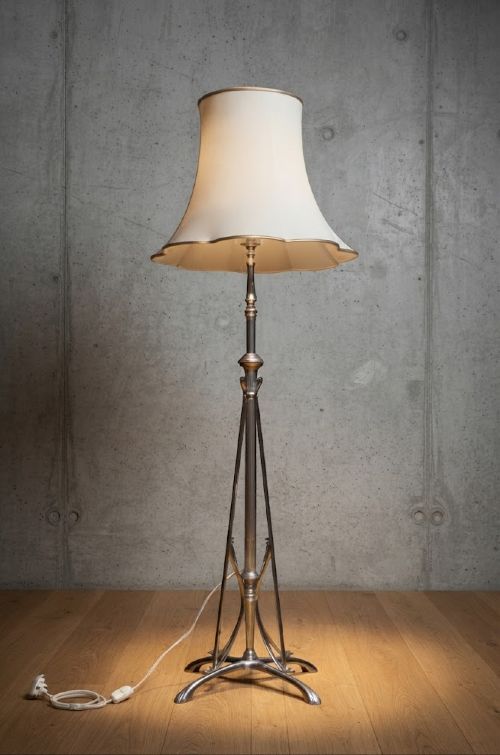
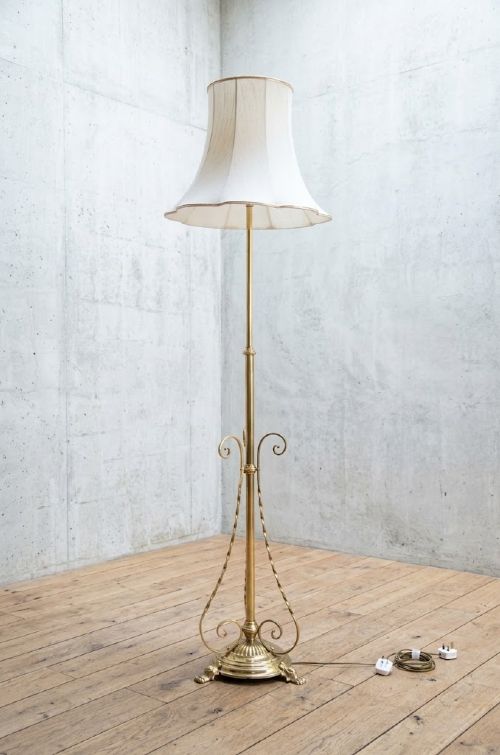
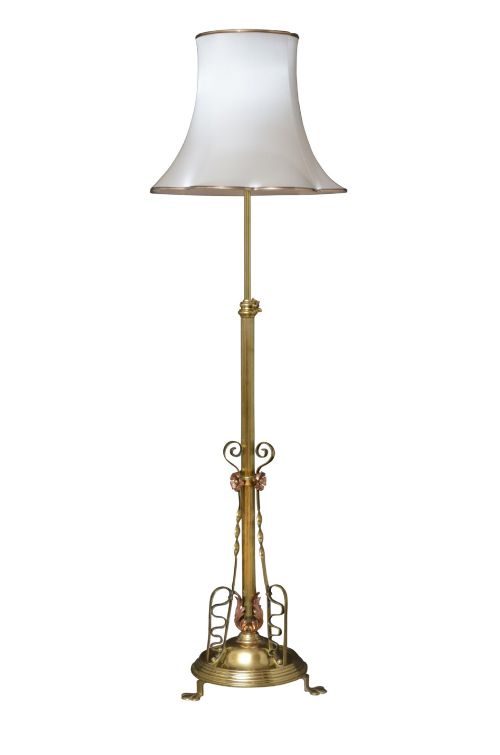
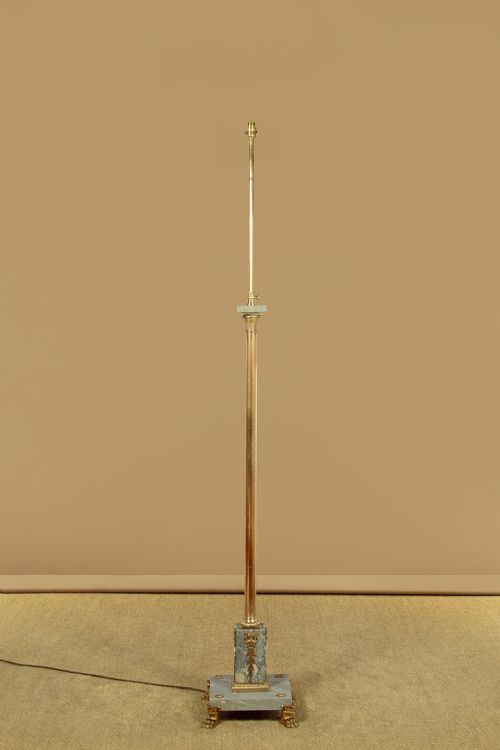
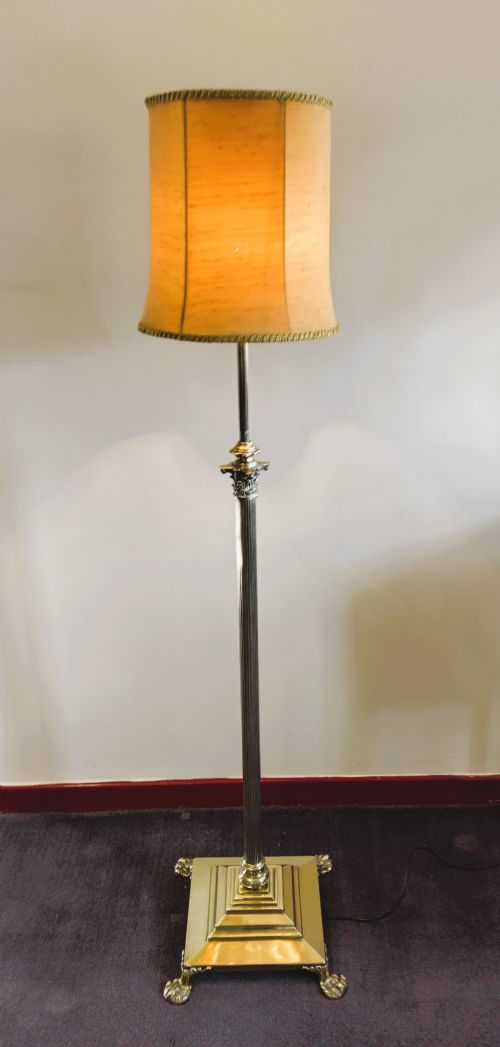
The domestic lighting versions dominate the selection, particularly brass and copper standard lamps from the Victorian, Edwardian, and Arts and Crafts periods. These lighting pieces utilise telescopic mechanisms to alter the elevation of the light source, combining heavy metal bases with adjustable columns.
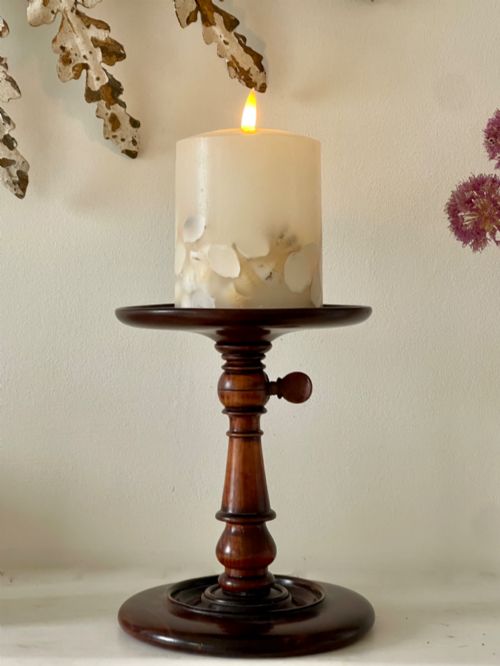
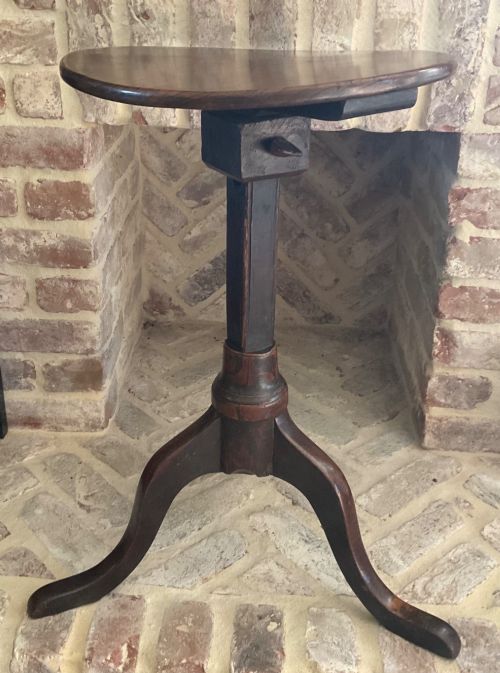
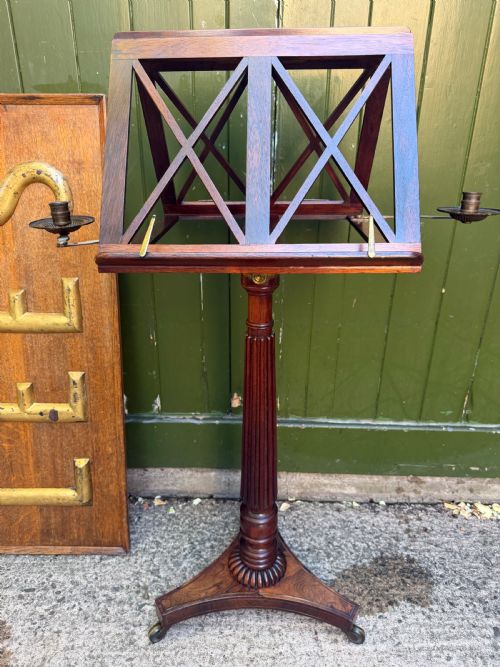
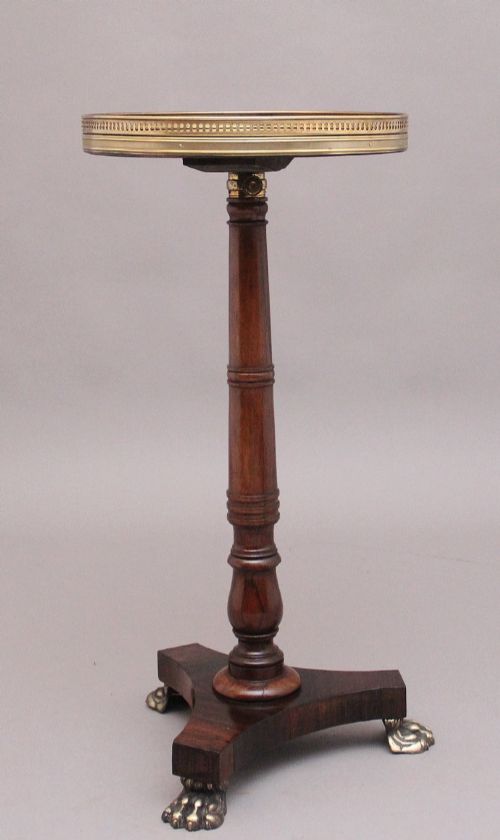
Alongside lighting, the category includes reading tables, occasional tables, and display stands executed in mahogany, walnut, and rosewood. These functional items span Georgian, Victorian, and Edwardian eras, offering mechanical height adjustment for books, sheet music, or decorative objects.
Materials and mechanism construction
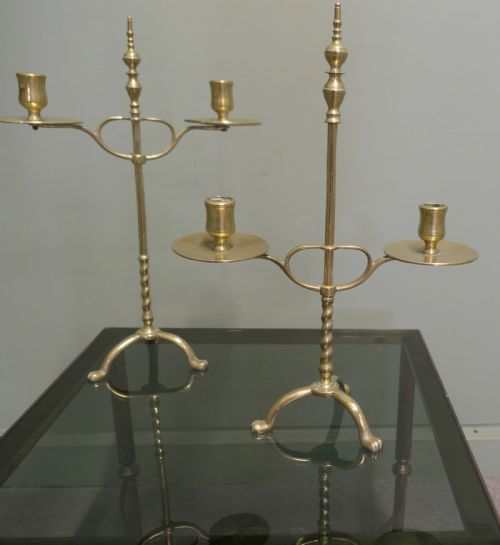
Metals such as brass, copper, and cast iron provide the rigid structural support necessary for telescopic standard lamps and candlesticks. Makers utilised heavy cast iron or weighted brass bases to ensure stability when the vertical shaft is extended to its maximum height.
Timbers including mahogany, walnut, rosewood, and padauk form the construction of reading tables, music stands, and occasional tables. Carpenters incorporated mechanical wooden screws, ratchets, and sliding telescopic pillars to allow smooth vertical movement without compromising the stability of the tabletop.
Adjustable Height Stand Retail Price Guide 2026
Typical asking prices for adjustable height stand among the pieces listed under this phrase on Sellingantiques today, from the lower quarter to the upper quarter. They describe what is for sale here now, not the wider market.
A nineteenth-century bed reading table lets you bring literature directly over the mattress with patent precision.
Assessing quality in adjustable mechanisms
The integrity of the internal telescopic mechanism determines the standard of a piece, separating solid engineering from loose construction. Quality rests on the precision of the sliding action, the snug fit of the inner tube within the outer shaft, and the reliability of the locking screw or thumb screw.
Material thickness and finishing also dictate the tier of craftsmanship, evident in heavy gauge brass, well-turned timber columns, and stable weighted bases. Superior examples maintain balance and straight alignment even when fully extended, whereas lesser pieces suffer from wobble and imprecise joints.
The Adjustable Height Stand Glossary
- Telescopic
- A design incorporating concentric tubes sliding one inside another to allow vertical extension and retraction. This mechanism is central to adjustable height standard lamps and candlesticks.
- Standard lamp
- A tall floor-standing lamp designed to illuminate a room from a fixed spot. These often feature adjustable height columns to alter the reach of the light.
- Pole screen
- A Victorian fireside screen featuring a panel mounted on a vertical pole that slides up and down to block radiant heat from a fireplace. It represents an early form of adjustable height domestic screen.
- Lectern
- A slanted reading stand designed to hold books or music sheets at an ergonomic angle. Many period examples include adjustable height stems for standing or seated use.
- Old Sheffield plate
- A composite material made by fusing a thin sheet of silver to a thicker copper base. It appears on Georgian telescopic candlesticks.
Adjustable Height Stand: Frequently Asked Questions
What is an adjustable height stand?
An adjustable height stand is a piece of furniture or lighting equipped with a mechanical device to raise or lower its operating surface. These items include floor lamps, reading tables, and music stands.
Period pieces use brass telescopic columns, wooden ratchets, or screw mechanisms to achieve the height variation. They were built for practical utility in domestic and work settings.
How do I use a telescopic lamp?
A telescopic lamp adjusts by loosening a central thumbscrew or collar on the vertical shaft, allowing the inner tube to slide up or down. Once the desired elevation is reached, you tighten the screw to secure the position.
Care should be taken to support the weight of the fitting with one hand while adjusting the collar with the other to prevent sudden drops.
What periods do these stands come from?
The available pieces span from the Georgian era through the Victorian and Edwardian periods, extending into early twentieth-century Arts and Crafts and Art Nouveau designs. Later examples reach into the mid-twentieth century.
Each era brought distinct material preferences, moving from mahogany and rosewood tables in the nineteenth century to heavy brass and copper standard lamps around nineteen hundred.
Where were reading tables placed?
Reading tables and bed reading tables were positioned beside armchairs, beds, or in libraries to hold books and papers at a convenient height. Their adjustable mechanisms allowed the surface to tilt or elevate over furniture.
Patent designs from makers like Carter provided flexible positioning for readers who required customized angles and heights.
How do I care for brass stands?
Brass and copper telescopic stands require dusting with a soft cloth and occasional cleaning with a non-abrasive metal polish if you prefer a bright finish. Many collectors choose to preserve the aged patina rather than polishing it to a mirror shine.
Ensure the internal sliding tubes remain clean and lightly lubricated if the telescopic action becomes stiff over time.