



Adjustable Back Chair
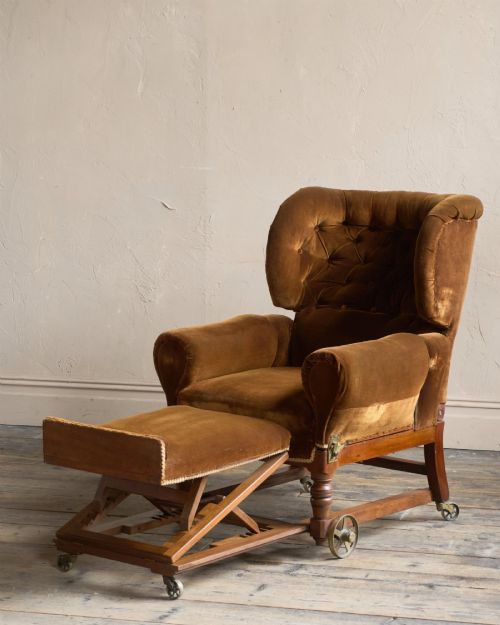
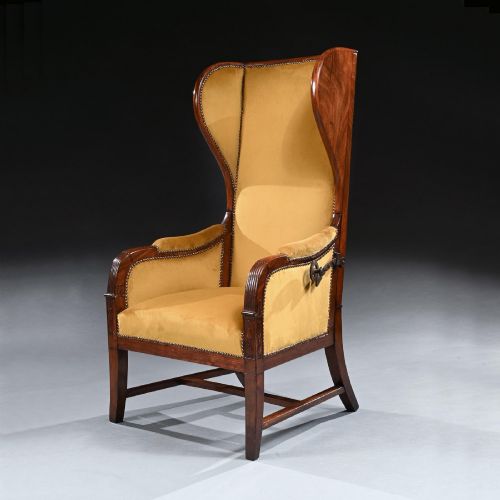
An adjustable back chair offers flexible seating comfort, spanning from Regency patent designs to Arts and Crafts reclining armchairs.
Adjustable Back Chair
An adjustable back chair encompasses a variety of seating forms designed for comfort and mechanical movement, ranging from library and desk chairs to music stools and reclining armchairs. When exploring this selection, buyers frequently encounter Victorian and Edwardian examples alongside earlier Regency and Georgian forms.
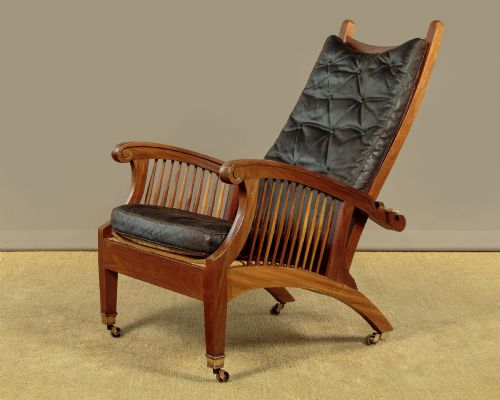
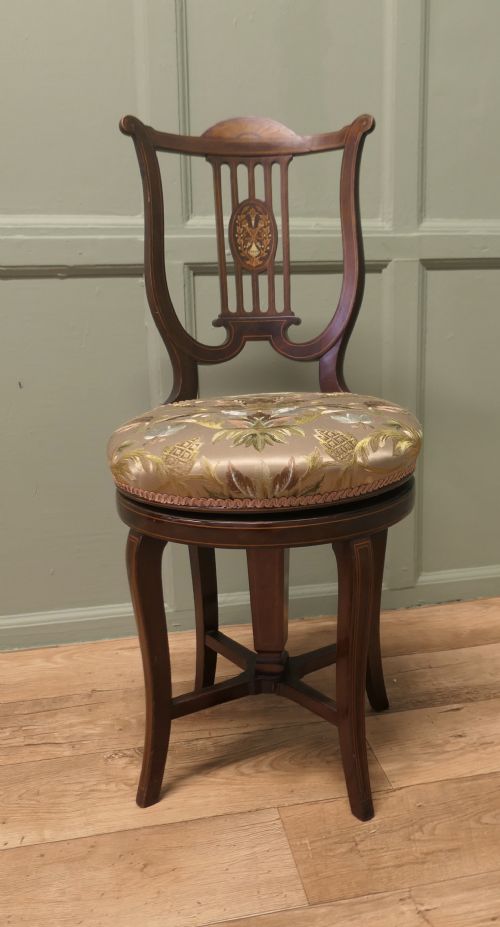
The category spans diverse functional types including revolving harpist and cello music chairs, piano stools, and dressing table chairs, as well as substantial reclining armchairs in mahogany, oak, and walnut. Many pieces incorporate specialised mechanisms such as the Daws Patent or rise and fall swivels.
Origins stretch across the nineteenth and early twentieth centuries, capturing shifts from Regency elegance through Arts and Crafts plainness to early twentieth century oak and teak models. These seats served multiple domestic rooms, from the music salon to the private study.
How They Were Made
Cabinet makers utilised dense hardwoods including mahogany, walnut, oak, rosewood, and satinwood, often combining structural timber with papier-mâché for decorative music stools. Iron and brass components provided the inner workings for revolving seats and mechanical backrests.
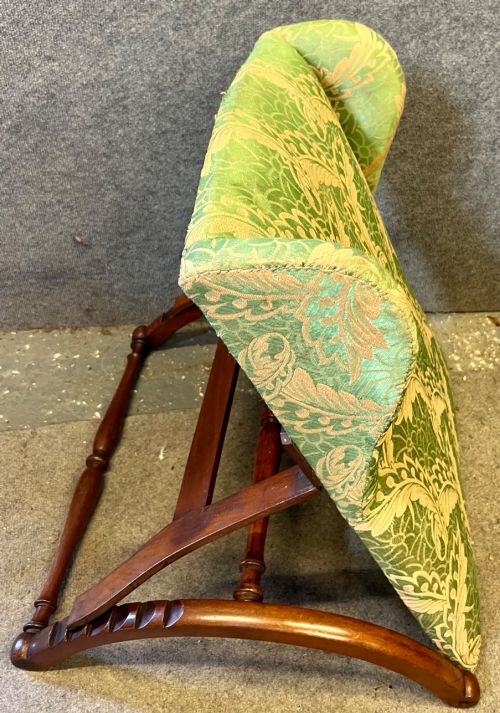
Upholstery materials such as fabric and leather finished the seats and backrests, complementing polished wood frames. Joinery methods varied from standard cabinet work to complex patent metal mechanisms concealed within the frame.
Adjustable Back Chair Retail Price Guide 2026
Typical asking prices for adjustable back chair among the pieces listed under this phrase on Sellingantiques today, from the lower quarter to the upper quarter. They describe what is for sale here now, not the wider market.
Musicians relied on revolving stools that spun freely, ensuring performers could turn effortlessly between the harp and the sheet music.
What Varies in Quality
The standard of a piece rests upon the ingenuity of its mechanical action, from smooth-revolving music stool spindles to heavy-duty reclining backrests that lock securely into place. Robust timber selection and clean carving, such as lyre backs or ebonised details, separate standard production from superior workshops.
Design attribution adds distinct character, particularly when pieces reflect the influence of makers like Jennens and Bettridge or retailers like Heals of London. The harmony between functional hardware and polished woodwork dictates the overall standing of each piece.
Jennens and Bettridge·Heals of London·Philip Webb
The Adjustable Back Chair Glossary
- Daws Patent
- A mechanical reclining system associated with high-end Regency seating. It allowed the user to adjust the angle of the backrest smoothly.
- Revolving music chair
- A seated support fitted with a central threaded spindle for height adjustment. These typically served harpists, cellists, and pianists.
- Campaign adjustable chair
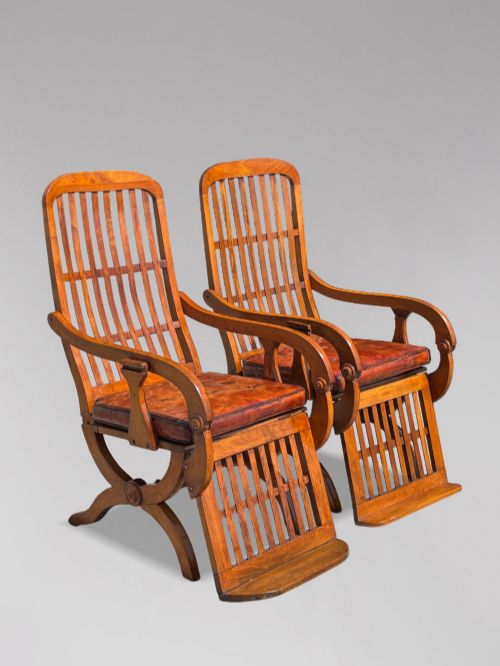
- Portable military-style seating designed for travel and easy dismantling. These often featured collapsible or adjustable back components.
- Rise and fall swivel
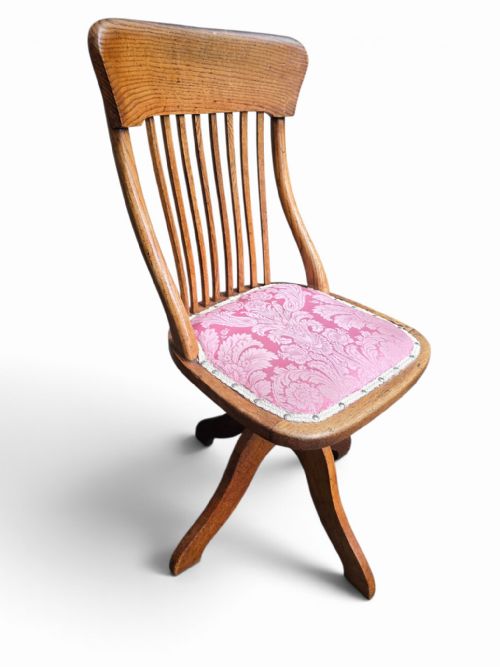
- A mechanism permitting both rotational movement and vertical adjustment. This engineering became common in Edwardian desk and office chairs.
Adjustable Back Chair: Frequently Asked Questions
How do reclining mechanisms work?
These mechanisms rely on clever internal pivots, ratchets, or patent brass hardware hidden within the wooden frame. They allow the user to shift the backrest to various angles.
Heavier examples from the Regency and Victorian periods utilise sturdy iron rods or specialised patent fittings to hold the weight safely.
Where were music chairs used?
Music chairs and stools found their place in nineteenth-century drawing rooms, parlours, and salons. Performers required adjustable seating for instruments like the harp, cello, and piano.
The revolving seats and adjustable heights allowed musicians to find an optimal posture during long practice sessions.
What woods are most common?
Mahogany, walnut, and oak dominate the selection across both Georgian and later periods. Cabinet makers also utilised rosewood, satinwood, and teak for specific aesthetic effects.
In some decorative pieces, such as Victorian music stools, papier-mâché formed part of the construction alongside a wooden core.
How to date these chairs?
Dating relies on stylistic clues, timber choices, and the evolution of mechanical hardware. Regency pieces display classical motifs like lyre backs, while Arts and Crafts examples show plain oak construction.
Edwardian and later twentieth-century models often introduce simpler swivel mechanisms and teak or lighter oak frames.