



Antique Wooden Recliner
An antique wooden recliner offers exceptional mechanical ingenuity and deep comfort, making it a sought-after seating choice for any interior.
Antique Wooden Recliner
When you search for an antique wooden recliner, you are looking at functional seating designed for adjustable rest across several distinct historical eras. The pieces on this page span the Victorian and Edwardian periods, alongside the 19th century and the early 20th century.
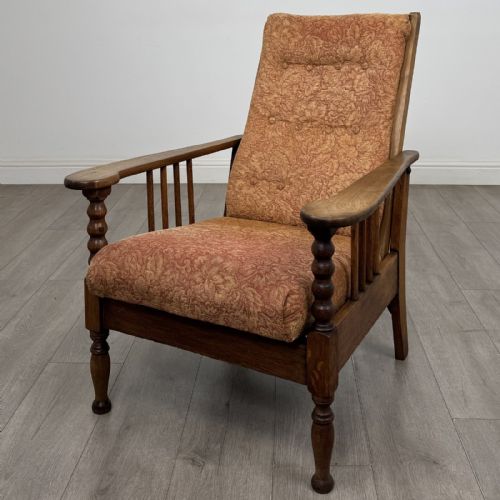
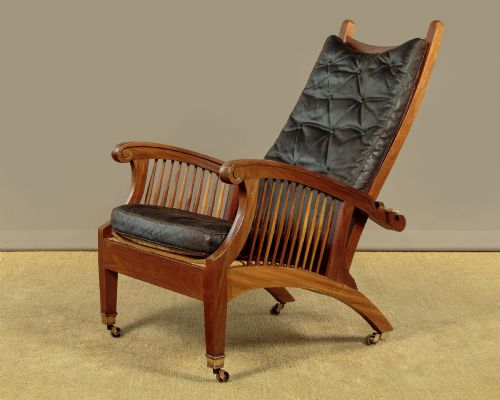
The forms vary considerably, encompassing reclining armchairs, daybeds, deck chairs, campaign furniture, and chaise longues. You are most likely to meet oak and mahogany armchairs or folding steamer deck chairs equipped with adjustable mechanics.
Stylistically, these items reflect diverse origins and movements, including Arts and Crafts, Colonial Campaign, Anglo-Indian, and French designs. Makers such as Leveson & Sons also contribute to the variety of functional resting furniture available.
Materials and construction
Construction relies heavily on durable timbers such as mahogany, oak, walnut, hardwood, and Bombay rosewood. These woods provide the structural backbone necessary for folding mechanisms and weight-bearing frames.
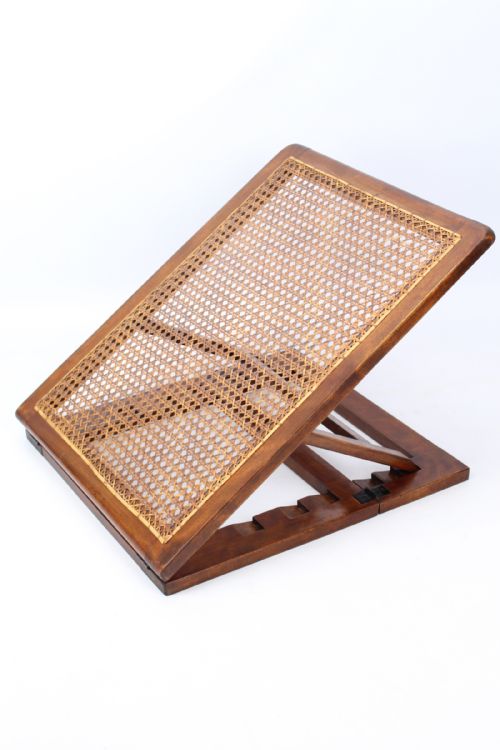
Makers integrated functional hardware including brass fixtures and castors to facilitate movement and adjustment. Comfort was introduced through upholstery in fabric, leather, and canvas, alongside woven cane panels.
Antique Wooden Recliner Retail Price Guide 2026
Typical asking prices for wooden recliner among the pieces listed under this phrase on Sellingantiques today, from the lower quarter to the upper quarter. They describe what is for sale here now, not the wider market.
Stargazers chairs provide an unusual variation, allowing nineteenth-century stargazers to recline comfortably while looking upwards at the night sky.
Assessing quality
Quality in these recliners rests on the complexity and smoothness of the adjustable mechanism, distinguishing basic folding frames from sophisticated ladderback or campaign designs. The precision of the woodwork and the integrity of carved details also set finer examples apart.
The choice of secondary materials, such as the use of solid Bombay rosewood or detailed brass fittings, elevates specific pieces above standard production. Original upholstery materials and the survival of makers' stamps further separate standard seating from exceptional collector pieces.
Leveson & Sons
The Antique Wooden Recliner Glossary
- Campaign furniture
- Portable furnishings designed for easy transport by military officers during the 19th century. These pieces typically feature folding elements and brass mounts.
- Planters chair
- A specialised armchair originating in the colonies featuring extended, broad armrests designed for resting legs. They are frequently associated with Anglo-Indian craftsmanship.
- Steamer deck chair
- A folding wooden chair with an adjustable backrest and extendable footrest, originally utilised on ocean liners and trains. They are commonly constructed from oak or walnut.
- Daybed
- A piece of furniture serving as both a seat and a bed for daytime resting. Examples in this category often incorporate adjustable backrests or campaign styling.
- Ladderback
- A chair back featuring a series of horizontal wooden slats resembling the rungs of a ladder. This construction often supports the reclining mechanism in adjustable armchairs.
Antique Wooden Recliner: Frequently Asked Questions
How do these recliners adjust?
Many of these pieces utilise mechanical ratchets, hinged backrests, or extendable footrests built into the wooden frame.
Users can alter the angle of the seat by shifting the backrest into different notches or slots.
Were these chairs meant for travel?
Certain examples, particularly campaign styles and steamer chairs, were constructed with folding frames specifically for portability.
Others, such as planters chairs and heavy oak armchairs, were designed primarily for static domestic or verandah use.
What woods were commonly used?
Cabinetmakers utilised dense hardwoods including mahogany, oak, walnut, and exotic timbers like Bombay rosewood.
These durable materials ensured the frames could support complex moving parts and frequent adjustments.
How do I identify a Victorian piece?
Victorian examples often display heavier timber construction, deep upholstery, and traditional period silhouettes.
They frequently align with styles like colonial campaign or formal plantation furniture.