
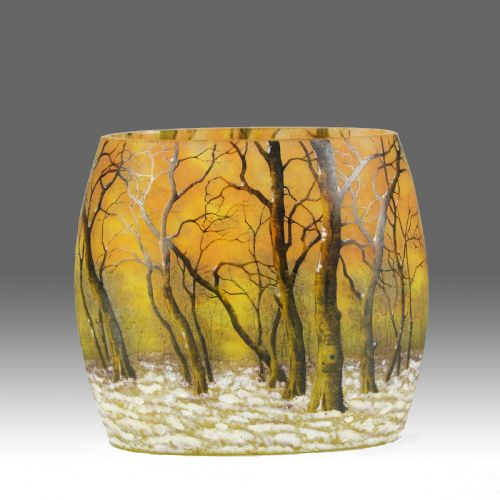


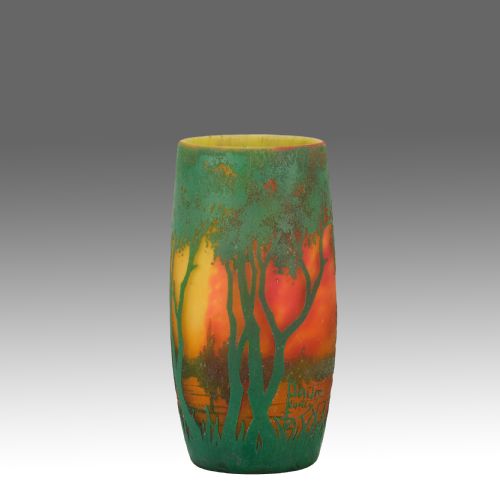


Acid Etched Glass Vessel
An acid etched glass vessel brings brilliant colour and texture to a room, captured here in historic forms from the turn of the twentieth century.
Acid Etched Glass Vessel
An acid etched glass vessel represents the height of decorative glassmaking from the late nineteenth and early twentieth centuries. When you search for an acid etched glass vessel, you encounter significant works spanning the Art Nouveau and Art Deco periods, predominantly originating from French makers. Vases form the vast majority of these pieces, alongside occasional decanters and jugs.
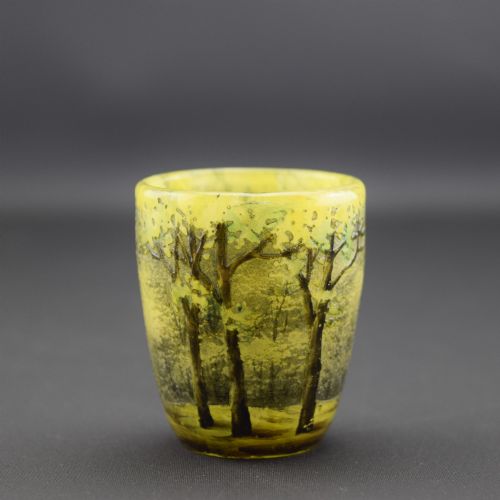
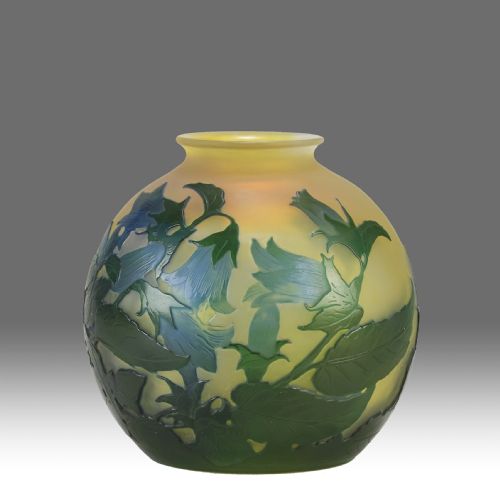
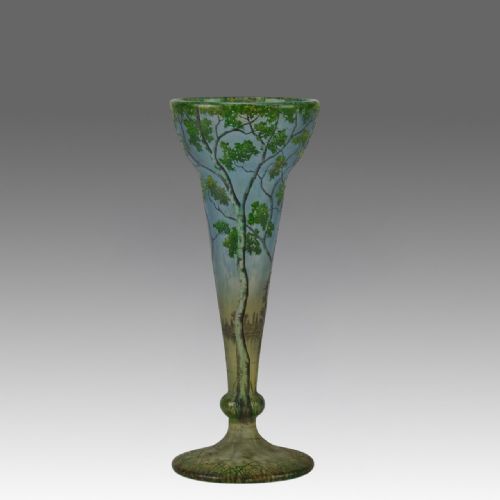
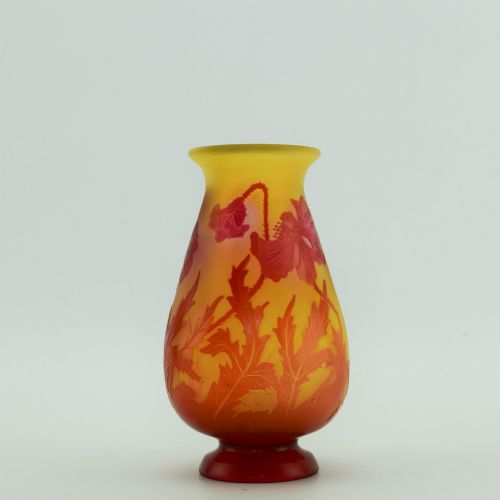
The most likely version you will meet on this page is a cameo glass vase from around nineteen hundred. These pieces showcase botanical and landscape motifs, such as floral stems, aquatic scenes, and wooded views. Makers utilised multi-layered glass techniques to reveal contrasting colours through deep acid biting.
Materials and production methods
Makers constructed each acid etched glass vessel using multiple layers of coloured glass fused together while hot. Artisans applied protective resists and submerged the pieces in hydrofluoric acid baths to eat away exposed areas, creating relief designs.
Additional surface enrichment often included enamel details and gold leaf applications to accentuate the carved motifs. Frosted glass finishes were frequently employed to soften backgrounds and enhance the contrast against polished or coloured foreground elements.
One surviving winter landscape jug even retains its original stopper, braving a century of domestic service intact.
Distinctions in quality
Quality rests upon the depth of the biting and the complexity of the glass layering. Superior examples display precise control over the acid, achieving sharp transitions between background tones and intricate foreground subjects.
The artistic ambition of the design dictates the standing of a piece within the range. Works that combine multi-layered cameo cutting with hand-painted enamel or distinct textural contrasts command greater appreciation than simpler single-colour treatments.
Emile Gallé·Daum Frères·Jean Luce·Le Verre Francais·Schneider
The Acid Etched Glass Vessel Glossary
- Acid-Etched Glass
- Glass decorated by submerging the surface in acid to eat away unprotected areas. This process creates recessed patterns and frosted textures.
- Cameo Glass
- Glass vessels created with two or more distinct layers of colour, carved or etched to produce a raised design in relief. The technique imitates carved gemstone cameos.
- Enamel
- Opaque vitreous composition fused to the glass surface by firing. It provides painted botanical details and colourful highlights.
- Frosted Glass
- Glass treated to impart a matte, non-reflective surface. This finish diffuses light and highlights carved details.
- Gold Leaf
- Extremely thin sheets of beaten gold applied to the glass surface for ornamentation. It frequently accents floral or geometric motifs.
Acid Etched Glass Vessel: Frequently Asked Questions
How do I identify an authentic piece?
Authentic pieces typically feature acid-stamped, wheel-engraved, or enamelled signatures belonging to the maker on the body or base. Examine the depth and crispness of the etching, as period techniques left distinct textural nuances.
Familiarise yourself with the characteristic motifs and colour palettes associated with French glasshouses from the Art Nouveau and Art Deco eras. Signatures alone require careful corroboration against known period examples.
What is the difference between Art Nouveau and Art Deco styles?
Art Nouveau examples from the turn of the twentieth century favour organic lines, floral subjects, and flowing naturalistic landscapes. Colours tend to mimic the subtle tones found in nature.
Art Deco pieces from later decades embrace modernist geometry, stylised motifs, and bolder, contrasting colour combinations such as orange on purple. The forms become more architectural and streamlined.
How should I display these vessels?
Place your vessel in a location with adequate natural light to illuminate the layered colours and intricate etching. Transparent and translucent cameo glass responds particularly well to backlighting.
Ensure the display surface is stable and protected from direct sunlight or heavy foot traffic that could cause accidental knocks. Keep them away from extremes of temperature.