



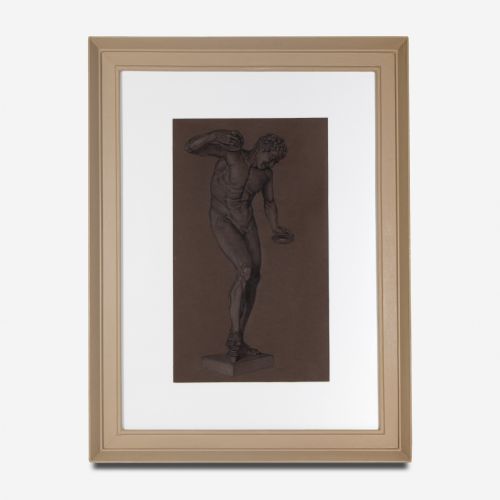


Academic Sketches Framed
Academic sketches framed offer a direct window into the rigorous training of past draughtsmen through preserved figure studies and portraits.
Academic Sketches Framed
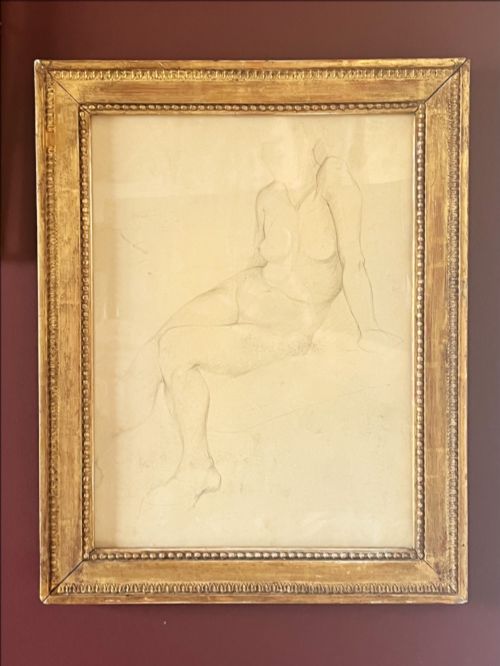
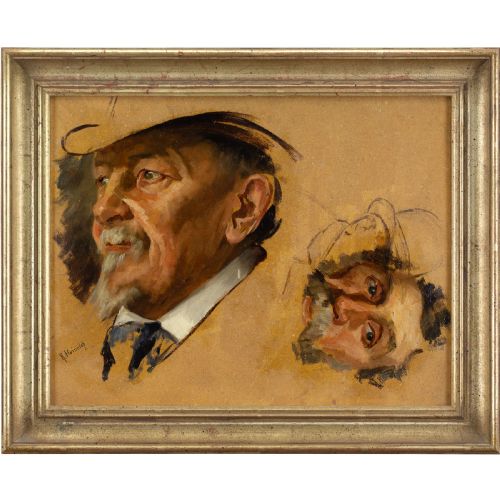
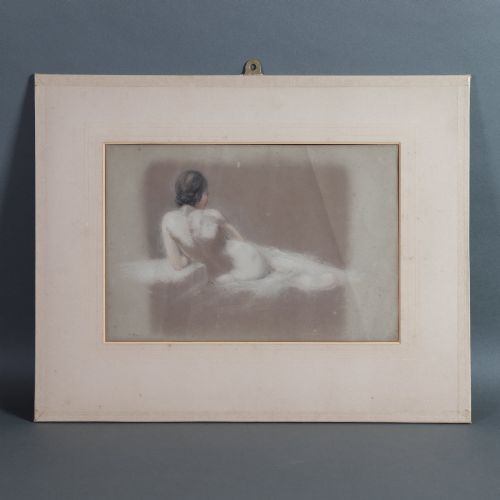
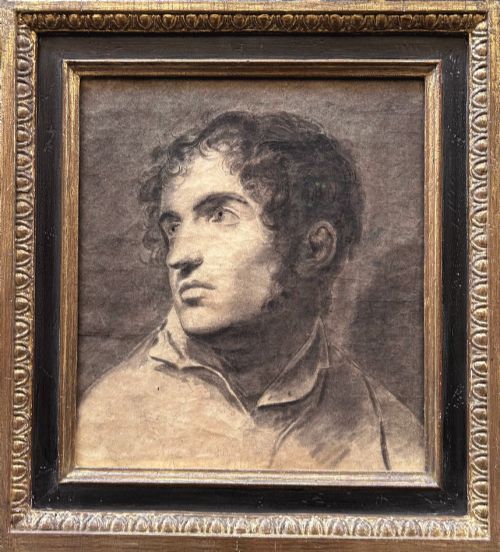
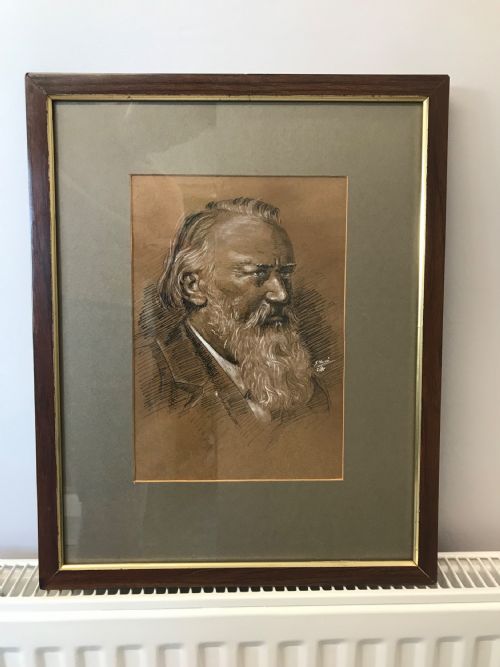
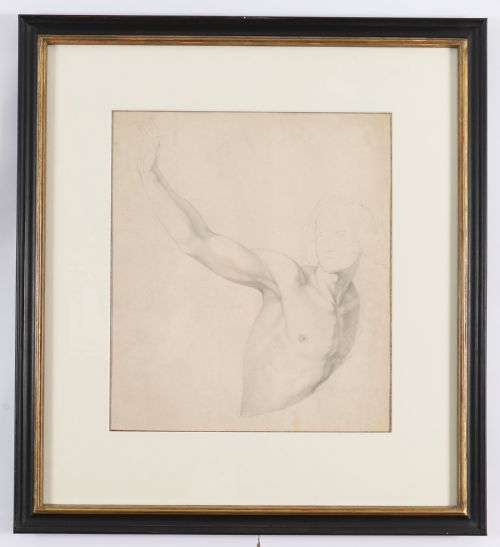
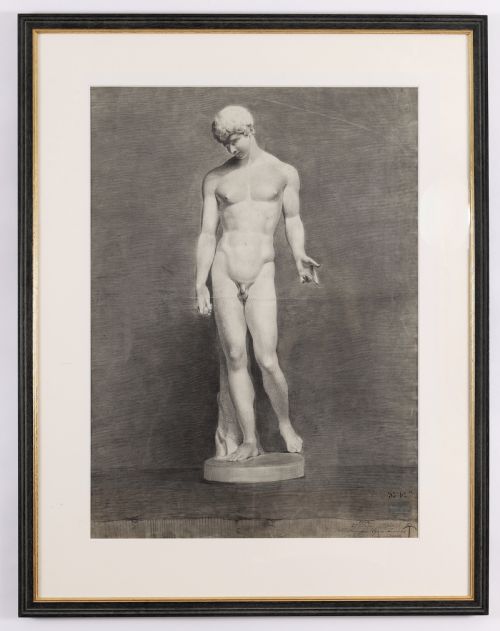
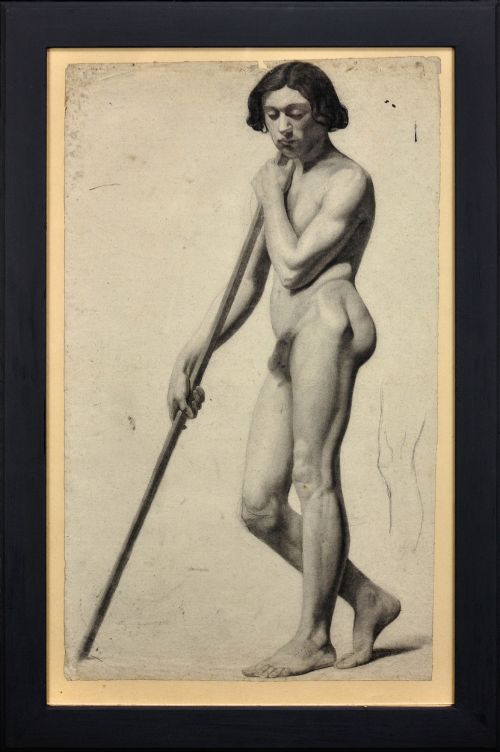
When you search for academic sketches framed, you are looking at original works on paper produced during formal art training or studio practice, most frequently encountered in nineteenth-century examples. These works capture figure studies, portraits, and anatomical exercises drawn from life, often housed within period frames.
The selections span from the eighteenth century through to the mid-twentieth century, showing influences from the French School, British artists, and Neoclassical styles. Forms range from intimate charcoal and chalk renderings to detailed graphite, pencil, and pen and ink compositions.
Subjects commonly focus on male and female nudes, classical figures, and notable portrait subjects. The presence of a period frame often indicates how these educational pieces were valued and preserved by subsequent owners.
Materials and technique
Artists relied primarily on paper supports, frequently utilising toned paper or plain paper sheets, supplemented occasionally by oil on paper applications. These surfaces received mediums such as charcoal, graphite, chalk, and pencil, sometimes combined with pen, ink wash, and gouache.
Periods represented span from the eighteenth century through the nineteenth and twentieth centuries, encompassing Victorian, Edwardian, and Modern British styles.
Quality and execution
The standard of a drawing rests upon the confidence of the line and the precision of anatomical rendering. Superior examples display a profound understanding of skeletal structure and musculature, whereas lesser works reveal hesitation or stiffness in proportion.
Condition of the paper support and the integrity of the media also divide works. Stronger pieces retain deep contrasts in charcoal or graphite without excessive fading, and they are often preserved in appropriate period frames that complement the composition.
William Etty·Augustus John·Henry Arthur Roberts·Pierre Paul Prud hon·William Edward Frost·Winifred Eugene Ballard·John Macallan Swan·Theobald Chartran·Ernest Borough Johnson·George Richmond
The Academic Sketches Framed Glossary
- Life study
- A drawing executed directly from a live model, serving as a fundamental exercise in academic training. These studies emphasise accurate proportion and the play of light over the human form.
- Grisaille
- A painting or drawing executed entirely in shades of grey or neutral grey-brown. This monochrome technique focuses purely on tonal values rather than colour.
- Toned paper
- Paper that possesses a natural colour other than white, such as grey, tan, or blue. Artists use it to build up highlights with white chalk while leaving the mid-tone exposed.
- Academic realism
- An artistic style stemming from the standards of European art academies. It emphasises polished technique, classical subject matter, and careful observation of nature.
- Wash
- A thin layer of translucent diluted ink, watercolour, or gouache applied with a brush. It provides even fields of colour or subtle tonal shading behind line work.
Academic Sketches Framed: Frequently Asked Questions
What is an academic sketch?
An academic sketch is a preparatory or study drawing produced within a formal art education system, focusing on the careful rendering of the human figure or classical subjects.
These pieces record the rigorous training methods historical artists underwent to master proportion, anatomy, and tonal values before executing finished paintings.
How should I display framed drawings?
Framed drawings on paper require careful placement away from direct sunlight to prevent the media and paper from fading over time.
Maintaining stable indoor humidity levels also protects both the paper support and the antique frame from warping or deterioration.
Are these drawings original works?
The pieces listed are original hand-drawn or hand-painted works created directly by the artist, rather than modern mechanical reproductions.
Each drawing bears the distinct touch of the draughtsman's pencil, charcoal, or ink upon the paper surface.
How can I tell the period of a drawing?
Dating relies on stylistic indicators, the type of paper and medium used, and occasionally inscriptions or signatures left by the artist.
The accompanying frame, when original to the piece, also offers strong clues regarding the era in which the artwork was mounted.