


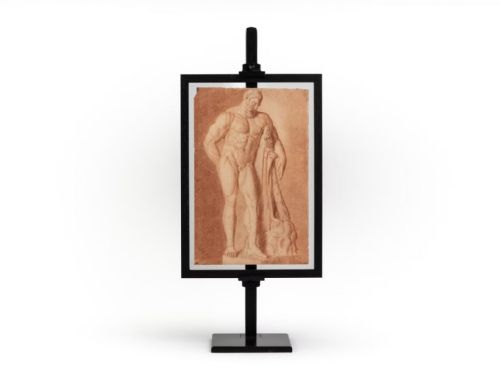


Classical Figure Study Drawings
Classical figure study drawings capture the human form through academic discipline, offering collectors a direct link to historical studio training.
Classical Figure Study Drawings
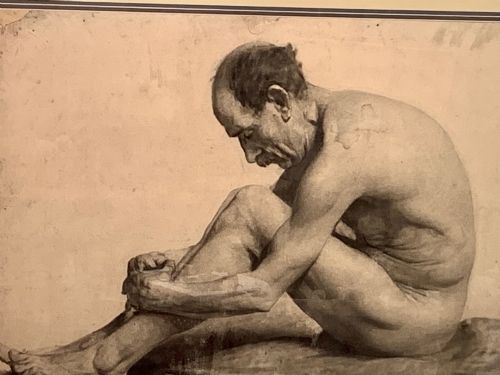
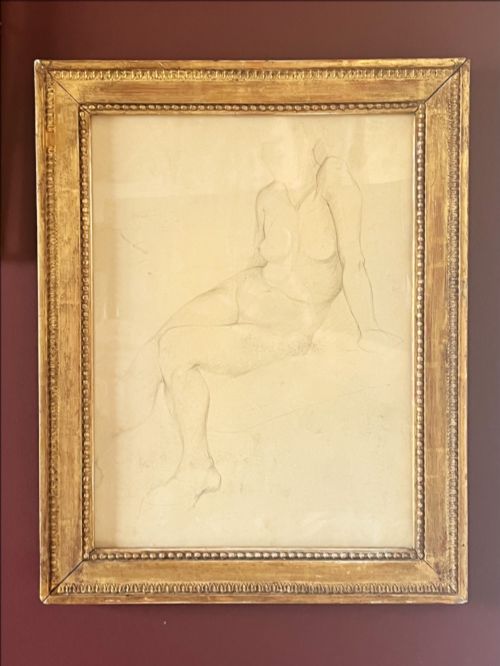
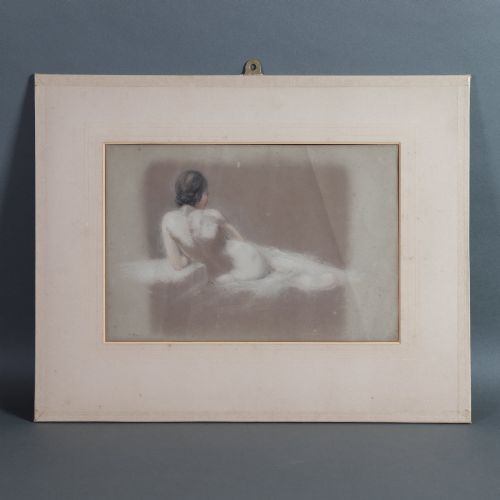
Classical figure study drawings represent academic exercises and life studies created across several centuries, ranging from seventeenth-century works to mid-twentieth-century pieces. When buyers search for classical figure study drawings, they encounter framed original artworks, portrait drawings, and sketches executed on paper.
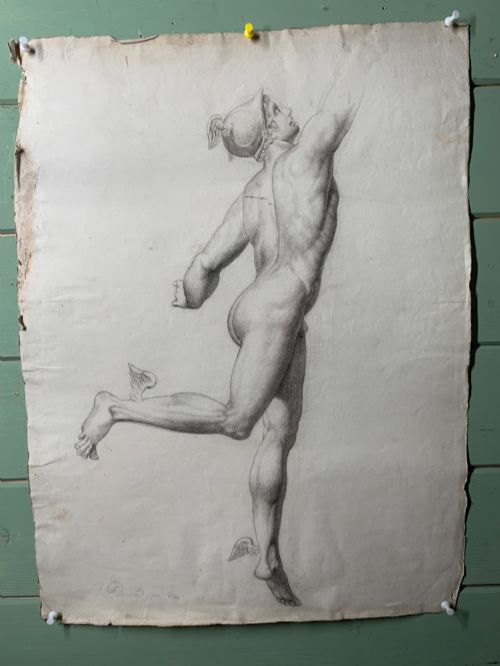
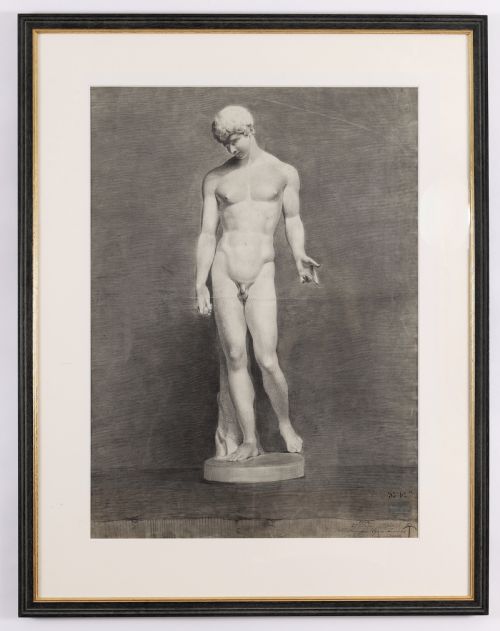
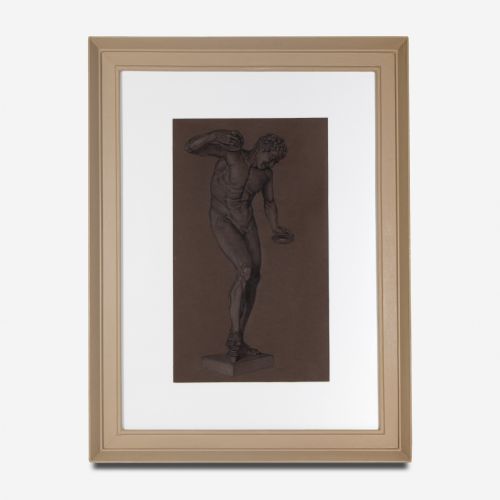
The selections span distinct historical eras, including Georgian, eighteenth-century, and nineteenth-century periods. Common subjects include academic life studies of standing or reclining male and female nudes, mythological figures such as Hermes and Hercules Farnese, and detailed head studies.
These works frequently reflect institutional training methods, such as submissions for the Grand Prix de Rome or studies after established masters like Cipriani and Pierre-Paul Prud'hon. Buyers find pieces ranging from Italian school sheets to English school works, often preserved in antique gilt wood frames.
How they were made
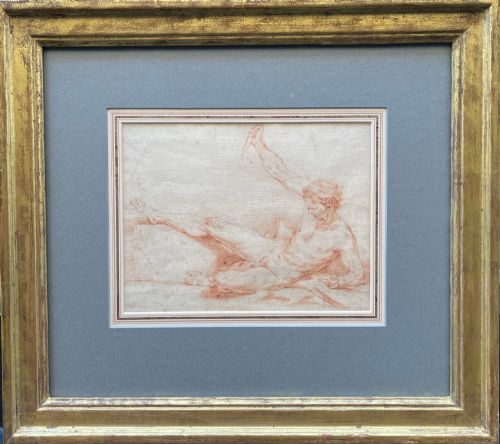
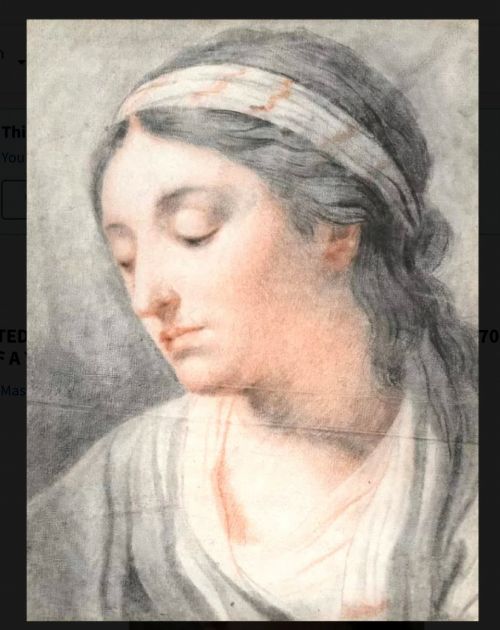
Artists executed classical figure study drawings primarily on paper support using dry media such as graphite, charcoal, red chalk, sanguine, and pastel. Some works incorporate pen and ink or mixed media, while related examples utilise oil on paper.
Draftsmen relied on precise line work and tonal shading to render musculature, light, and shadow during academic training sessions. Many surviving sheets feature studies on both the front and back, known as recto and verso.
Framing often involves period wooden mouldings, notably antique gilt wood frames that complement the academic aesthetic of the drawings.
One industrious artist simply flipped the paper over when space ran low, leaving us with a Hercules Farnese on the front and a bonus sketch on the back.
What varies in quality
Quality in these works rests upon the precision of anatomical rendering and the confidence of the draughtsmanship. Stronger pieces display a sophisticated understanding of proportion, musculature, and light, reflecting rigorous academic training.
The selection of medium and the preservation of the paper surface significantly influence the visual impact. Works that retain the crispness of red chalk, graphite, or charcoal without excessive fading command greater attention from collectors.
William Etty·Hyacinthe Colin de Vermont·Marie Leczinska·François-André Vincent·Henry Arthur Roberts·Cipriani·Pierre-Paul Prud'hon·William Edward Frost
The Classical Figure Study Drawings Glossary
- Academic Realism
- A style of painting and drawing produced under the influence of European academies of art. It emphasises precise anatomical accuracy, classical subjects, and polished technique.
- Sanguine
- A reddish-brown chalk used historically for sketching and drawing figures. It derives its name from the Latin word for blood.
- Recto and Verso
- Terms used to describe the front and back of a sheet of paper. Drawings occasionally appear on both sides of historical study sheets.
- Neoclassical
- A Western cultural movement drawing inspiration from the art and culture of classical antiquity. It values restraint, clarity, and heroic subjects.
- Grand Prix de Rome
- A prestigious French scholarship for arts students. Submissions and preparatory studies from this competition form a distinct category of academic art.
Classical Figure Study Drawings: Frequently Asked Questions
What is an academic life study?
An academic life study is a drawing or painting executed from a live model as part of formal art training. These exercises allowed artists to master human anatomy, proportion, and shading.
Such works formed the foundation of historical art education in European academies and institutions throughout the eighteenth and nineteenth centuries.
Why are some drawings double-sided?
Artists and students frequently utilised both sides of a sheet of paper to practise different poses or save materials during sketching sessions. These are referred to as recto and verso.
Collectors often value double-sided sheets because they provide additional insight into the draughtsman's working process and training routine.
What is red chalk drawing?
Red chalk, or sanguine, is a natural iron oxide pigment pressed into sticks for drawing. It allows artists to achieve warm tones and subtle gradations of shadow.
This medium was widely adopted during the Renaissance and remained popular through the eighteenth century for figure studies and portraits.
How should these drawings be displayed?
Paper works require careful protection from direct sunlight to prevent fading of media like pastel, chalk, and graphite. Framing with acid-free mounts helps preserve the paper over time.
Displaying them in stable indoor environments away from excessive moisture ensures the longevity of both the antique paper and any original frames.