

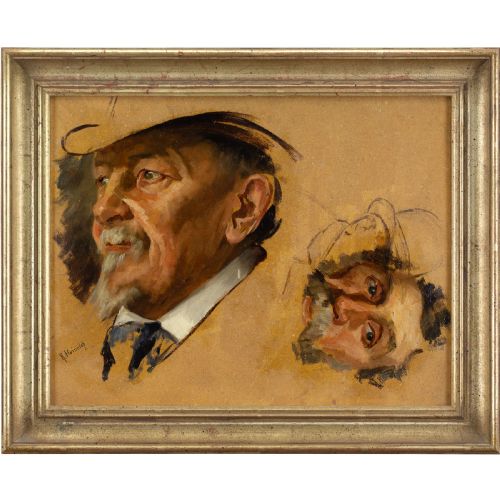
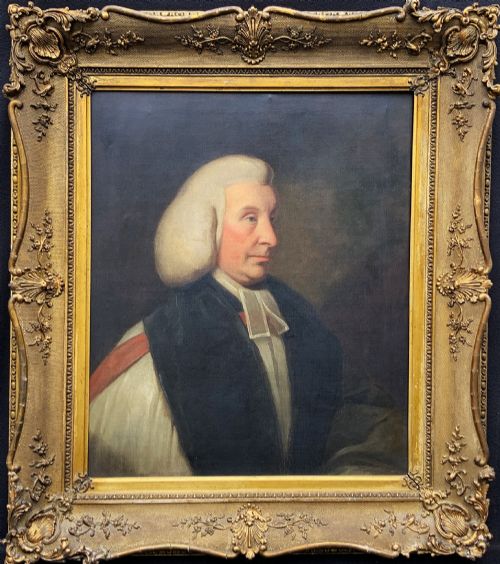
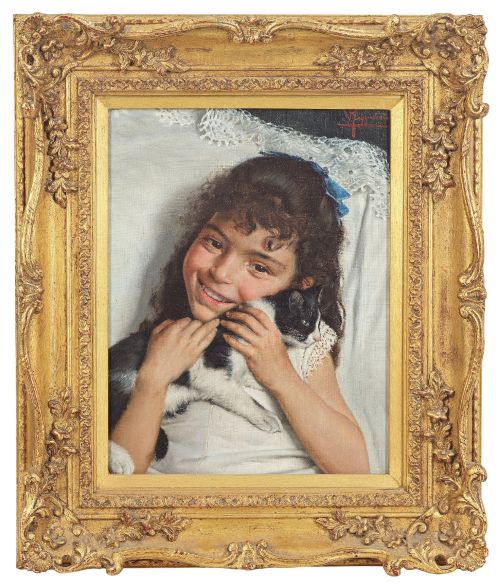
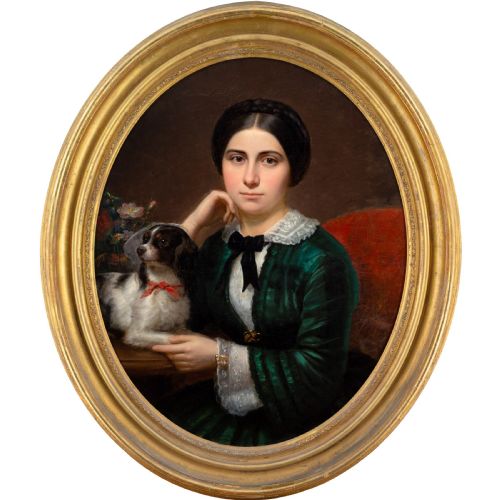
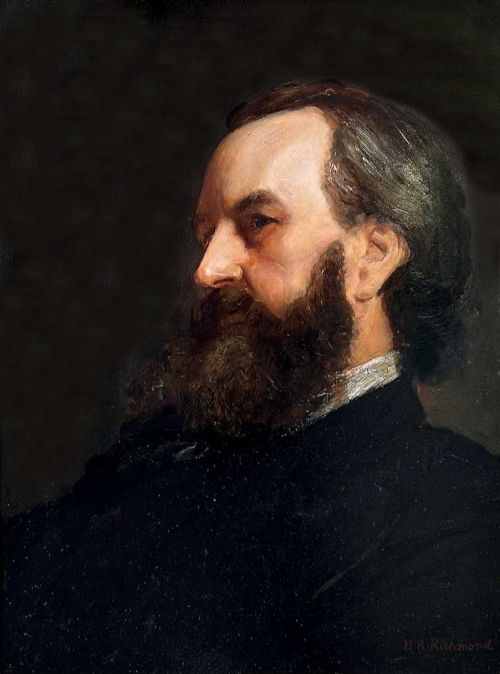
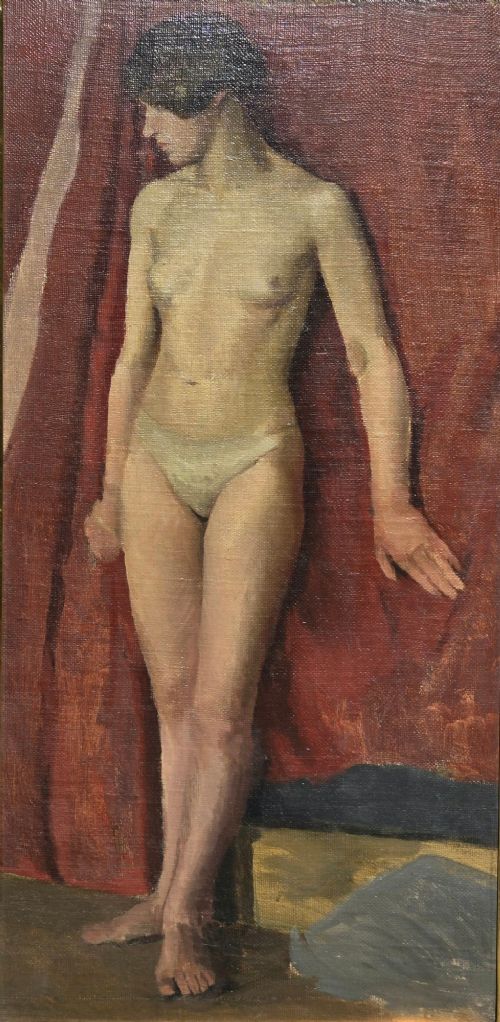
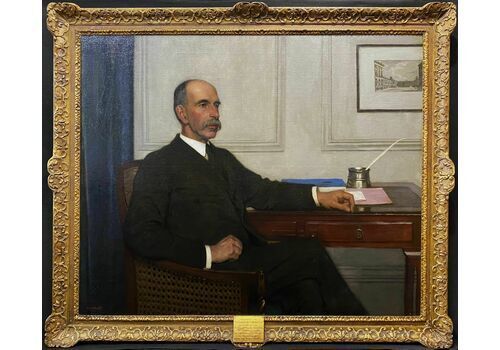
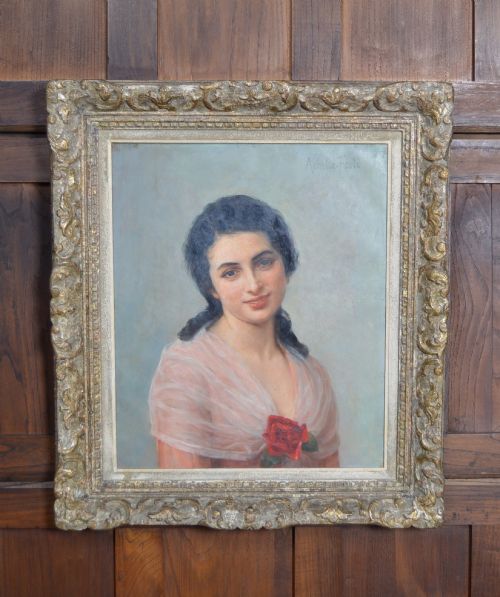
Academic Portrait Oil Painting
An academic portrait oil painting captures the meticulous draftsmanship and formal composure favoured by European academies.
Academic Portrait Oil Painting
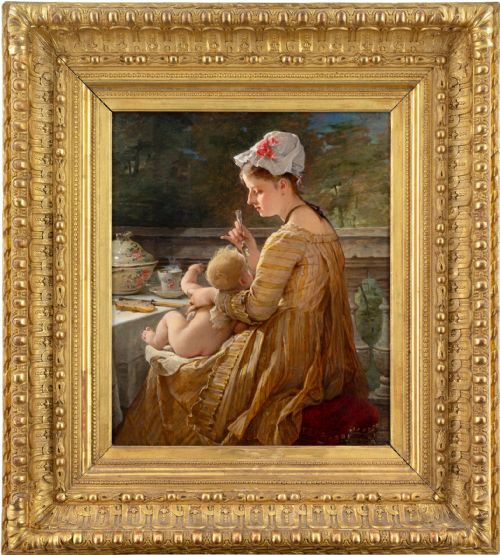
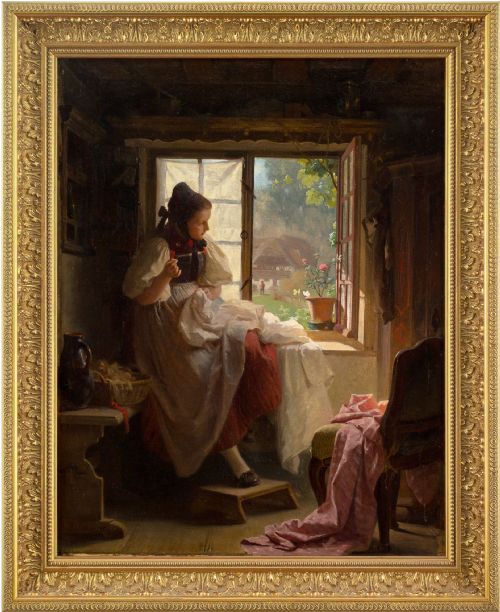
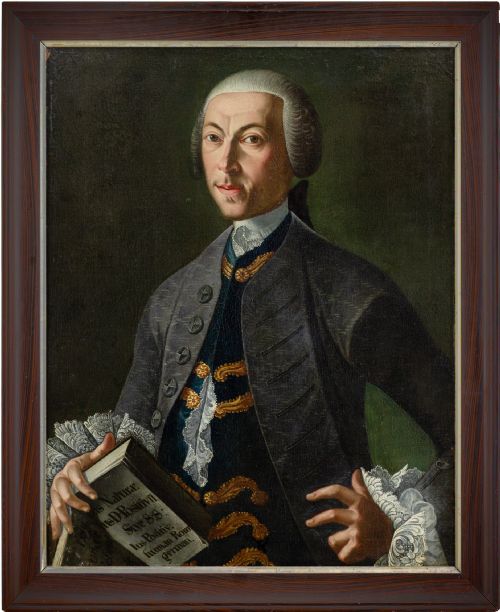
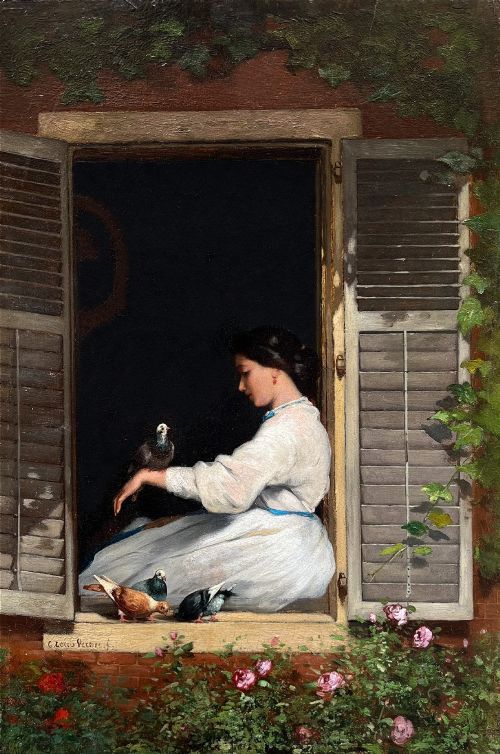
An academic portrait oil painting represents the rigorous training of nineteenth-century European art academies, where artists mastered the depiction of the human form with strict anatomical precision. These works range from formal likenesses of gentlemen and clergymen to intimate genre scenes and studio studies.
Buyers exploring this selection frequently encounter canvases from the eighteenth and nineteenth centuries, executed in schools spanning British, French, and German traditions. Many pieces present sitters with distinct character, from historical figures to anonymous models posed in classical or romantic settings.
Materials and Techniques
Painters applied oil paint to stretched canvas or wooden panels, building up smooth, highly blended surfaces that concealed individual brushstrokes in pursuit of naturalistic illusion. This careful layering allowed artists to achieve subtle tonal gradations in skin, fabric, and shadow.
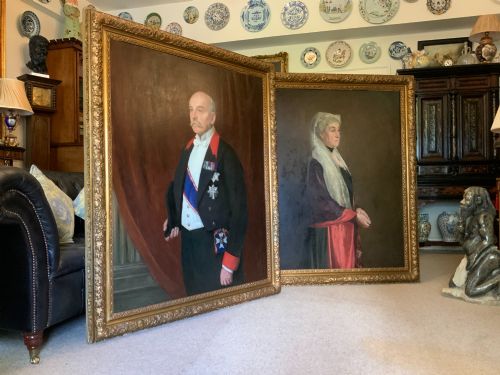
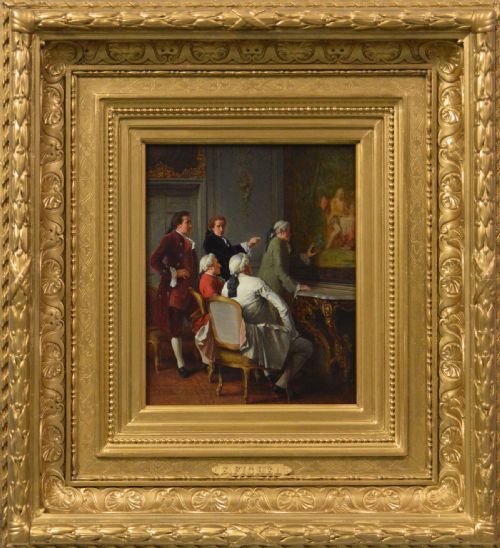
Framing forms an integral component of these works, with heavy giltwood and gesso frames providing the architectural enclosure characteristic of period presentation.
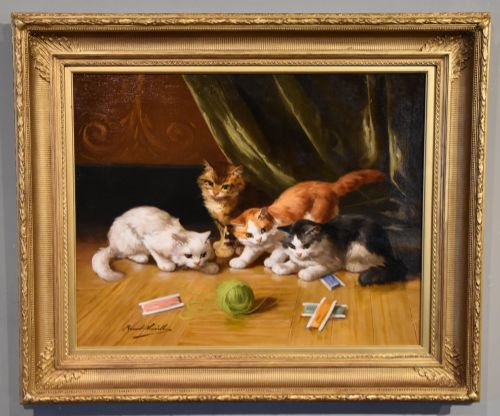
Several portraits feature domestic pets, including cats and dogs keeping company with their owners through the centuries.
Defining Quality in Academic Portaiture
The distinction between standard works and master-level execution lies in the handling of light, shadow, and psychological depth within the sitter's expression. A superior canvas displays confident draughtsmanship beneath the paint layer, capturing texture in textiles and convincing volume in the human anatomy.
The fidelity of the provenance and the reputation of the academy or school associated with the artist further elevate the significance of an individual piece.
Dumini Leopoldo·Vittorio Reggianini·Adelaïde Salles-Wagner·Max Kaltenmoser·Louis Charles Verwee·William Blake Richmond·Harold Knight·Achille Fould·Alfred Arthur Brunel de Neuville·Benjamin Eugene Fichel·Charles Zacharie Landelle·André Charles Voillemot·Ferdinand Victor Leon Roybet·Alexandre Louis Martin·William Etty·Allan Douglas Davidson·Frederick Goodall·Lance Calkin·Alfred Holst Tourrier·Hermann Armin Kern·Frank Hyde·James Clark·August Heinrich Riedell·Fernand Jean Barbier·Hans Temple
The Academic Portrait Oil Painting Glossary
- Academic Realism
- A style of painting governed by the rules of European art academies, emphasising precise drawing, idealized forms, and historical or mythological subject matter. This approach prioritised technical mastery over expressive abstraction.
- Giltwood
- Wood carved and coated with gold leaf or a gold-coloured metallic finish, commonly used for ornate antique picture frames. It adds a warm, reflective border that complements dark oil pigments.
- Gesso
- A paint mixture consisting of a neutral binder mixed with chalk, gypsum, or pigment, used to prepare wood panels or canvases for painting. It creates a smooth, absorbent surface for oil application.
- En Grisaille
- A painting executed entirely in shades of grey or monochromatic neutral colours, often used to emulate sculpture or as a preliminary underpainting. This technique focuses entirely on tone and form rather than hue.
Academic Portrait Oil Painting: Frequently Asked Questions
What is an academic portrait oil painting?
These works are traditional oil paintings created under the strict technical guidelines of historical European art academies. They focus on accurate human anatomy, realistic lighting, and formal composition.
The inventory includes portraits of specific historical figures as well as anonymous sitters, painted primarily during the eighteenth and nineteenth centuries across various European schools.
How should I care for an oil painting on canvas?
Protect the canvas from direct sunlight and sudden fluctuations in temperature and humidity to prevent cracking in the paint and warping of the stretcher bars. Dust the surface gently with a soft, dry brush without applying pressure.
Avoid using liquid cleaners or water on the painted surface or the giltwood frame, as moisture damages traditional gesso and oil layers.
How can I identify the period of a portrait?
Dating relies on the sitter's clothing, hairstyle, and the stretcher construction of the canvas, alongside any signatures or exhibition labels on the reverse. Stylistic clues, such as the palette and brushwork, also point toward specific decades.
Many nineteenth-century works reflect the romantic or realist movements popular during that era, providing a clearer timeframe when compared alongside known school traits.