





Abstract Wall Art
Abstract wall art brings mid-century modernism and expressive twentieth-century composition into a room through original paintings, gouaches, and prints.
Abstract Wall Art
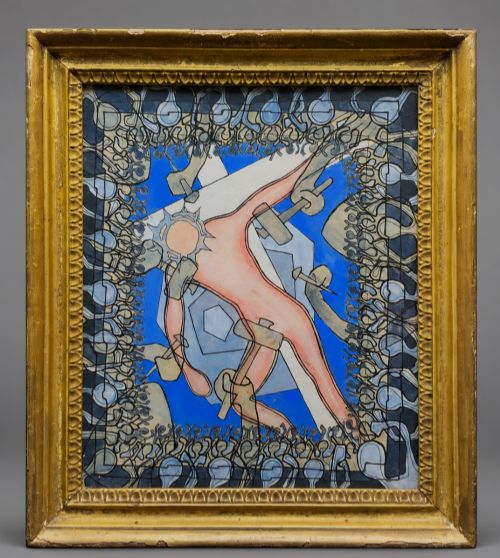
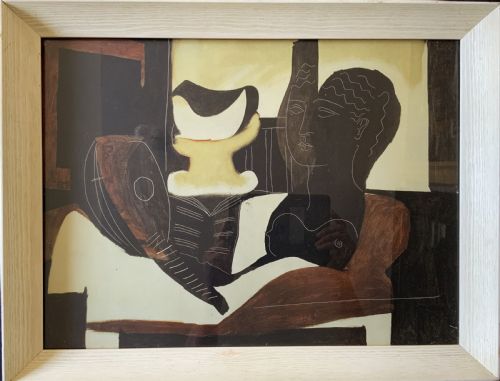
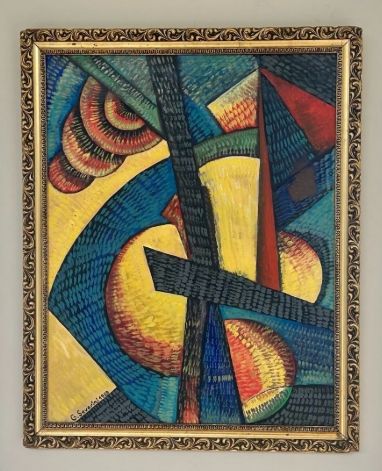
Abstract wall art encompasses original paintings, watercolours, gouaches, and prints created primarily across the middle decades of the twentieth century. Buyers seeking this phrase encounter compositions rooted in mid-century modernism, cubism, and abstract expressionism.
The selections on this page feature works executed on canvas, board, paper, and glass, often reflecting stylistic movements such as the St Ives school or continental European modernism. These pieces range from intimate still life studies to large-scale textured oil paintings.
Dated examples from the nineteen-twenties through to the nineteen-sixties demonstrate the evolution of abstract forms, capturing landscapes, figures, and geometric interiors through the eyes of period artists.
What varies in quality
Quality in these works rests upon the confidence of the brushwork, the balance of the composition, and the artist's command over colour relationships. Stronger pieces display deliberate control within abstract forms, whereas lesser examples lack structural cohesion.
Provenance and documentation also distinguish the range, with works carrying exhibition histories or direct attribution to established mid-century art communities holding greater art-historical significance.
Abstract Wall Art Retail Price Guide 2026
Typical asking prices for abstract wall art among the pieces listed under this phrase on Sellingantiques today, from the lower quarter to the upper quarter. They describe what is for sale here now, not the wider market.
One mid-century woodcut portrays Astra the lion as a fantastical German expressionist animal.
Pablo Picasso·Tony Giles·Denis Mitchell·Gino Severini·William Littlejohn·Edward Carter Preston·Derek Latimer Sayer·William McCance·Peter Jackson·Adrian Heath·Lester Epstein·Antonio Ferri·Burr Singer·Richards Rubin·William Ernst Burwell
The Abstract Wall Art Glossary
- Impasto
- Paint applied thickly to a canvas or board, standing out in relief from the plane. This technique adds tactile depth and catches light across the painted surface.
- Gouache
- An opaque water-based paint that dries to a matte finish. It allows for vibrant, solid colour blocks favoured in twentieth-century works on paper.
- Cubism
- An early twentieth-century avant-garde art movement that revolutionised European painting. Subjects are broken up and analysed in a multiplicity of viewpoints rather than a single perspective.
- Mid-Century Modern
- A design and art style spanning roughly from the nineteen-forties to the nineteen-sixties. It prioritises clean lines, abstracted forms, and a departure from strict academic realism.
- Provenance
- The chronology of the ownership, custody, or location of a historical work of art. Documented provenance provides verified context for attribution and authenticity.
Abstract Wall Art: Frequently Asked Questions
What defines abstract wall art from the mid-century period?
These works break away from traditional representation to focus on colour, form, line, and texture. Artists working in this mode prioritized expressive geometry and emotional resonance over literal depiction.
Examples span from the nineteen-twenties through the nineteen-sixties, capturing movements like cubism, abstract expressionism, and modernist landscape interpretation.
How should I care for vintage paintings on canvas or paper?
Keep works out of direct sunlight to prevent pigments from fading and canvas fibres from degrading. Maintain stable indoor humidity levels to protect wooden stretchers and paper supports alike.
Framed pieces behind glass should be checked periodically to ensure moisture does not become trapped against the artwork.
How do I date an abstract painting without a signature?
Look to the materials, stretcher construction, and framing methods for clues regarding the era of production. Stylistic markers such as specific colour palettes and modernist composition techniques also point toward a particular decade.
Examine the reverse of the canvas or board for exhibition stamps, dealer labels, or handwritten inscriptions from the period.
What is the difference between an oil painting and a gouache work?
Oil paintings use slow-drying pigments suspended in oil, applied to canvas or board with flexibility in building thick impasto layers. Gouache is a water-based medium applied to paper, drying quickly to a flat, opaque matte finish.
Oils generally require framing under a protective glaze only if unvarnished, whereas works in gouache require paper conservation and glass framing.