
9ct Yellow Gold Necklace
A 9ct yellow gold necklace offers a warm, wearable piece of history, ranging from Victorian chains to mid-century diamond pendants.
What 9ct yellow gold necklaces are
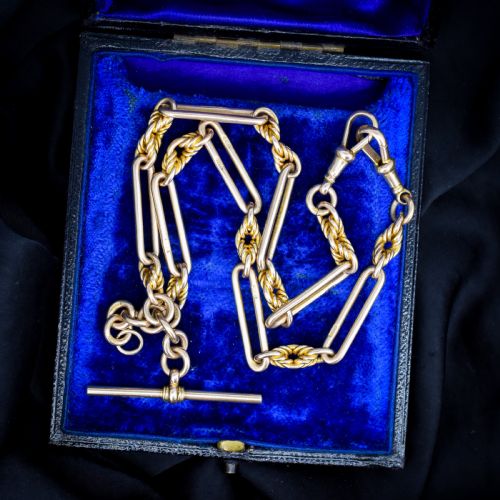
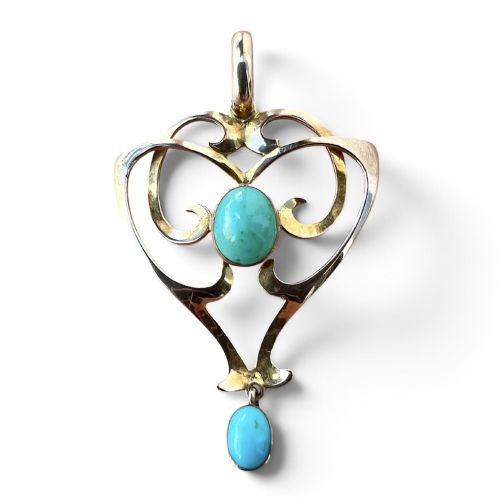
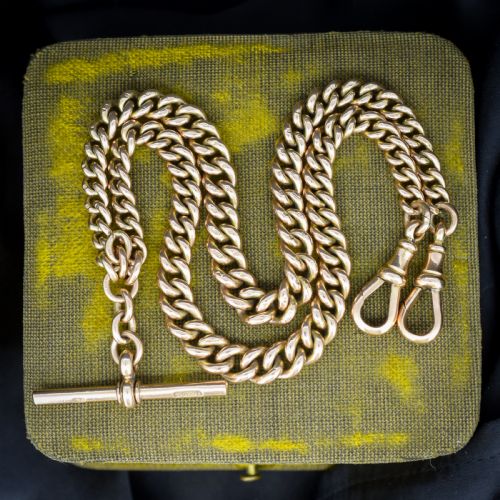
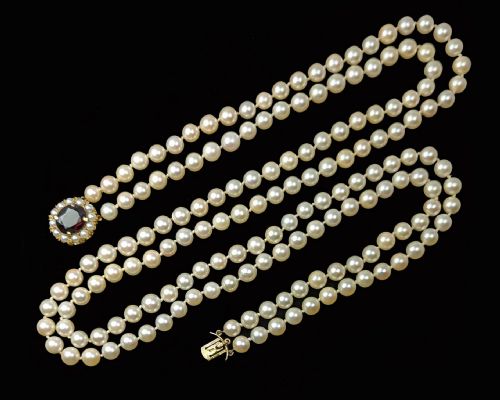
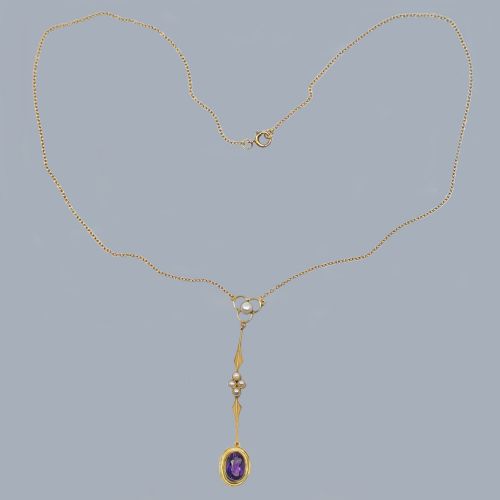
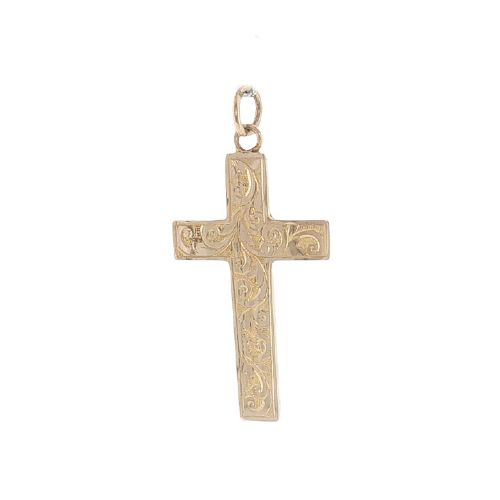
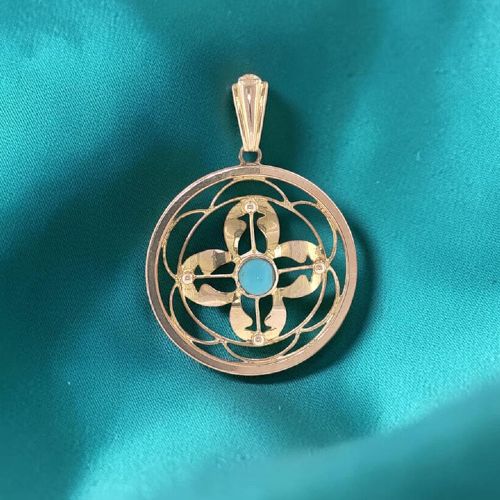
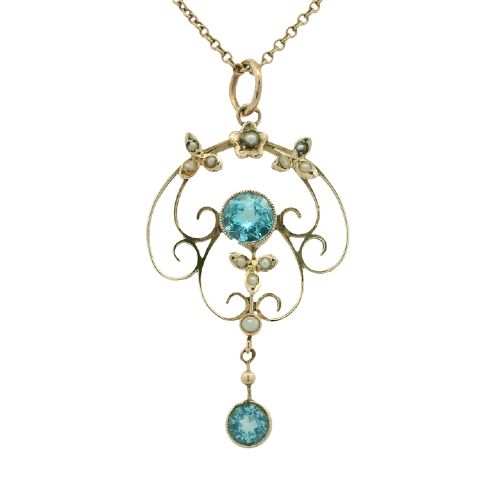
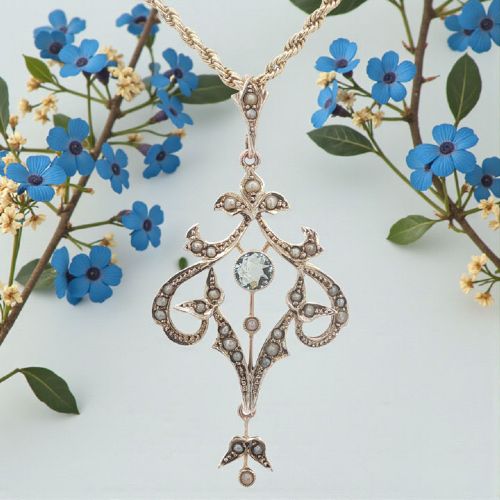
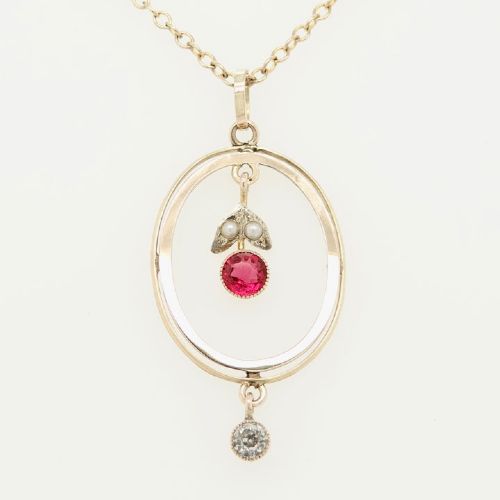
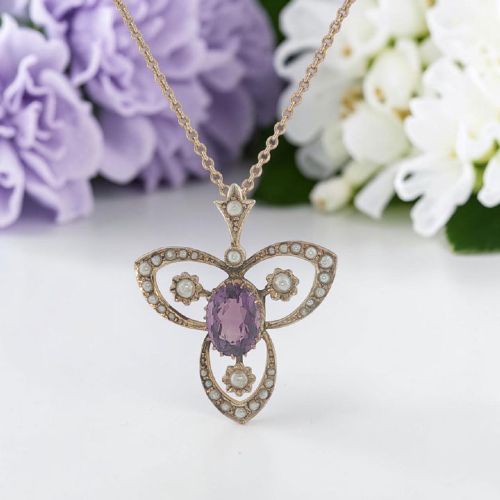
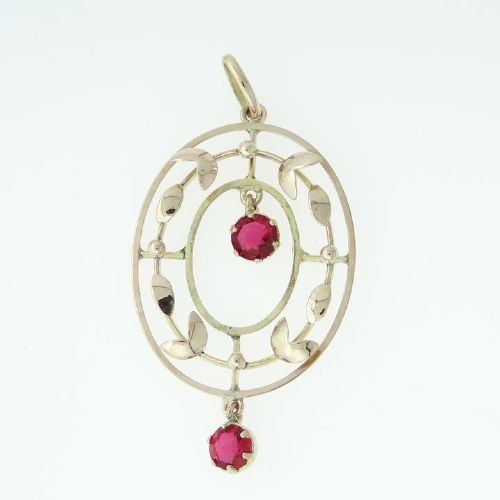
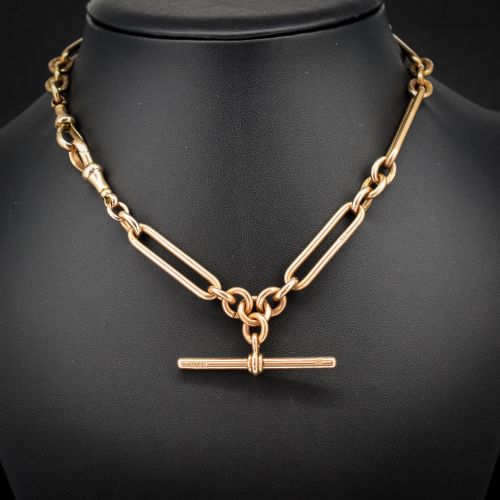
A 9ct yellow gold necklace brings together diverse historical periods from the Victorian era through the mid-twentieth century, including the 1950s and 1960s. Buyers searching for a 9ct yellow gold necklace will encounter varied forms such as oval link chains, Albert chains with dog clips, and intricate pendant necklaces set with stones.
How they were made
These pieces are constructed primarily from 9ct yellow gold, sometimes paired with platinum sections in Edwardian examples. Chains utilise traditional link configurations like oval links and Figaro patterns, often finished with functional elements such as dog clips and T-bars.
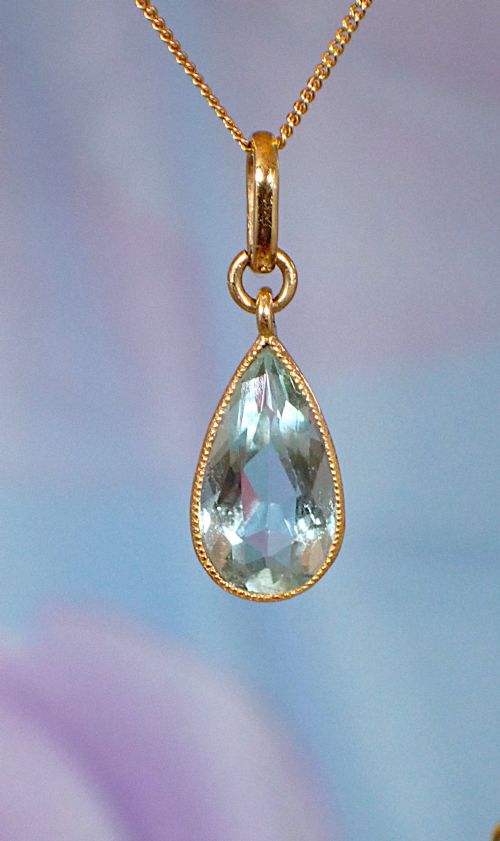
Gemstones including diamonds, pearls, amethysts, rubies, sapphires, and opals are integrated into pendants using claw, bezel, and cluster settings. Workmanship ranges from heavy Victorian heavy gauge chains to delicate Edwardian bow and heart drops.
Retail Price Guide 2026
Typical UK retail prices for 9ct yellow gold necklace, calculated from the Sellingantiques database of over a million retail prices indexed since 2003. This retail price guide relies exclusively on Sellingantiques data; no external sources or auction records are used, so the figures do not describe the wider market.
Some heavier pieces weigh over forty grams, reminding us that pocket watch chains were built to endure serious daily movement.
What varies in quality
Quality in these pieces rests upon the integrity of the gold work and the presence of original components like dog clips and matching links. Substantial weight in functional chains, such as Albert double dog clip designs, distinguishes utilitarian pieces from lighter everyday items.
The distinction between standard commercial production and finer jewellery lies in the selection and setting of gemstones, such as matched diamonds, natural opals, and well-cut rubies or amethysts. Period-specific hand-finishing and intact original configurations elevate the overall character of the piece.
The 9ct Yellow Gold Necklace Glossary
- 9ct Yellow Gold
- An alloy containing thirty-seven point five percent gold mixed with other metals to produce a durable yellow hue suitable for jewellery. This alloy was widely utilised across the Victorian, Edwardian, and mid-century periods.
- Dog Clip
- A spring-loaded swivel fastening commonly found on watch chains and heavy necklaces. It allows the wearer to secure pendants or attach the chain securely to clothing or other links.
- Albert Chain
- A short or long heavy chain originally designed to secure a pocket watch to a waistcoat or jacket. In modern contexts, these substantial chains are frequently worn as necklaces.
- Negligee Chain Necklace
- A drop necklace style popular in the Edwardian and Art Nouveau periods featuring asymmetrical or dangling components suspended from a central chain. They often incorporate pearls and small diamonds.
- Cluster Pendant
- A jewellery setting where a central gemstone is surrounded by a cluster of smaller stones, frequently diamonds or seed pearls. This technique maximises the visual impact of the centre stone.
Frequently Asked Questions
What is the difference between Victorian and 1950s pendant necklaces?
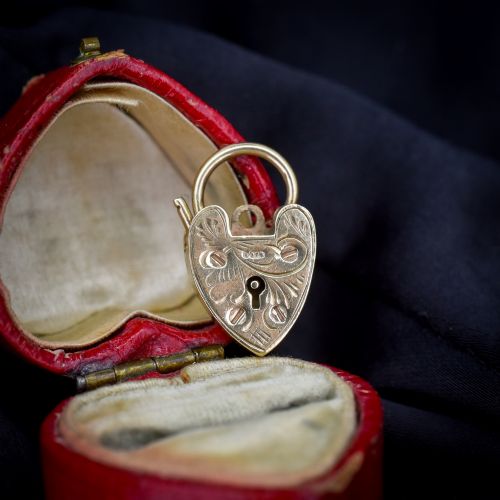
Victorian pendant necklaces often focus on sentimental motifs like hearts, bows, and natural stones such as seed pearls and opals. They frequently utilise heavier yellow gold links and hand-wrought details.
Mid-century pieces from the 1950s and 1960s tend to streamline the design, focusing on clean diamond and gemstone drops with minimal metal distraction.
Are 9ct gold necklaces durable for daily use?
Gold alloyed to 9ct contains a higher proportion of strengthening metals like silver and copper compared to higher karat standards. This makes the metal harder and highly resistant to everyday knocks and scratches.
Substantial chains from the Victorian and Edwardian periods are particularly robust due to their solid link construction.
How can I identify an Edwardian pendant necklace?
Edwardian jewellery frequently employs platinum settings on top of yellow gold to enhance the brilliance of diamonds and pearls. Designs are typically light, airy, and incorporate delicate motifs like garlands, swags, and drops.
The use of cultured pearls alongside old-cut diamonds is also a strong indicator of this period.