


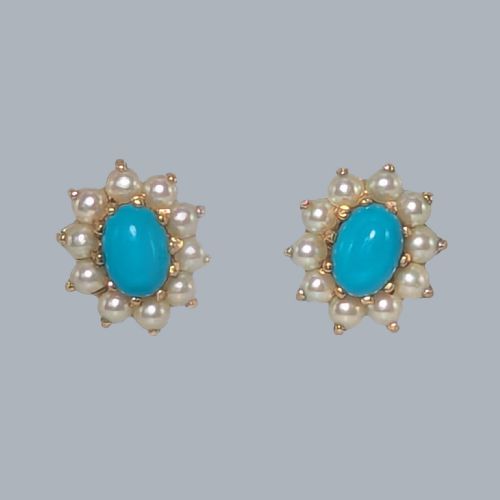


9ct Gold Studs
These 9ct gold studs are wearable pieces of history spanning the Victorian era through to the mid-twentieth century, offering classic charm for daily wear.
9ct Gold Studs
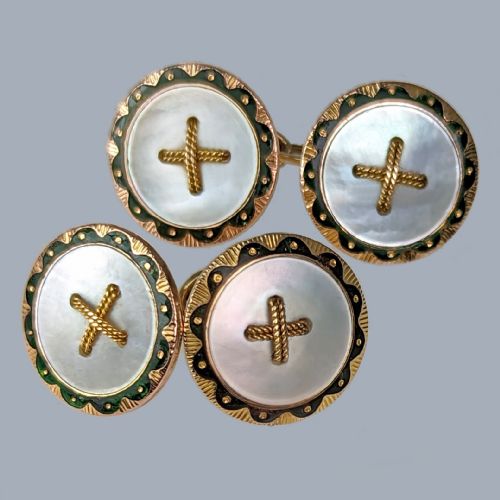
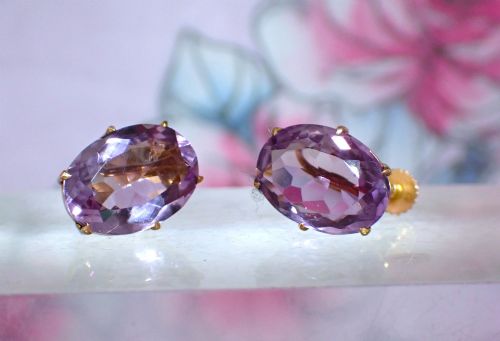
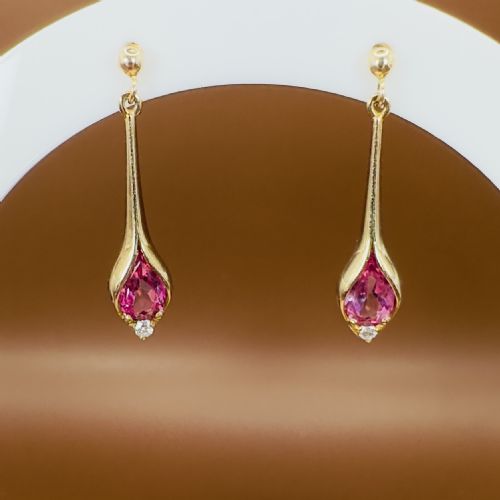
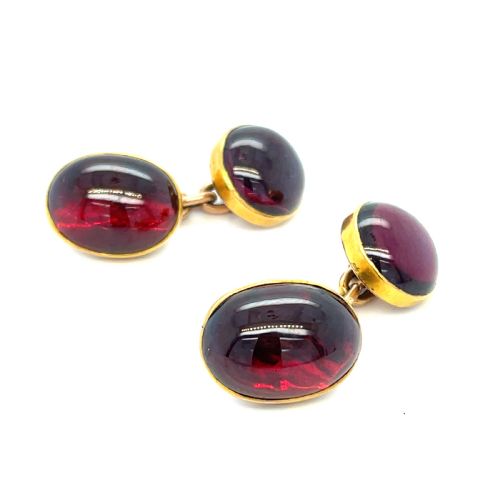
When searching for 9ct gold studs, collectors encounter a diverse array of earrings and cufflinks spanning periods from the Victorian era through the Edwardian period to mid-century modernism. These pieces incorporate various forms including standard stud earrings, drop stud earrings, and cluster configurations designed to sit close to the lobe or cuff.
The selections on this page lean heavily towards mid-century designs from the 1950s and 1960s, alongside older Victorian and Edwardian examples. Alongside traditional yellow gold, items occasionally feature white gold or rose gold mountings set with an extensive variety of stones.
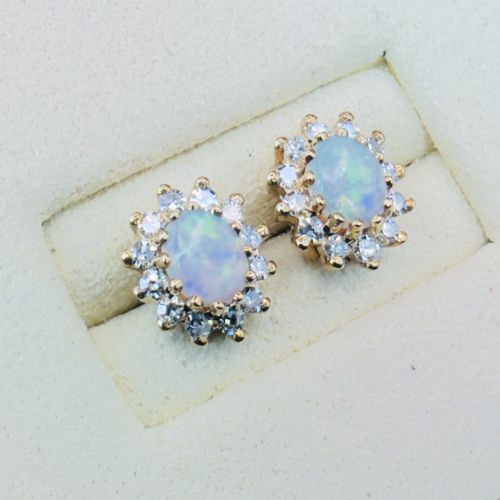
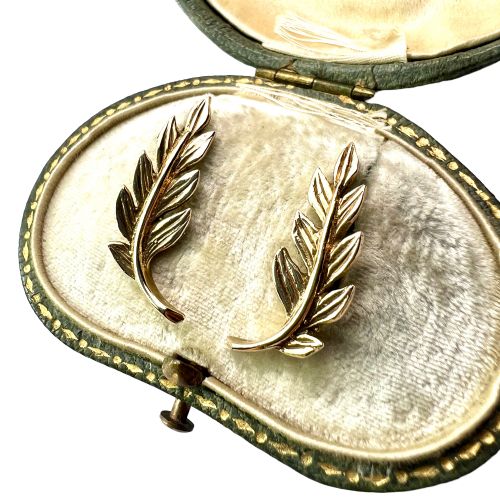
The inventory ranges from simple solitaire configurations to elaborate cluster and drop styles featuring floral motifs, laurel leaves, and geometric frames. Buyers find both screw-back and standard post fastenings across the eras represented in the collection.
How they were made
The construction of these items relies predominantly on nine-carat yellow, white, and rose gold fashioned into bezels, claws, and filigree wirework to secure the stones. Goldsmiths utilised traditional casting, stamping, and hand-assembly techniques appropriate to each respective period, from Victorian cluster settings to mid-century modernist drops.
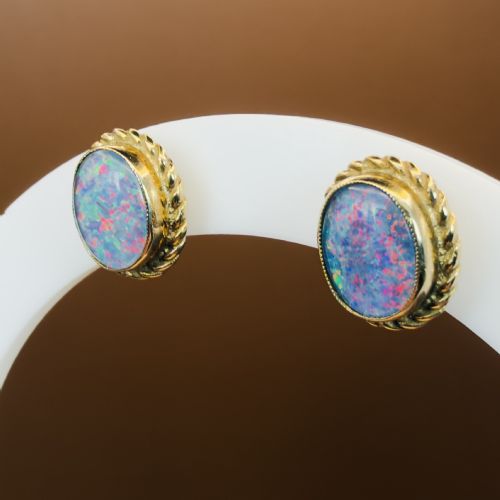
Gemstones including diamond, garnet, amethyst, opal, pearl, and turquoise are integrated into the gold structures through prong settings, cluster arrangements, or bezel mounts. Details such as screw mechanisms on backs and specific Birmingham or London hallmarks provide evidence of period manufacturing methods.
What varies in quality
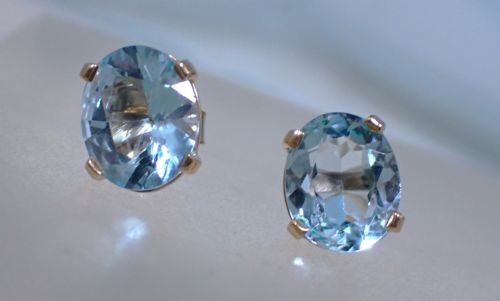
Quality in these pieces is dictated by the fineness of the stone-setting work and the depth of the gold fabrication. Superior examples demonstrate secure stone integration, whether through precise claw settings on faceted gems like rubies and topazes or careful mounting of delicate pearls and opals.
The artistry of the design also distinguishes finer pieces, such as intricate filigree work, balanced cluster arrangements, and well-executed laurel leaf motifs. Maker marks, clear hallmarking, and the preservation of original screw backs or fastenings add distinct merit to individual items.
Solomon Blanckensee Son
The 9ct Gold Studs Glossary
- Cabochon
- A gemstone shaped and polished with a smooth, rounded surface rather than faceted. This style is frequently seen on opals, garnets, and amethysts within the collection.
- Cluster
- An arrangement of multiple gemstones grouped closely together, often surrounding a central stone to form a floral or geometric pattern.
- Filigree
- Ornamental work consisting of fine, twisted gold wire soldered together in open patterns. It creates delicate, lace-like frames around gemstones.
- Doublet
- A composite gemstone made of two joined sections, commonly seen in the opals listed here. It layers a thin slice of precious opal over a darker backing material.
- Hallmark
- An official stamp applied by an assay office indicating the purity of the gold metal, such as nine-carat, along with maker and date marks.
9ct Gold Studs: Frequently Asked Questions
How do I date 9ct gold studs?
Dating relies on hallmarks, maker marks, and stylistic clues inherent to the design and setting techniques. Pieces from the Victorian and Edwardian eras often display distinct floral clusters or heavy garnets, whereas 1950s and 1960s examples tend towards modernist lines and specific gemstone combinations.
Examining the fastenings also assists, as screw-backs and specific post types correspond to mid-century manufacturing standards. Comparing the gallery work against known period benchmarks clarifies the era of production.
Are screw-back earrings difficult to use?
Screw-back fasteners require a simple twisting motion to secure the fitting along a threaded post. They provide a reliable hold for lobes without traditional pierced holes or for heavier drop designs.
Wearers quickly adapt to adjusting the tension manually. This mechanism is particularly characteristic of mid-century and earlier earring construction.
How should I clean vintage gold studs?
Gentle cleaning with warm water, mild soap, and a soft brush maintains the polish of the gold and the clarity of the stones. Care must be taken with organic gems like pearls and opals, which are sensitive to harsh chemicals and excessive soaking.
Allowing the items to dry thoroughly before storage prevents moisture damage to the settings. Professional inspection is advisable for antique claw-set stones to ensure security.