


9ct Gold Dangle Earrings
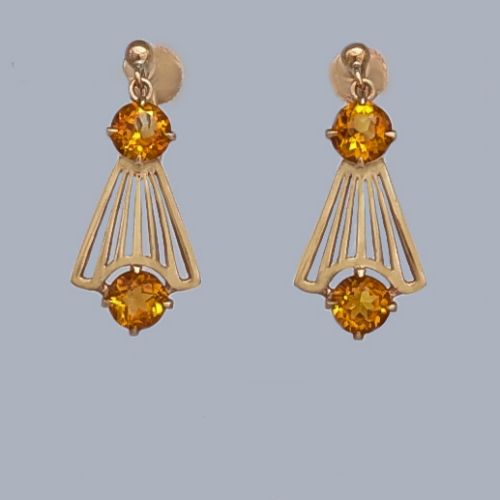
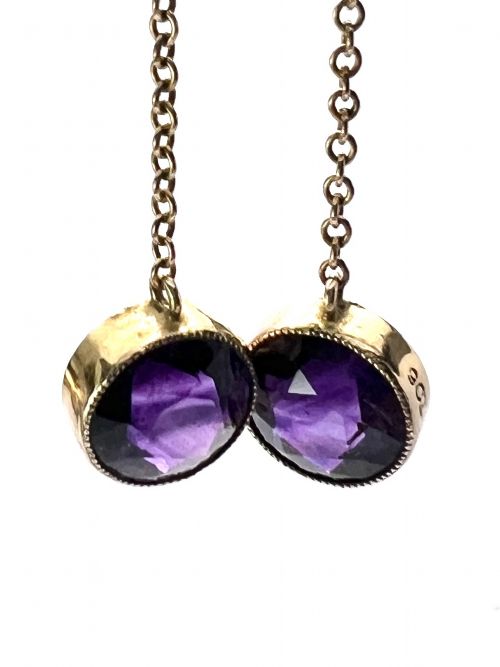
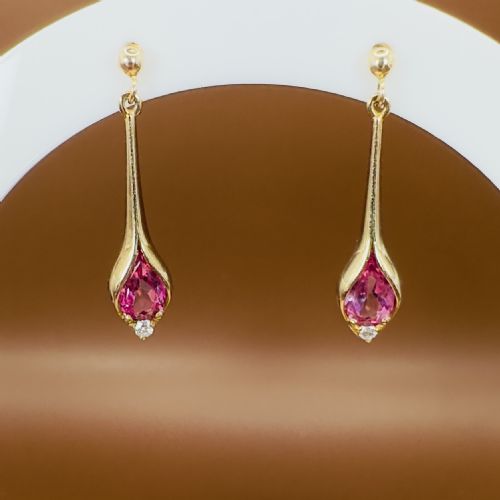
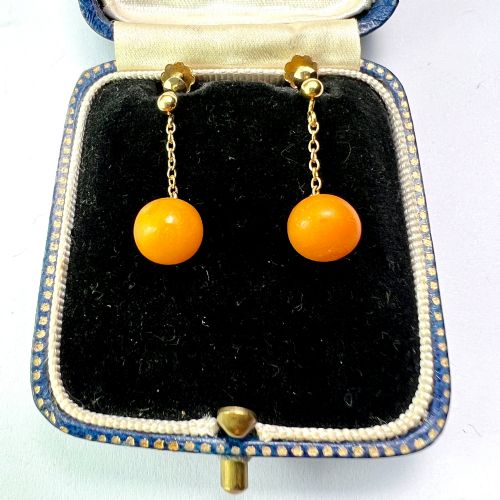
These 9ct gold dangle earrings combine precious metal with swinging stones and drops across multiple historic periods.

9ct Gold Dangle Earrings
When you search for 9ct gold dangle earrings, you encounter swinging drop forms suspended from hooks, hinges, or posts. The pieces span from the nineteenth century into the twentieth century, encompassing Victorian, Edwardian, Art Deco, and mid-century designs.
You are most likely to meet examples featuring gemstones like amethyst, garnet, pearl, and aquamarine mounted in yellow or white 9ct gold. These range from simple chain drops and cluster studs to ornate articulated tassels and day-to-night configurations.
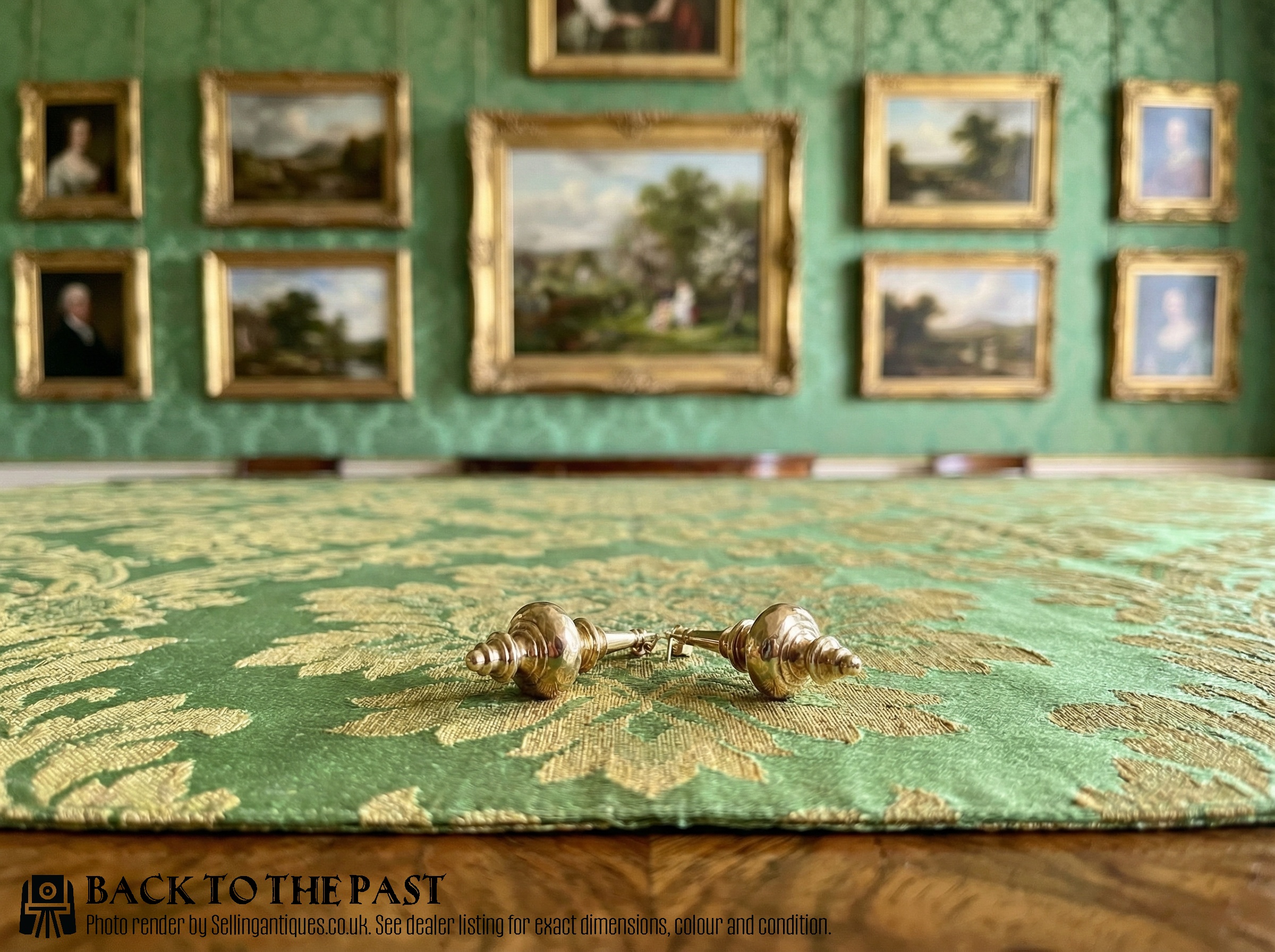
How they were made
The construction relies primarily on 9ct yellow gold and 9ct white gold, shaped into chains, wire hooks, and hinged lever backs. Metalwork techniques include foxtail chains, filigree, and cast mounts that secure dangling elements.
Gemstones such as faceted amethysts, garnets, topazes, and sapphires are combined with organic materials like pearls, coral, amber, and shell cameos. Stones are secured in settings ranging from simple bezels to diamond-accented clusters.
9ct Gold Dangle Earrings Retail Price Guide 2026
Typical asking prices for 9ct gold dangle earrings among the pieces listed under this phrase on Sellingantiques today, from the lower quarter to the upper quarter. They describe what is for sale here now, not the wider market.
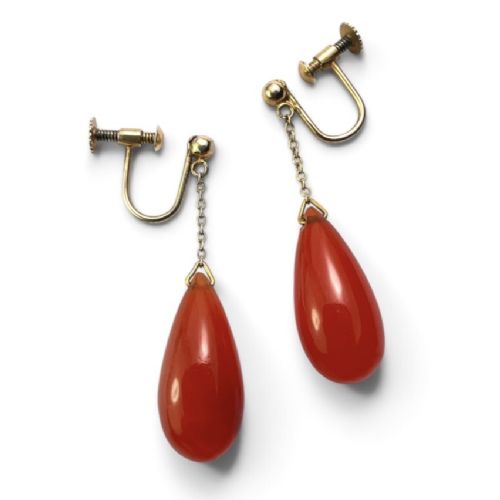
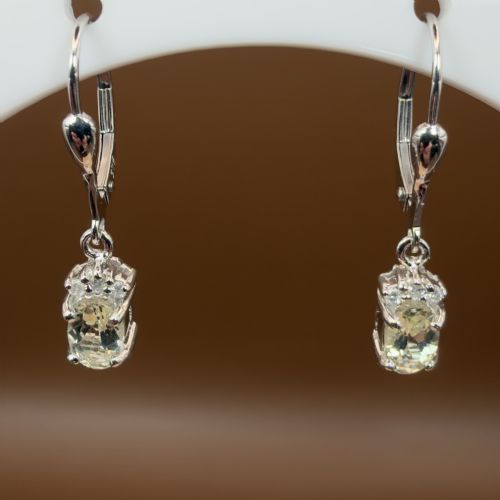
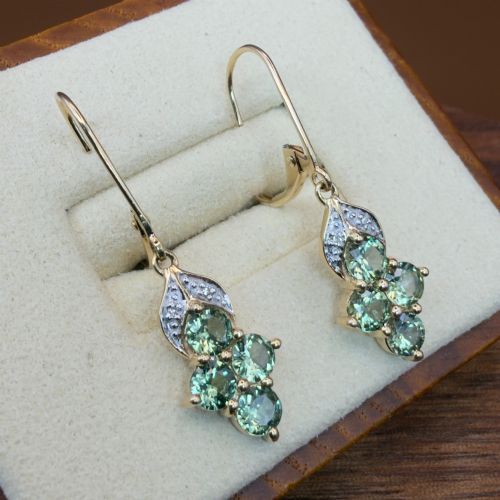
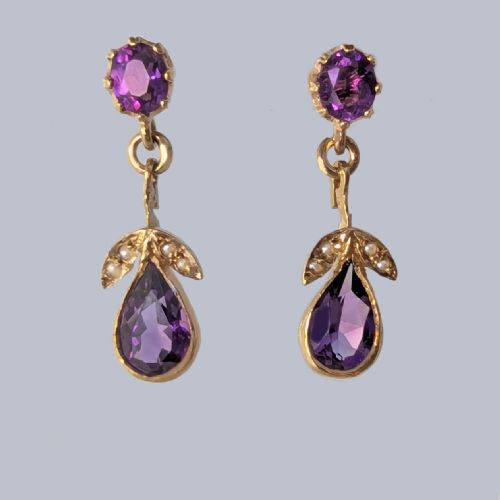
The documented pieces demonstrate a wide range of gemstone cuts, incorporating briolette, pear, oval, and faceted square shapes suspended from 9ct gold.
What varies in quality
The standard of execution depends on the precision of stone cutting and the security of articulated joints. Well-made pairs demonstrate careful matching of stones, such as natural pearls or graduated amethysts, and robust construction in the drop mechanism.
Design complexity also defines the range, separating simple single-stone drops from elaborate multi-tier tassel fringe earrings or Etruscan Revival ornamentation. Hallmarking and original boxes further distinguish the upper tiers of surviving examples.
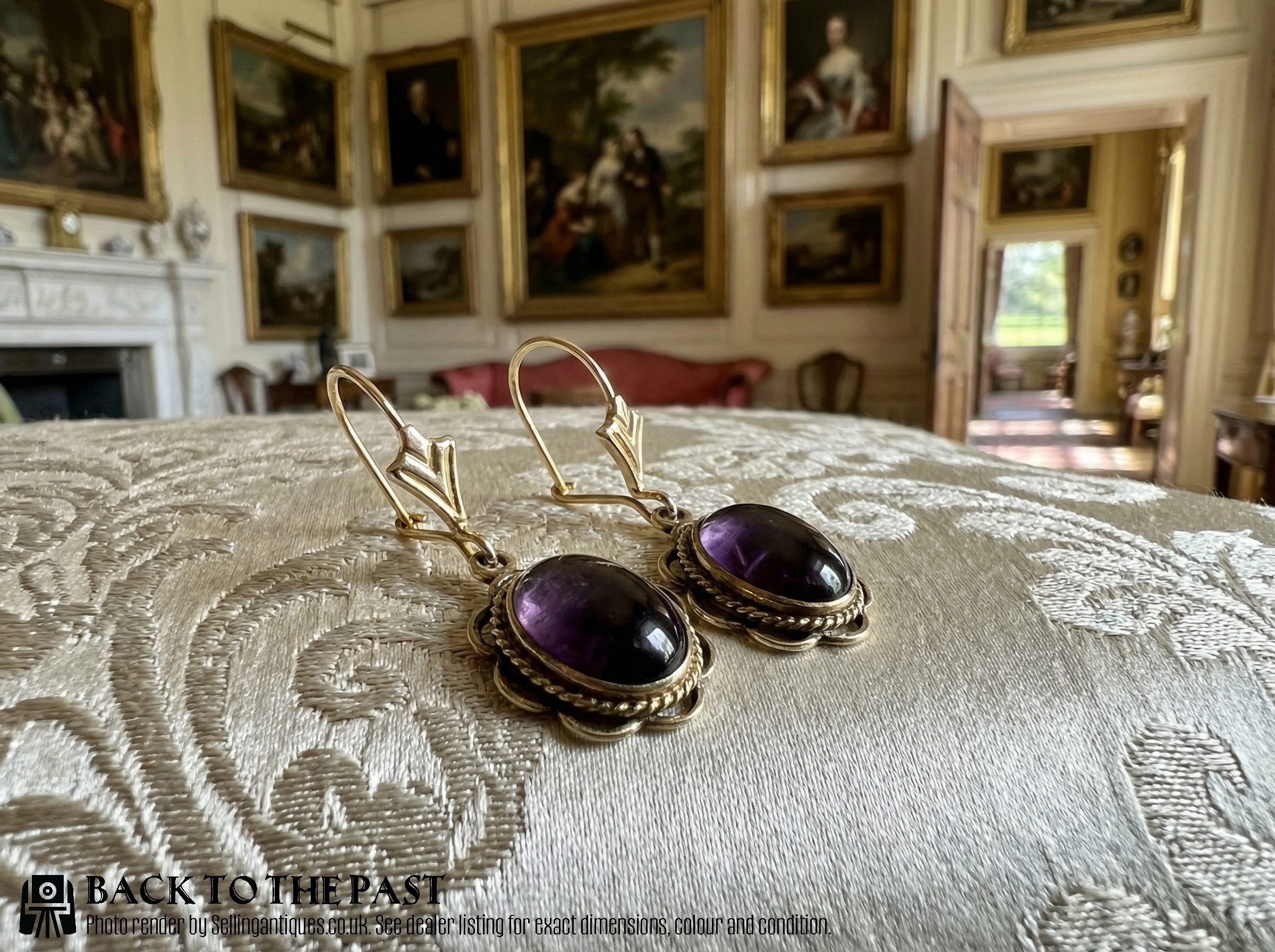
The 9ct Gold Dangle Earrings Glossary
- Dangle
- An earring design where the decorative element hangs below the earlobe and moves freely.
- Articulated
- Constructed with joints or hinges that allow the sections of the drop to move independently.
- Day-to-night
- Convertible earrings designed with removable lower sections for daytime wear, transforming into simpler studs or drops for evening.
- Briolette
- A drop-shaped gemstone faceted entirely with triangular surfaces to catch the light from all angles.
- Tassel
- A fringe of fine chains or metal strands suspended from the main body of the earring.
9ct Gold Dangle Earrings: Frequently Asked Questions
How do I wear dangle earrings safely?
Ensure the hooks or lever backs are secure before fastening them through the earlobe. For heavier articulated or tassel designs, wider backs help distribute the weight comfortably.
Store them individually in soft pouches or a partitioned jewellery box to prevent the hanging drops and chain links from tangling or scratching.
What periods do these earrings come from?
The pieces span from the Georgian and Victorian eras through the Edwardian period and Art Deco years, extending into mid-century and vintage twentieth-century designs.
Earlier Victorian and Edwardian examples often feature delicate chain drops or seed pearls, while mid-century pieces frequently showcase bolder coloured gemstones and structured cluster studs.
How do I clean 9ct gold and gemstone earrings?
Use a soft, dry cloth to gently wipe the 9ct gold metalwork and stones after wearing. Avoid harsh chemical dips, particularly when organic materials like pearls, coral, or amber are present.
For stone-set drops, a damp cloth with mild soap removes surface oils without damaging delicate settings or vintage adhesives used in older pieces.
Are these earrings hollow or solid gold?
Construction methods vary by period and style, encompassing both solid 9ct gold components and hollow-formed elements designed to reduce weight in longer drops. Heavier tassel and cluster designs rely on solid mounts to support the weight of the stones.
Examining the piece for hallmarks and assessing the heft relative to its size reveals how the metal was utilised during manufacturing.