





8 Day Silver Clock
An 8 day silver clock brings mechanical reliability and precious metal casing together across periods from the eighteenth century to Art Deco designs.
8 Day Silver Clock
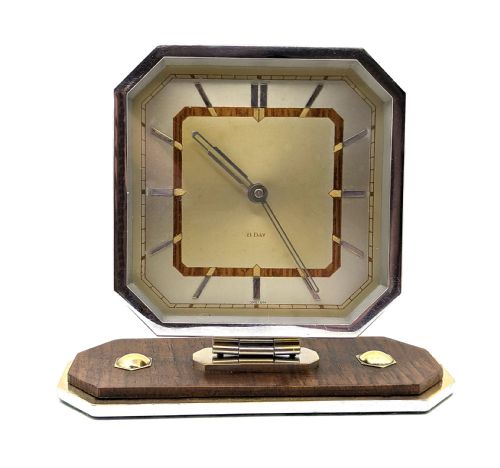
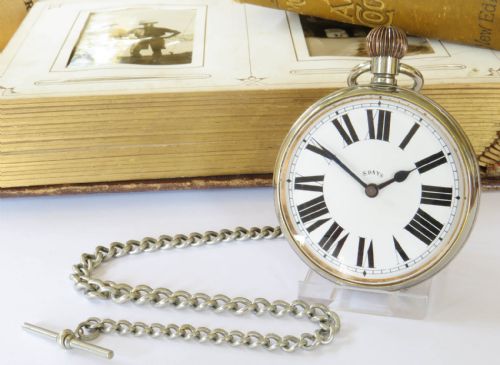
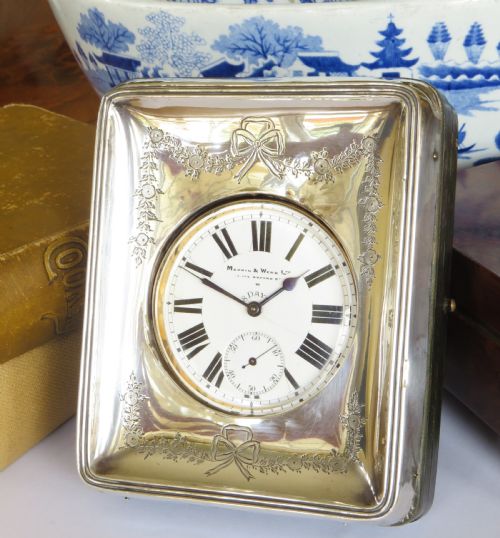
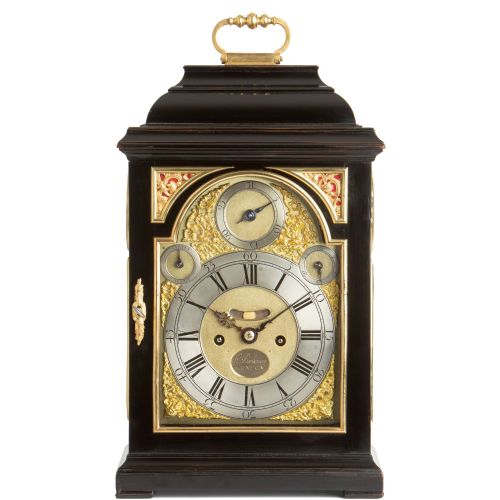
An 8 day silver clock encompasses a range of domestic timepieces, from Georgian longcase clocks and bracket clocks featuring silvered dials to twentieth-century silver-mounted desk clocks and travel watches.
The pieces on this page span several centuries, with the earliest examples originating in the eighteenth century and the later pieces reflecting Edwardian and Art Deco tastes.
Buyers encounter forms that include freestanding longcase clocks, portable pocket watches, mantel clocks, and compact folding travel pieces.
How they were made
Makers housed movements in cases constructed from timber such as mahogany, walnut, and oak, or mounted them in metals including brass, chrome, and solid silver.
Dials frequently incorporate silvered brass plates, often engraved with chapter rings and makers' details, while glass protects the face across desk and travel models.
Listings span multiple eras, encompassing Georgian, Victorian, Edwardian, and Art Deco styles alongside materials like glass, mahogany, and chrome.
What varies in quality
The distinction between tiers rests upon the sophistication of the internal movement, such as fusee mechanisms or specialised escapements, alongside the weight and purity of the silver casing.
Engraving depth on silvered dials and the retention of original components separate standard production pieces from fine workshop creations.
Mappin & Webb·Thwaites of London·Harrods of London·Winterhalder & Hofmeier·Henry Matthews
The 8 Day Silver Clock Glossary
- Fusee
- A conical pulley used in older clocks to maintain even tension on the gear train as the mainspring unwinds.
- Silvered dial
- A brass dial treated with a compound of silver, salt, and cream of tartar to produce a frosted white metallic finish before engraving.
- Bracket clock
- A portable table clock designed originally to sit on a bracket, usually featuring an 8 day movement and striking mechanism.
- Goliath watch
- An oversized pocket watch, often fitted with an 8 day movement, used for travel or desk placement.
- Verge escapement
- An early mechanical escapement regulating the speed of a clock using a crown wheel and balance.
8 Day Silver Clock: Frequently Asked Questions
How do 8 day movements work?
An 8 day movement requires winding roughly once a week to keep the clock running continuously through a spring-driven or weight-driven gear train.
This duration offers a practical balance for domestic timepieces, reducing the frequency of manual winding compared to daily-run clocks.
Where were silver travel clocks used?
Silver travel clocks and folding pocket watches accompanied owners on journeys during the Edwardian and Art Deco periods, designed to sit securely on bedside tables or hotel desks.
Their robust outer cases protected the delicate internal mechanisms from transit damage.
How to identify a Georgian longcase clock?
Georgian longcase clocks stand tall in wooden cases of mahogany or oak, housing brass or silvered arch dials that record hours and minutes.
These floor-standing pieces often feature visible maker signatures inscribed directly onto the dial face.
How to care for a silver clock case?
Silver cases benefit from occasional gentle cleaning with a soft cloth to maintain the polished finish without wearing down hallmarks or engraved details.
Mechanical movements inside require professional servicing every few years to keep the gear trains functioning properly.