
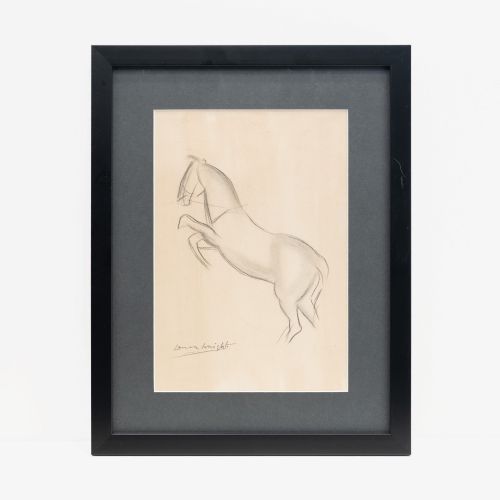
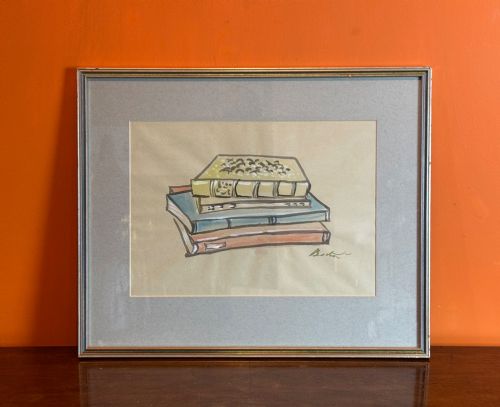


20th Century Sketch
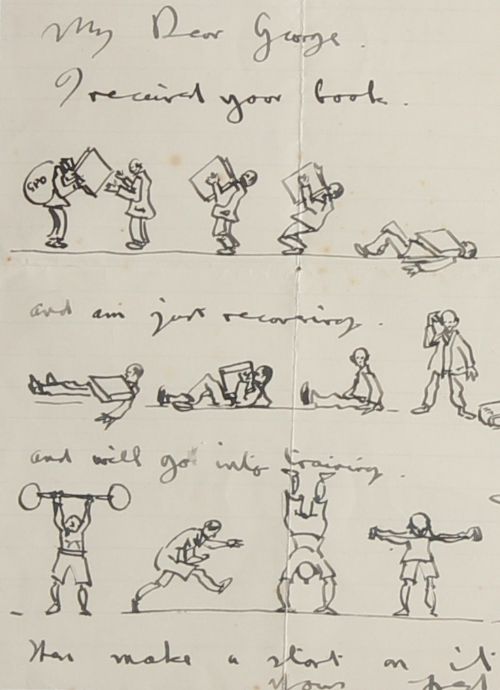
When collectors seek a 20th century sketch, they want immediate contact with an artist's hand through rapid lines and intimate studies on paper.
20th Century Sketch
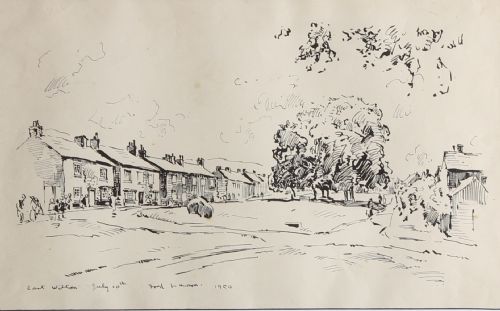
A 20th century sketch captures the direct observation of artists working across the Edwardian era through to the mid-century decades, offering insight into their foundational working methods.
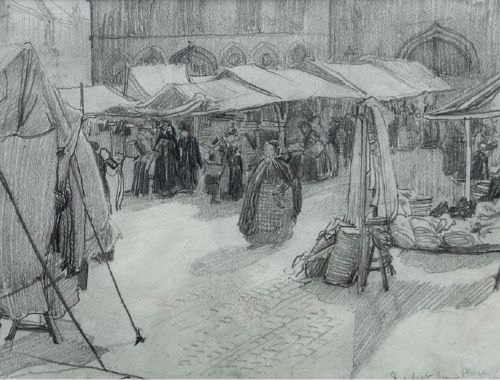
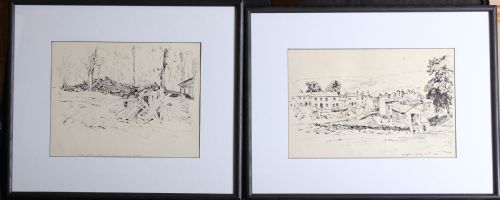
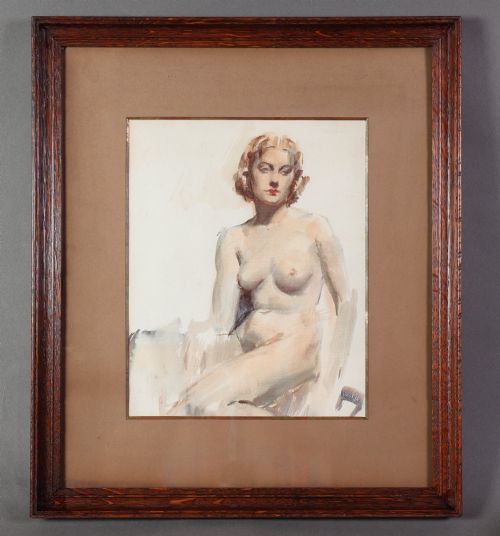
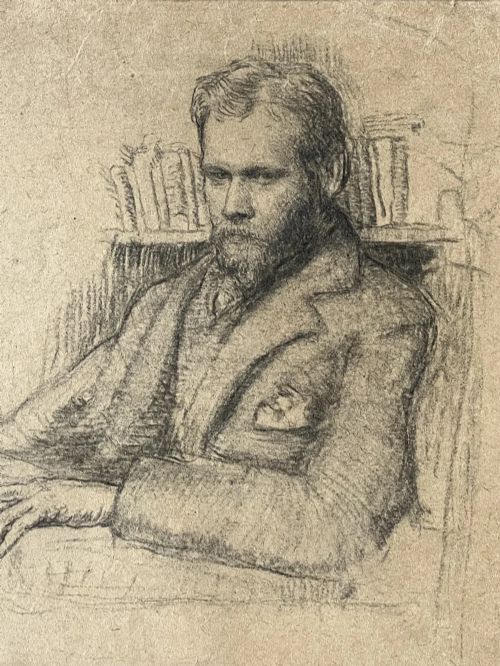
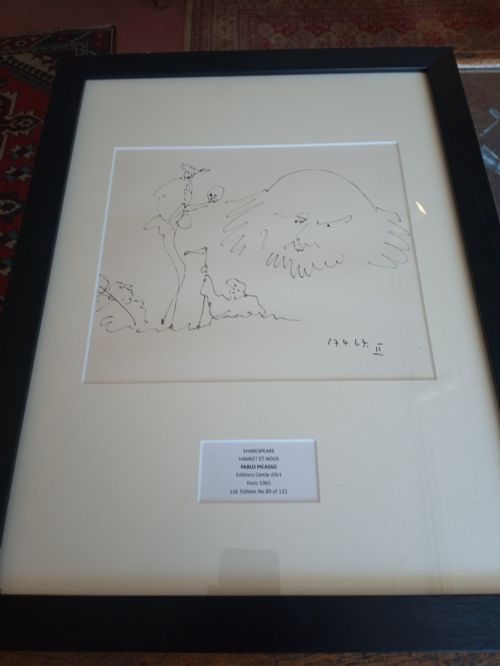
Buyers frequently encounter works on paper executed in graphite, pencil, ink, and charcoal, ranging from rapid landscape recordings to detailed life studies.
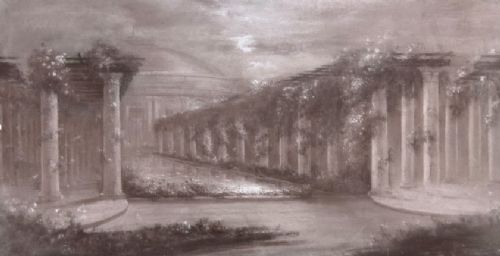
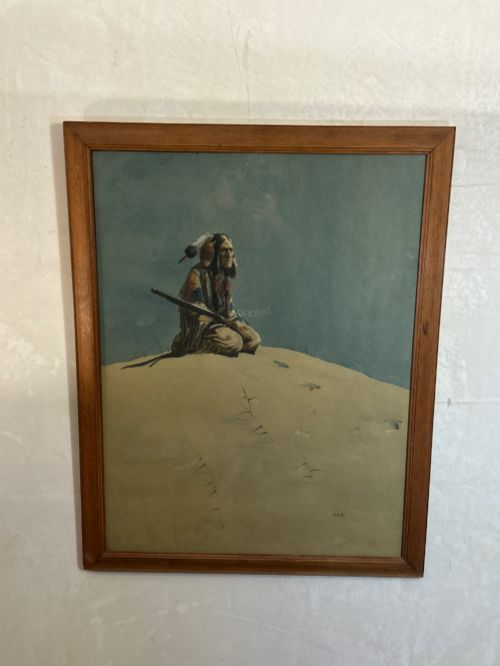
The selections span framed original artwork, portraits, and townscapes produced within Modern British, Tonalist, and early modernist idioms.
Materials and technique
These works rely on traditional supports of paper, occasionally attached to canvas stretchers, combined with fluid mediums such as watercolour, ink, and gouache.
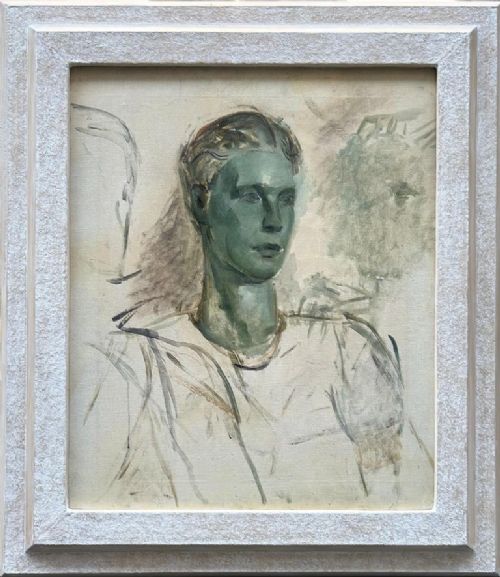
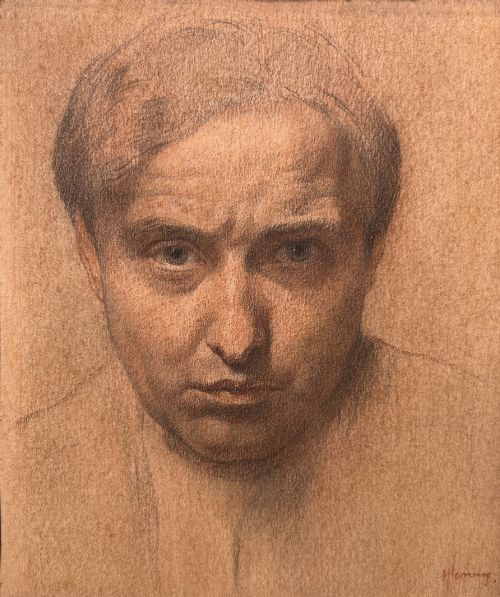
Draftsmanship is achieved through graphite, charcoal, and chalk, capturing form with rapid hatching, tonal shading, and minimal preliminary lines.
Listings feature works created across the Edwardian period, 1910, 1920, 1930, 1940, 1950, and 1960.
Distinctions in quality
Quality rests upon the confidence of the hand, where decisive line economy distinguishes a master study from a hesitant student exercise.
The relationship between the subject and the page determines the success of the piece, with expressive immediacy holding greater value than laboured finish.
Fred Lawson·Henry Percy Huggill·John Hassall·Augustus John·James Stroudley·Oilver Messel·Herbert Johnson Harvey·Dame Laura Knight·Cecil Beaton·George F Pennington·Demetrios Galanis·Raoul Millais·YA MING·Denis William Reed·Lawrence Stephen Lowry·Winifred Eugene Ballard·John Duncan Fergusson·Maurice Asselin·Reginald G Eves·Faeq Hassan·Frank Dobson·George Graham·Harry Epworth Allen·Bert Thomas·Paul Slater
The 20th Century Sketch Glossary
- Charcoal
- A dry drawing medium made from burnt organic material that allows for deep blacks and broad smudged tones. It is frequently employed for life studies and expressive portraits.
- Watercolour
- A paint consisting of pigment suspended in a water-based solution, applied in translucent washes over pencil guidelines. It offers luminosity and rapid application suitable for plein air landscape recording.
- Graphite
- A crystalline form of carbon encased in wood to form pencils, yielding varied grey tones depending on hardness. Artists utilise it for precise initial mapping and finished tonal drawings.
- Triptych
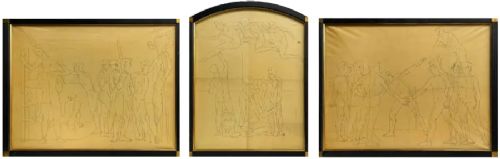
- A work of art divided into three sections or panels hinged or displayed together. In drawing and painting, it presents a continuous or thematic narrative sequence.
- Provenance
- The documented history of ownership of an artwork, establishing its authenticity and previous collections. Prestigious provenance often links a piece to notable exhibitions or museums.
20th Century Sketch: Frequently Asked Questions
What is a 20th century sketch?
A 20th century sketch is an original work on paper capturing rapid observations, preparatory studies, or finished compositions by artists working between 1900 and the 1960s.
These pieces utilise mediums such as pencil, ink, charcoal, and watercolour to record landscapes, portraits, and figure studies with immediate expressive quality.
How should I frame works on paper?
Works on paper require conservation mounting with acid-free materials to prevent discolouration and degradation of the original sheet over time.
Keeping the drawing behind UV-filtering glass protects fragile watercolours and pastel pigments from fading under ambient light exposure.
How do I identify the period of a drawing?
Period identification relies on stylistic clues, artist signatures, paper watermarks, and framing methods associated with movements like Modern British or Edwardian illustration.
Comparing the handling of medium against dated comparative works by the same school or artist provides a reliable chronological anchor.
Were these sketches meant to be finished art?
Many sketches served as preparatory studies for larger oil paintings, murals, or illustrations rather than standalone exhibition pieces.
Collector appreciation often focuses precisely on these unpolished exploratory lines for the intimate glimpse they provide into the artist's creative process.