



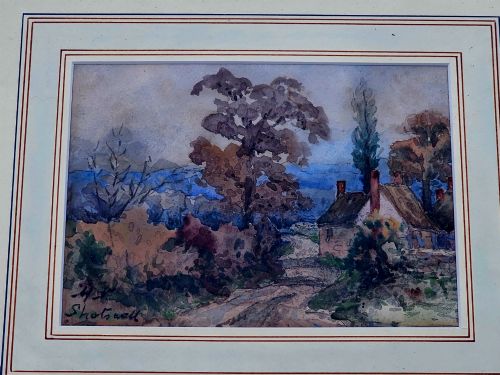
20th Century Original Artwork
When you search for 20th century original artwork, you encounter paintings, drawings, and watercolours spanning Edwardian beginnings through to mid-century modernism.
20th Century Original Artwork
When you search for 20th century original artwork, you encounter unique paintings, watercolours, drawings, and drypoints created across decades of rapid artistic change. The pieces available span early Edwardian landscapes and Impressionist scenes through to Post-Impressionism and Mid-Century Modern compositions.
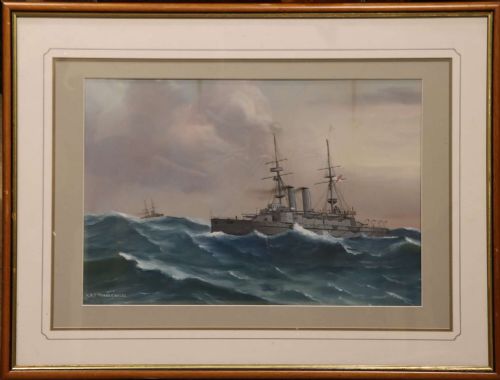
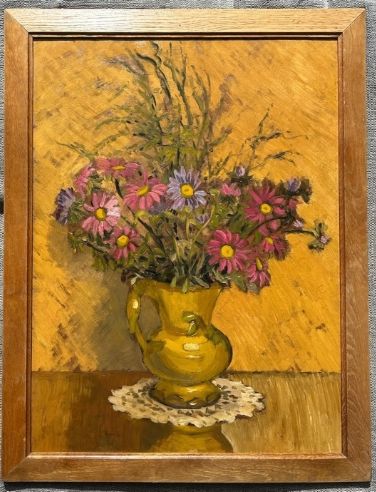
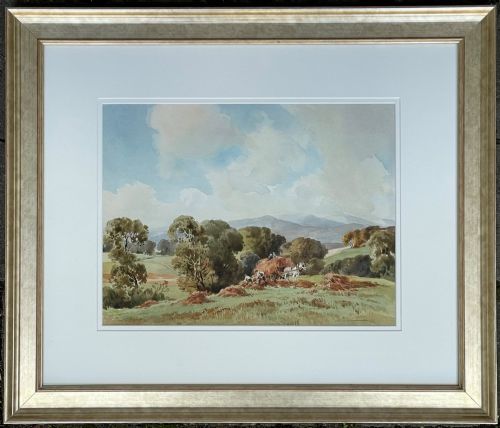
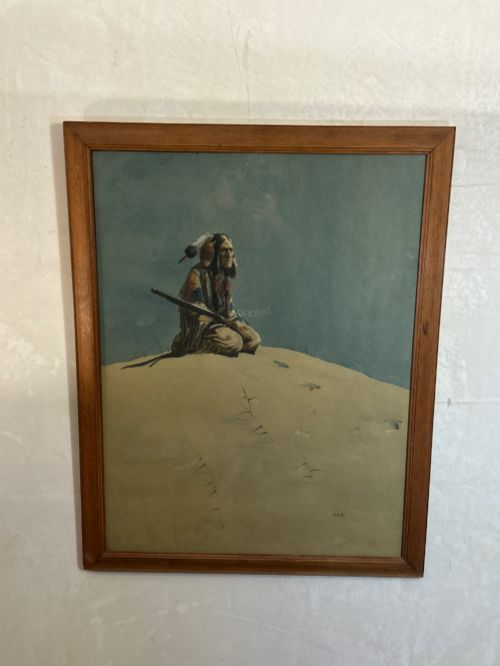
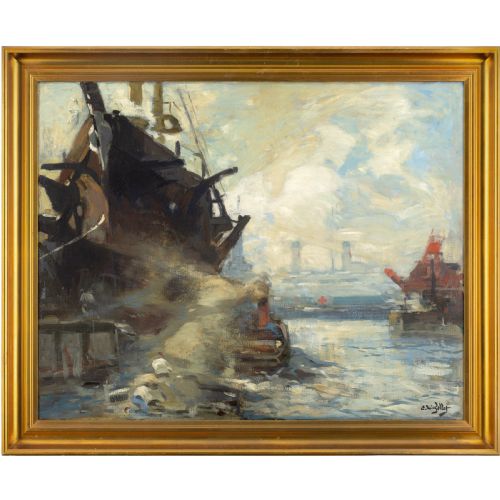
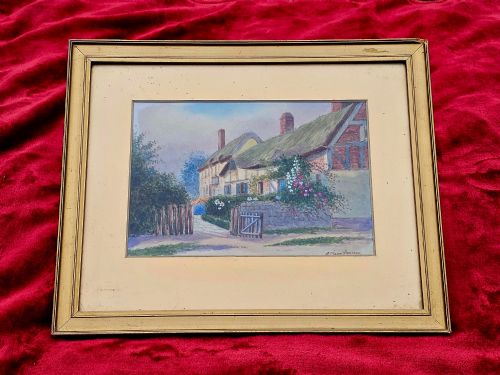
You are most likely to meet works executed on paper, canvas, board, and wood panel by named and regional British and European painters. These range from intimate botanical still lifes and coastal views to maritime watercolours and charcoal sketches.
The material surface often reveals the working method, whether oil applied to canvas stretchers, ink and watercolour washes, or drypoint prints pulled directly from plates. Each item represents a singular creative act rather than a mass-produced reproduction.
How They Were Made
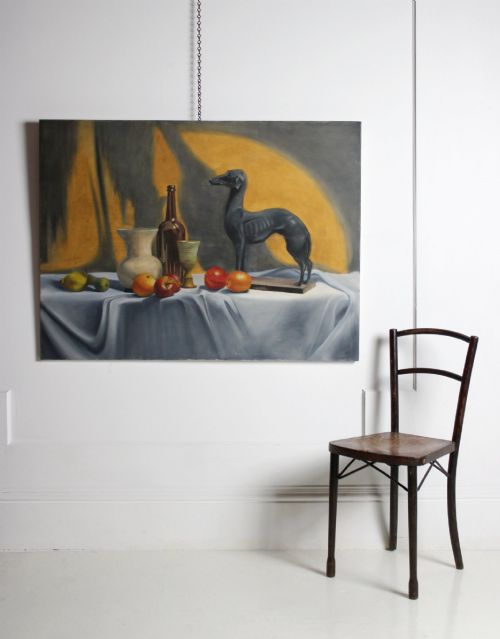
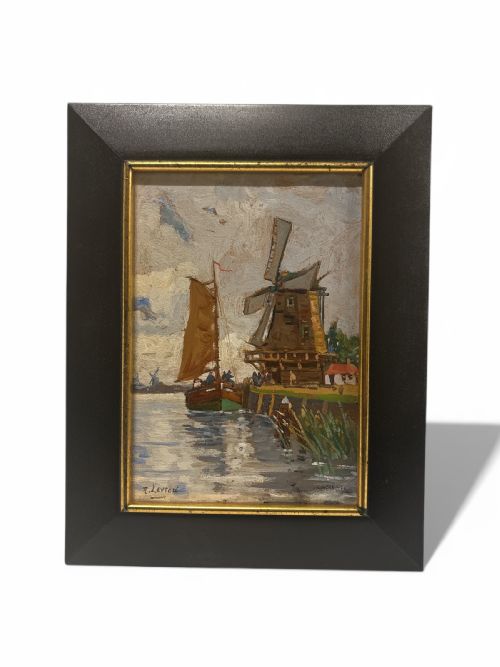
Artists of this era built their compositions using oil paint on canvas, board, or wood panels, alongside watercolours and charcoal on paper. Oil pigments provided rich texture and depth, particularly in mid-century still lifes and landscapes, while watercolours allowed for rapid, fluid application on paper mounted to stretchers.
Support materials varied widely according to the medium, with heavy paper and board frequently serving watercolours, ink drawings, and drypoint prints. Frames often integrated glass to protect delicate paper surfaces from atmospheric moisture and handling.
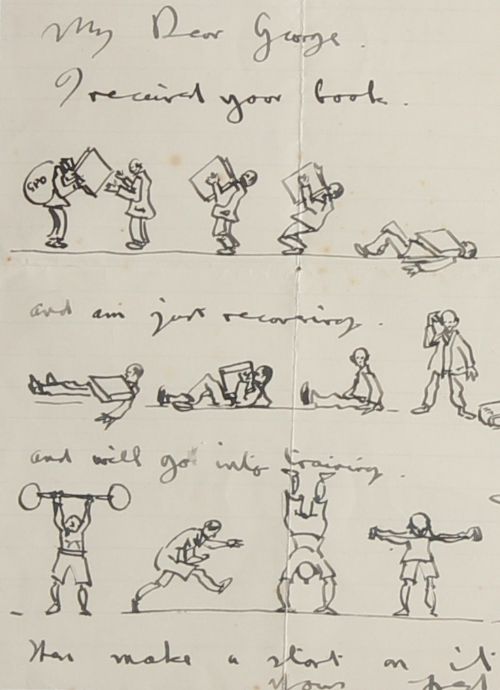
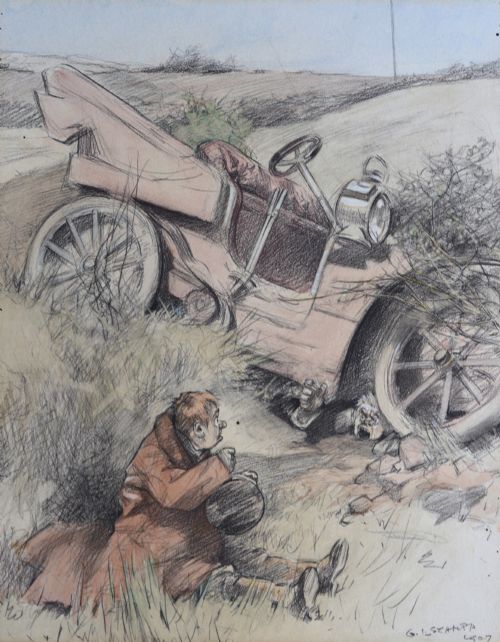
One particularly chatty group of six early caricatures quietly observes viewers from the past.
What Varies in Quality
The standard of an original work rests upon the sureness of the draftsmanship, the handling of light and tone, and the condition of the primary support. Stronger pieces display confident brushwork or precise pencil lines that capture atmosphere and form without hesitation.
Preservation of the original surface significantly influences the standing of a piece, particularly regarding foxing on paper or stable adhesion on canvas and board. Works retained in their period frames with clear signatures or documented exhibition histories command greater attention.
Kenneth Cozens·George Lorain Stampa·Henry Percy Huggill·William H Myers·Tom Campbell·Percy Lancaster·John Hassall·Eugène-Louis Gillot·A Marie Parsons·Robert Leslie Howey·Kershaw Schofield·Charles Edward Dixon·George Houston·John E Aitken·Eric Tufnell·Robert Morson Hughes·Kurt Meyer Eberhardt·Arthur Gué·Muriel Metcalfe·Fred Lawson·Clive Browne·Peter Brannan·Raymond Booth·Francis Plummer·James Stroudley
The 20th Century Original Artwork Glossary
- Canvas stretcher
- A wooden frame that keeps a canvas taut during painting and display.
- Drypoint
- A printmaking technique where an artist scratches an image directly onto a metal plate with a sharp needle.
- Post-Impressionism
- An art movement extending Impressionism while rejecting its limitations, focusing on more symbolic content and heavier structure.
- Foxing
- Brown age spots that appear on paper due to chemical reactions over time.
- Medium
- The material or substance used by an artist to create a work of art, such as oil, watercolour, or charcoal.
20th Century Original Artwork: Frequently Asked Questions
How do I date a 20th century painting?
Dating relies on signatures, artist exhibition records, stylistic markers like Post-Impressionism or Mid-Century Modernism, and framing materials. Inscriptions on the reverse or paper labels often provide specific years.
Analysing the canvas support, board type, and pigment choices alongside known active dates for the maker helps narrow the creation period further.
Are watercolours on this page originals?
Every item listed is a unique original artwork rather than a mass-produced print or reproduction. Watercolours feature hand-applied pigment directly onto paper supports.
Brush textures, pigment pooling, and pencil guidelines beneath the wash distinguish these singular works from mechanical reproductions.
How should I hang original art?
Original paintings and watercolours require placement away from direct sunlight and damp environments to protect canvas, wood panels, and paper. Framing with conservation-grade glass safeguards works on paper from fading.
Secure picture hooks rated for the weight of the wooden frame and canvas stretcher ensure safe wall mounting over time.
What defines Modern British art?
Modern British art encompasses painting and drawing produced in Britain during the twentieth century, absorbing European movements like Impressionism. Artists explored landscapes, maritime scenes, and still lifes with varied modernist interpretations.
Works from this category often reflect regional character, from Scottish highland views to Cumbrian lakes and industrial northern towns.