
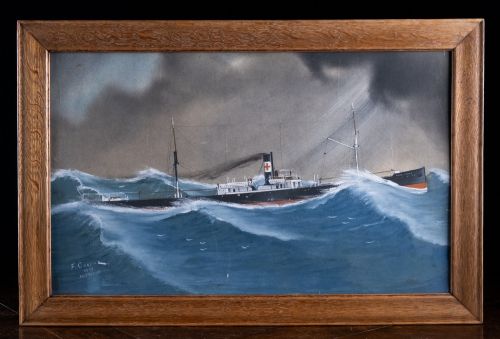
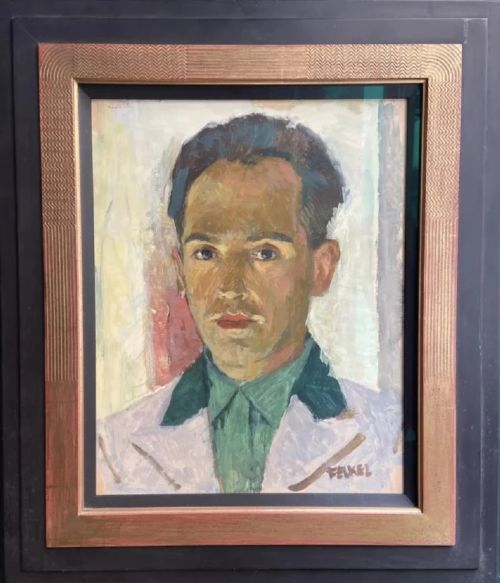
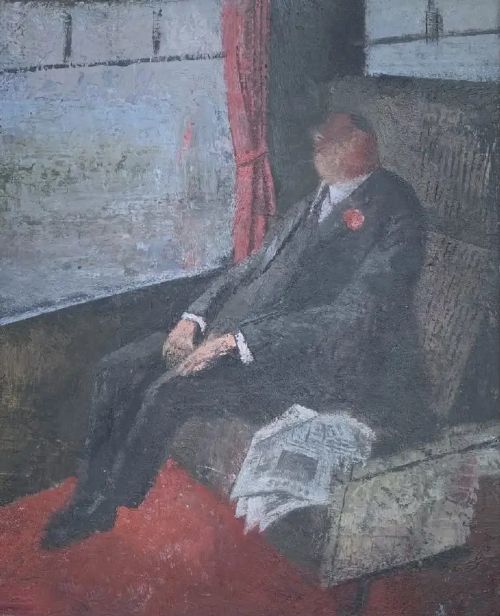
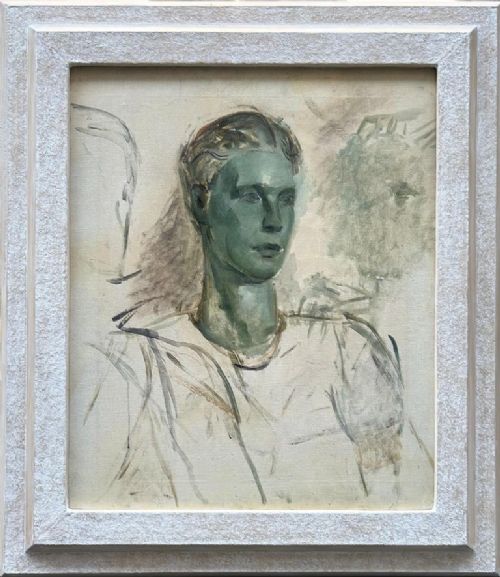
20th Century Oil Portrait
A 20th century oil portrait brings character to a room through expressive brushwork and varied historical subjects.
20th Century Oil Portrait
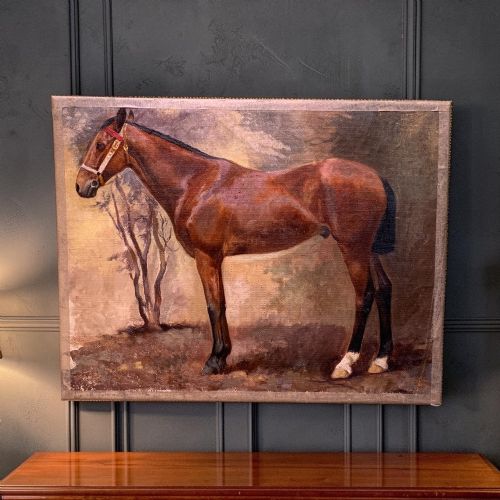
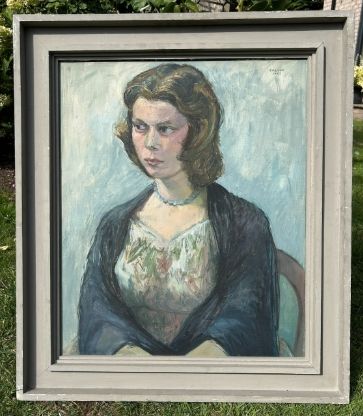
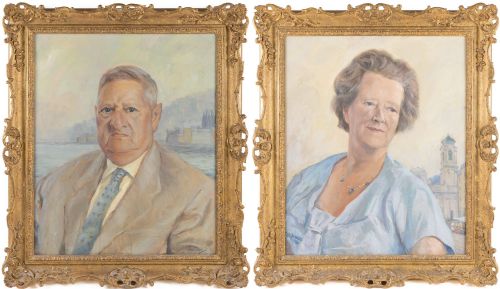
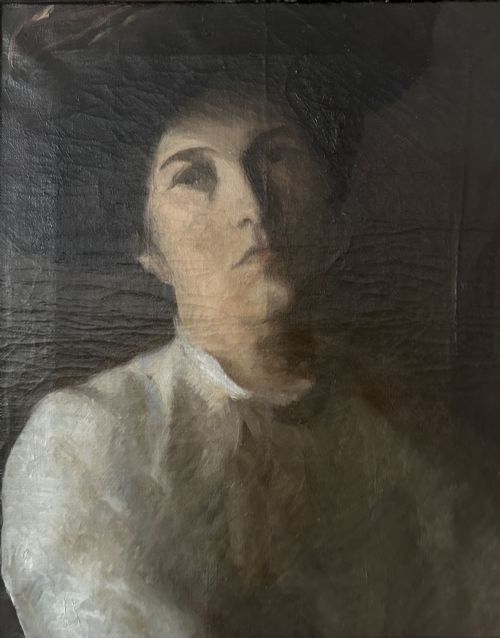
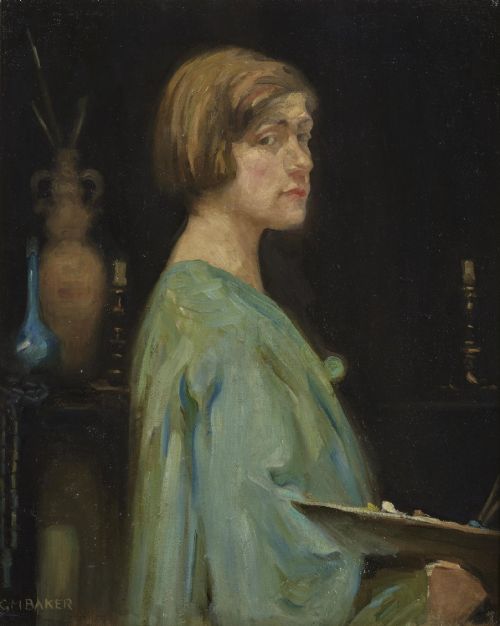
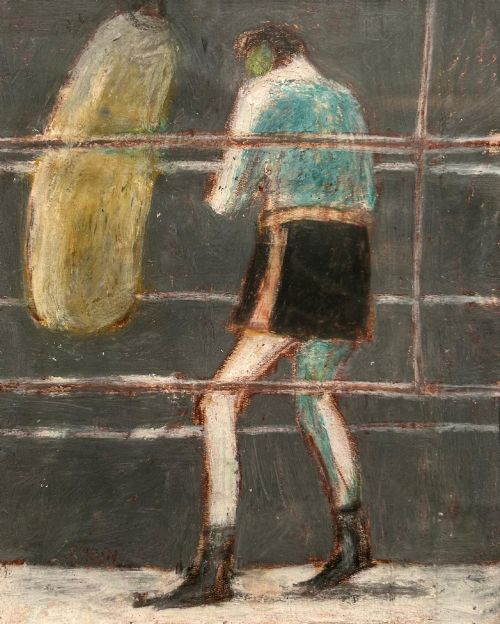
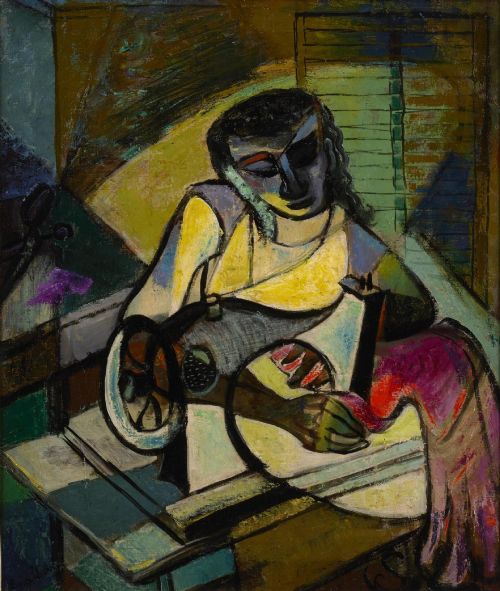
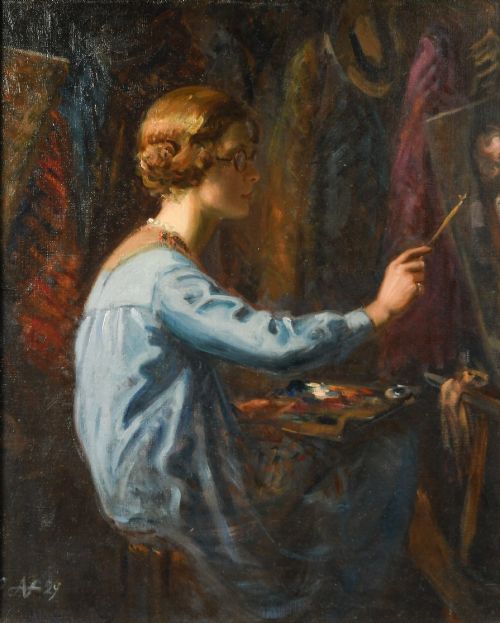
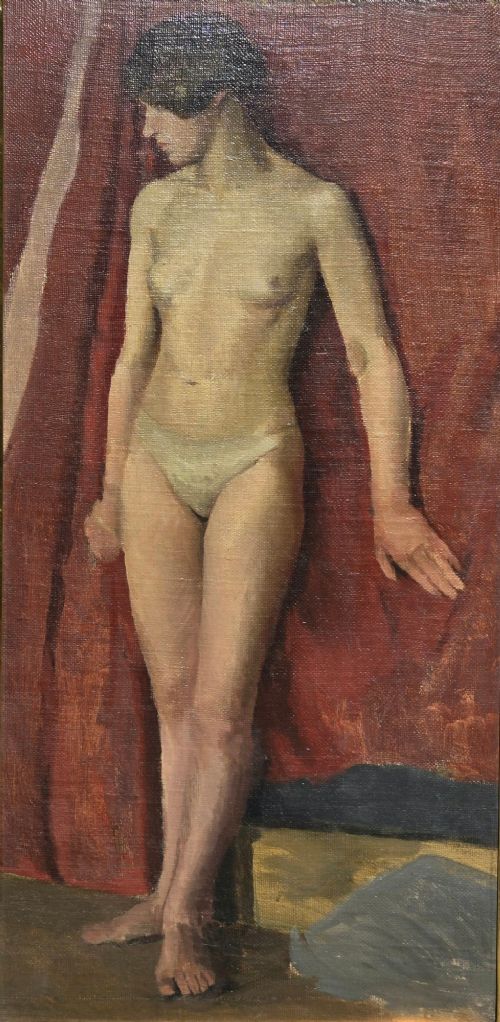
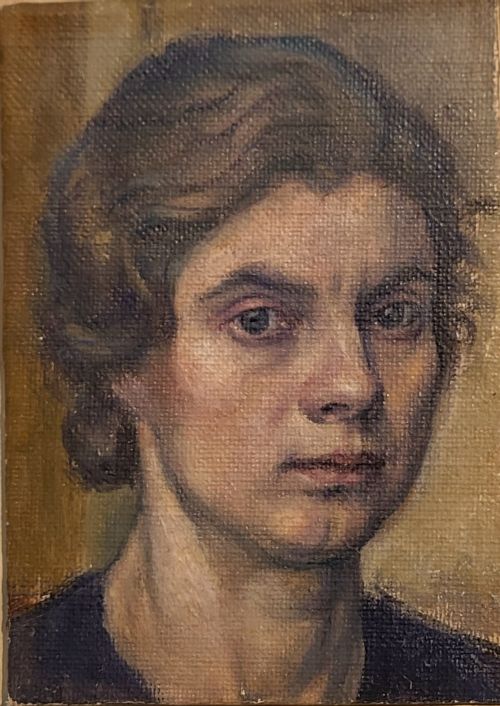
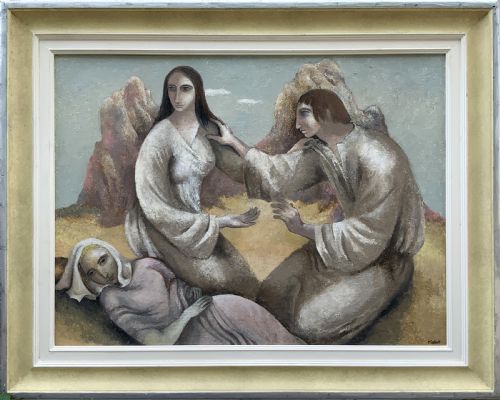
A 20th century oil portrait captures human likeness, animal subjects, and self-representation across decades defined by artistic experimentation and traditional craft. Buyers encounter works ranging from formal Edwardian commissions to expressive mid-century studies and Post-Impressionist canvases.
Most examples originate from the interwar years or mid-century decades, utilising stretcher frames and panel supports that reflect the standard workshop practices of the period.
How They Were Made
Painters applied oil paint onto stretched canvas, wooden board, or artist board, sometimes building thick impasto layers to create physical texture on the surface. Supports were frequently framed in wood with applied gilt and gesso mouldings featuring beaded or swept designs.
Substrates varied from woven linen canvas to rigid wooden panels, occasionally incorporating preparatory layers like gesso to seal the ground before the portrait work began.
Several portraits feature steadfast domestic dogs and cats holding their poses alongside human sitters.
What Varies in Quality
Quality rests in the confidence of the brushwork and the psychological depth the artist achieves within the subject's expression. Superior examples display assured handling of light, shadow, and anatomical structure rather than stiff mechanical rendering.
The integrity of the original frame and the preservation of the pigment layer without extensive overpainting dictate the overall desirability of the piece.
Kenneth Cozens·Carl Felkel·Gladys Marguerite Baker·Samuel Rabin·Lena Gurr·Winifred Rymer·Christine Nesbit·Harold Knight·Charles James McCall·Philip Naviasky·Ronald Ossory Dunlop·Howard Barron·Edouard Julien·Henri Vincent-Anglade·Alexandre-Louis Martin·Attilio Toro·Allan Douglas Davidson·Baruch Shalom Oskotsky
The 20th Century Oil Portrait Glossary
- Impasto
- Paint applied thickly to a surface so that it stands out from the plane. This technique leaves visible brush or palette knife marks that catch the light.
- Gesso
- A paint mixture consisting of a neutral binder mixed with chalk, gypsum, and pigment. It serves as a prepared surface for painting.
- En Grisaille
- Painting executed entirely in shades of grey or another single neutral colour. Artists often used this method to create the illusion of a relief sculpture.
- Post-Impressionism
- An art movement extending the limits of impressionism while rejecting its limitations. Practitioners relied on symbolic colours and heavy geometric brushwork.
- Canvas
- A closely woven fabric used as a surface for oil painting. It is typically stretched tightly across a wooden frame before work commences.
20th Century Oil Portrait: Frequently Asked Questions
How do I date a 20th century oil portrait?
Dating relies on stylistic clues, clothing, hairstyles, and framing techniques characteristic of specific decades from the 1900s through the 1960s.
Signatures, exhibition labels, or inscriptions on the reverse of the canvas or board often provide definitive dates and artist attributions.
Where should I hang an oil portrait?
These paintings suit traditional living spaces, libraries, or hallways where lighting can be controlled to prevent direct glare on the varnished surface.
Keep them away from direct heat sources and strong sunlight to protect the oil pigments and wooden frames over time.
What is the difference between canvas and board supports?
Canvas provides a flexible woven textile surface stretched over a wooden frame, which responds to atmospheric changes by expanding or contracting.
Board offers a rigid wooden or composite panel foundation that prevents the paint layer from flexing or cracking under pressure.
Why are some portraits unsigned?
Many works created by regional schools or academic students were left unsigned because they served as practice studies rather than finished commissions.
Unsigned paintings often receive attribution to a specific national school based on technique, palette choices, and framing styles.