


20th Century Art
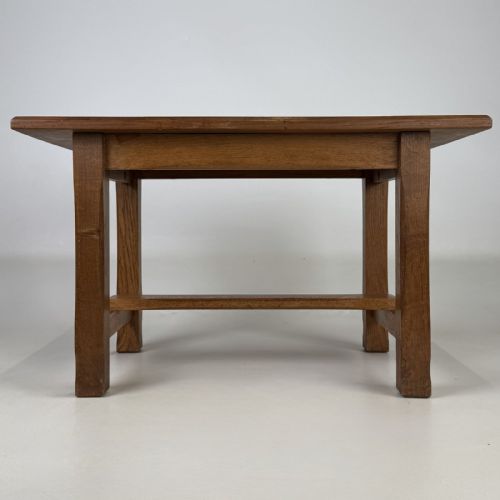
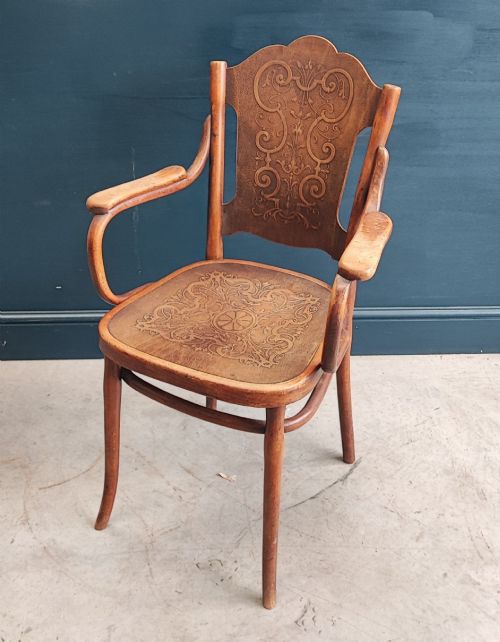
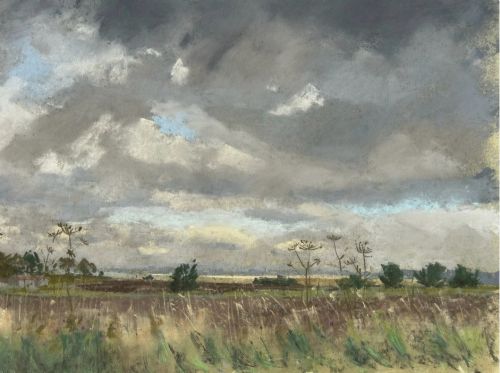
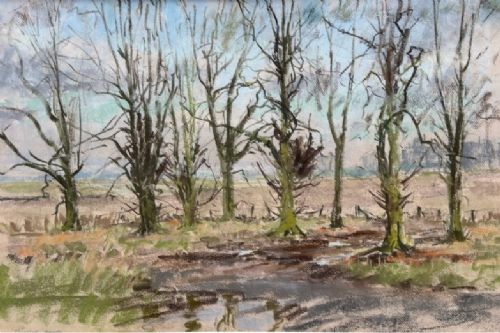
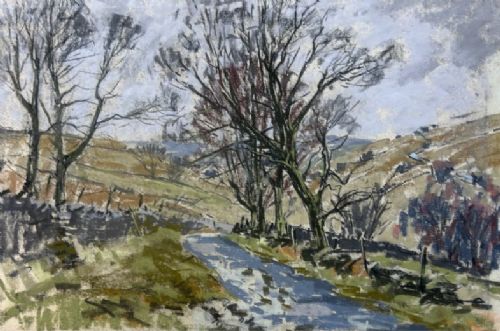
These pieces of 20th century art span decades of painting, carving, and design to bring distinct historical character into a room.
20th Century Art
When you search for 20th century art, you encounter a varied mix of oil paintings, watercolours, drawings, prints, and decorative objects created across several decades. The selection reflects the shifting visual culture of the 1900s, 1910s, 1920s, 1930s, 1940s, 1950s, and 1960s.
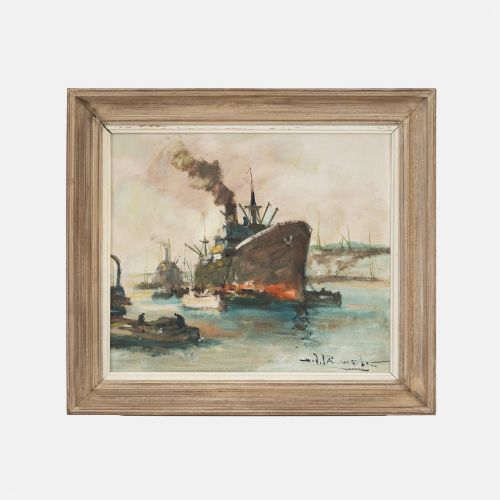
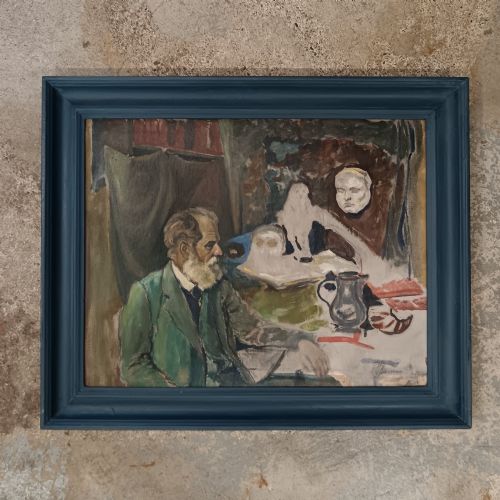
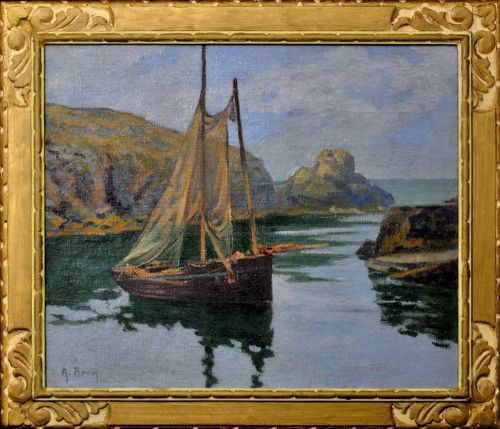
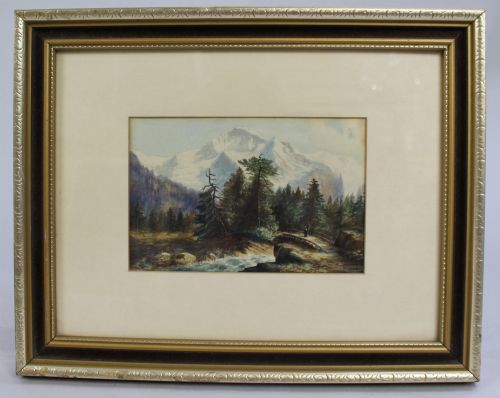
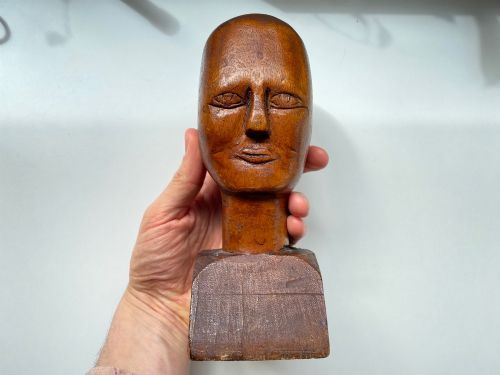
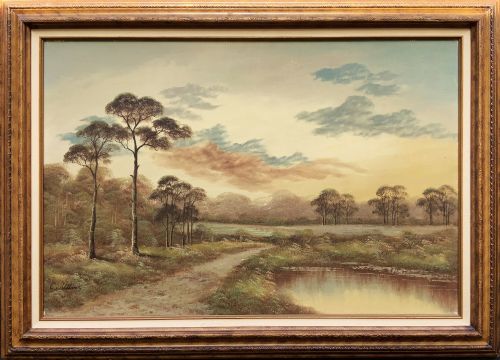
The pieces on this page range from detailed maritime watercolours and portraits to folk art decoy ducks and plaster busts. You are equally likely to find traditional landscape oils as you are to discover illustrative watercolours and prints.
Makers and artists from diverse backgrounds populate the listings, offering a comprehensive look at the period's output. Every item captures the distinct aesthetic priorities of its specific decade of production.
Materials and techniques
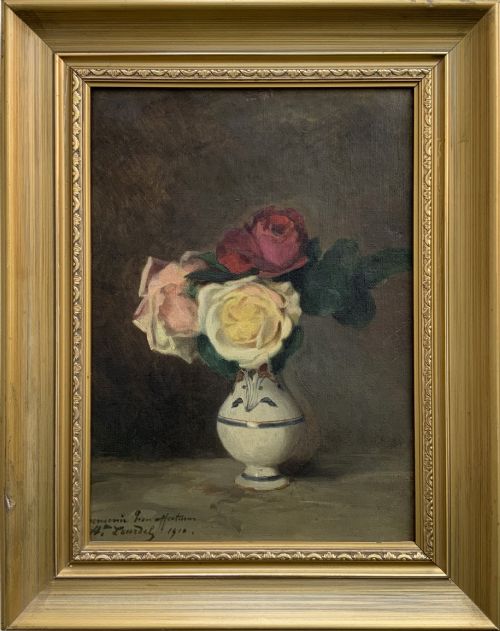
The physical objects rely on traditional media such as oil on canvas, watercolour on paper, and ink drawings. Artisans also utilised gilt wood, plaster, and carved oak for three-dimensional works and decorative items.
Painters applied pigment to canvas or paper using traditional brushwork techniques, while sculptors and carvers shaped wood and cast plaster. These methods ensure each piece carries the tactile marks of its creation.
20th Century Art Retail Price Guide 2026
Typical asking prices for 20th century art among the pieces listed under this phrase on Sellingantiques today, from the lower quarter to the upper quarter. They describe what is for sale here now, not the wider market.
Six wooden decoy ducks from the early 1900s await their next migration.
Distinctions in quality
The calibre of a piece rests on the execution of the brushwork, the depth of detail in carved elements, and the preservation of the original surface. Works by named artists or documented makers often demonstrate a surer command of composition and medium.
Materials also dictate the tier of an object, with high-grade oak, clean canvas, and well-preserved paper supporting better longevity. The clarity of a signature or the precision of a carved joint further separates standard items from exceptional examples.
Marjorie L Davies·GM Avondale·Finnigans·Jacob Kramer·Willem J Palman·Adam Rouilly·Charles Dudouyt·Robert George Talbot Kelly·Fred Lawson·Kurt Lorein Victor Peiser·Samuel Harry Hancock
The 20th Century Art Glossary
- Oil on canvas
- Pigment mixed with drying oil applied to a stretched fabric support. This technique allows for rich colour blending and textured brushwork.
- Watercolour
- A paint consisting of pigment suspended in a water-soluble vehicle, typically applied to paper. It yields translucent washes of colour.
- Folk art
- Utilitarian or decorative objects created by self-taught or untrained makers, often reflecting regional traditions. Examples include hand-carved wooden decoy ducks.
- Etching
- A printmaking process where lines are incised into a metal plate with acid before ink is applied and transferred to paper. This creates fine, precise linear details.
- Gilt wood
- Timber treated with a thin layer of gold leaf or powder. This finish was commonly applied to frames and decorative furnishings for added lustre.
20th Century Art: Frequently Asked Questions
What defines 20th century art?
The term covers a broad spectrum of visual works created between 1900 and the 1960s, including oil paintings, watercolours, prints, and decorative sculptures.
These pieces reflect the stylistic movements and changing artistic techniques of the decades in which they were produced.
How do I display these pieces at home?
Paintings and prints on paper require careful placement away from direct sunlight to protect pigments from fading over time.
Three-dimensional items like carved wooden figures or plaster busts suit tabletops and shelves where their forms can be viewed from multiple angles.
How can I tell different decades apart?
Stylistic clues such as the boldness of the palette, the subject matter, and the framing materials help indicate the period of creation.
Works from the early decades often lean towards traditional portraiture or rural scenes, while later decades introduce varied modernist influences.
Are these works signed by the artists?
Many of the paintings, watercolours, and prints feature artist signatures, monograms, or inscriptions that identify their creator.
Unsigned pieces are typically attributed through stylistic comparison, recorded provenance, or technical similarities to known works of the era.