

19th Century X Frame Chair
A 19th century x frame chair offers sculptural geometry and seating presence rooted in centuries of classical design history.
19th Century X Frame Chair
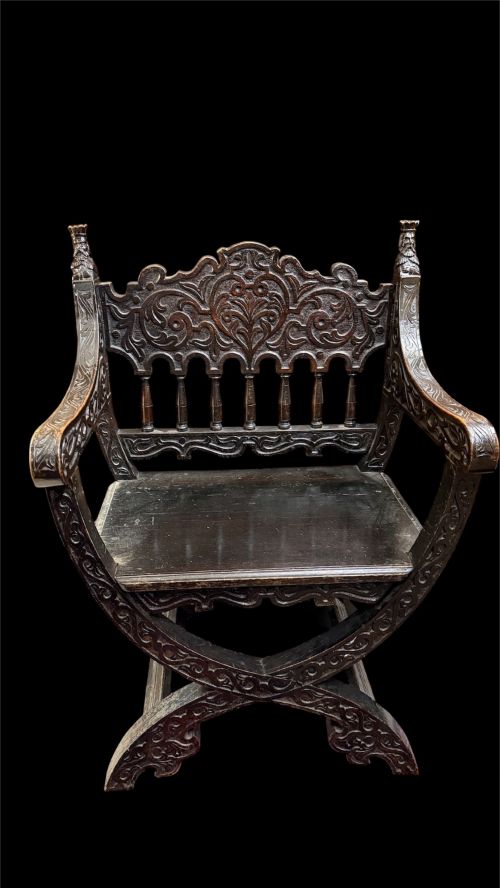
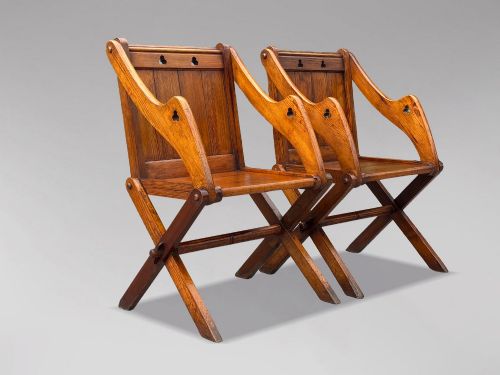
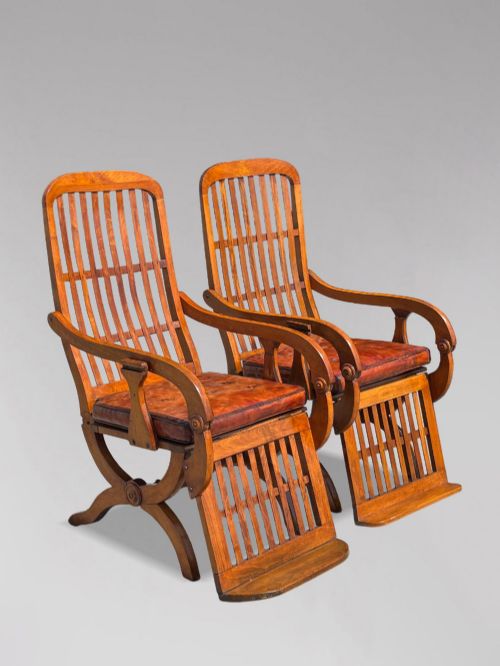
A 19th century x frame chair comprises intersecting diagonal supports forming a distinctive curule or Glastonbury silhouette. Buyers searching this phrase encounter armchairs, side chairs, and dining suites spanning the Regency, Victorian, and revival periods.
The form draws on Gothic, Renaissance, and classical Roman precedents reinterpreted through nineteenth-century cabinetmaking. Walnut, mahogany, and oak dominate the surviving examples, often paired with leather, velvet, or needlework upholstery.
Materials and construction
Timbers such as walnut, mahogany, oak, and rosewood provide the structural strength required for intersecting frame members. Joinery relies on precise pivot points, lap joints, and pegged mortises to bear weight across the diagonal cross supports.
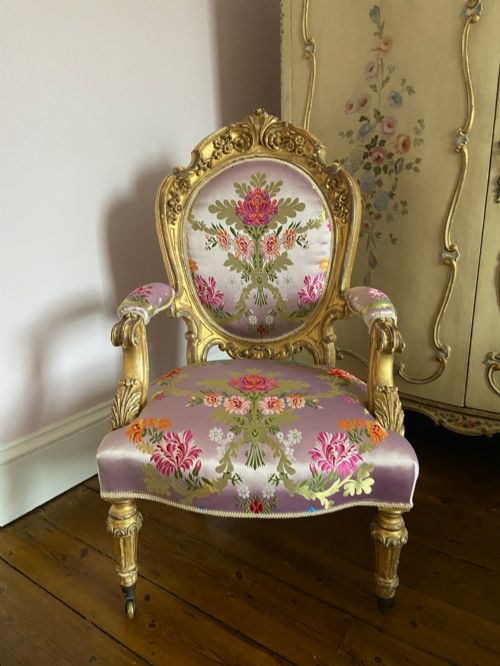
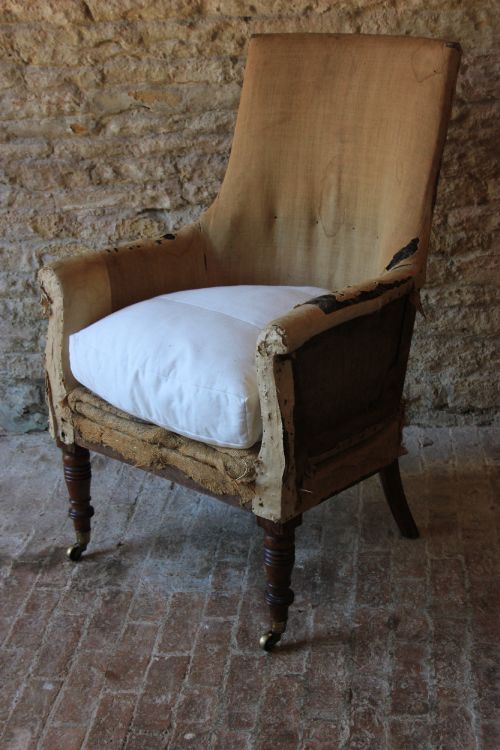
Upholstery involves traditional stuffing techniques secured with hessian and finished with leather, velvet, or printed fabric. Carved gilt wood, ebonised beech, and turned bobbin elements demonstrate the decorative range applied to the core geometric frame.
Listings feature oak, walnut, mahogany, and rosewood timbers alongside leather, velvet, and needlework upholstery.
Assessing quality and execution
Structural integrity at the intersection of the X-frame separates superior pieces from ordinary seating. Rigid pivot construction and dense hardwoods prevent the wobble common in lesser folding or cross-braced examples.
Carved detail and timber selection indicate workshop ambition. Finely figured walnut or mahogany, crisp relief carving, and period-correct upholstery materials distinguish exhibition pieces from utility seating.
Howard & Sons·Gillows·Holland & Sons
The 19th Century X Frame Chair Glossary
- X-frame
- A chair construction utilising two intersecting diagonal members that support the seat and form the arm supports. This ancient form reappears across Regency and Victorian revival designs.
- Glastonbury chair
- A type of wooden X-frame armchair with a sloping back and panel arms, often associated with ecclesiastical or Gothic revival styles. Examples appear in oak and pitch pine.
- Fauteuil
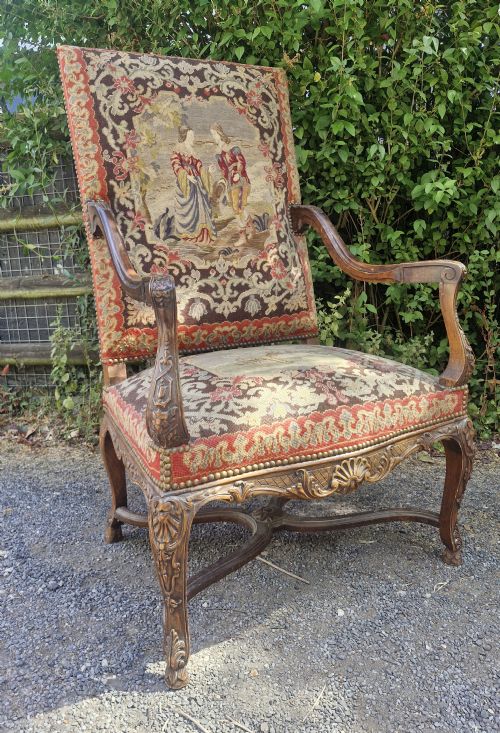
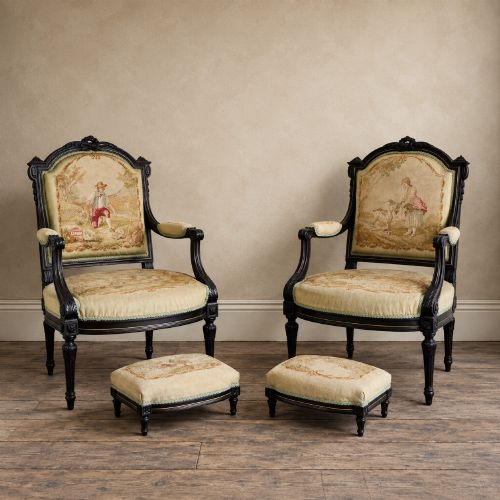
- An open-armed French upholstered armchair with exposed wooden framing. These pieces showcase Continental styles including Louis XV and Louis XVI revivals.
- Bergère
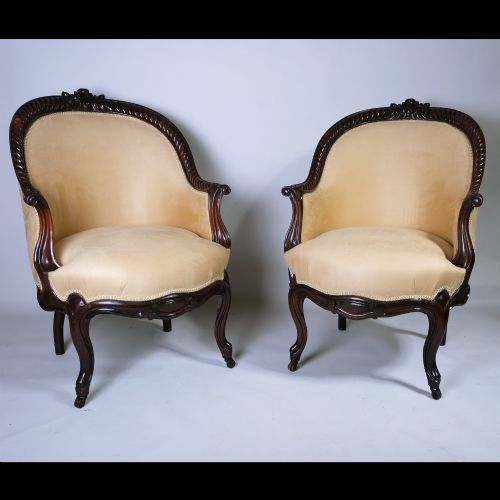
- An enclosed upholstered armchair with wooden sides and a tight upholstered seat. Late nineteenth-century versions often incorporate painted finishes or cane work.
- Sabre leg
- A concave tapering furniture leg that curves outward toward the floor in the manner of a cavalry sabre. This profile is frequently seen on Regency examples.
19th Century X Frame Chair: Frequently Asked Questions
How do I identify a Victorian x frame chair?
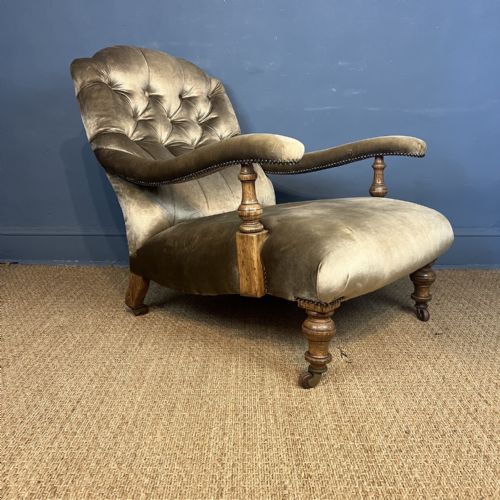
Victorian examples often display heavier timber sections, darker finishes, and eclectic revival styles such as Gothic, Renaissance, or Rococo. Look for turnings, dense oak or walnut, and buttoned leather or velvet upholstery.
These chairs generally date between 1830 and 1900, reflecting the period fascination with historical precedents and solid domestic comfort.
Were these chairs used at dining tables?
Dining sets with X-frame profiles were produced during the early nineteenth century, as evidenced by matched sets of Regency chairs. Side chairs and elbow chairs provided formal seating around large tables.
The geometry of the frame added architectural interest to dining rooms, though most surviving single pieces function as library or salon armchairs.
How should I care for antique upholstery?
Preserve original leather, velvet, or needlework by keeping the chair away from direct sunlight and heat sources. Gentle dusting with a dry cloth protects fragile textile fibres.
If the piece retains historic horsehair stuffing and Hessian foundations, avoid heavy pressure on the seat and consult a specialist restorer for structural maintenance.