



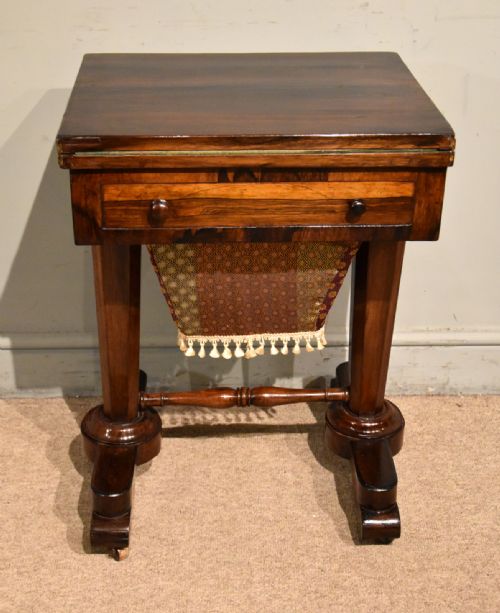


19th Century Wood Basket
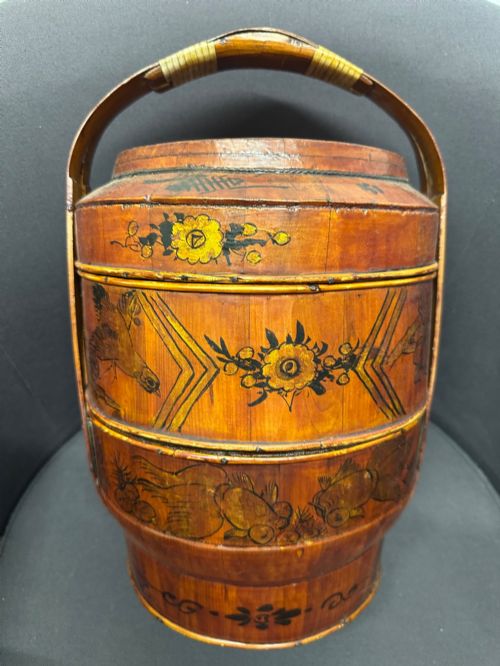
A 19th century wood basket brings tactile warmth and period utility to a room, offering practical storage fashioned from traditional timber and wicker forms.
19th Century Wood Basket
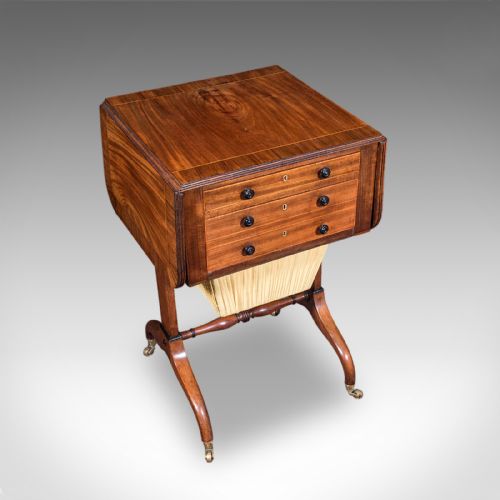
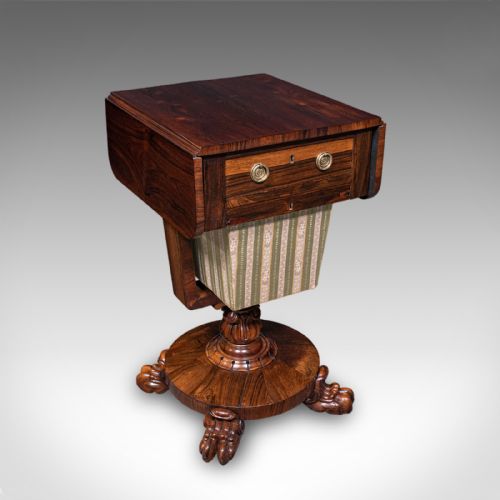
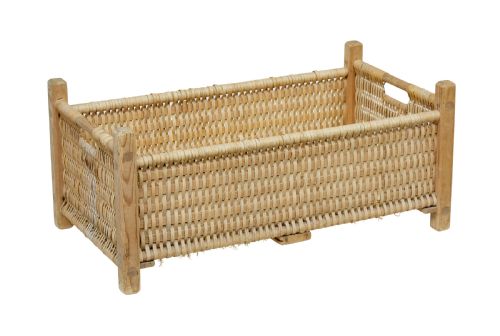
A 19th century wood basket encompasses utilitarian vessels and refined furniture pieces built to hold logs, sewing items, or documents in domestic settings. Buyers searching this phrase encounter practical Scandinavian woven pine storage barrels alongside British and European work tables, games tables, and canterburys incorporating basket compartments.
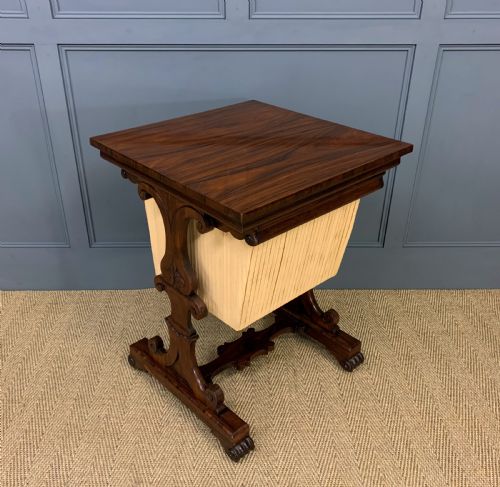
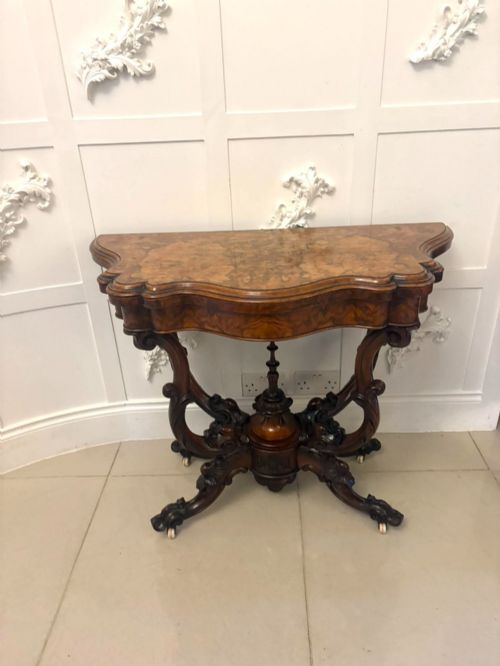
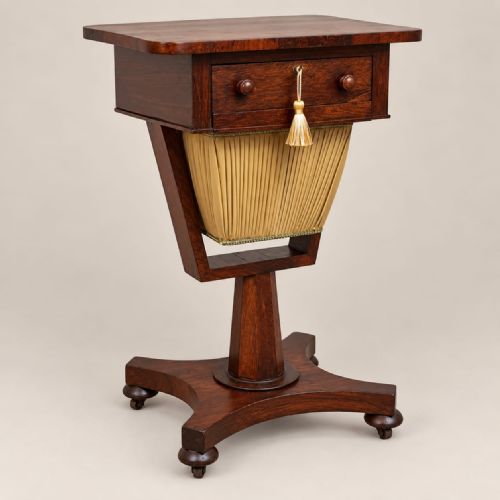
The selection ranges from rustic country hand-woven pine and iron-bound trugs to polished rosewood, mahogany, and burr walnut sewing tables with fitted basket bases. Scandinavian country pieces provide hand-woven texture, whilst Regency and Victorian examples demonstrate finer cabinetmaking joined with storage functions.
Originating across Britain, France, Scandinavia, and Germany, these items reflect both domestic hearth use and parlour organisation. The surviving examples bridge the gap between heavy utility, such as log storage, and delicate needlework organisation.
How they were made
Carpenters and artisans utilised dense native and imported timbers, shaping pine, mahogany, rosewood, and burr walnut into structural frames and woven bodies. Metal elements such as iron bands and brass inlays reinforced structural pine and decorative hardwoods.
Weaving techniques defined the purely wooden vessels, employing flexible pine strips to construct hand-woven baskets, trugs, and storage barrels. Cabinetmakers combined these organic textures with turned legs, drop leaves, and fitted interior compartments for refined furniture forms.
19th Century Wood Basket Retail Price Guide 2026
Typical asking prices for 19th century wood basket among the pieces listed under this phrase on Sellingantiques today, from the lower quarter to the upper quarter. They describe what is for sale here now, not the wider market.
Listings feature 19th century pieces spanning the Georgian, Regency, William IV, and Victorian periods, constructed from rosewood, mahogany, pine, and burr walnut.
What varies in quality
The integrity of the construction dictates the tier of the piece, separating tight, intact pine weaves and solid hardwood joinery from loose framing and unstable joints. Finer cabinet-made examples display precise brass inlay, well-fitted drawers, and carefully selected burr walnut veneers.
Proportion and material choice also separate utilitarian vessels from salon furniture, as seen in the distinction between a robust rustic pine log basket and a figured rosewood sewing table with carved basket bases.
The 19th Century Wood Basket Glossary
- Canterbury
- A low stand fitted with partitions to hold sheet music, magazines, or books, often featuring a drawer below. These frequently appear in rosewood or mahogany from the Regency and Victorian periods.
- Trug
- A shallow horticultural basket traditionally fashioned from strips of wood. Iron-bound versions provided robust utility for carrying logs or produce.
- Work table
- A small domestic table fitted with drawers, compartments, or an attached fabric or wooden basket for sewing and needlework. They date predominantly from the Georgian, Regency, and Victorian eras.
- Penwork
- A decorative technique using ink to draw intricate surface patterns onto wood or boxwood items. This ornamentation appears on small sewing boxes and baskets.
- Burr walnut
- A highly prized timber veneer sourced from the growth growths of the walnut tree. It yields swirling, rich patterns popular on mid-19th century parlour furniture.
19th Century Wood Basket: Frequently Asked Questions
What were 19th century wood baskets used for?
These items served varied domestic purposes ranging from hearthside log storage to parlour needlework organisation. Sturdy pine vessels handled heavy provisions, whilst refined rosewood stands stored sewing materials and paperwork.
Finer examples combined storage baskets with games tables or writing surfaces for use in formal drawing rooms.
How do I care for antique pine and hardwood?
Keep wooden items away from direct heat sources and sudden humidity changes to prevent the timber from splitting or warping. Dust regularly with a dry cloth and occasionally apply appropriate natural wax to nourish polished hardwoods.
Unfinished woven pine benefits from gentle dry brushing to remove dust from the crevices without moisture damage.
Are these pieces English or continental?
The inventory encompasses both British cabinet-made furniture and Scandinavian rustic country work. English examples typically feature mahogany, rosewood, and burr walnut associated with Regency and Victorian drawing rooms.
Scandinavian and German pieces lean towards hand-woven pine and oak, reflecting regional truffles and storage traditions.
How do I distinguish Regency from Victorian pieces?
Regency items, produced in the early 19th century around 1800 to 1820, frequently display cleaner neoclassical lines, mahogany or rosewood grains, and subtle brass inlay. Victorian pieces, dating from the mid to late 19th century, often showcase heavier proportions, burr walnut veneers, and more exuberant carved decoration.
Cabinet makers of the later Victorian period also introduced mixed-media utility and metamorphic designs.