


19th Century Wall Sculpture
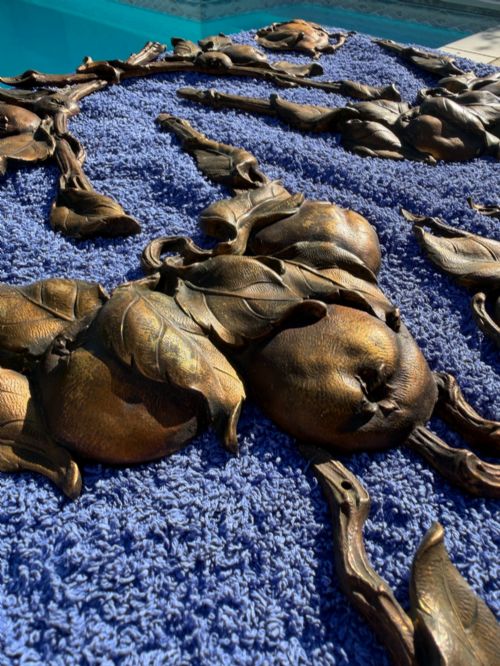
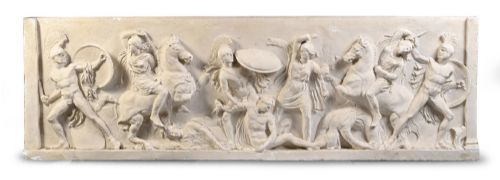
These 19th century wall sculpture pieces bring classical motifs, religious subjects, and animal carvings directly onto interior walls.
19th Century Wall Sculpture
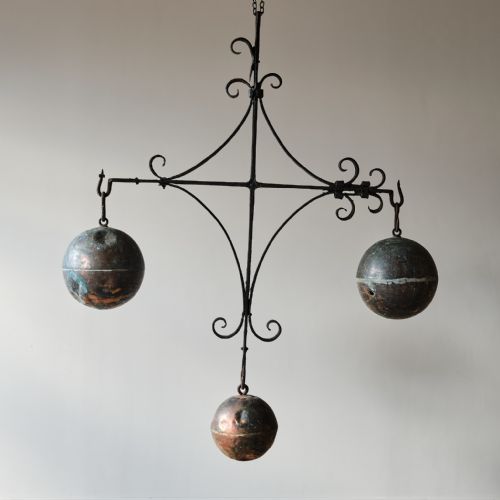
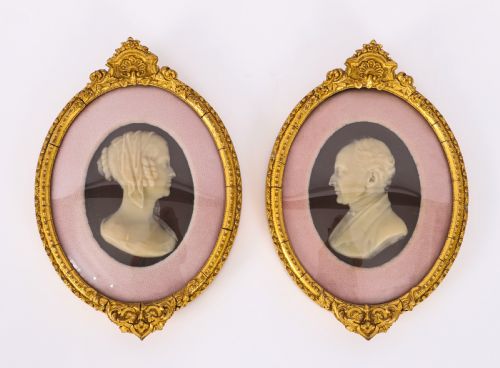
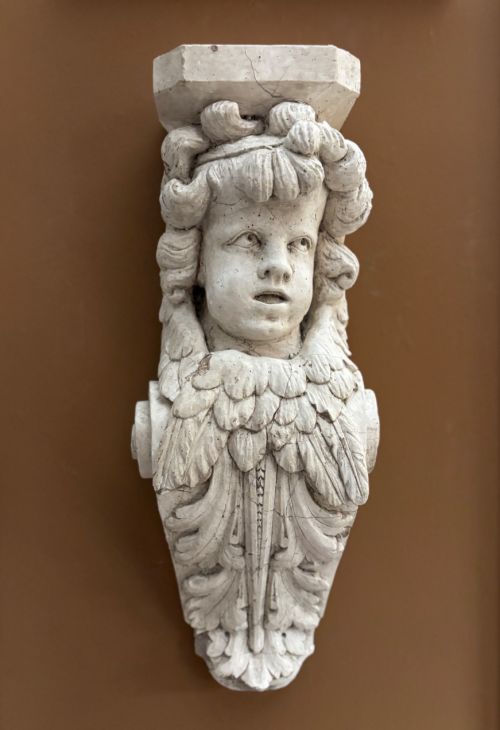
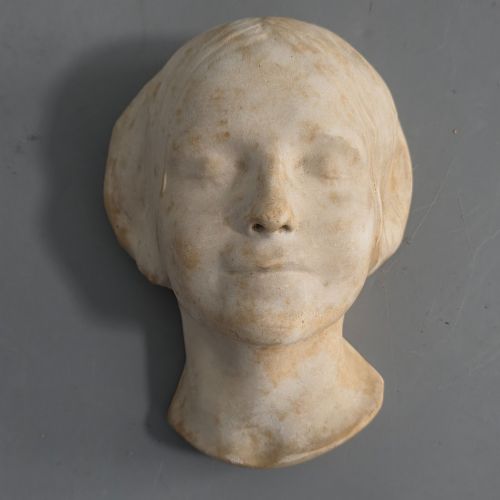
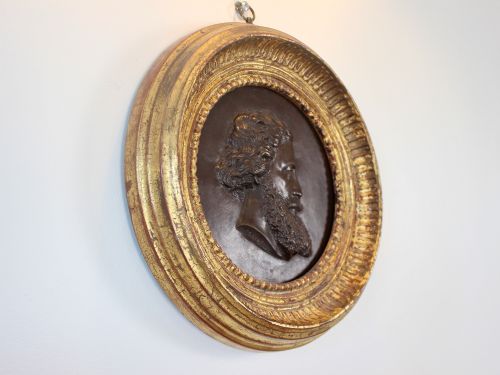
When you search for 19th century wall sculpture, you encounter a varied selection of wall plaques, relief carvings, trade signs, and mounted animal heads. The selection spans distinct forms such as Italian marble profile plaques, carved wooden putti, and cast bronze portraits.
Many examples reflect revivalist tastes, including Neoclassical, Renaissance Revival, Gothic, and Black Forest styles. These objects were originally modelled for domestic display, religious devotion, or trade identification.
The materials range from carved walnut and oak to cast bronze, terracotta, alabaster, and plaster. You will find framed wax portrait reliefs alongside large wooden heraldic lion shields and trade signs.
How they were made
Carvers shaped walnut, oak, and pine using hand chisels to create deep relief panels, animal heads, and architectural corbels. Other pieces utilise cast bronze, brass, and bronzed copper, often finished with gold leaf or gesso layers.
Moulders worked with plaster, terracotta, and alabaster to cast portrait plaques and death masks from detailed master moulds. Artisans then applied paint, ebonising, or patination to simulate aged metals or stone.
The inventory records diverse forms including trade signs, death masks, marionettes, heraldic lion shields, and hunting trophies.
What varies in quality
The clarity of the carving or casting defines the distinction between standard decorative items and exceptional work. Finer pieces show sharp undercut details in wood or crisp definition in bronze portraits, whereas lesser examples display softer edges and simplified tool marks.
The integrity of the original surface finish, whether gold leaf, paint, or natural patinated bronze, heavily influences the character of the object. Pieces retaining their original signed foundry marks or distinct artist signatures carry greater documentary weight.
Poix Blin·Mainfroy·Carlhian and Corbiere·Kasper Hendrik Roskam·Coalbrookdale
The 19th Century Wall Sculpture Glossary
- Relief sculpture
- A sculptural technique where figures project from a flat background plane. High relief projects significantly, while low relief remains closer to the surface.
- Gesso
- A plaster mixture applied to wood surfaces as a base for paint or gold leaf gilding. It provides a smooth ground for decorative application.
- Putto
- A figure of a small winged infant, frequently used in Renaissance and revivalist decorative art. These figures often appear as cherubs in wooden wall carvings.
- Corbel
- A structural piece of stone, wood, or metal jutting from a wall to carry a weight. In decorative contexts, they take sculptural forms like human figures or animals.
- Patination
- The surface coloration and sheen developed on metal, wood, or stone through age and use. Chemical treatments can also induce artificial patination on bronzes.
19th Century Wall Sculpture: Frequently Asked Questions
How do I hang a heavy wooden wall sculpture?
Heavy wooden carvings and bronze plaques require secure wall fixings suited to your wall type, such as masonry anchors or wall studs. Ensure the mounting bracket or integrated hanging loop on the back is structurally sound before installation.
Position the piece at eye level to appreciate the depth of the relief work. Avoid placing wooden sculptures near direct heat sources that might cause the timber to split.
How should I clean nineteenth-century bronze plaques?
Dust bronze and metal reliefs gently with a soft, dry brush or microfiber cloth. Avoid using water, abrasive cleaners, or chemical polishes, as these can strip the historical patination.
Preserving the original surface is essential for maintaining the character of the metal. Professional conservation advice should be sought if deeper cleaning is required.
Are terracotta wall reliefs fragile?
Terracotta wall reliefs are made from fired clay and can be susceptible to damage from sharp impacts or drops. They require careful handling during placement and secure wall mounting to prevent accidents.
Despite their ceramic nature, stable indoor environments suit them well. Keep them away from damp areas to protect the porous clay body.
How do I identify a Victorian Gothic revival piece?
Victorian Gothic revival sculptures draw inspiration from medieval architectural motifs, featuring heraldic symbols, lions, shields, and pointed arches. Pugin design elements frequently appear in these commissions, utilising dark oak or walnut.
Examining the construction methods, tool marks, and wood ageing helps confirm the nineteenth-century origin. These pieces were designed to evoke medieval grandeur within Victorian homes.