



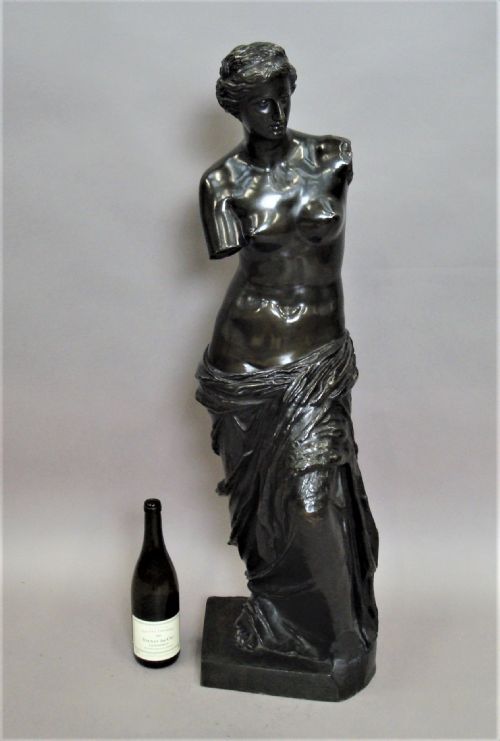


19th Century Venus Sculpture
These 19th century venus sculpture examples bring classical mythology into nineteenth-century interiors through bronze, marble, and terracotta.
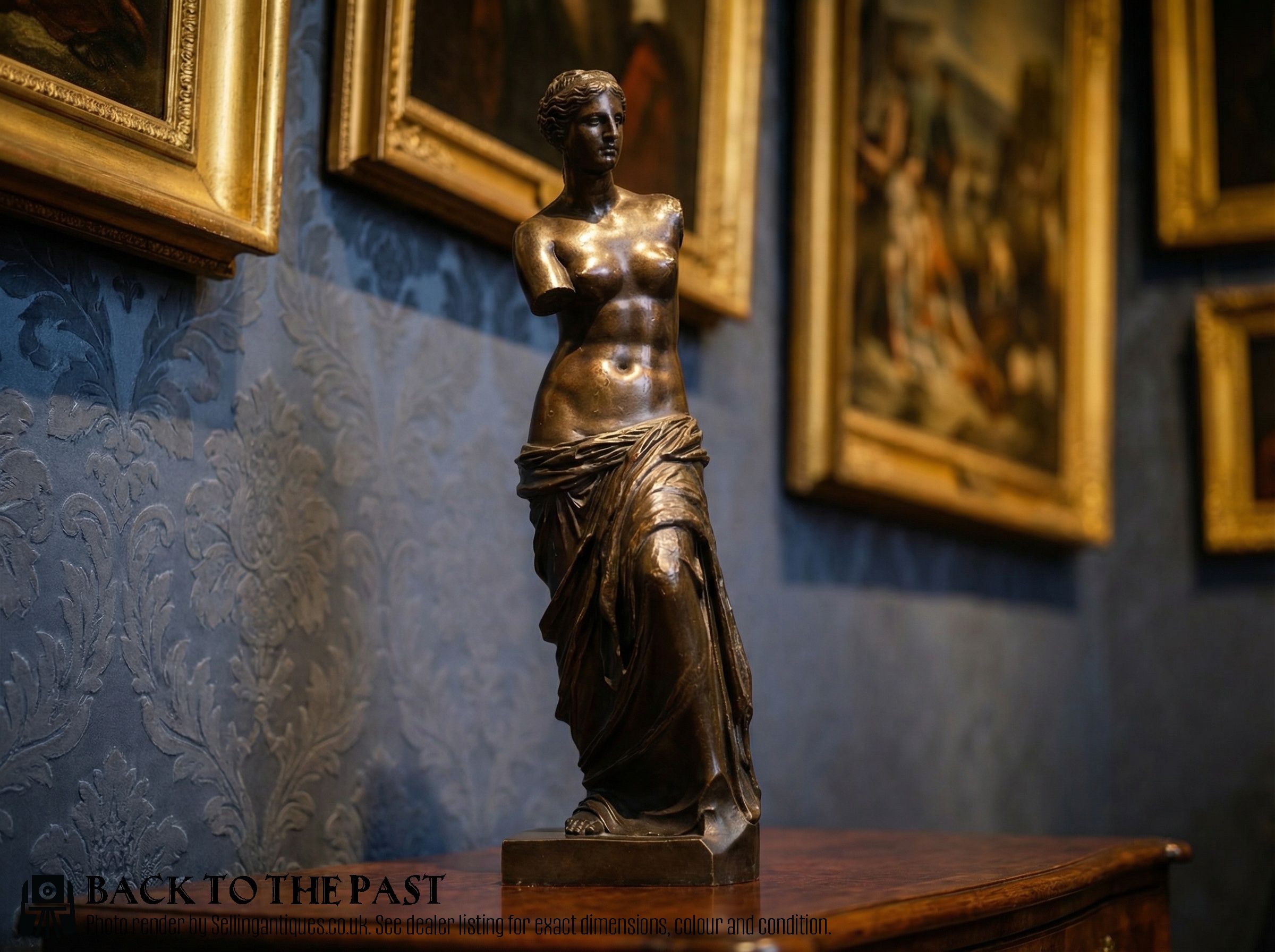
19th Century Venus Sculpture
A 19th century venus sculpture represents the classical goddess of love, beauty, and fertility through interpretations made during the nineteenth century. These works frequently draw directly from ancient statues such as the Venus de Milo, the Venus de Medici, and the Venus Italica.
Buyers encounter various interpretations including Grand Tour souvenirs, reductions, and larger gallery bronzes. These figures appear as full-length statues, crouching forms, busts, and lamp-bearing figures originating from French and Italian workshops.
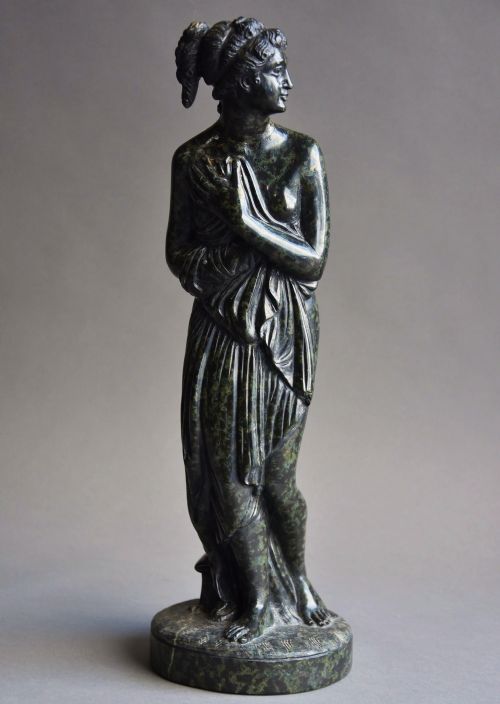
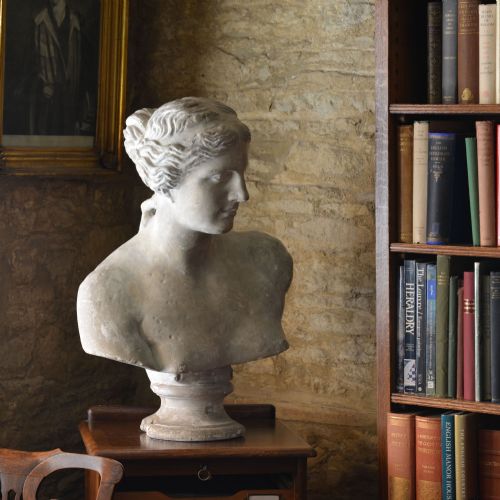
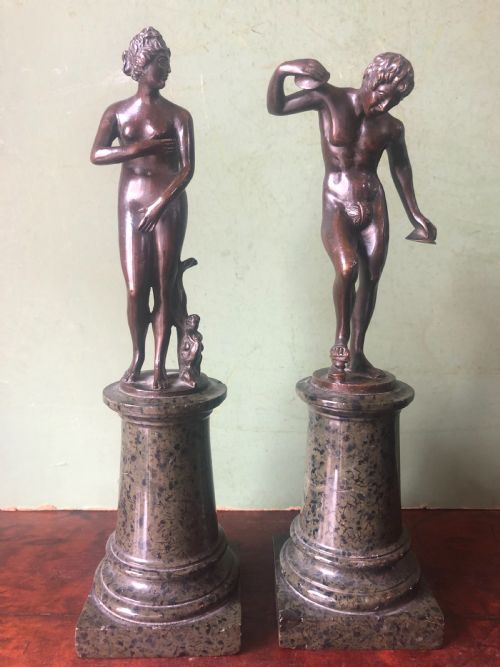
The materials span patinated bronze, parcel-gilt bronze, white marble, serpentine, plaster, gypsum, and terracotta. Many bronzes sit upon fitted marble bases, while others stand as independent figures or busts.
How they were made
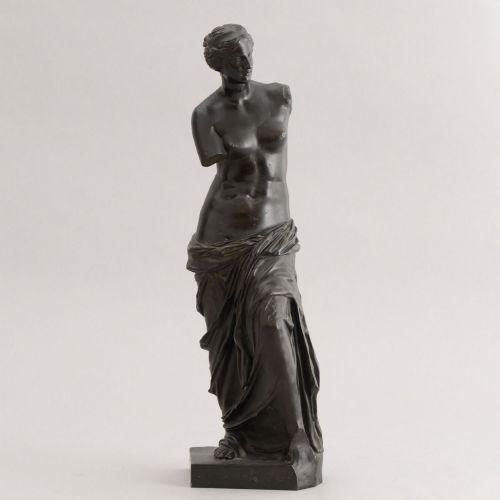
Foundry-cast bronze and carved marble form the primary mediums for these nineteenth-century classical figures. Bronze editions utilise the lost-wax or sand-casting methods before receiving hand-applied patination ranging from deep brown to gilt highlights.
Marble and serpentine pieces involve hand-carving after classical prototypes, often produced in Italian workshops for the Grand Tour market. Softer mediums like plaster, gypsum, and terracotta allow for detailed modelling of busts and smaller sculptural forms.
One versatile nineteenth-century Venus doubles as a lamp-bearer, proving the goddess of love could also illuminate the parlour.
What varies in quality
The crispness of chisel work and the subtlety of the bronze patination distinguish workshop output. Superior casts retain fine anatomical details and sharp drapery folds found in the classical originals.
The quality of the base materials, such as dense coloured marble or serpentine for the plinths, indicates the intended market tier. Foundry marks and maker signatures further separate standard souvenir reductions from exhibition-grade bronzes.
Ferdinand Barbedienne·Antonio Canova·Falconnet
The 19th Century Venus Sculpture Glossary
- Grand Tour
- A traditional trip through Europe undertaken by upper-class young men to absorb classical art and culture. Souvenir sculptures were purchased along the route to commemorate these travels.
- Reduction
- A scaled-down sculptural copy of a famous large-scale antiquity. Foundries produced these smaller versions to fit nineteenth-century domestic interiors.
- Patinated bronze
- Metalwork treated with chemical solutions to produce a specific surface colour. Dark brown, green, and black patinations protect the bronze and define sculptural contours.
- Parcel-gilt bronze
- Bronze sculpture featuring selective gilding applied to specific areas such as hair, drapery, or accessories. This technique creates visual contrast against the dark patinated metal.
- Serpentine
- A compact green or mottled mineral stone used for carving figures and bases. It provides a distinct weighty plinth for bronze reductions.
19th Century Venus Sculpture: Frequently Asked Questions
What is a Grand Tour Venus sculpture?
A Grand Tour Venus sculpture is a souvenir piece acquired by travellers visiting Italy and France during the nineteenth century. These objects recreated famous classical antiquities for display in European and British homes.
They range from small bronze reductions to carved marble and serpentine figures mounted on stone bases.
How do I identify the subject of the sculpture?
Statues are often identified through their specific poses and classical associations, such as the missing arms of the Venus de Milo or the modest gesture of the Venus de Medici. Inscriptions or titles on the bases frequently confirm the exact ancient prototype.
Many nineteenth-century works explicitly reference sculptors or classical models in their catalogue descriptions.
What materials were used for these sculptures?
Nineteenth-century makers utilised a range of mediums depending on the intended scale and destination of the piece. Bronze, patinated bronze, and parcel-gilt bronze provide durable metallic surfaces.
Alternative materials include carved marble, serpentine, terracotta, plaster, and gypsum for busts and smaller figures.
Where were these nineteenth-century sculptures produced?
Production centres concentrated primarily in France and Italy, where foundries and studios catered to both domestic buyers and foreign travellers. Paris foundries produced large exhibition bronzes and detailed reductions.
Italian workshops specialised in marble carving and bronze souvenirs designed to evoke classical antiquity.