



19th Century Vanity Jar
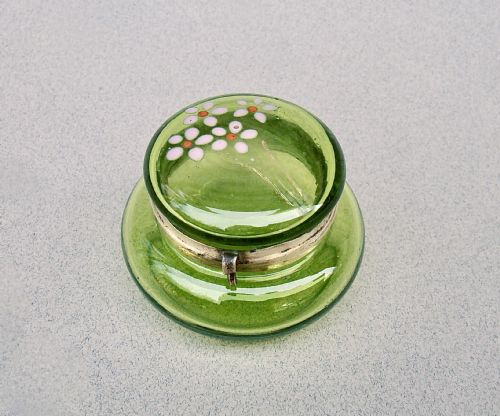
A 19th century vanity jar brings dressing table elegance to life through cut glass, enamel, and silver mounts.
19th Century Vanity Jar
A 19th century vanity jar comprises a portable or stationary container designed for dressing table use, holding powders, scents, and small personal items. These pieces frequently appear alongside dressing boxes, travelling cases, and trinket boxes from the Victorian and Regency periods.
The objects on this page span diverse stylistic influences, including French 19th Century design, Neoclassical Revival, and English Regency production. Buyers encounter both fitted travelling cases with silver plate mounts and standalone glass vessels adorned with enamel work.
Materials and construction
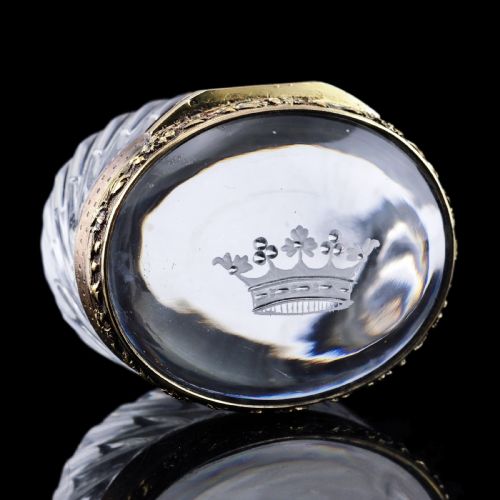
Makers utilised heavy cut glass and crystal for the body of the vessels, often pairing them with hinged silver or silver gilt mounts. Bristol blue and green glass frequently feature alongside enamelled porcelain and clear crystal.
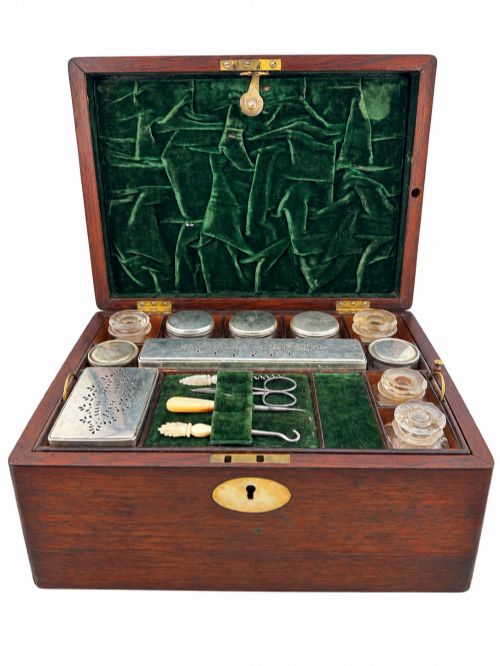
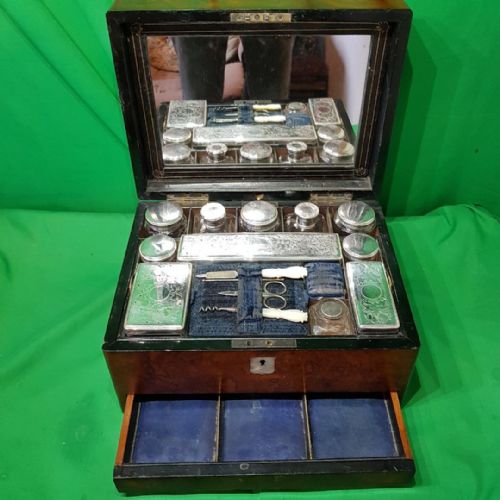
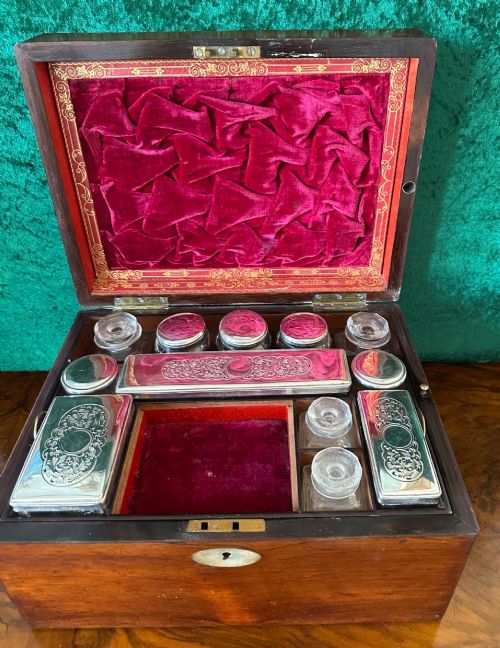
Exterior enclosures rely on timber foundations in burr walnut, rosewood, and brass bound cases. Velvet linings and internal brass fittings secure the glass jars and toilet bottles within travelling sets.
19th Century Vanity Jar Retail Price Guide 2026
Typical asking prices for 19th century vanity jar among the pieces listed under this phrase on Sellingantiques today, from the lower quarter to the upper quarter. They describe what is for sale here now, not the wider market.
Gentlemen travelling in the nineteenth century relied on fully kitted boxes containing everything required for a proper shave on the move.
Assessing quality and craftsmanship
Quality reveals itself in the precision of the glass cutting and the weight of the metal mounts. Finer examples display crisp hand-painted enamel details and robust silver or silver gilt hinges that operate smoothly.
The completeness of internal fittings dictates the standing of travelling sets and vanity cases. Retaining the original collection of matching glass jars, brushes, and silver plate components elevates a piece above partially populated examples.
Posen of Frankfurt and Berlin
The 19th Century Vanity Jar Glossary
- Silver Gilt
- Silver that has been coated with a thin layer of gold on its surface. This technique provided the rich appearance of solid gold while utilising a silver base for structural mounts.
- Clichy Glass
- Glass produced by the famous French factory known for vibrant colours and layered ornamentation. These pieces often feature in nineteenth-century French dressing table jars.
- Travelling Set
- A fitted box containing glass jars, bottles, and grooming tools for transit. These sets accommodated the personal requirements of ladies and gentlemen on journeys.
- Display Dome
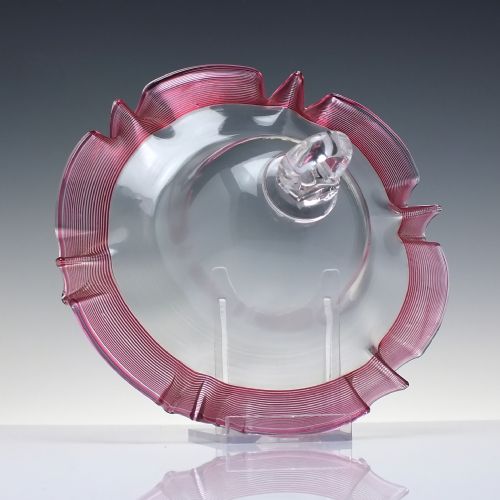
- A blown glass cover positioned over a base to protect delicate objects or ornaments. These large domes preserve dressing table items and curiosities from dust.
19th Century Vanity Jar: Frequently Asked Questions
What is a 19th century vanity jar?
A 19th century vanity jar is a small glass or porcelain container used on a dressing table to hold cosmetics, pins, or trinkets. They often feature hinged metal lids and decorative enamelling.
Many of these jars were originally housed inside larger travelling cases or gentleman's boxes alongside brushes and scent bottles, while others stood alone on dressing tables.
How were dressing boxes used?
Dressing boxes served as portable storage for personal grooming items, jewellery, and writing materials during travel. They kept delicate glass jars secure in fitted compartments.
Wealthy travellers carried these boxes to maintain their daily grooming routines away from home, utilising internal velvet linings to protect the contents.
How do I identify a Victorian piece?
Victorian items often display characteristic hallmarks, heavier proportions, and specific design motifs associated with the reign of Queen Victoria. Materials like burr walnut and heavy cut glass are common.
Examining internal construction methods and any accompanying maker marks helps confirm the mid to late nineteenth-century production period.
How do I care for antique glass?
Antique glass and enamel require gentle cleaning with a soft, dry cloth to remove dust. Avoid submerging items with delicate metal mounts or enamel in water.
Keep these pieces away from direct sunlight and extreme temperature fluctuations to protect the integrity of the glass and any internal velvet linings.