
19th Century Upholstered Footstool
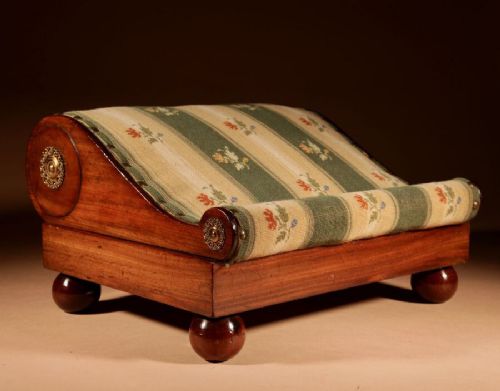
When you search for a 19th century upholstered footstool, you are looking at low seating designed for resting feet or sitting before a dressing table.
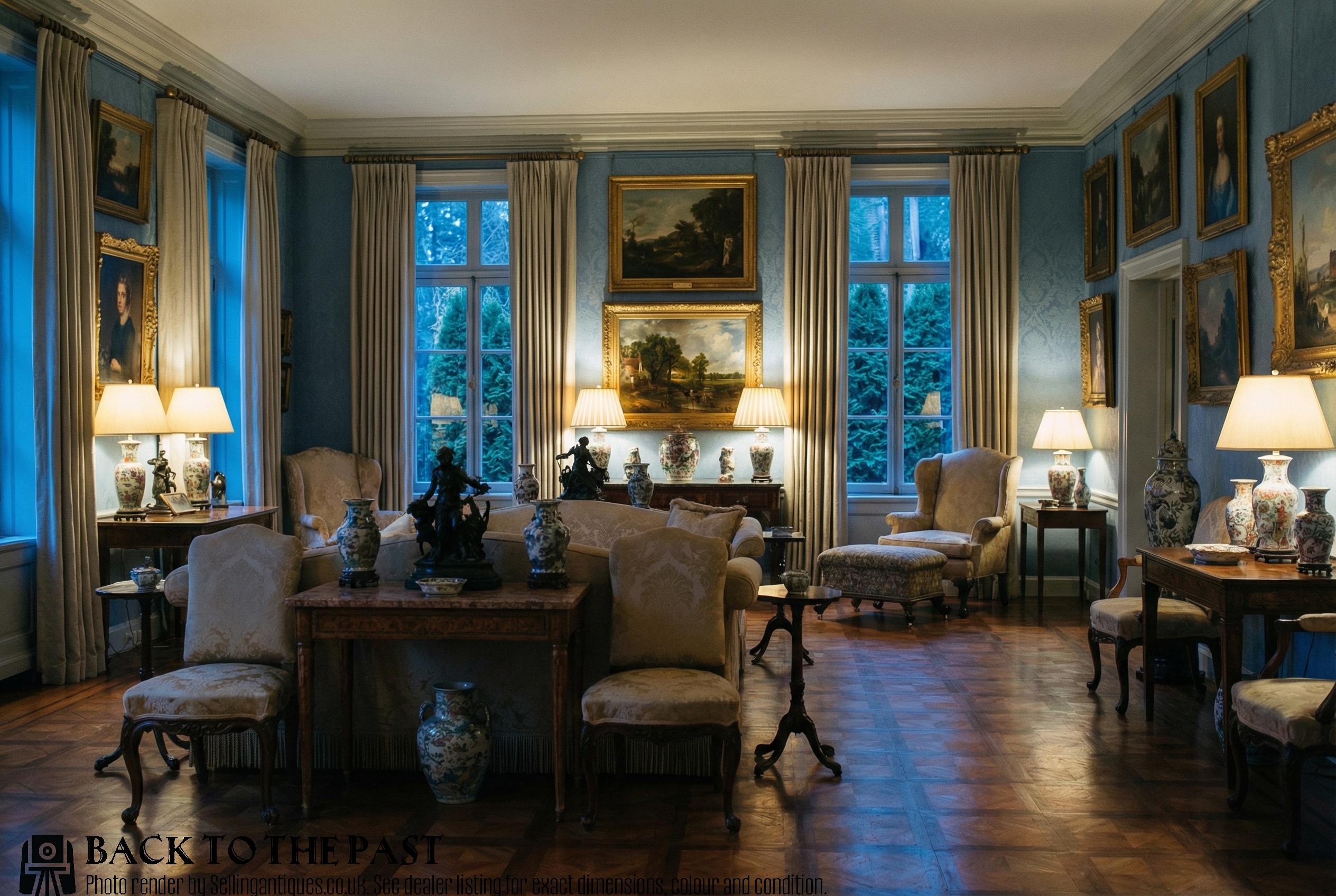
19th Century Upholstered Footstool
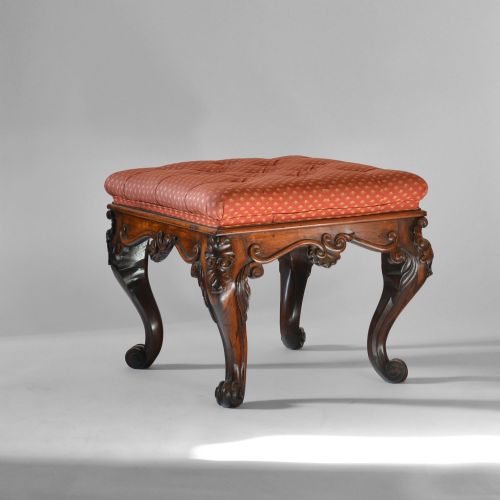
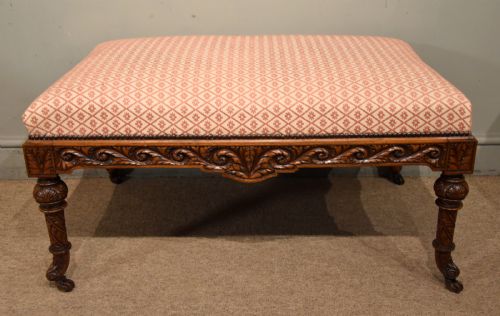
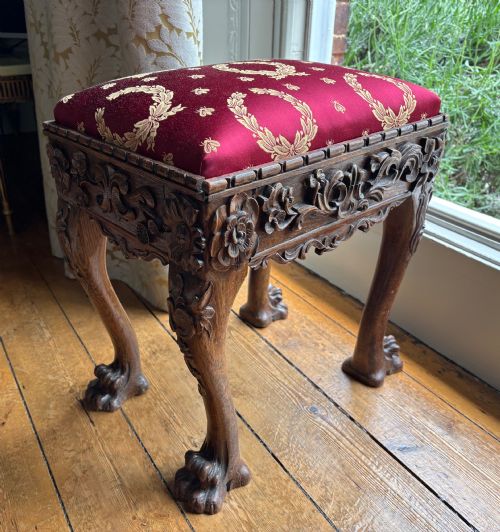
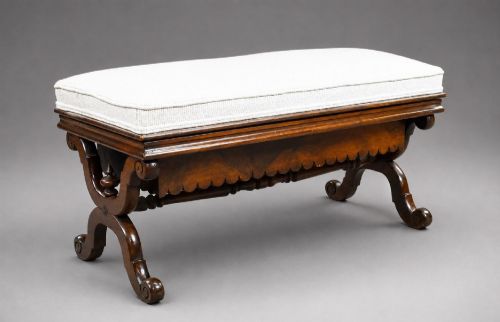
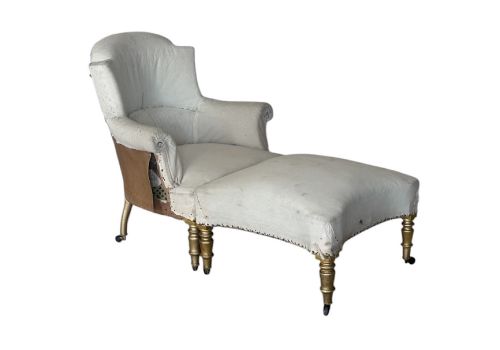
A 19th century upholstered footstool takes many forms across this selection, appearing as small dressing stools, piano stools, and large ottomans designed for domestic comfort.
Makers shaped these low seats to match prevailing fashions, drawing on Georgian, Victorian, and Regency periods alongside revival styles like Queen Anne and Louis XIV.
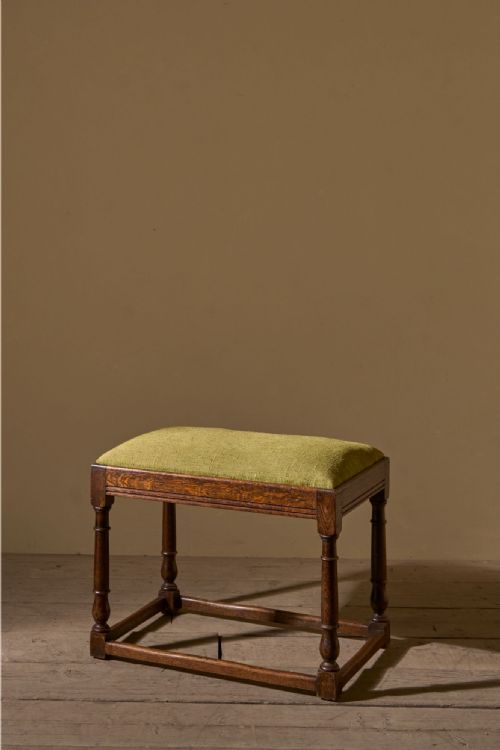
The assortment includes domestic pieces in mahogany, walnut, and rosewood, often paired with textile coverings such as velvet, green linen, and general fabric.
How they were made
Carpenters built the frames of these stools using dense hardwoods like mahogany, walnut, rosewood, and oak, alongside painted pine and beech.
Upholstery involved textile coverings including velvet and heavy green linen secured over padding, while decorative elements relied on carving, gilding, and brass details.
The listings feature timbers spanning mahogany, walnut, rosewood, oak, and burr maple across Victorian, Regency, and Georgian periods.
What varies in quality
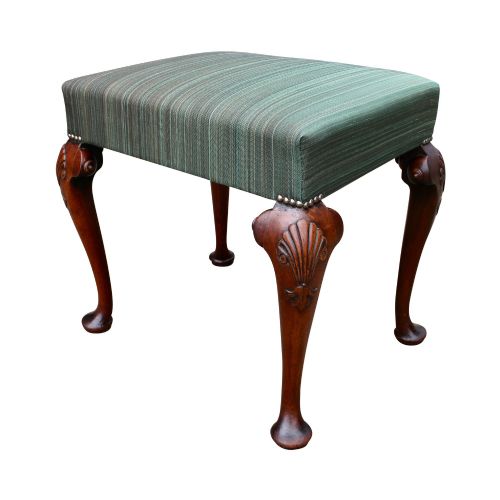
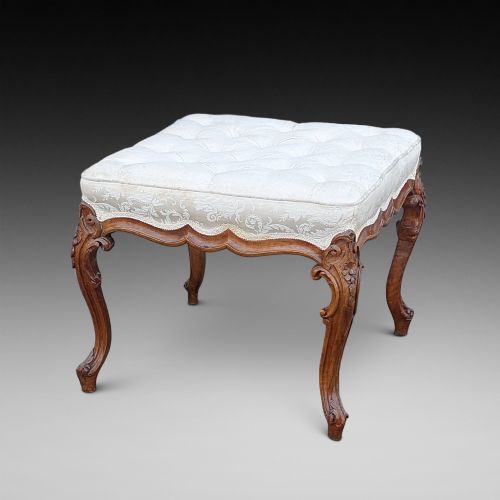
The caliber of a piece rests upon the crispness of the timber carving, from cabriole legs to spiral turns, and the integrity of the underlying wooden frame.
Selection of denser timbers like rosewood and burr maple alongside skilled application of gilding distinguish the finer examples from standard workshop production.
The 19th Century Upholstered Footstool Glossary
- Cabriole leg
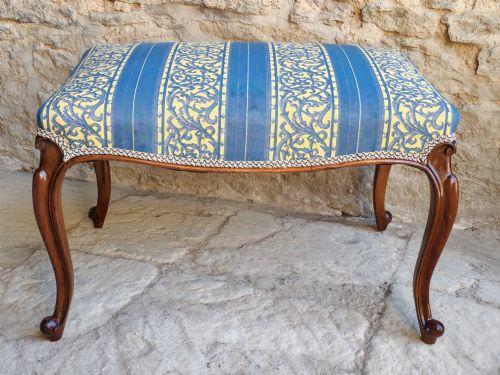
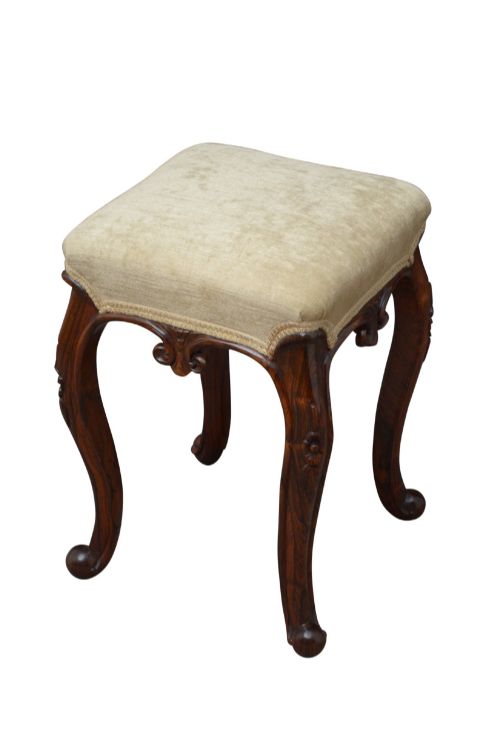
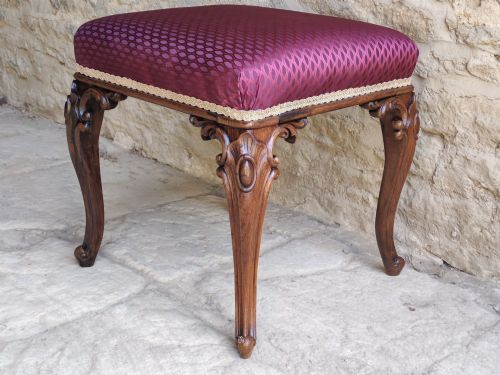
- A furniture leg that curves outward at the knee and inward at the ankle, ending in a pad or foot. This form appeared frequently on walnut and mahogany stools.
- Ottoman
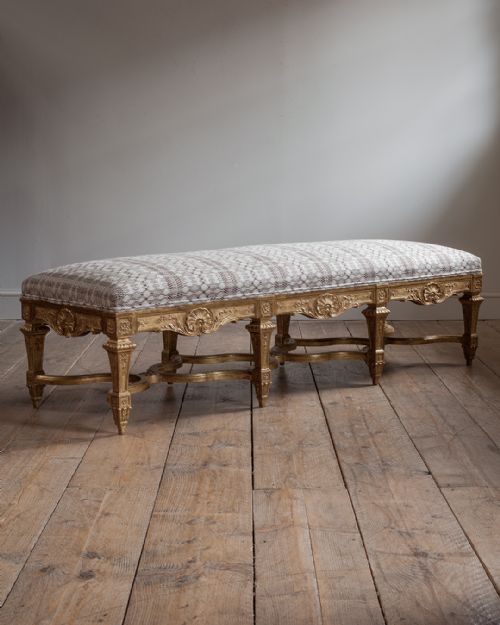
- A low, upholstered seat or footstool lacking arms or a back. These larger pieces often served as central footstools in drawing rooms.
- X-frame
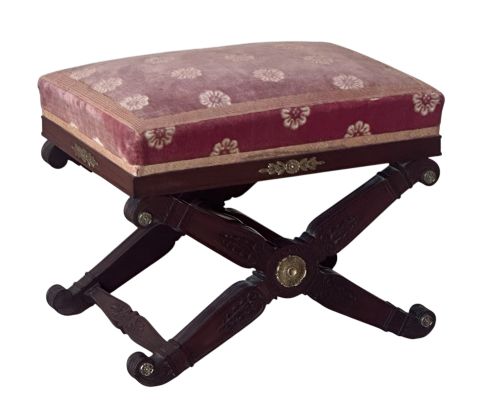
- A furniture base constructed from intersecting diagonal members forming an X shape. This structural design appeared on French Empire and mahogany stools.
- Gout stool
- A specialised low footstool featuring an adjustable inclined top to support a foot affected by gout. The Victorian stained-beech metamorphic version exemplifies this form.
- Dressing stool
- A small seat designed for use at a dressing table or vanity. These pieces often matched the surrounding bedroom furniture in walnut, oak, or rosewood.
19th Century Upholstered Footstool: Frequently Asked Questions
What is a 19th century upholstered footstool used for?
These low seats served multiple domestic functions, primarily providing support for resting feet while sitting in armchairs or by the fire.
Smaller variants also functioned as dressing table seats or piano stools in Victorian and Regency drawing rooms.
How do I identify a Victorian footstool?
Victorian examples often display heavy walnut or rosewood frames with cabriole legs, deep upholstery, and sometimes elaborate wood carving.
They frequently align with revival aesthetics such as Rococo Revival or Queen Anne styles popular during the nineteenth century.
Are these footstools newly upholstered?
Many surviving pieces retain historic fabric or have received fresh textile coverings, including velvet, heavy green linen, and patterned fabric.
Listings specify the nature of the upholstery, distinguishing between period textiles and later recovered surfaces.
What wood types were used for these stools?
Cabinetmakers utilised a variety of dense hardwoods including mahogany, walnut, rosewood, oak, and exotic timbers like goncalo alves wood.
Some lighter frames utilised painted pine, beech, or iron beneath the textile upholstery.