


19th Century Upholstered Chair
A 19th century upholstered chair brings tactile warmth and period form to a room through centuries of timber frames and traditional textile work.
19th Century Upholstered Chair
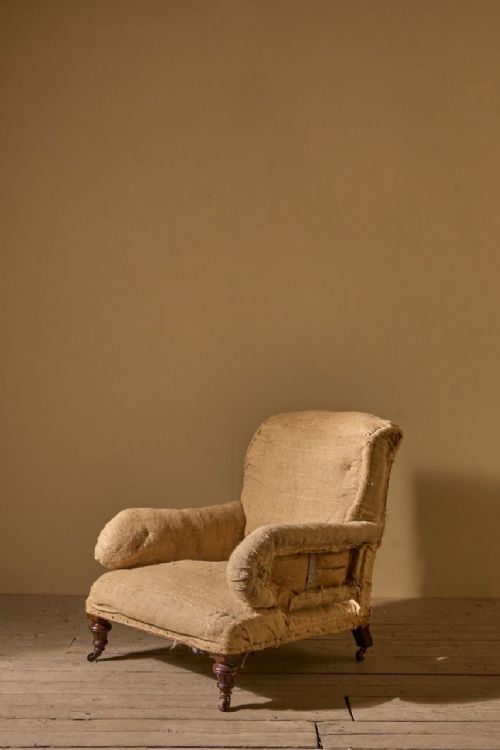
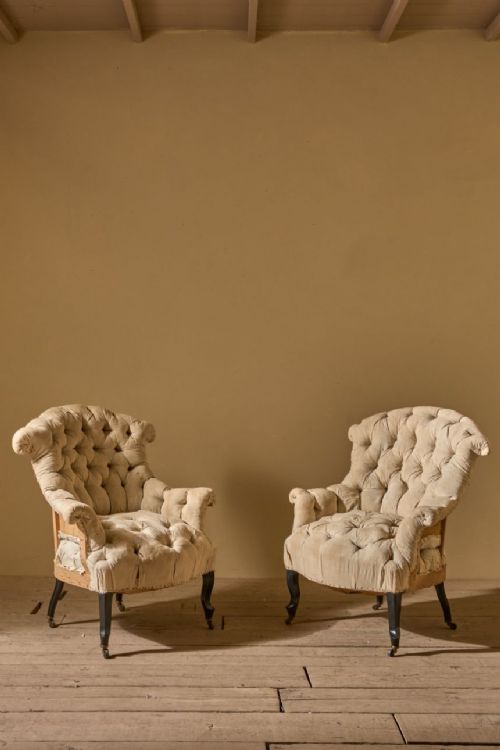
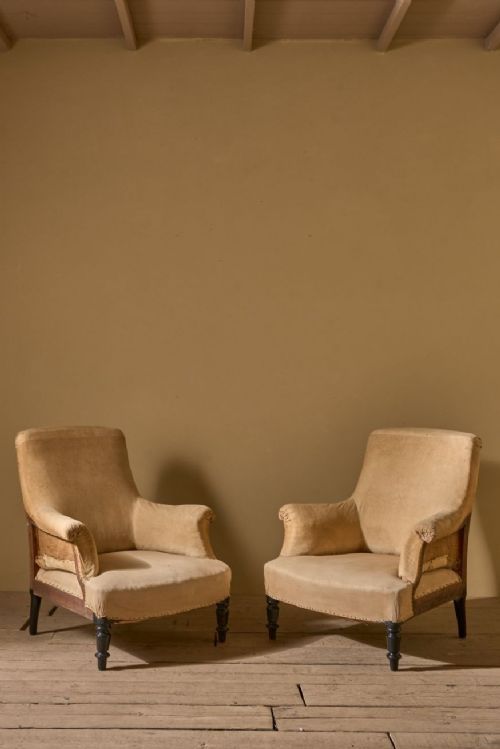
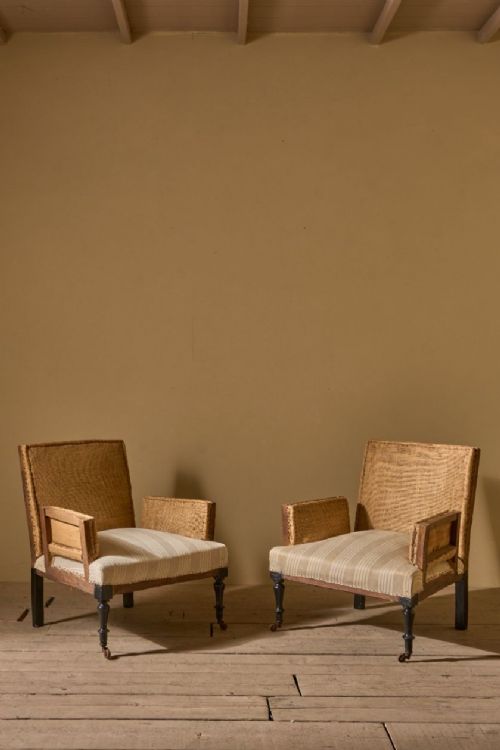
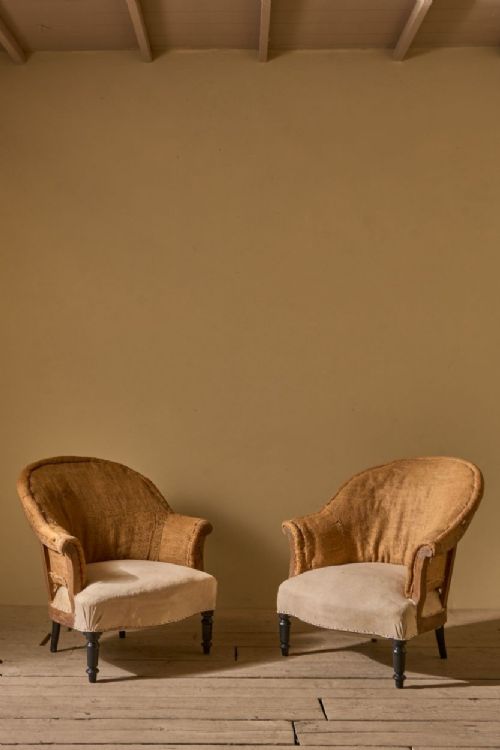
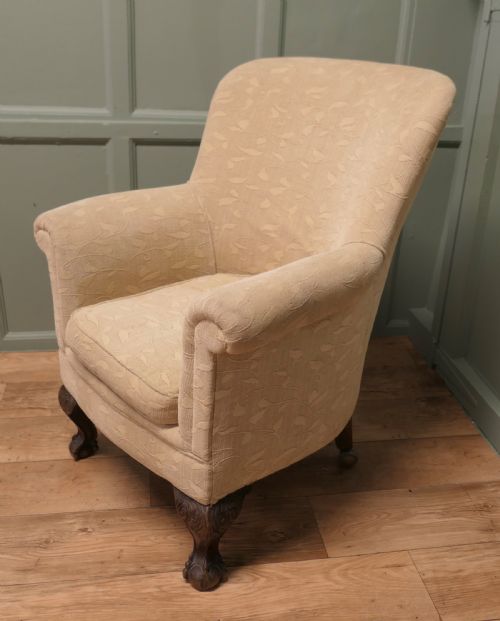
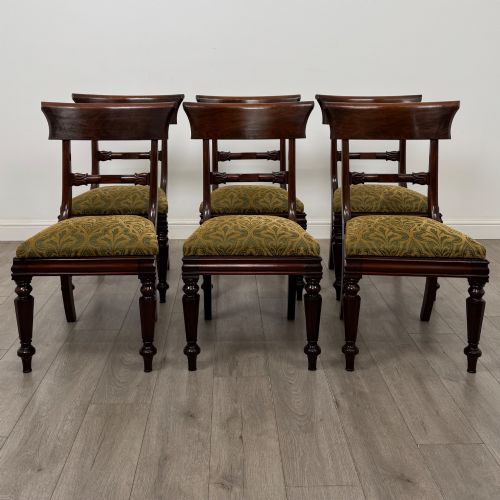
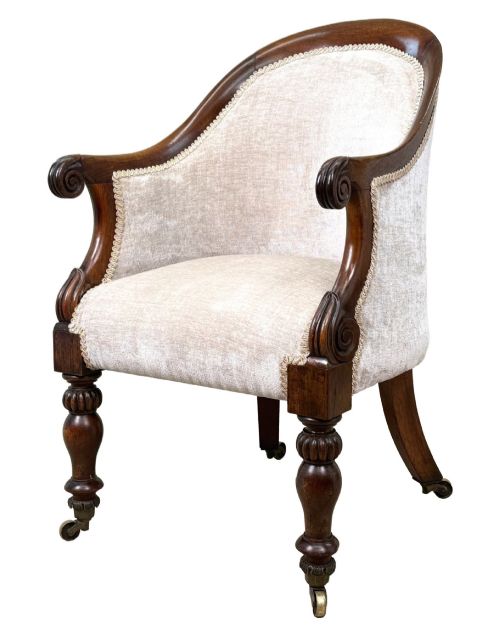
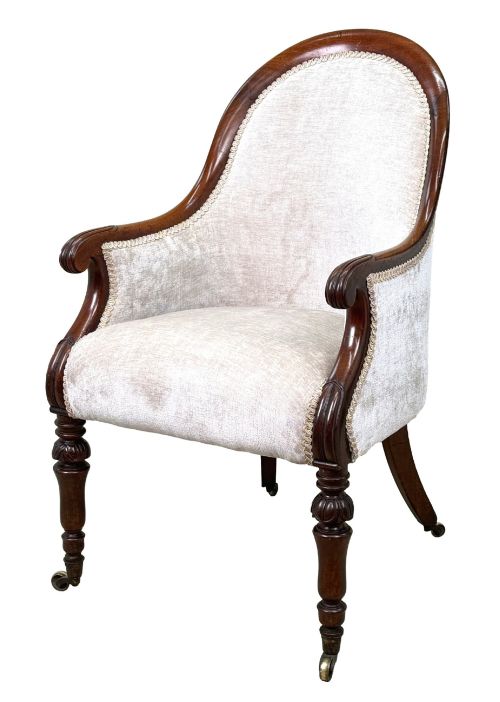
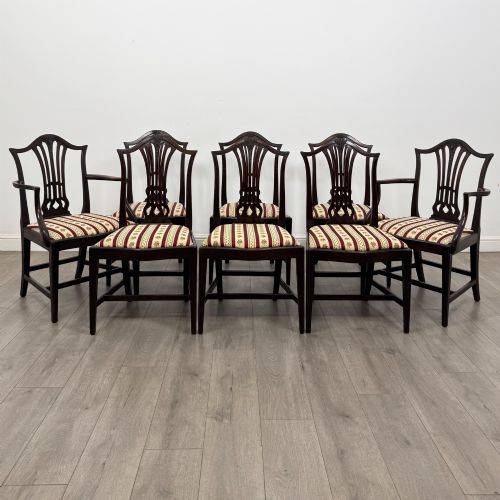
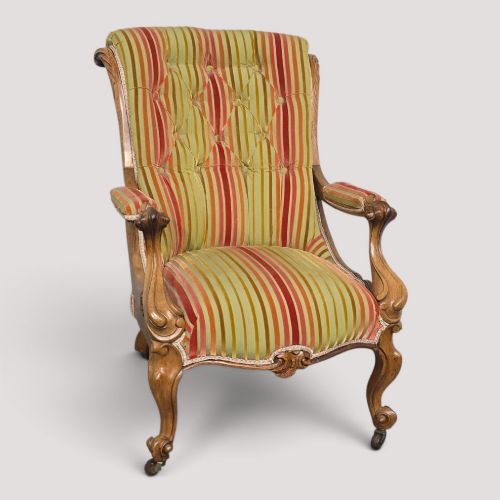
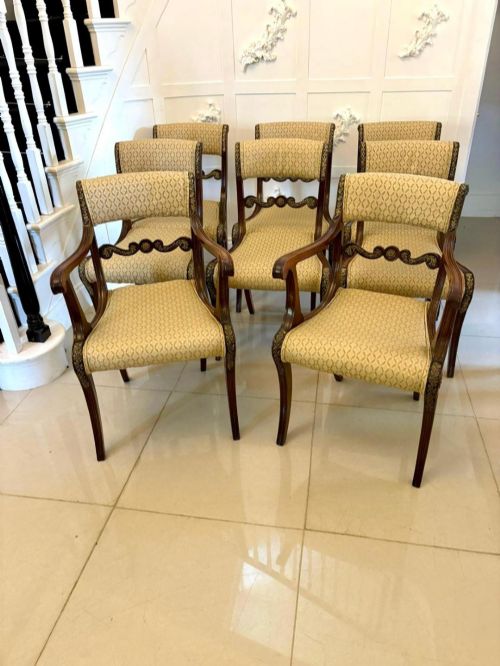
A 19th century upholstered chair encompasses a wide variety of seating forms, ranging from library armchairs and nursing chairs to large sets of dining chairs and occasional parlour seats. The domestic interiors of the period demanded specific seating for libraries, bedrooms, and reception rooms, leading to specialised designs like tub chairs, wingbacks, and slipper chairs.
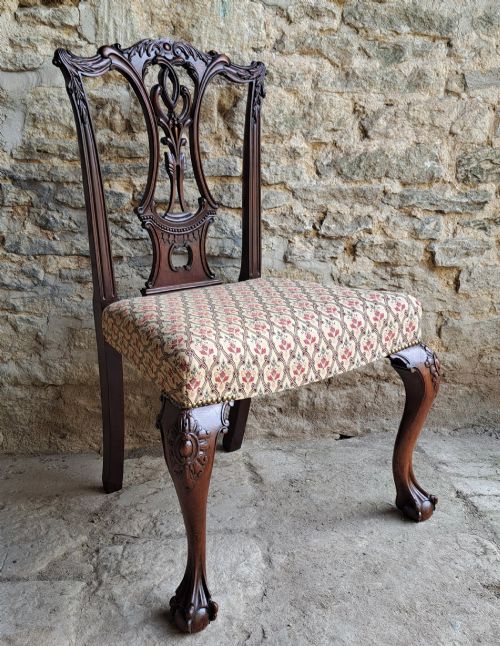
Victorian and Regency examples dominate the available selection, often reflecting earlier stylistic revivals such as Gothic Revival, Louis XV, and Hepplewhite designs. Buyers frequently encounter mahogany and walnut frames alongside oak and rosewood, padded with textiles including leather, tapestry, damask, and velvet.
The survival of these pieces demonstrates the robustness of 19th-century cabinet making, whether found as single fireside armchairs or matched sets of dining chairs intended for formal entertaining. Each form serves a distinct function, preserving the domestic comfort and social rituals of the Victorian and Regency eras.
How They Were Made
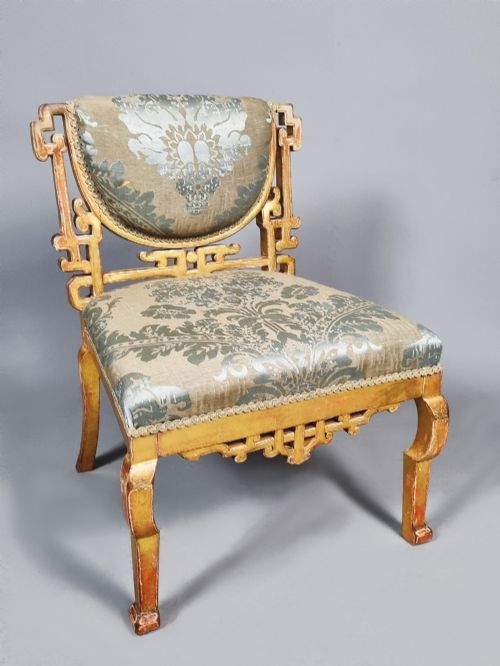
Makers constructed the structural frames of a 19th century upholstered chair using dense hardwoods like mahogany, walnut, oak, and rosewood, joined with traditional woodworking joints to ensure long-term stability. Cabinet makers shaped these timbers into curved balloon backs, cabriole legs, or straight library rails, often incorporating hand-carved details or giltwood finishes.
Upholstery techniques involved securing natural stuffing materials over webbing and springs, held in place by durable outer layers of fabric, leather, silk velvet, or tapestry. Brass castors frequently appeared on the feet of heavy library armchairs and nursing chairs to facilitate movement across heavy carpets.
Some Channel Islands hall chairs hide makers' labels firmly secured beneath their wooden seats.
What Varies In Quality
The calibre of a 19th century upholstered chair rests on the architectural integrity of the wooden frame and the depth of its carving. Pieces designated as exhibition quality display crisper hand-carving, superior timber selection, and more ambitious joinery than standard domestic seating.
The refinement of the silhouette also dictates distinction, as seen in the balance of proportions on balloon back dining chairs or library armchairs. Original components, such as stamped brass castors or period leather, elevate the integrity of the piece against later alterations.
Gillows·Cope and Collinson·W A Willcocks
The 19th Century Upholstered Chair Glossary
- Balloon back
- A rounded, hollowed-out chair back shaped like a balloon, commonly seen on Victorian dining chairs made of mahogany or walnut.
- Library armchair
- A sturdy, deep-seated armchair designed for reading rooms, frequently upholstered in leather with padded armrests.
- Nursing chair
- A low-seated Victorian chair designed for comfort, traditionally used in bedrooms for feeding infants.
- Tub chair
- An armchair featuring a continuous curved back and arms that wrap around the user in a circular tub shape.
- Giltwood
- Timber coated with a thin layer of gold leaf or gold paint, utilised on decorative salon and parlour chairs of French design.
19th Century Upholstered Chair: Frequently Asked Questions
How do I identify a Regency chair?
Regency chairs date from the early part of the century and often feature classical motifs, sabre legs, and dark woods like rosewood or mahogany. Their lines draw inspiration from ancient Greek and Roman furniture.
Look for restrained brass inlay or carved rope twists that characterise this specific period before the heavier Victorian styles emerged.
What is a balloon back chair?
A balloon back chair possesses an oval, rounded wooden back frame resembling an inflated balloon. This form became exceptionally popular during the Victorian era for dining and occasional seating.
Cabinet makers produced these primarily in mahogany and walnut, frequently pairing them with upholstered drop-in or stuffed seats.
Where were nursing chairs used?
Nursing chairs originated as low-slung bedroom seats designed to provide comfort while attending to children. Their abbreviated height allowed the sitter to rest close to the ground.
Victorian examples often feature ebonised frames, velvet upholstery, and small brass castors on the legs.
Are library armchairs comfortable?
Library armchairs were built for extended periods of reading, offering deep seats, padded arms, and substantial back support. They typically utilised leather or heavy fabric upholstery over robust wooden frames.
Many examples include castors to allow easy repositioning near fireplaces or reading desks.