



19th Century Tole
These 19th century tole pieces bring painted metalwork into modern rooms, offering durable surfaces and rich hand-applied decoration.
19th Century Tole
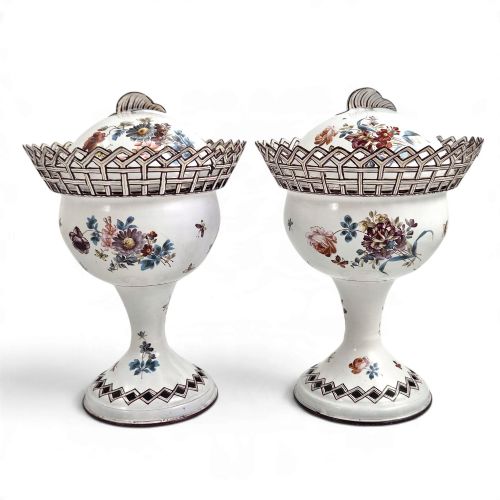
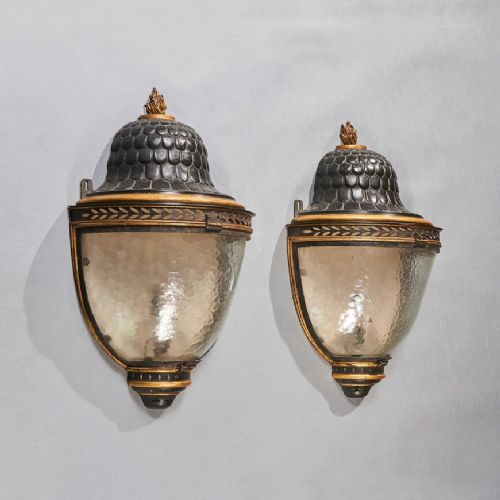
When you search for 19th century tole, you encounter painted and lacquered metal objects that served both decorative and domestic functions in period interiors. The selections span tray tables, wall lanterns, coal bins, lamps, and bedsteads.
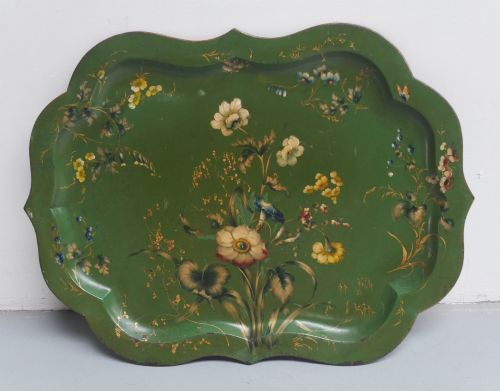
The versions most commonly met on this page include serving trays and table lamps bearing hand-painted scenes or floral motifs. These items originate from English, French, and Italian workshops across the Victorian, Regency, and mid-century eras.
Forms range from small grocery hoppers and wine holders to large architectural bedsteads and tray tables on stands. Each object demonstrates the versatility of sheet iron and metal as a canvas for decorative painting.
How they were made
Artisans formed these objects from sheet iron and metal substrates, shaping them into trays, cylinders, and structural frames. The base metal required careful preparation before receiving coats of dark paint or lacquer.
Painters applied intricate designs directly onto the prepared metal surface, frequently incorporating parcel gilding, brass rims, or carved wooden elements to accent the painted scenes. Protective varnishes sealed the pigments against everyday wear.
19th Century Tole Retail Price Guide 2026
Typical asking prices for 19th century tole among the pieces listed under this phrase on Sellingantiques today, from the lower quarter to the upper quarter. They describe what is for sale here now, not the wider market.
Listings feature items from the Regency and Victorian periods, constructed from sheet iron, brass, and wood.
What varies in quality
Quality rests upon the execution of the hand-painted decoration and the preservation of the original surface. Finer pieces display detailed figural narratives or precise botanical motifs, while simpler items feature repetitive geometric or floral borders.
The structural integrity of the metal substrate and associated materials, such as brass rims or wooden stands, influences the overall standing of an object. Original gilding and untouched painted surfaces elevate the status of the piece above heavily restored examples.
H. Meeson
The 19th Century Tole Glossary
- Toleware
- Painted or lacquered metalware, typically manufactured from sheet iron during the eighteenth and nineteenth centuries. The term derives from the French phrase tole peinte.
- Parcel Gilt
- Partial gilding applied to specific areas of an object to highlight raised details or frames. It creates contrast against the dark painted background.
- Pontypool
- A Welsh manufacturing centre renowned for producing high-quality lacquered and tinned metalware. Pontypool pieces set standards for British metal finishing.
- Regency
- An English design period spanning the early nineteenth century, characterised by classical motifs and bold decorative elements. Objects from this era often utilise rich colour palettes.
- Grocery Hopper
- A utilitarian metal container originally used for storing dry goods in shop environments. These bins frequently feature hinged lids and sturdy metal construction.
19th Century Tole: Frequently Asked Questions
What is 19th century tole?
These pieces consist of painted, lacquered, or enamelled metal items produced during the nineteenth century. Artisans worked primarily with sheet iron to create functional household objects.
Decoration ranged from simple floral borders to elaborate hand-painted historical scenes and mythological narratives. The resulting objects combined utility with decorative charm.
How were tole trays used?
Domestic households utilised these painted metal trays for serving beverages or carrying tableware across rooms. Their robust metal construction handled daily service with ease.
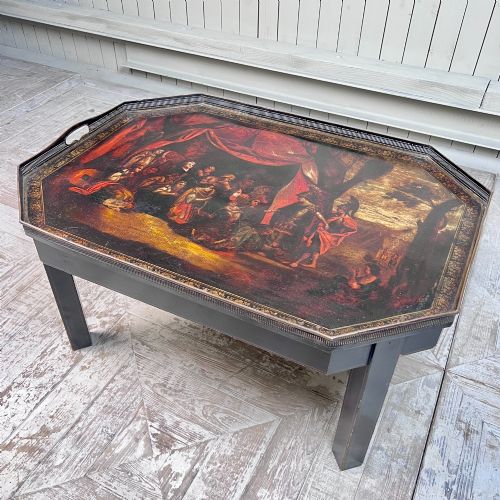
Many larger trays later transitioned onto wooden stands to function as low tables. This adaptation allowed decorative painted surfaces to remain visible in reception rooms.
How do I care for painted metal?
Preserving these surfaces requires keeping objects away from direct sunlight and excessive moisture. Gentle dusting with a soft cloth maintains the finish without risking the painted layer.
Avoid chemical cleaners and abrasive cloths, which can strip historic lacquers and pigments. Proper placement ensures the painted scenes endure safely.
How do I identify a Regency piece?
Regency items display classical proportions and decorative restraint drawn from ancient Greek and Roman design. Colour palettes often favour deep tones paired with gilt accents.
Form and construction align with early nineteenth-century manufacturing techniques, distinguishing them from later Victorian productions. Surviving hardware and mountings provide further chronological clues.