







19th Century Theatrical Art
19th century theatrical art captures the drama and performance of the era through paintings, prints, and figures.
19th Century Theatrical Art
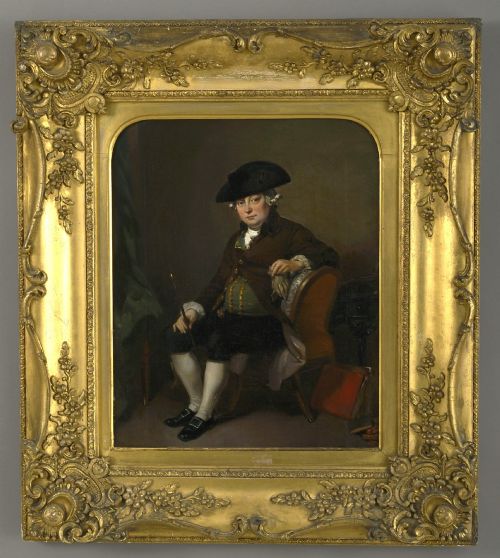
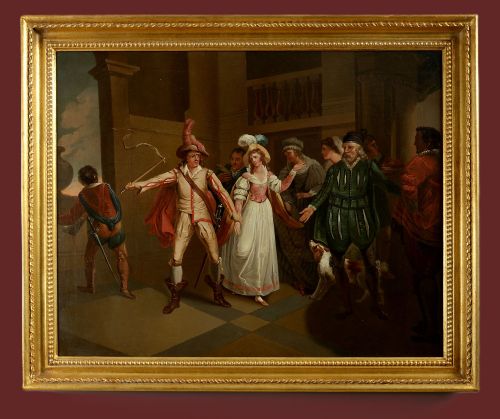
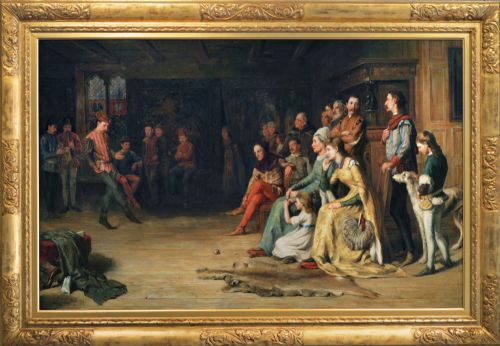
When you search for 19th century theatrical art, you enter a world of dramatic portraiture, stage scenes, and performance memorabilia. The pieces on this page span the Georgian, Regency, and Victorian periods, capturing actors in character, dancers, and stage productions.
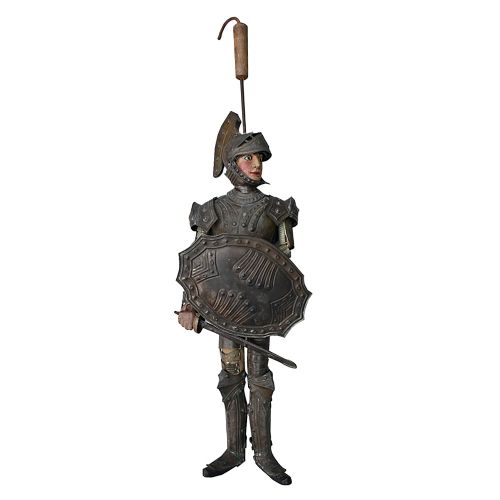
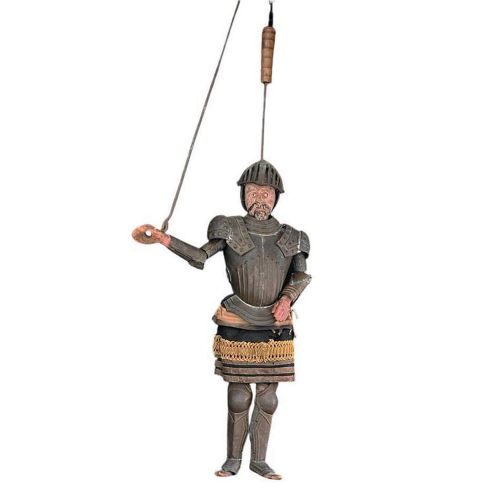
Most commonly, you will meet oil paintings, framed prints, and drawings depicting notable performers such as Edmund Kean and Charles Kean. Alongside these are sculptural elements like bronze harlequin figures, marionettes, and decorative tinsel prints.
The selection ranges from British oil on canvas works to French line drawings and Sicilian marionettes. Each item reflects the vibrant stage culture of the nineteenth century, offering a direct connection to historical performances.
Materials and Techniques
Artists and makers employed oil paint on canvas and panel to create character portraits and genre scenes. Fine line drawings on paper and lithographs capture the delicate details of theatrical costume and dramatic expression.
Three-dimensional pieces utilise bronze, iron, wood, and silkwork. Tinsel and decoupage prints incorporate mixed media elements to embellish historical portraits with metallic highlights and fabric.
Listings feature oil paintings, framed prints, engravings, bronze figures, marionettes, and silkwork pictures spanning the 18th and 19th centuries.
Quality and Execution
The distinction between standard examples and the finest works rests on the execution of the subject and the hand of the maker. Masterly brushwork in oil paintings and precise detail in engravings elevate individual pieces.
Condition and originality play a significant part in the appeal of paper works, prints, and textiles. Items retaining their original framing, gilding, and undisturbed surfaces command greater attention from collectors.
Samuel De Wilde·James Hamilton·Alfred Grevin·Hans Temple·George Clint·Samuel John Stump
The 19th Century Theatrical Art Glossary
- Tinsel print
- A popular nineteenth-century print embellished with pieces of tinsel, silk, and fabric to depict theatrical actors in costume. These works were often assembled by amateurs and collectors.
- Marionette
- An articulated puppet controlled from above using wires or strings. Sicilian examples from the nineteenth century are particularly robust and richly costumed.
- Engraving
- A printmaking technique where an image is incised into a metal plate, holding ink to transfer fine lines onto paper. This method was widely used for theatrical portraits.
- Silkwork picture
- Embroidered textile art created using silk threads on a fabric ground. Mid-nineteenth-century examples often portray dramatic or theatrical subjects.
- Harlequin
- A stock character from the commedia dell'arte tradition, recognisable by his patterned costume and mask. Figures of this character appear in bronze and other mediums.
19th Century Theatrical Art: Frequently Asked Questions
What subjects appear most often in these artworks?
The pieces frequently depict famous actors in character, specific scenes from plays and melodramas, and dancers. Portraits of performers like Edmund Kean and Charles Kean are particularly prominent.
Alongside portraits, you will find stage scenery boards, costume prints, and theatrical figures such as harlequins and marionettes.
How do I distinguish between Regency and Victorian pieces?
Regency pieces often display the lighter, classical neoclassical influence of the early nineteenth century. This era is well represented by tinsel prints and portraits from the decades leading up to Victoria's reign.
Victorian works tend to show heavier framing styles, darker palettes in oil paintings, and the expanding industrial production methods of the later nineteenth century.
Were these items meant for display in theatres or homes?
Most framed prints, oil paintings, and silkwork pictures were created for domestic display by enthusiastic theatregoers. They allowed middle and upper-class households to celebrate their favourite performers and productions at home.
Items like marionettes and decorative props sat closer to the realm of performance or specialised collection, yet still served as decorative objects.
How should I care for paper and tinsel prints?
Works on paper, including lithographs and tinsel prints, require protection from direct sunlight to prevent fading. Framing with UV-filtering glass helps preserve the delicate pigments and applied fabrics.
Keep these pieces in stable environments away from excessive moisture, which can damage paper supports and adhesives used in tinsel work.