

19th Century Teak Furniture
These pieces of 19th century teak furniture offer robust joinery and intricate carving, bringing colonial history into modern rooms.
19th Century Teak Furniture
When searching for 19th century teak furniture, buyers encounter a diverse range of domestic and campaign objects originating from British colonial trade and occupation. The selection spans the Victorian, Regency, and late nineteenth centuries, reflecting distinct periods of craftsmanship across India, Burma, and Britain.
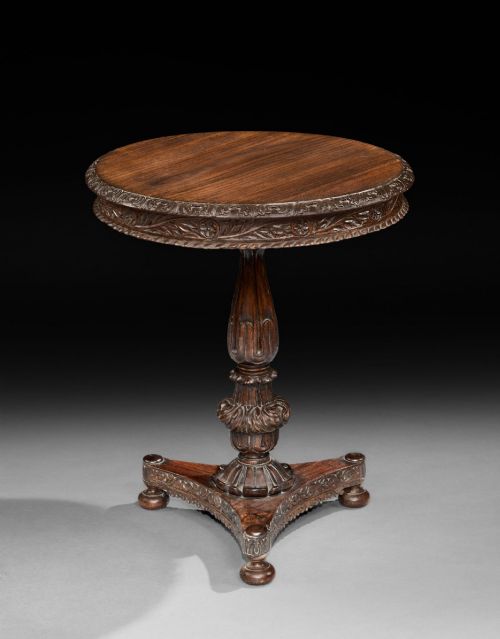
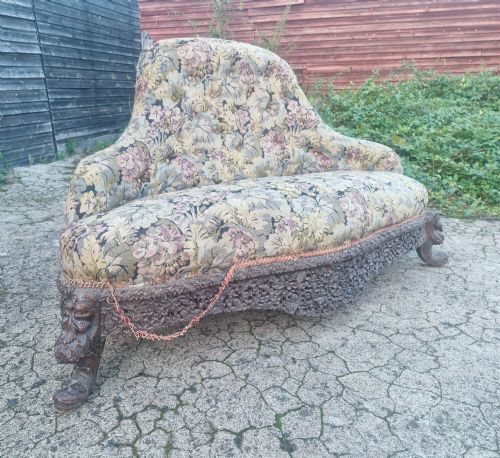
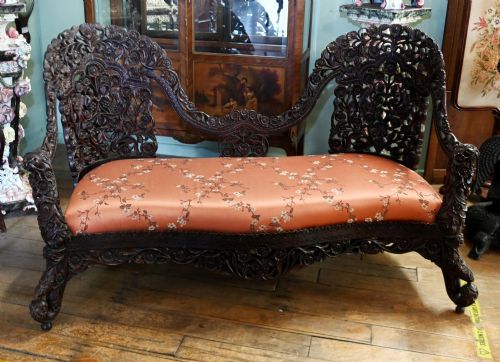
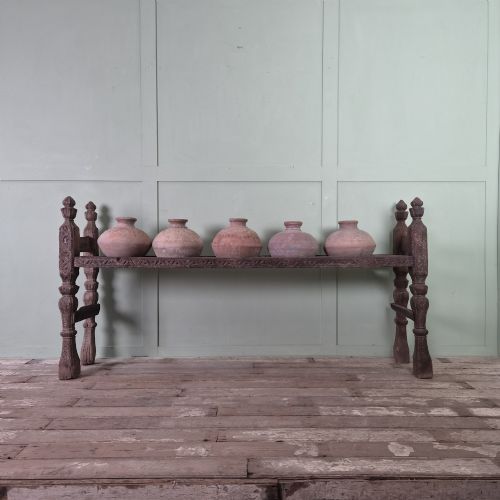
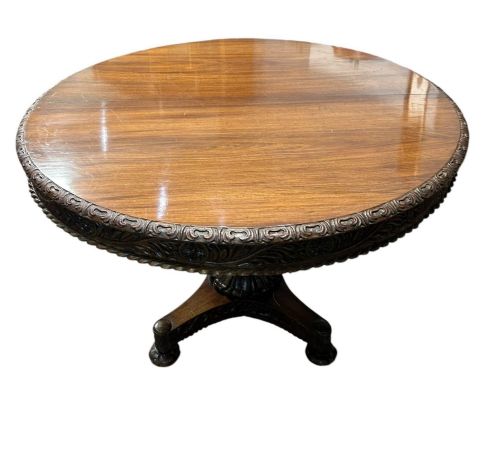
The most common forms on this page include sturdy campaign chests, intricately carved occasional tables, sideboards, cabinets, and seating such as armchairs, daybeds, and dining chairs. These items served administrative, military, and domestic roles within colonial outposts and British households.
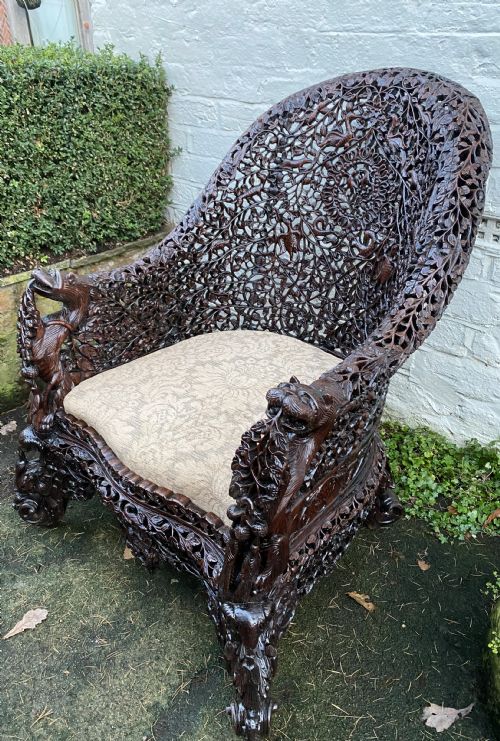
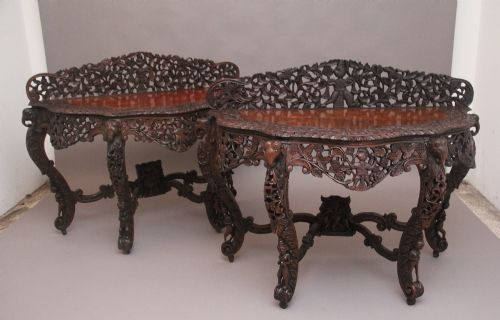
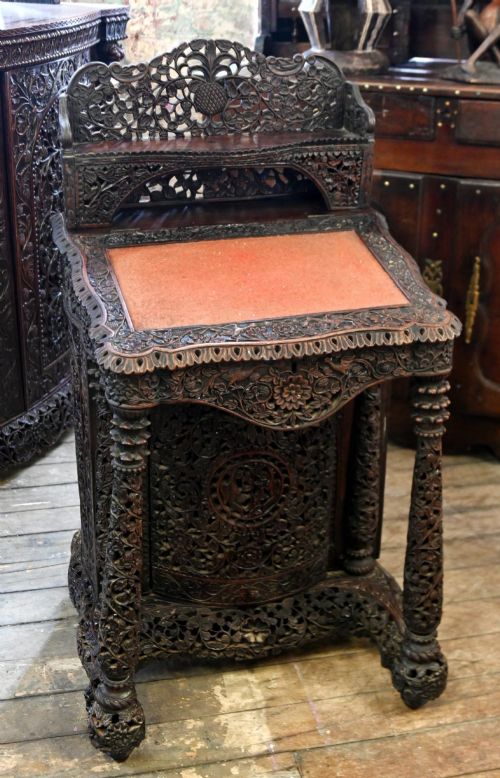
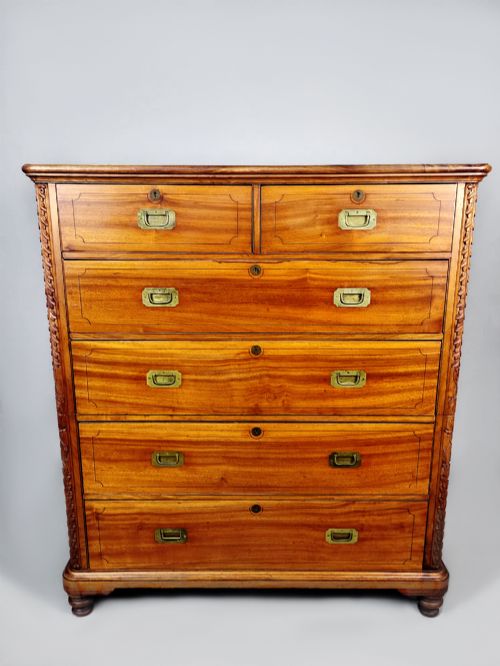
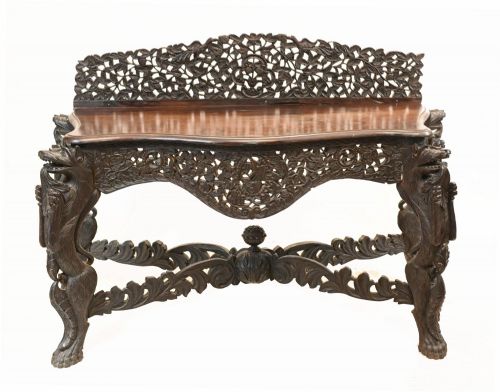
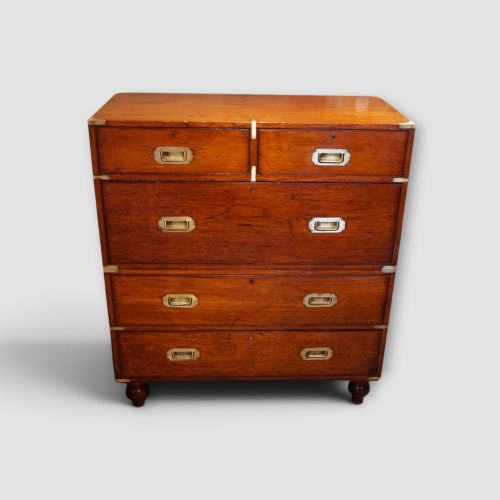
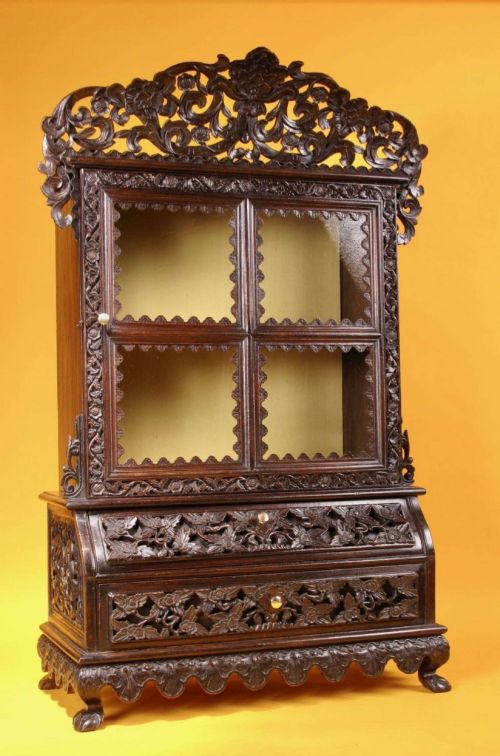
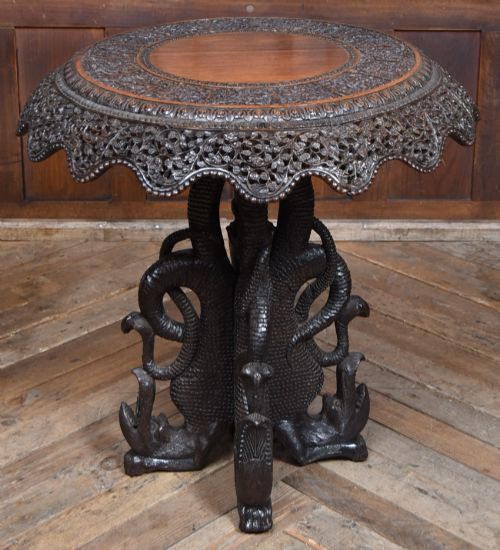
Stylistic influences divide broadly into Anglo-Indian, Anglo-Burmese, and military campaign designs. Anglo-Indian pieces often display dense floral or figural carving, while campaign furniture prioritises modular construction, brass corners, and flush handles for transport.
Standards of Execution
Quality in these pieces rests upon the crispness of the hand-carving and the integrity of the timber. Items with deeply undercut foliage and well-defined figures demonstrate superior hand-work compared to softer, shallower incisions.
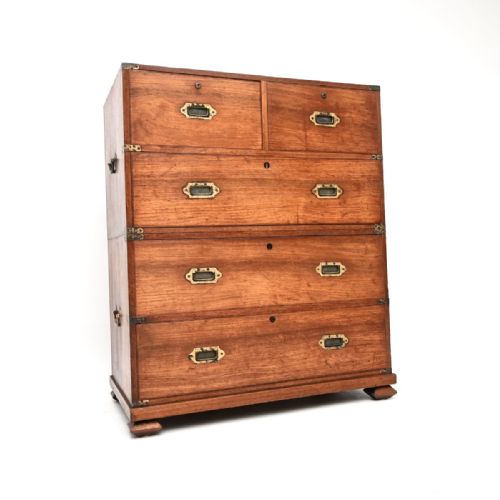
For campaign chests and desks, quality shows in the precision of the brass hardware, the smooth operation of modular sections, and the retention of original leather insets or fitted desk interiors. Surface finish and colour consistency across multi-part pieces also distinguish finer examples.
19th Century Teak Furniture Retail Price Guide 2026
Typical asking prices for 19th century teak furniture among the pieces listed under this phrase on Sellingantiques today, from the lower quarter to the upper quarter. They describe what is for sale here now, not the wider market.
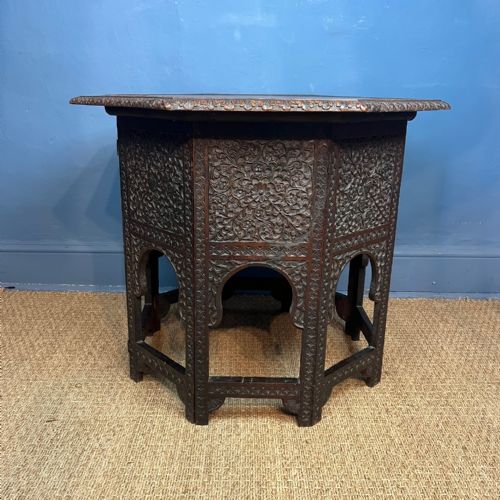
Listings on this page include 19th century teak campaign chests, Hoshiarpur tables, and intricately carved Anglo-Indian cabinets.
Army & Navy Stores
The 19th Century Teak Furniture Glossary
- Campaign chest
- A modular chest of drawers built in two or more stacking sections for military transport. These pieces feature recessed brass carrying handles and corner brackets to protect against knocks during travel.
- Anglo-Indian
- A descriptive term for furniture made in India during the British colonial period, combining traditional local craftsmanship with European forms. Such items frequently exhibit dense botanical carving and exotic hardwoods.
- Hoshiarpur
- A North Indian centre known for intricate woodwork involving delicate brass wire and bone inlay. Items from this tradition display geometric and floral patterns covering every available surface.
- Tilt-top table
- A table with a hinged mechanism allowing the tabletop to fold vertically when not in use. This design saved space in colonial quarters.
- Plantation chair
- A deep-seated reclining armchair featuring extended arms designed for resting feet. These chairs accommodated tropical climates through ergonomic comfort and broad wooden proportions.
19th Century Teak Furniture: Frequently Asked Questions
What is a campaign chest?
A campaign chest is a modular set of drawers constructed in separate stacking sections to facilitate easy transport by military officers on duty. They are fitted with brass corners, flush carrying handles, and removable feet.
These chests allowed officers to pack their belongings securely for long journeys across colonies. Their sturdy timber and practical design make them popular for modern home storage.
How do I identify Anglo-Indian furniture?
Anglo-Indian furniture is identified by its combination of European furniture forms, such as sideboards or tables, with traditional Indian carving techniques. The wood used is typically dense teak or rosewood.
Look for deep relief carvings depicting foliage, animals, or mythological figures. The craftsmanship reflects the blending of British functional requirements with local artisan skills.
What is Hoshiarpur inlay work?
Hoshiarpur inlay work involves embedding intricate patterns of brass wire and bone into dark hardwood surfaces. Tables and small furnishings from this region are entirely covered in geometric or floral motifs.
This technique creates a striking contrast between the pale inlay and the deep brown timber. Pieces featuring this work require careful dusting to preserve the fine metal and bone details.
How do I care for teak furniture?
Teak furniture requires minimal maintenance due to the natural oils present in the wood. Regular dusting with a soft cloth keeps the surface clean without stripping the finish.
Avoid placing these pieces near direct heat sources or strong sunlight to prevent drying and cracking. Occasional application of appropriate wax helps maintain the lustre of the timber.