


19th Century Swedish Desk
A 19th century Swedish desk brings practical northern European function and striking timber grain directly into a room.
19th Century Swedish Desk
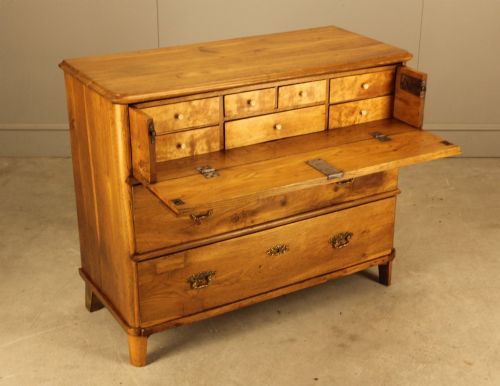
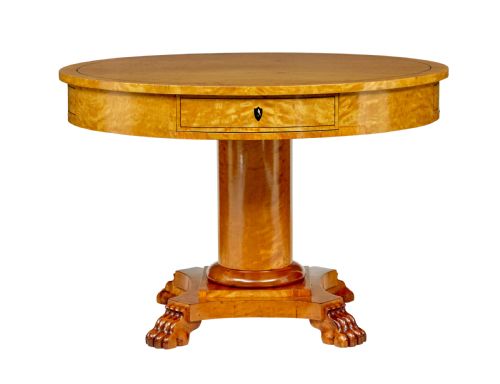
When considering a 19th century Swedish desk, buyers encounter forms ranging from writing tables and drop leaf tables to elaborate secretaire chests of drawers. These pieces reflect the functional domestic requirements of Scandinavian homes during the 1800s, utilising native timbers like pine and birch.
The version most commonly met on this page is the painted pine writing desk or side table, often finished in scraped paint or traditional rustic schemes. Alongside these sit more formal Biedermeier and empire examples, demonstrating how diverse nineteenth-century Scandinavian cabinetmaking truly was.
Origins trace directly to Swedish workshops producing furniture for both country houses and urban interiors. The aesthetic bridges utilitarian rustic farmhouse needs and the refined decorative ambitions of the Scandinavian country style.
Factors influencing quality
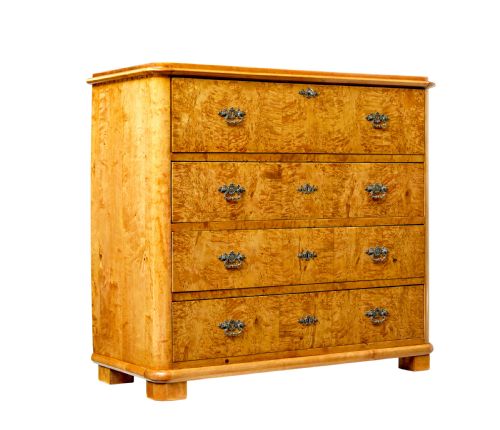
Quality reveals itself in the selection of timbers, particularly in the figuring and book-matching of burr birch veneers across drawer fronts and writing surfaces. Superior pieces display restrained handling of decorative elements, allowing natural wood grain or original layered paint to define the character.
Construction integrity distinguishes finer pieces, evident in the precision of drawer dovetailing and the stability of drop-leaf mechanisms or writing flaps. The retention of original painted surfaces or patinated finishes rather than modern overpainting elevates the standing of a desk.
Several tables retain traces of daily nineteenth-century life in their scraped pine and painted surfaces, holding centuries of quiet domestic history.
The 19th Century Swedish Desk Glossary
- Secretaire
- A desk or chest of drawers featuring a fitted drop-down writing flap that conceals small drawers and pigeonholes. This form offers dual utility as both storage furniture and a dedicated writing place.
- Birch
- A pale, durable hardwood native to northern Europe, prized for its subtle sheen and versatile working properties. In nineteenth-century Scandinavian furniture, it appears both as solid timber and as decorative veneer.
- Biedermeier
- A influential Central European and Scandinavian design style spanning the mid-nineteenth century, characterised by utilitarian comfort and clean lines. It highlights polished wood grains rather than heavy ornamentation.
- Scraped paint
- A finish where layers of historic paint have been partially worn back or scraped down to reveal underlying colours. This technique exposes the textural history of the piece.
- Escritoire
- A small writing cabinet or desk designed for correspondence and paperwork. These pieces often feature tiered internal compartments enclosed by a sloping or vertical fall-front.
19th Century Swedish Desk: Frequently Asked Questions
What defines a 19th century Swedish desk?
These pieces comprise writing tables, secretaires, and bureau desks produced in Sweden during the 1800s. They combine practical Scandinavian utility with regional stylistic movements like Biedermeier and rustic folk art.
Materials range from humble painted pine to highly figured burr birch veneers. Their forms suit modern interiors seeking functional workspaces with historic character.
How were these desks used originally?
Owners utilised them for household accounts, correspondence, and daily writing tasks in both country farmhouses and formal town houses. Drop-leaf and secretaire variations provided enclosed storage that could be closed when not in use.
Many functioned as multi-purpose tables within living spaces, adapting easily to domestic routines across rural and urban Sweden.
How do I care for a painted pine desk?
Keep wooden and painted surfaces away from direct sunlight and excessive heat sources to prevent timber movement or paint flaking. Dust gently with a dry, soft cloth.
Avoid chemical cleaning products that might compromise historic painted finishes or natural wax coatings on exposed birch and pine.
How do I tell Biedermeier desks apart from rustic pieces?
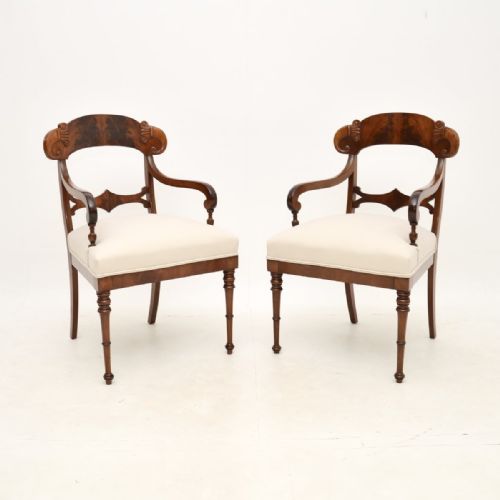
Biedermeier examples showcase polished hardwoods like birch and mahogany, prioritising clean architectural lines and dramatic wood grain. They reflect a more formal, urban aesthetic.
Rustic and country pieces typically utilise painted pine construction, emphasising folk art traditions, visible tool marks, and practical utility over veneered elegance.