
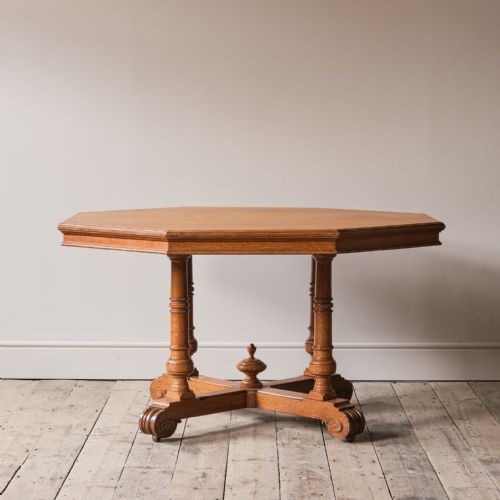
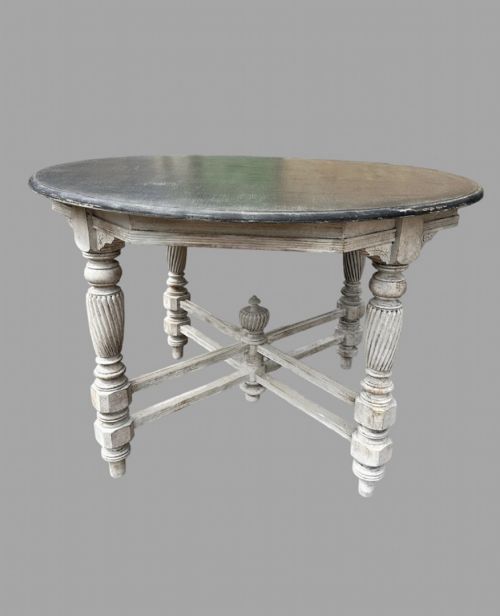
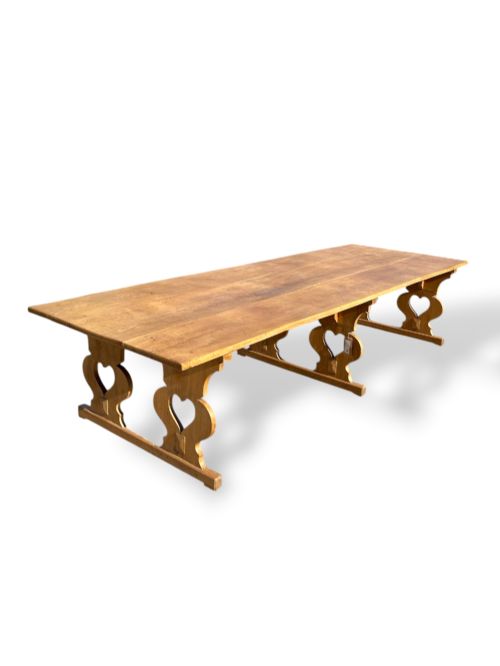
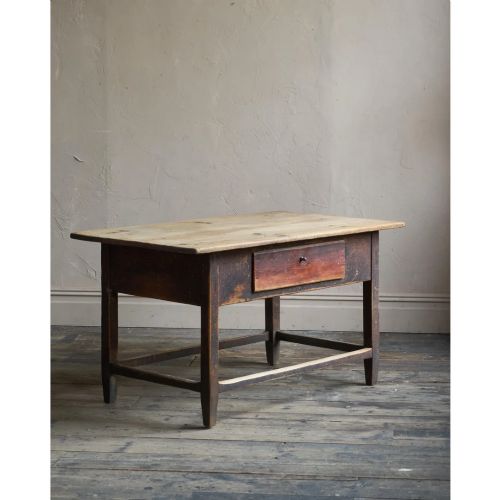
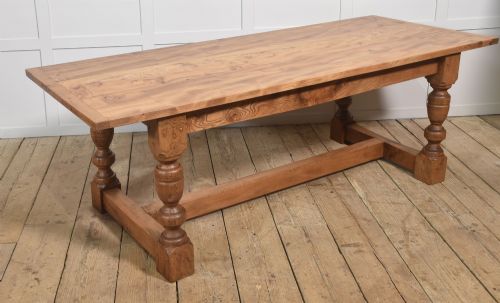
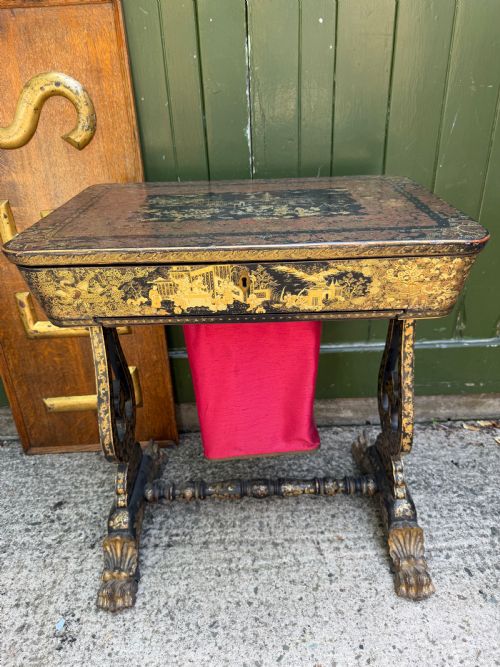
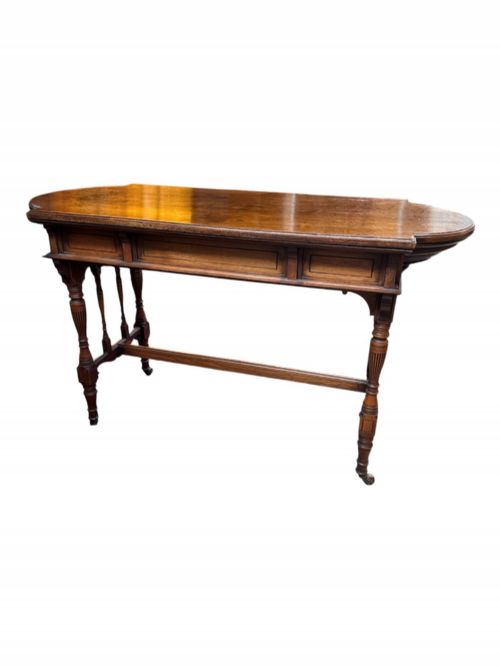
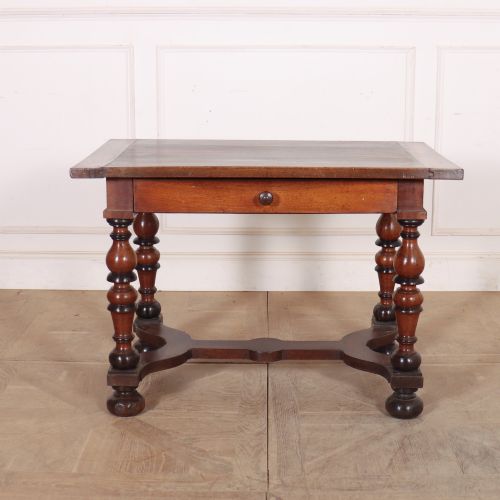
19th Century Stretcher Table
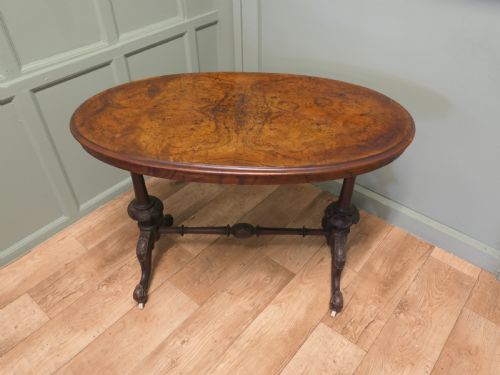
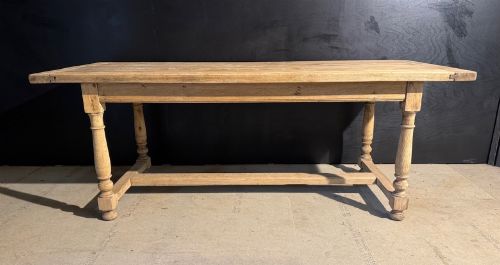
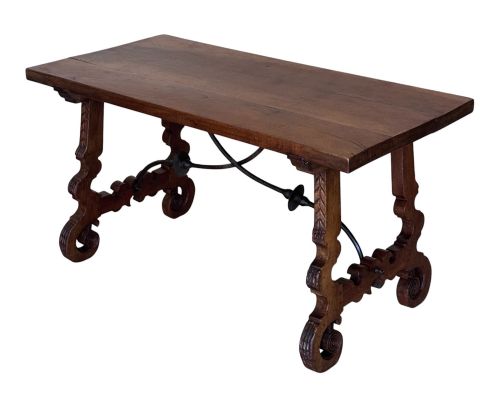
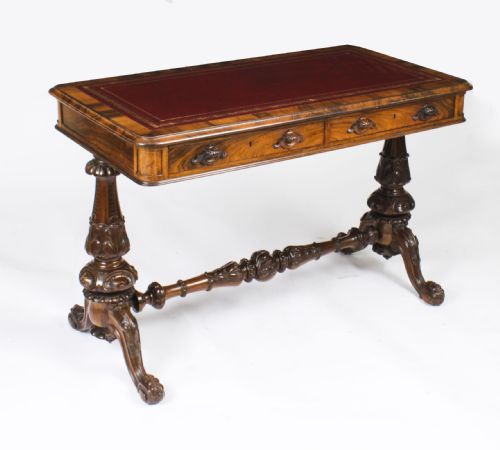
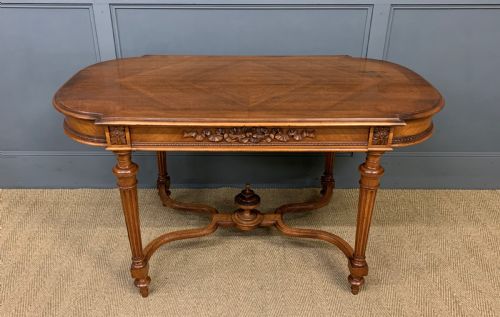
A 19th century stretcher table unites domestic utility with architectural stability through its characteristic low bracing.
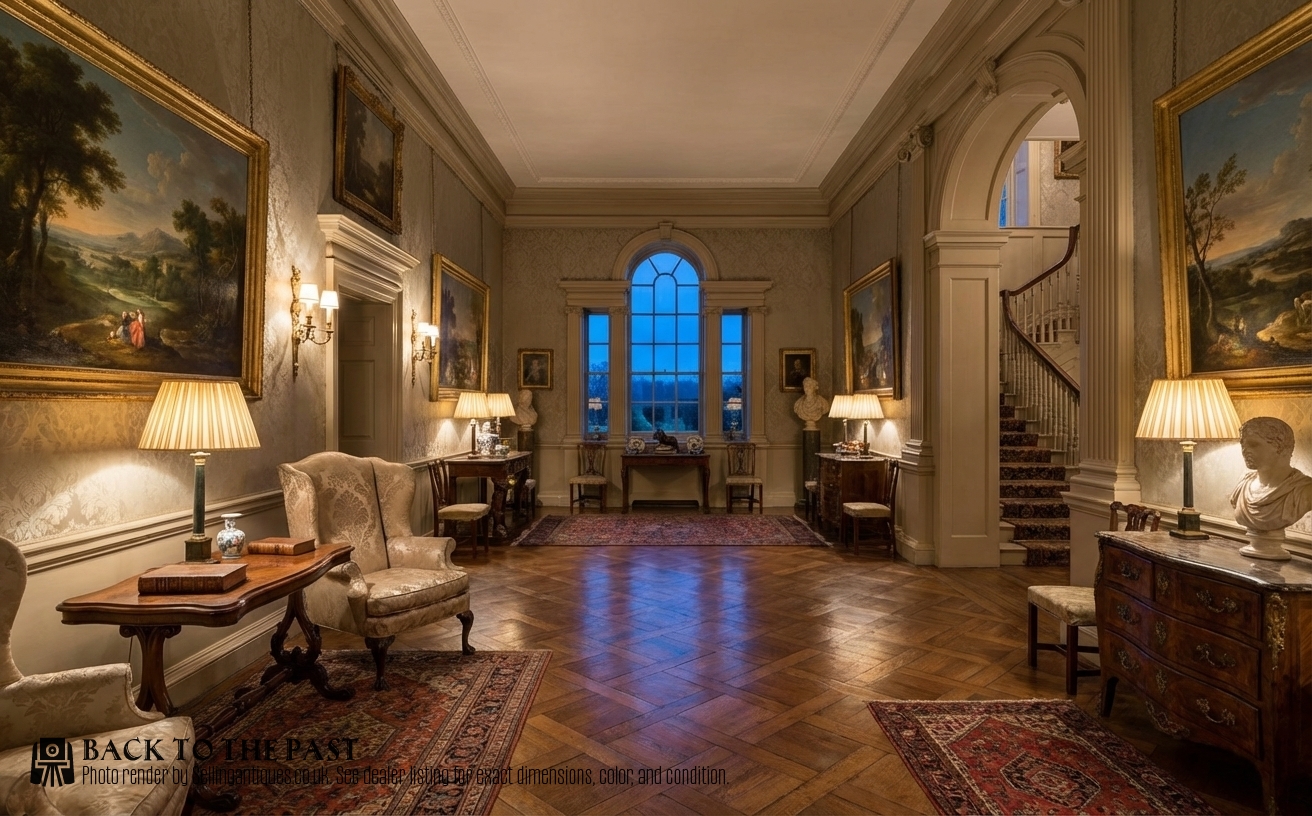
19th Century Stretcher Table
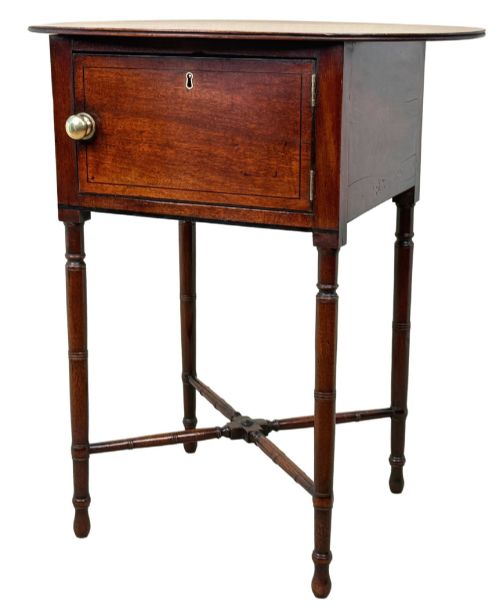
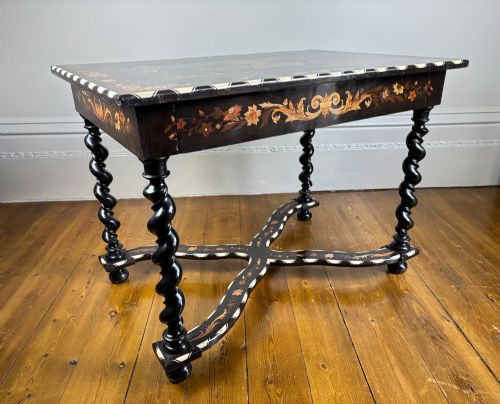
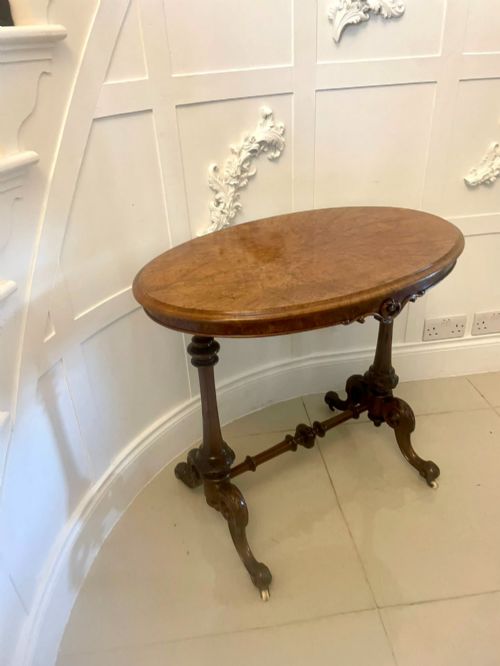
A 19th century stretcher table combines utilitarian timber framing with structural lower rails designed to prevent the legs from splaying. You will find these pieces appearing across multiple forms, including dining tables, centre tables, and side tables.
The materials span native and exotic hardwoods like oak, mahogany, walnut, and burr walnut, alongside fruitwoods and pine. Many examples emerge from regional British, French, and Scandinavian traditions.
Makers utilised oak, elm, and ash for robust farmhouse and refectory formats, while finer salon and library pieces employed rosewood and inlaid burr veneers. These tables served diverse domestic functions, from tavern seating to formal writing.
Construction and materials
Cabinetmakers constructed these tables using solid hardwoods such as oak, mahogany, and walnut, frequently applying burr walnut or rosewood veneers to prominent surfaces. Joinery relied on traditional mortise and tenon joints to secure the legs to the stretcher rails.
Secondary timbers like pine and beech appear in concealed structural elements, while painted and bleached finishes decorate regional European pine and fruitwood examples. Metal fixings remain minimal, often limited to brass castors or drawer pulls on writing tables.
Gradations of quality
Quality rests upon the selection of timber, particularly the grain figuration in burr walnut and mahogany surfaces. Superior examples demonstrate precise inlay work and carefully fitted drawers with dovetailed construction.
Structural integrity depends on the rigidity of the stretcher base and the tightness of the joinery. Tables retaining original patination and uncompromised timber thickness command greater interest than heavily restored equivalents.
Edwards & Roberts·Gillows
The 19th Century Stretcher Table Glossary
- Stretcher
- A horizontal timber rail connecting the legs of a table to provide lateral support and stability. They appear low near the floor or higher up as part of the underframing.
- Burr walnut
- A figured wood veneer harvested from the wart-like growths on walnut trees. It yields complex, swirling grain patterns highly favored in Victorian cabinetmaking.
- Refectory table
- A long, narrow dining table traditionally used in communal halls and monasteries. They are characterised by substantial timber legs united by a continuous lower stretcher.
- Centre table
- A freestanding table designed to be viewed from all sides rather than placed against a wall. They frequently occupy the middle of Victorian and Regency reception rooms.
- Joint stool
- A low wooden seat constructed with mortise and tenon joints before the widespread adoption of chairs. These domestic items share the sturdy framing techniques seen in larger tables.
19th Century Stretcher Table: Frequently Asked Questions
What is a stretcher table?
A stretcher table is a piece of furniture featuring horizontal wooden rails connecting the lower legs for added stability. These rails prevent the legs from moving outward under heavy loads.
Such tables served practical purposes in kitchens, dining halls, and libraries throughout the nineteenth century.
How do I identify Victorian tables?
Victorian tables often display dense hardwoods like walnut, mahogany, and oak, frequently decorated with carved details or contrasting veneers. Sturdiness and utilitarian design usually define the domestic pieces from this era.
Examining the underside reveals construction methods, tool marks, and secondary timbers characteristic of nineteenth-century workshop practices.
Were these tables used for dining?
Many nineteenth-century tables with stretcher frames functioned as dining surfaces in farmhouses, monasteries, and taverns. Refectory and farmhouse formats provided the necessary length and legroom for communal meals.
Smaller iterations functioned as side tables, desks, or centre tables rather than primary dining furniture.
What is a centre table?
A centre table is finished on all sides to stand independently in the middle of a room rather than against a wall. They served decorative and functional roles in Victorian reception spaces.
Many examples incorporate round or octagonal tops supported by central pedestals or four legs braced by stretchers.
How should I care for antique wood?
Protect antique wood surfaces by keeping them away from direct sunlight and maintaining stable indoor humidity levels. Gentle dusting with a dry cloth preserves the aged patination.
Avoid modern chemical polishes that can degrade nineteenth-century wax finishes and finishes applied to burr veneers.