

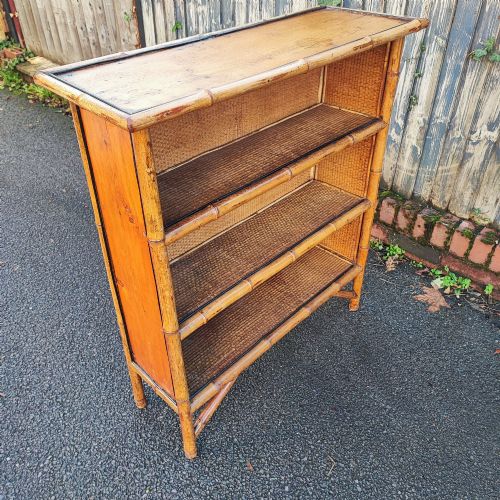
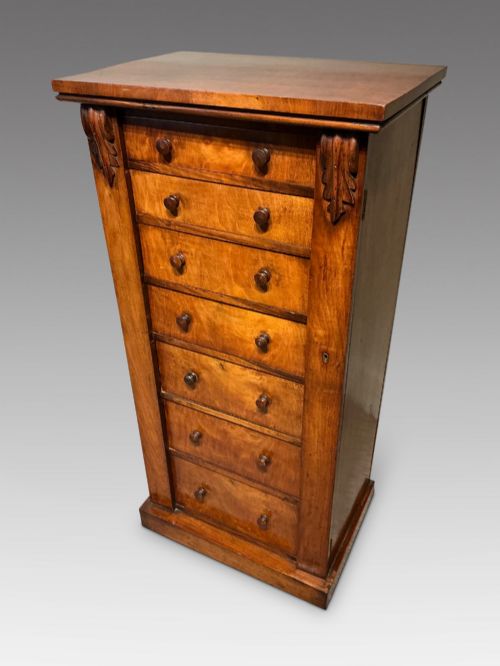
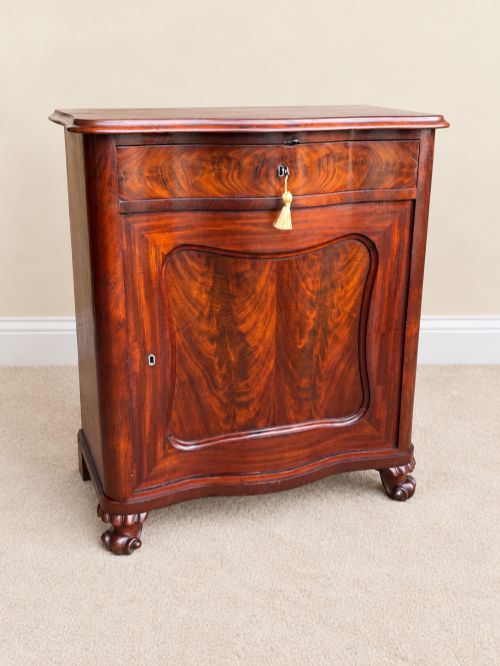
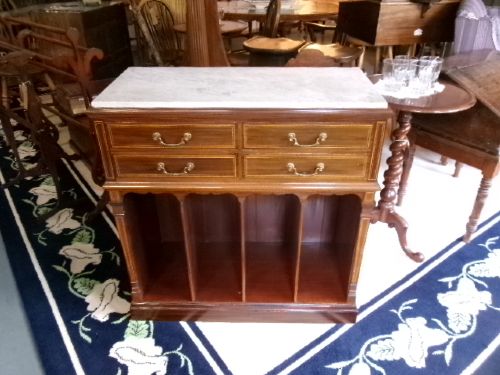

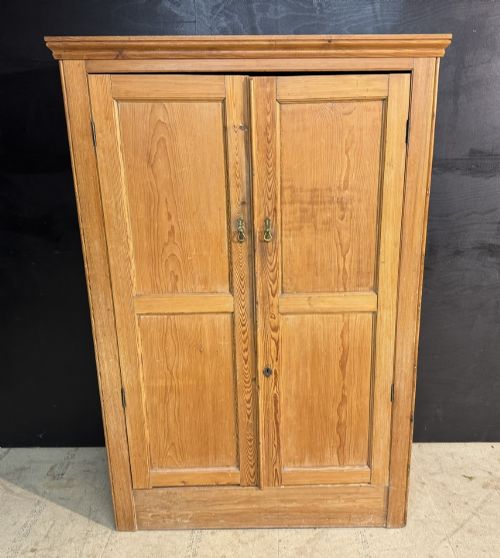
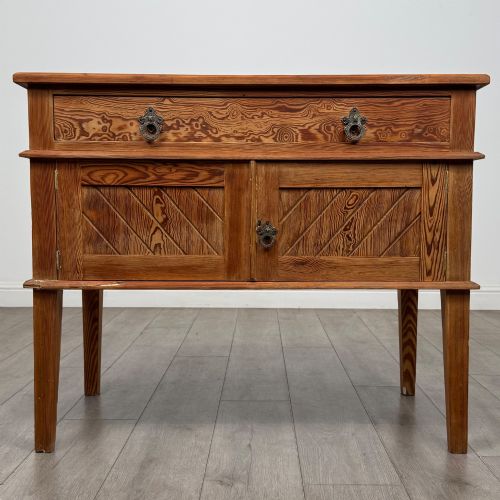
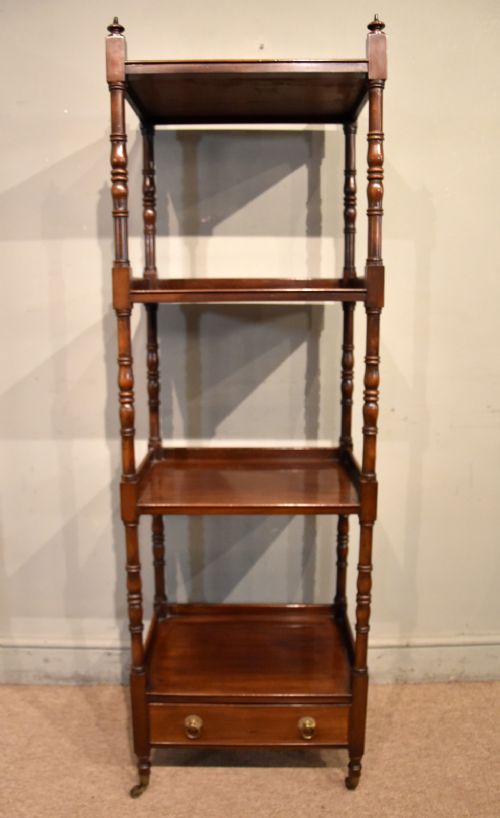
19th Century Storage Unit
A 19th century storage unit organises domestic belongings through timber craftsmanship, offering period character alongside everyday practicality.
19th Century Storage Unit
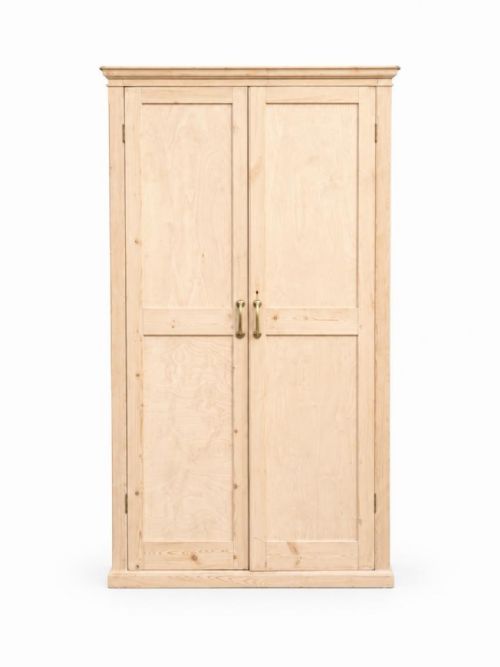
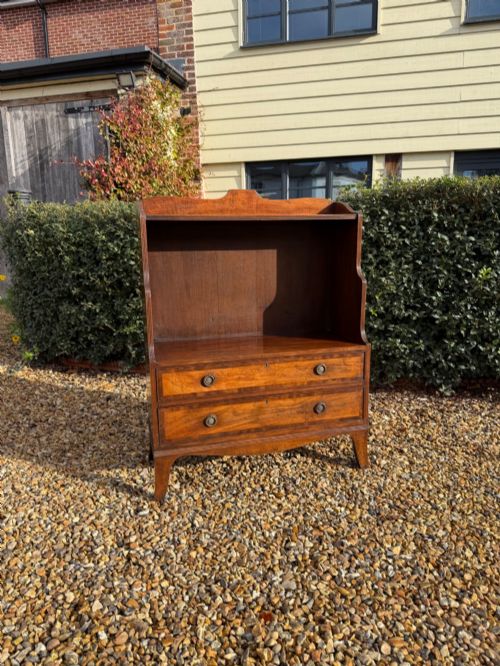
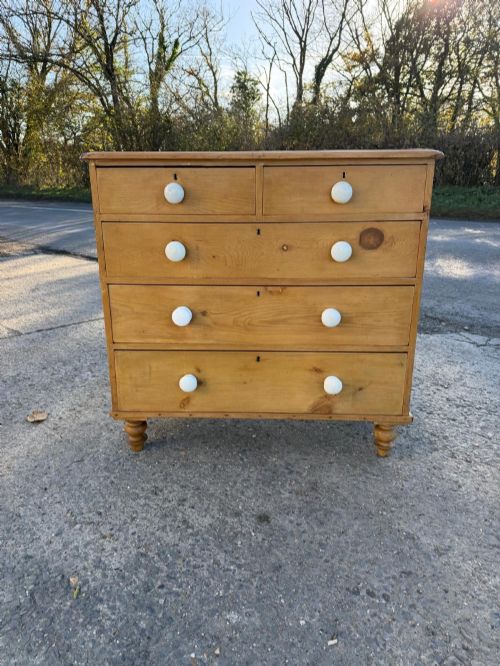
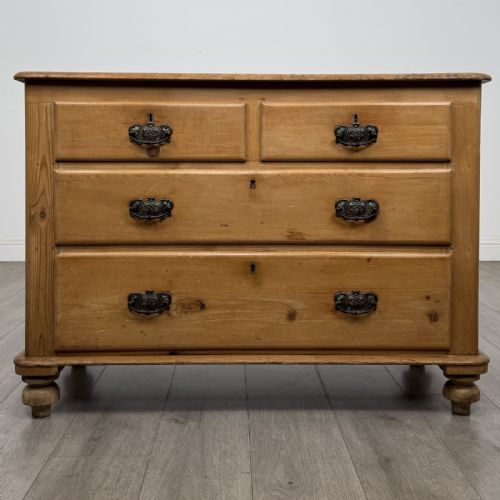
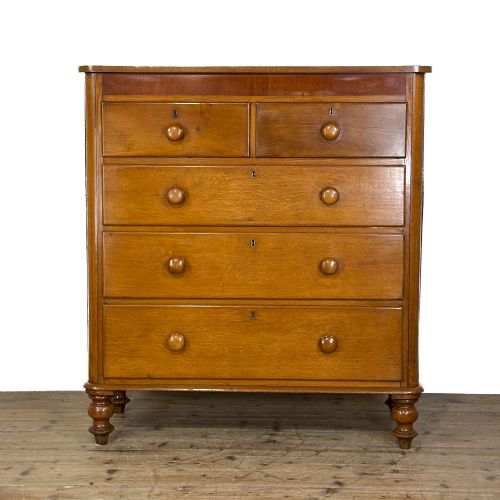
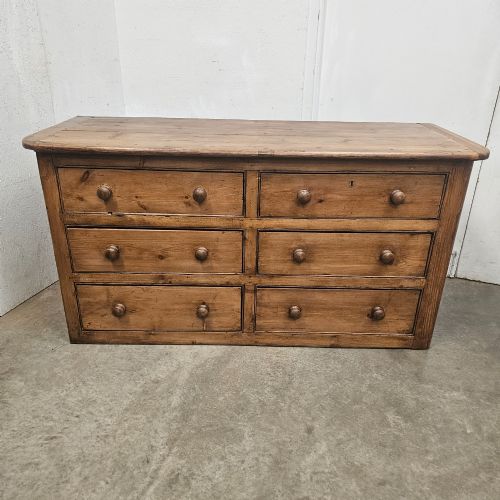
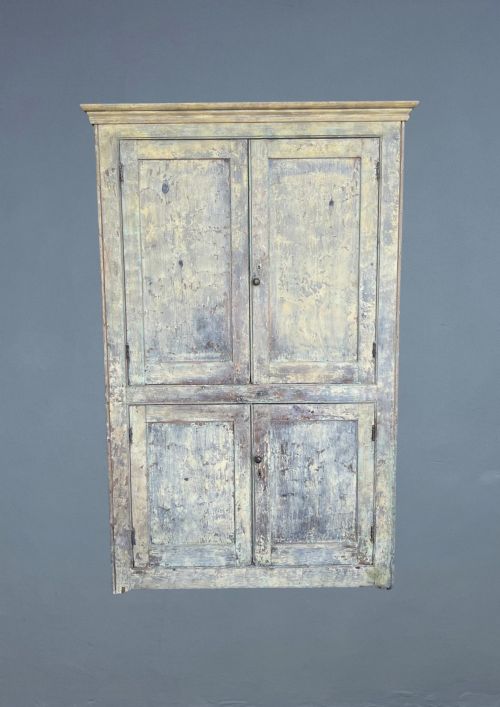
A 19th century storage unit encompasses a diverse group of domestic furnishings designed to hold items, from large wardrobes and larder cupboards to compact chests of drawers and multi-drawer banks. These pieces emerge primarily from the 19th Century and Victorian eras, alongside Regency and Biedermeier periods.
The most common formats met on this page are mahogany and pine chests of drawers, alongside corner cupboards, bookcases, and specialised cabinets. Origins range from English country workshops to French provincial makers and Chinese Qing Dynasty outputs.
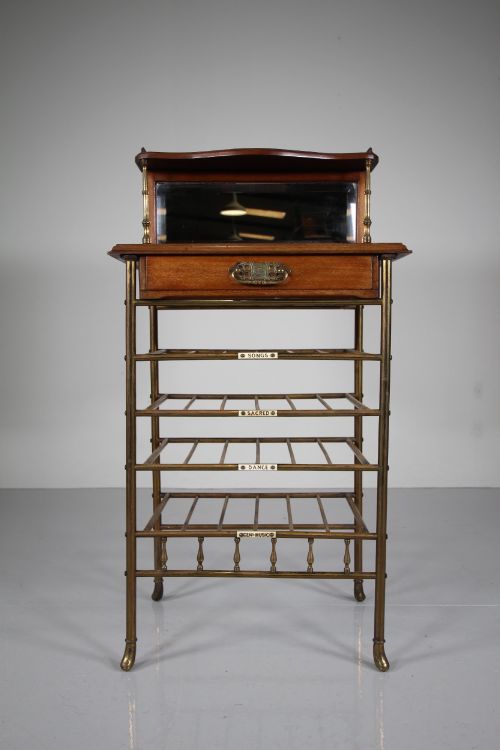
Buyers encounter utility pieces like railway ticket cupboards alongside formal mahogany chiffoniers and walnut commodes. Each form reflects the specific domestic or commercial filing and housing needs of its period.
How they were made
Makers utilised solid woods such as mahogany, pine, walnut, and rosewood, often enhanced with veneers like flame mahogany or burr walnut. Structural elements frequently incorporated secondary timbers, while brass fittings, iron hardware, and glass panes added utility and decoration.
Construction techniques relied on traditional joinery, dovetailing for drawer construction, and hand-turned supports. Surface finishes varied from wax and French polish to painted japanning, scumble glazes, and red and black lacquer work.
19th Century Storage Unit Retail Price Guide 2026
Typical asking prices for 19th century storage unit among the pieces listed under this phrase on Sellingantiques today, from the lower quarter to the upper quarter. They describe what is for sale here now, not the wider market.
Listings feature woods including pine, mahogany, walnut, and rosewood across the 19th Century, Victorian, and Regency periods.
What varies in quality
Quality rests in the selection of timbers, such as figured flame mahogany or burr walnut, matched against the integrity of the original construction and joinery. Finer examples display meticulous attention to interior drawer linings, secret compartments, and integrated architectural mouldings.
The balance between decorative elements, such as inlaid brass or hand-painted Chinoiserie scenes, and functional durability dictates the standing of each piece. Retaining original hardware, glass, and surface finishes elevates the standing of an item within its period.
Luxmore's of Ilfracombe
The 19th Century Storage Unit Glossary
- Commode
- A low cabinet or chest of drawers, often of French or Continental origin. These pieces typically stand on short legs and serve bedroom or reception room storage.
- Chiffonier
- A low sideboard or cabinet featuring shelves or drawers, developed during the 19th century for dining and living rooms. They often combine display surfaces with enclosed cupboard space.
- Whatnot
- An open, tiered set of shelves used for displaying ornaments and books. These freestanding stands utilise multiple upright supports to create stacked display levels.
- Japanning
- A European imitation of East Asian lacquerwork. Craftsmen applied layers of dark varnish and raised metallic decoration to wooden surfaces.
- Scumble
- A translucent or semi-opaque glaze layered over a lighter painted base. Painters manipulated this wet layer with combs or rags to simulate the grain of more expensive hardwoods on common pine.
19th Century Storage Unit: Frequently Asked Questions
How do I choose the right storage unit?
Consider the available floor space and the specific items you intend to house, balancing tall bookcases or larder cupboards against low chests of drawers.
Match the timber and style, such as mahogany Regency pieces or waxed pine Victorian items, to the existing character of your room.
What woods were used for 19th century storage?
Cabinet makers relied heavily on mahogany, walnut, and rosewood for formal reception furniture, while utility pieces and country items utilised pine.
Decorative variations included flame mahogany veneers, burr walnut accents, and pitch pine construction.
How do I care for antique pine furniture?
Maintain waxed pine surfaces by applying traditional beeswax periodically to nourish the timber and preserve the soft sheen.
Keep these pieces away from direct heat sources and sudden humidity changes to prevent timber movement and cracking.
Are these storage units suitable for daily use?
These pieces were built for practical domestic storage and function reliably for modern belongings when drawers and doors are properly fitted.
Gentle handling of antique runners, hinges, and original locks ensures the longevity of daily domestic service.