

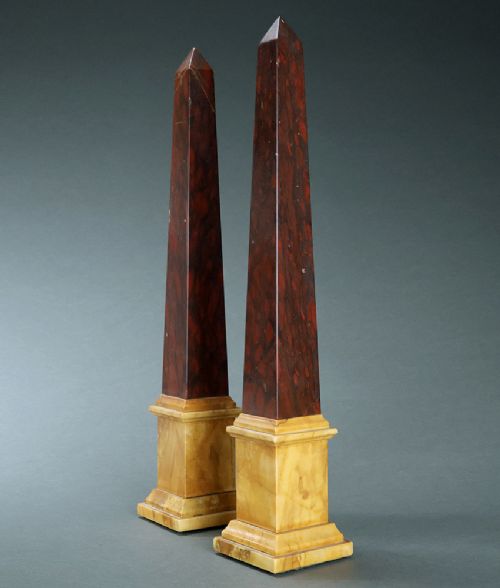


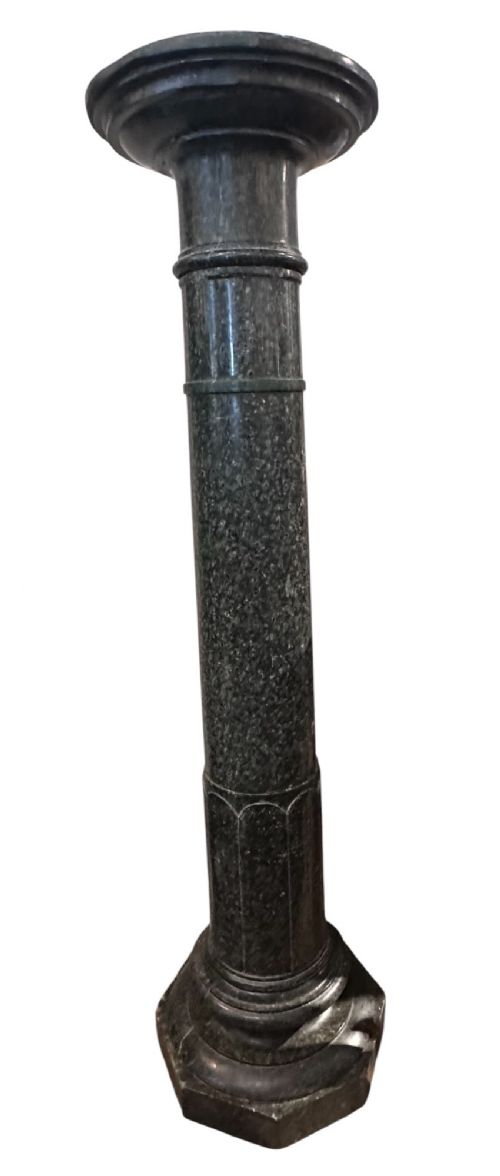


19th Century Stone Plinths
These 19th century stone plinths bring sculptural weight and classic architectural presence to any interior or garden setting.
19th Century Stone Plinths
These 19th century stone plinths comprise pedestals, columns, and architectural supports designed to elevate statues, urns, and decorative objects. Originating from the 19th century, they span garden ornaments and interior architectural salvage shaped by neoclassical, Gothic revival, and grand tour aesthetics.
Italian, French, and Chinese origins appear across the selection, alongside items linked to grand tour collections. Buyers encounter both utilitarian garden blocks and finely carved interior display columns.
How they were made
Stonemasons shaped these pieces using traditional hand-carving techniques on blocks of marble, limestone, alabaster, and serpentine. Sculptors worked local and imported stones to achieve classical architectural details such as Corinthian capitals and fluted columns.
Moulders utilised cast stone, composite stone, and terracotta mixtures poured into forms to produce uniform garden pedestals and architectural ornaments. Some surfaces received protective or decorative coats of paint.
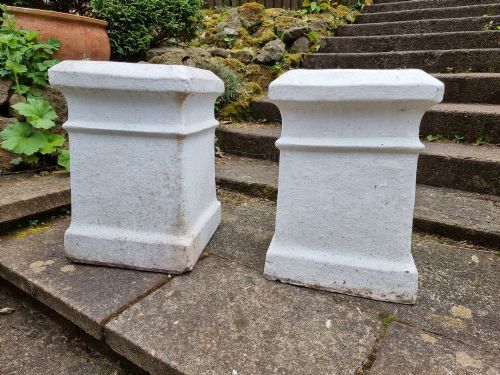
The selection includes architectural salvage such as Corinthian capitals and chimney pot pedestals.
What varies in quality
Quality depends upon the purity and grade of the stone utilised, from common limestone and cast composites to dense Carrara and Ashford black marbles. Finer materials allow for sharper chisel work and crisper architectural moulding.
The execution of the carving dictates the distinction between standard utilitarian pedestals and artistic works. Superior examples display precise proportions, clean geometric lines, and well-defined ornamental details.
Bright And Sons·Selim Bright
The 19th Century Stone Plinths Glossary
- Carrara Marble
- A white or blue-grey marble quarried in the city of Carrara in Tuscany, widely utilised for Italian sculpture and architectural pedestals throughout the nineteenth century.
- Corinthian Capital
- The uppermost member of a classical column, decorated with acanthus leaves and scrolls derived from ancient Greek and Roman architecture.
- Composite Stone
- A manufactured material combining crushed stone aggregates with a binder, poured into moulds to create durable garden ornaments and plinths.
- Grand Tour
- A traditional trip of Europe undertaken by upper-class European young men of means, resulting in the acquisition of classical marbles, obelisks, and statues.
- Serpentine Marble
- A dark green rock rich in serpentine minerals, polished to resemble marble and utilised for decorative columns and urns.
19th Century Stone Plinths: Frequently Asked Questions
Where should I place a stone plinth?
These pieces suit both interior display rooms and garden settings, depending on the material and original function. Interior spaces accommodate polished marble columns and alabaster supports, while composite stone and limestone variants withstand exterior elements.
Position them as standalone decorative objects or utilise them to elevate busts, urns, and sculptures. Ensure the supporting floor or ground surface is level and capable of bearing substantial stone weight.
How do I care for marble plinths?
Clean marble surfaces gently with a soft cloth and neutral, non-abrasive soap mixed with warm water. Avoid acidic cleaners, harsh chemicals, and abrasive scrubbing pads that damage the polished stone finish.
Protect interior marble from moisture rings by using coasters or protective pads under heavy displayed objects. Exterior pieces require seasonal cleaning to prevent moss and lichen accumulation in carved crevices.
Are these plinths suitable for gardens?
Certain materials like cast stone, composite stone, and limestone endure outdoor weathering and garden placement successfully. These frost-resistant compositions handle seasonal temperature shifts when positioned on stable ground.
Alabaster and painted items require indoor placement to prevent moisture penetration and surface degradation. Verify the specific material composition before exposing any nineteenth-century pedestal to outdoor elements.
How do I identify the stone type?
Examine the surface texture, veining, and weight to determine the material category. Marbles display natural crystalline structures and mineral veining, whereas composite and cast stones reveal aggregate particles within a uniform matrix.
Limestone exhibits a matte, porous finish with occasional fossil inclusions, and alabaster offers a softer, translucent quality. Comparing the piece against known nineteenth-century geological samples clarifies regional origins.