
19th Century Stone Carving
These 19th century stone carving pieces span classical figures, grand tour souvenirs, and architectural fragments, offering substantial sculptural presence for any interior.
19th Century Stone Carving
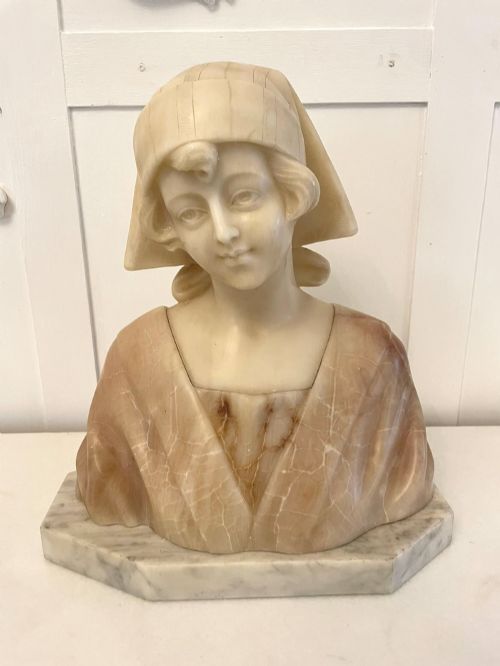
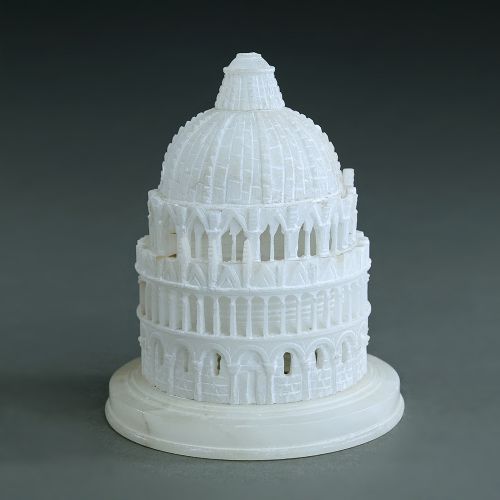
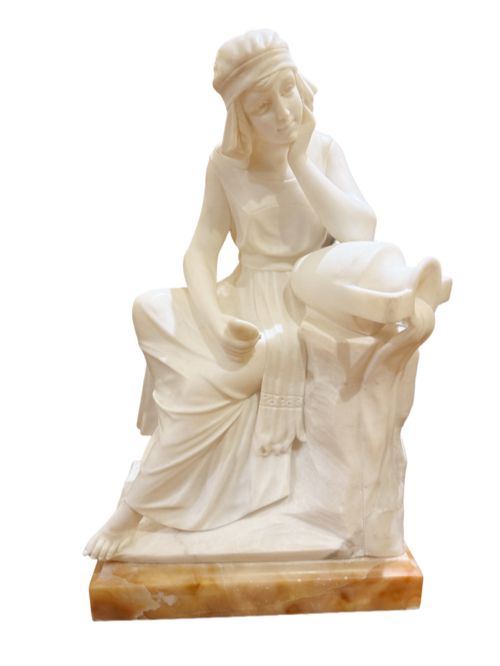
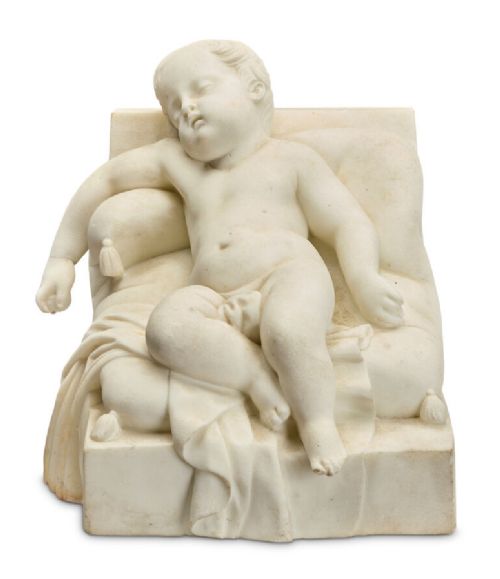
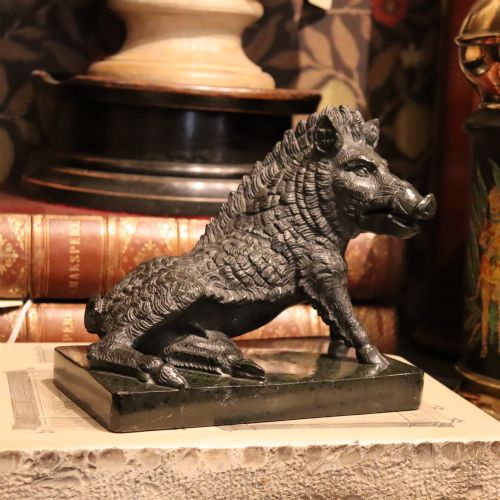
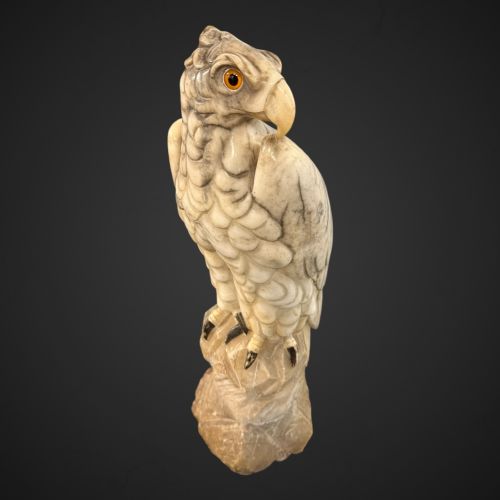
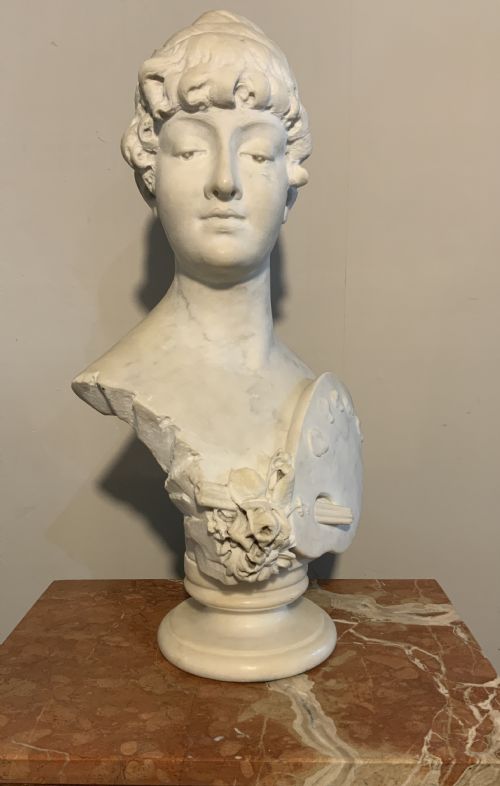
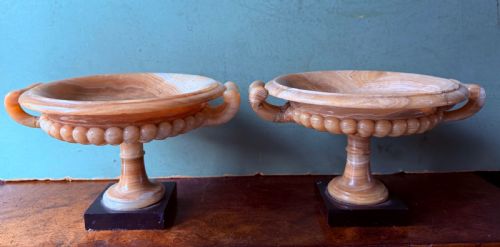
A 19th century stone carving search brings together sculptural works, architectural elements, and decorative objects produced across Europe and Asia during the 1800s. Buyers encounter numerous Italian Grand Tour souvenirs, including alabaster busts, serpentine animals, and marble tazze modeled after ancient antiquities.
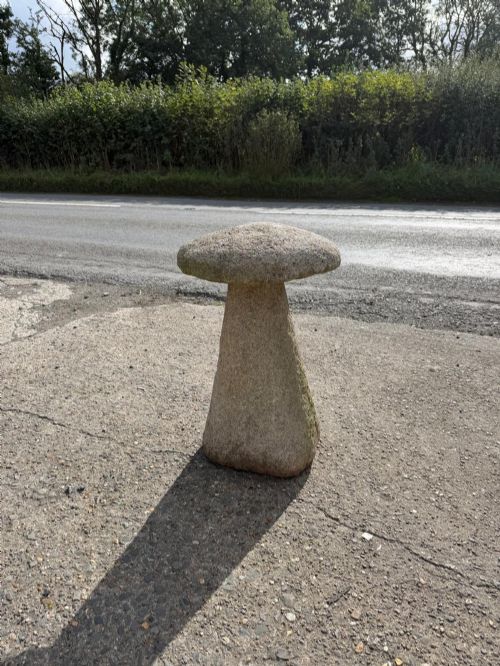
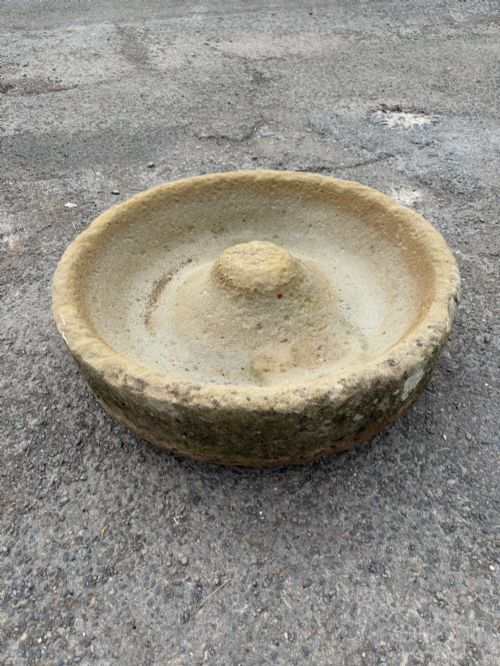
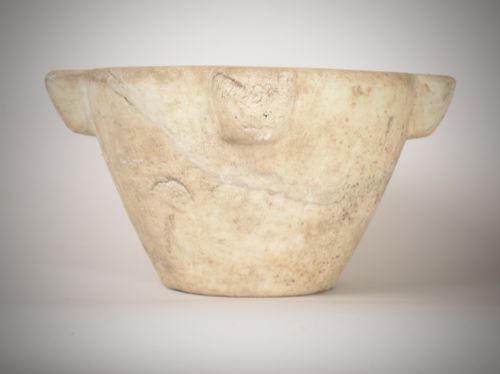
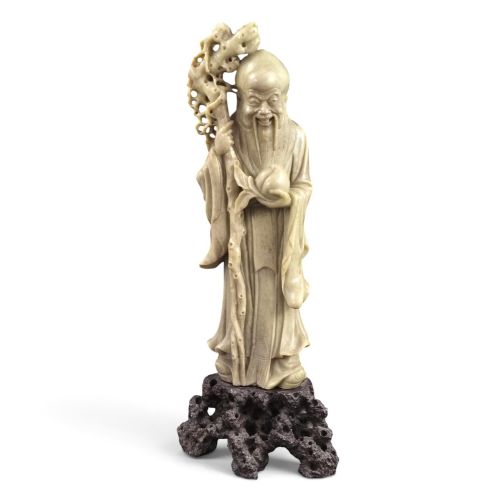
Beyond European classical revivals, the inventory incorporates Victorian portrait busts, architectural corbels, and East Asian soapstone and hard stone carvings. These items range from large garden urns and console tables down to smaller decorative bowls and wearable lava stone bracelets.
The prevailing aesthetic draws heavily from Neoclassical and Victorian design principles, translating mythological subjects, historical figures, and natural forms into durable mineral mediums. Pieces emerge in forms as varied as recumbent lions, death masks, and detailed figures of musicians and deities.
Materials and carving techniques
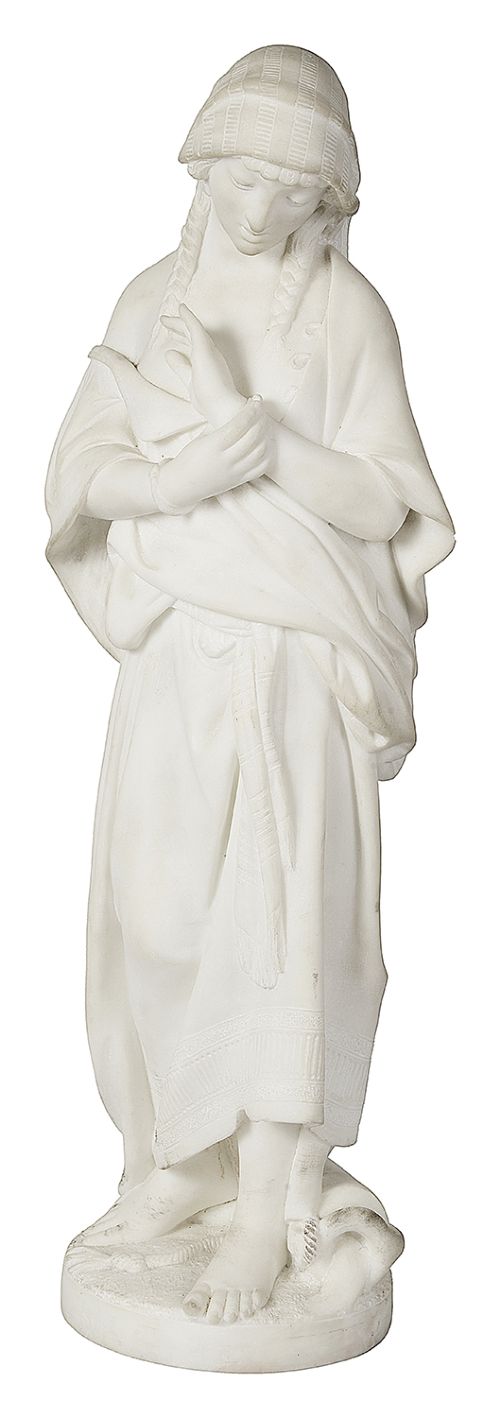
Carvers utilised a diverse palette of stones, relying predominantly on Carrara marble, white marble, alabaster, and various serpentines. Softer mediums like soapstone and terracotta also appear alongside dense hard stones and occasional glass components.
Execution relied on traditional hand-chiselling and polishing methods, often following classical prototypes or contemporary academic models. Workshops employed specialised tools to achieve fine surface textures, highly figured veining, and smooth patination across both large statues and miniature reliefs.
A Florentine boar sculpture stands ready to greet visitors, alongside recumbent lions and a tiny carved stone picture of a man feeding geese.
Judging quality in carved stone
Quality rests upon the anatomical precision of the carving, the liveliness of the facial expression, and the depth of the relief work. Master carvers capture subtle drapery folds and muscular tension that lesser hands render stiffly.
The selection of the raw mineral block dictates visual impact, with pure white marbles and richly figured serpentine or alabaster providing superior depth. Signatures from recorded sculptors or attribution to established workshops elevate historical standing.
Barranti Florence·Eugene Aizelin·J Francis·Antonio Canova·Carrier Belleuse·Bright And Sons
The 19th Century Stone Carving Glossary
- Grand Tour
- A cultural journey undertaken by wealthy young Europeans to view continental antiquities, resulting in the acquisition of souvenir sculptures and architectural models. These miniature or reduced-scale copies typically reproduced famous classical statues found in Italian collections.
- Tazza
- A shallow ornamental cup or vase set upon a stem and foot, frequently carved from marble or alabaster. They were often produced in pairs as decorative garnitures during the Victorian period.
- Serpentine
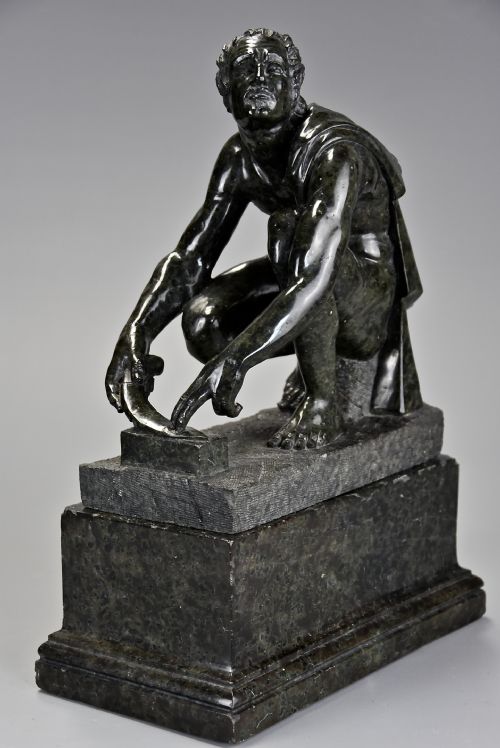
- A hydro-silicate of magnesium yielding a mottled green or dark stone that takes a high polish. It was widely utilised by Italian workshops for copying antique bronzes and animal figures.
- Alabaster
- A fine-grained, translucent stone prized for its soft texture and warm luminosity. Sculptors favored it for portrait busts and interior architectural ornaments where light could penetrate the surface.
- Corbel
- A structural piece of stone jutting from a wall to carry a superincumbent weight, often carved into figurative motifs such as putti. They served both load-bearing and decorative functions in nineteenth-century architecture.
19th Century Stone Carving: Frequently Asked Questions
Where should I display sculptures?
Place heavier marble and stone carvings on sturdy console tables, pedestals, or architectural brackets capable of supporting considerable weight. Ensure pieces are positioned away from direct heat sources and drastic temperature shifts.
Smaller objects such as tazze and animal figures suit mantelpieces, bookshelves, or enclosed display cabinets where they remain protected from accidental knocks.
What is Grand Tour art?
Grand Tour art comprises souvenirs purchased by travellers touring historical European sites during the eighteenth and nineteenth centuries. These reductions of classical statues allowed collectors to bring home representations of famous museum pieces.
Workshops in Florence and Rome specialised in carving these miniature marbles, alabasters, and serpentines for the foreign market.
How are periods identified?
Period attribution relies upon stylistic markers, material popularity, and any accompanying signatures or foundry marks. Neoclassical and Victorian proportions often reflect the prevailing aesthetic tastes of specific decades within the 1800s.
Tool marks, weathering patterns, and historical documentation help distinguish nineteenth-century production from later reproductions.