

19th Century Snuff
These 19th century snuff containers are portable boxes, bottles, and mull ways for carrying tobacco, shaped by Georgian and Victorian hands.
19th Century Snuff
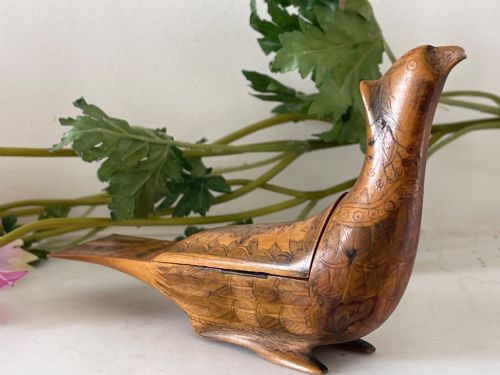
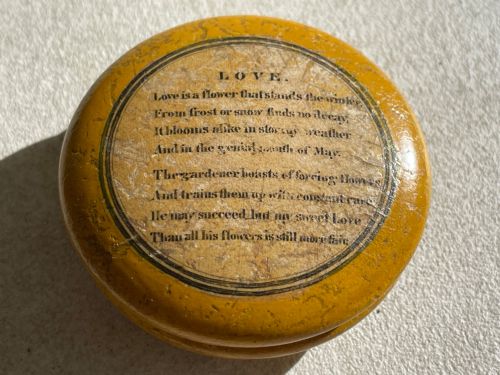
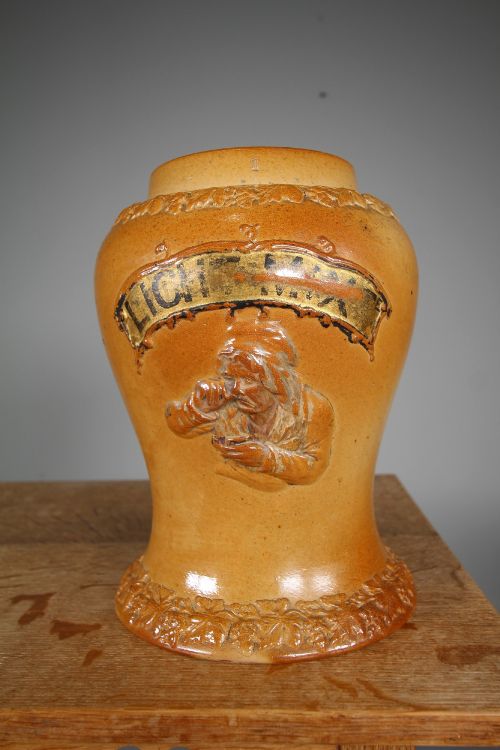
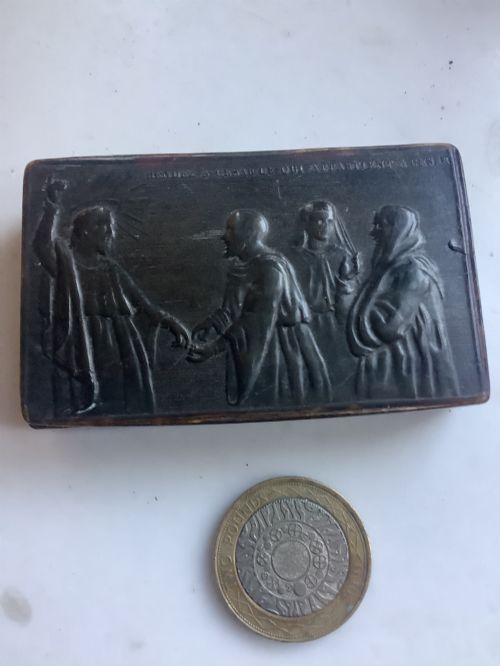
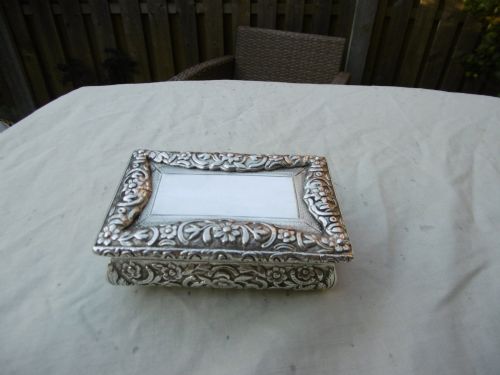
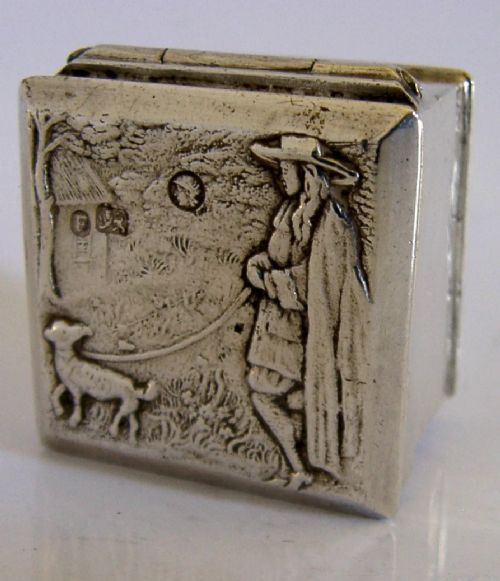
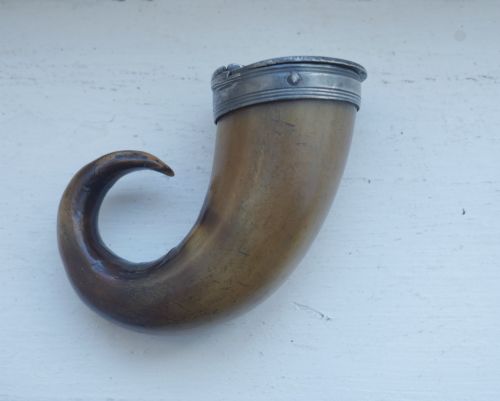
When a collector searches for 19th century snuff, they encounter pocket boxes, table snuff boxes, and small bottles designed for powdered tobacco. The pieces available range from Scottish horn mull forms to Chinese porcelain bottles and English papier-mâché pocket containers.
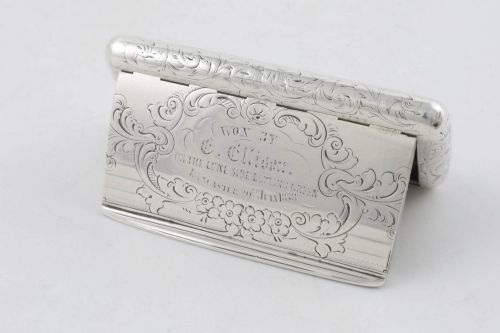
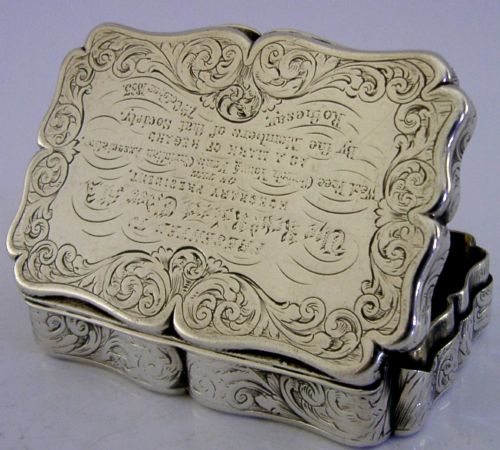
Pocket boxes dominate the selection, often rendered in silver, wood, or tortoiseshell, while larger table snuff boxes sit heavier in sterling silver or lacquered papier-mâché. Buyers also meet specialised items like snuff bottles from the Qing Dynasty and treen mortars.
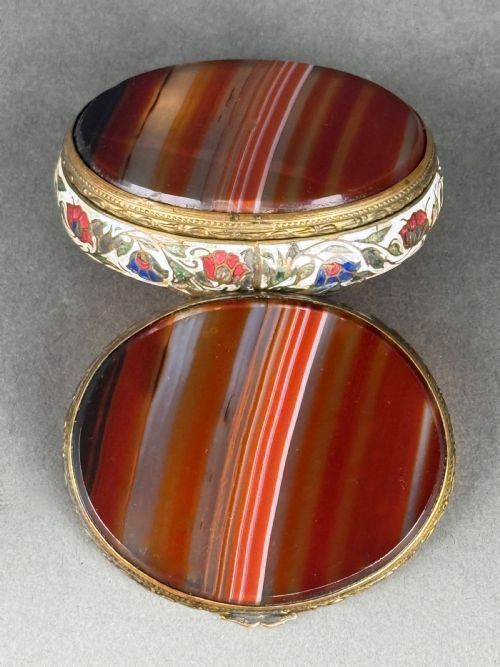
Origins span British workshops in Birmingham and Scotland alongside French, Dutch, and Chinese production centres. Each region brought its own material preference, from Scottish horn to French champlevé enamel and gold.
Materials and Techniques
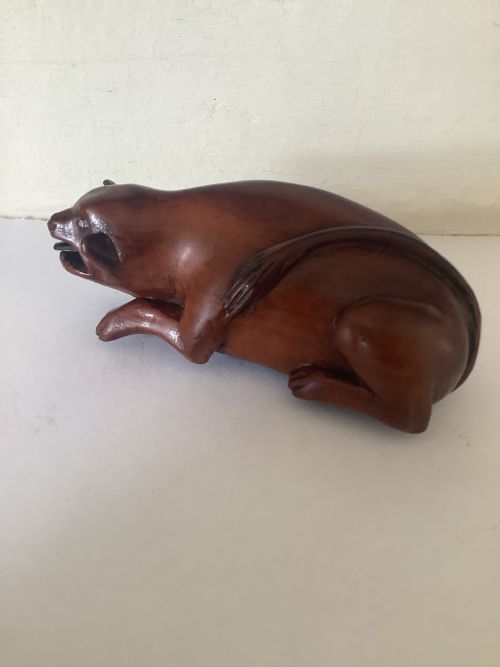
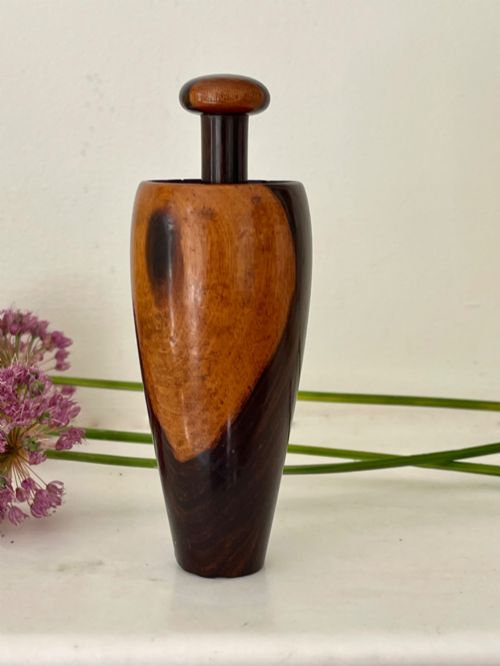
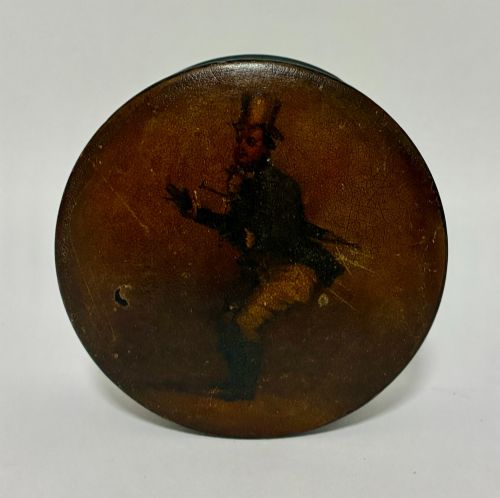
Makers utilised precious metals alongside organic substances, shaping sterling silver, gold, and silver gilt into hinged boxes while carving horn, wood, laburnum, and fruitwood for domestic pieces. Papier-mâché and lacquer provided smooth surfaces for painted scenes and pen work.
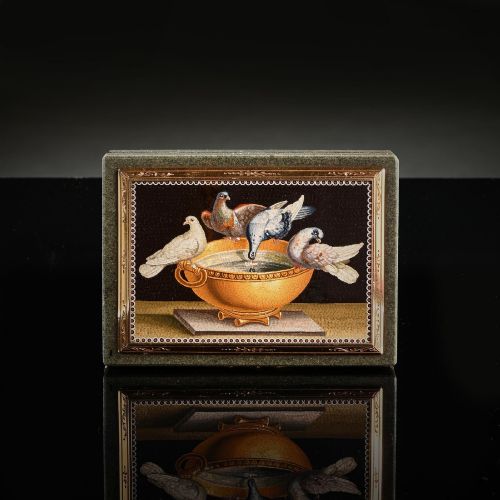
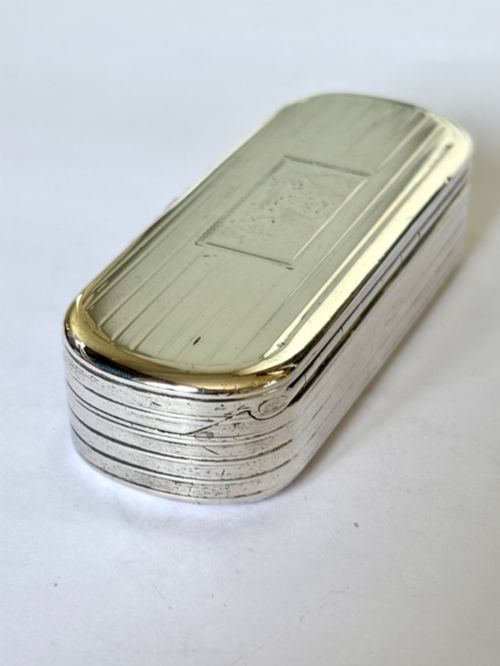
Surface ornamentation involved engine-turning, champleve enamel, micromosaic inlay, and bone or heart-shaped bone and diamond shape inlays. Porcelains received iron-red and famille rose painted decoration depicting dragons or figures.
Carving and moulding methods created distinct sculptural shapes, such as horn formed into bicorn hats or wood carved into shoe and puzzle box forms.
19th Century Snuff Retail Price Guide 2026
Typical asking prices for 19th century snuff among the pieces listed under this phrase on Sellingantiques today, from the lower quarter to the upper quarter. They describe what is for sale here now, not the wider market.
Object forms span table boxes, pocket snuff boxes, double-sided pill boxes, and Qing Dynasty snuff bottles.
Evaluating Quality
Quality rests upon the precision of the metalwork, the crispness of engine-turning, and the depth of the carving in wood, horn, or crystal. Maker marks and assay stamps on silver pieces elevate the standing of a box.
The finesse of surface decoration marks the distinction between standard utilitarian items and master-carved cabinet pieces. Hand-painted enamels, detailed micromosaics, and intricate chip carving separate high-end examples from plain folk art output.
Nathaniel Mills·Louis-François Tronquoy·Joseph Wilmore·Gioacchino Barberi·Vishnyakov Workshop·Robert Thornton
The 19th Century Snuff Glossary
- Snuff mull
- A horn container used for holding and dispensing ground tobacco, often mounted in silver with a hinged lid.
- Treen
- Small handmade wooden objects produced by turning or carving, such as snuff mortars, pestles, and pocket boxes.
- Papier-mâché
- A composite material made of paper pulp or sheets mixed with glue, moulded and lacquered for snuff box lids.
- Vinaigrette
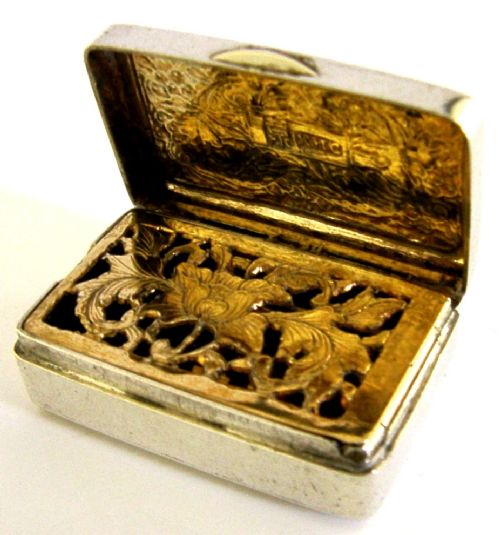
- A small ornamental box featuring an internal pierced grille, designed to hold a sponge soaked in aromatic vinegar.
- Engine-turned
- A mechanical decoration technique producing intricate geometric patterns engraved into metal or wood surfaces.
19th Century Snuff: Frequently Asked Questions
What is a snuff box?
A snuff box is a small, tightly sealed container designed to keep powdered tobacco fresh and dry for daily use.
These pieces were carried in pockets or kept on dining tables for guests during social gatherings.
How do you use a snuff mull?
A snuff mull is typically made from ram horn and used to scoop and dispense dry tobacco.
Users open the hinged lid to pinch a small amount of snuff for nasal ingestion.
How do you date 19th century silver boxes?
Dating relies on hallmarks stamped into the metal, which indicate the assay office, year letter, and maker.
Birmingham silver pieces often carry clear date letters from makers like Nathaniel Mills or Joseph Wilmore.
What is papier-mâché?
Papier-mâché is a durable composite material formed from layered paper pulp treated with oil and varnish.
Makers utilised this smooth black surface to paint hunting scenes, portraits, and decorative landscapes.