
19th Century Side Tables
These 19th century side tables bring practical surfaces and period character to a room, offering craftsmanship that modern pieces simply cannot match.
19th Century Side Tables
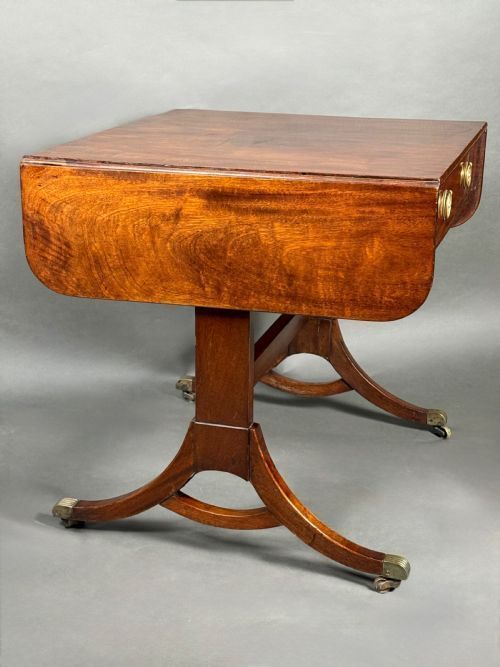
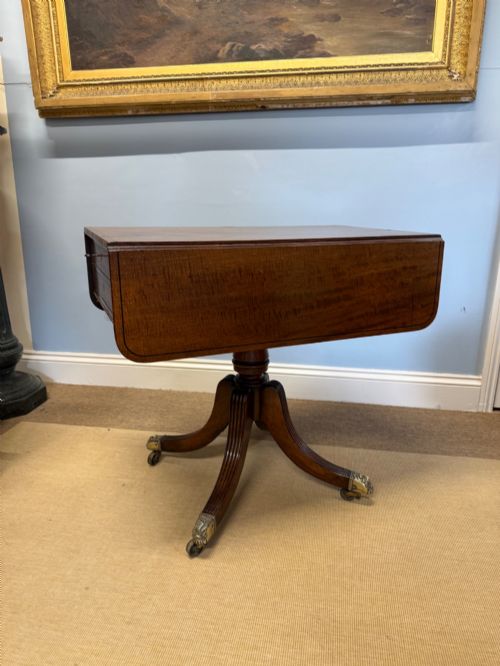
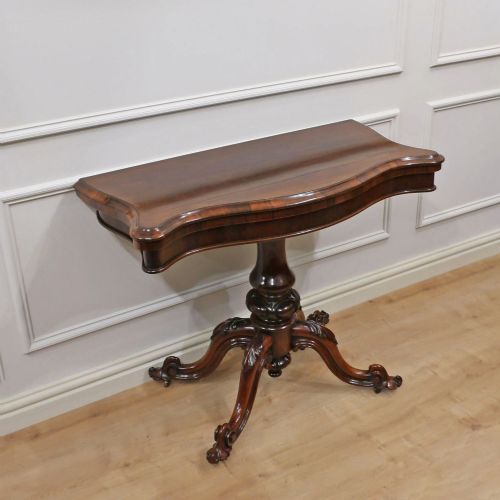
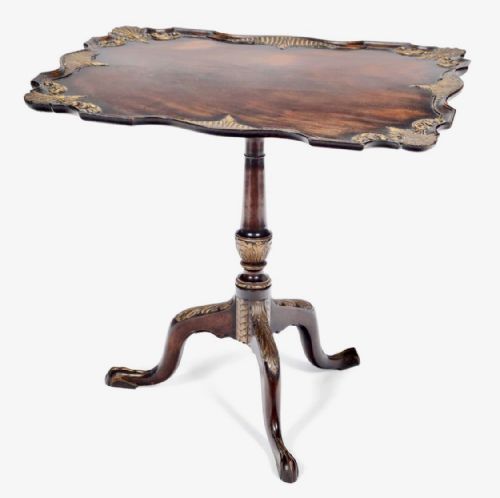
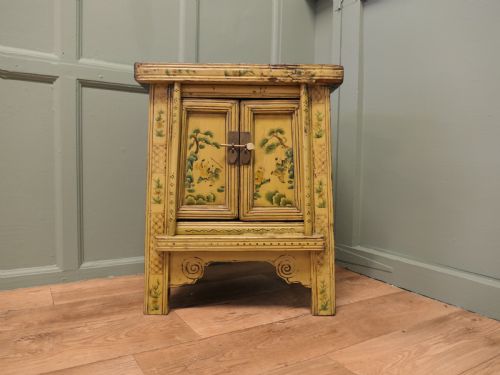
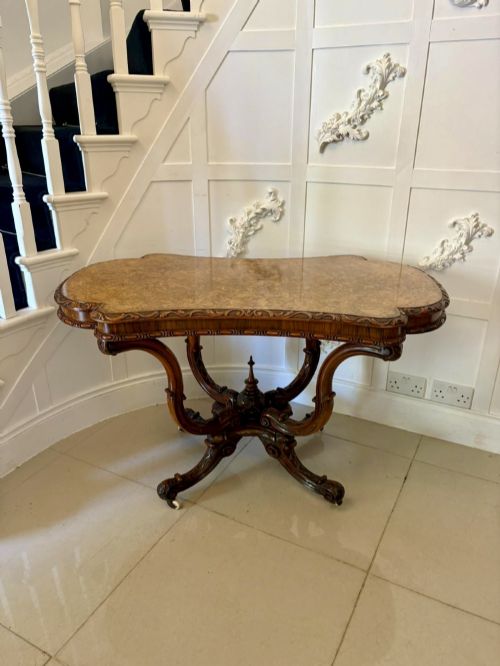
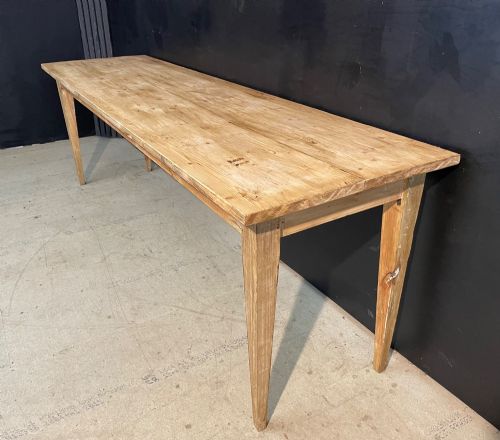
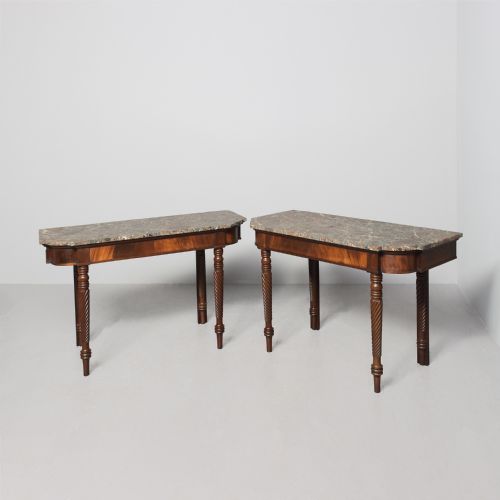
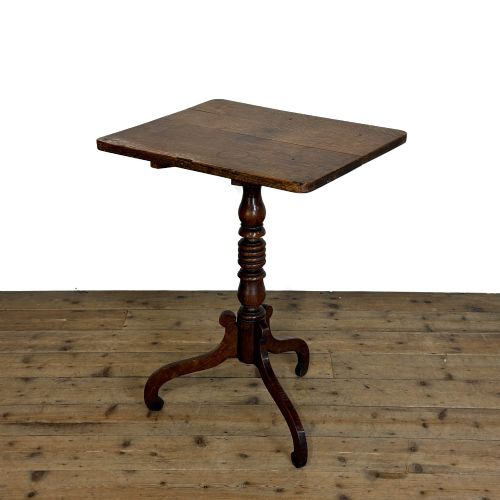
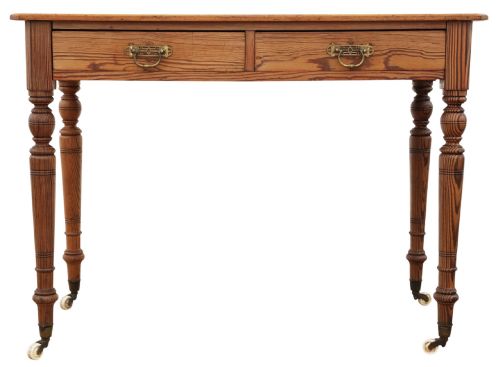
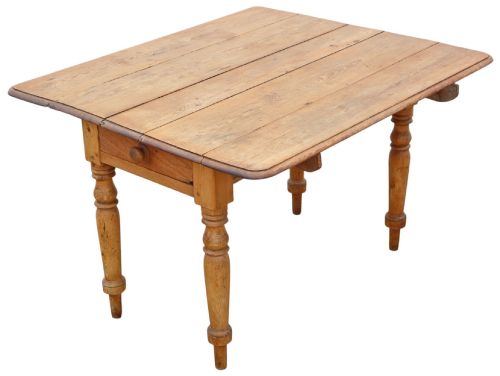
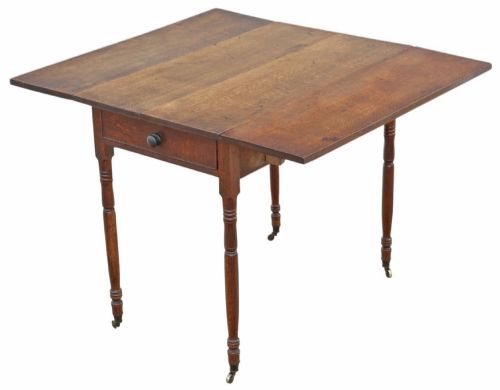
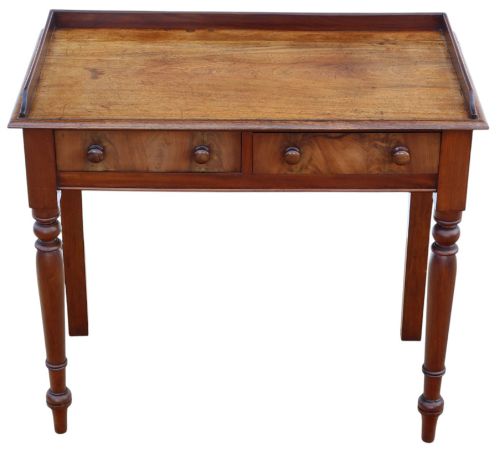
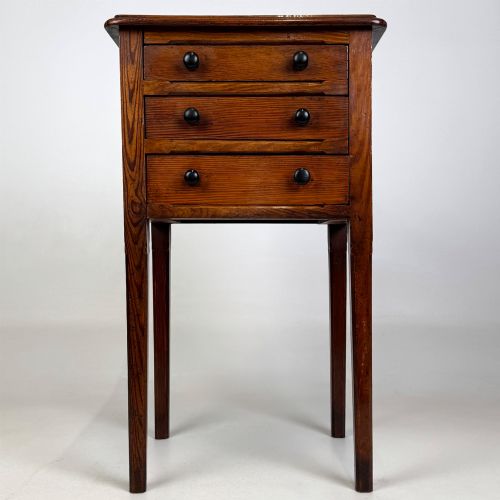
When you search for 19th century side tables, you encounter an immense variety of functional forms designed for specific domestic spaces throughout the Victorian, Regency, and French revival eras. The selections span compact bedside cabinets, nest of tables configurations, console tables, and sculptural carved stands.
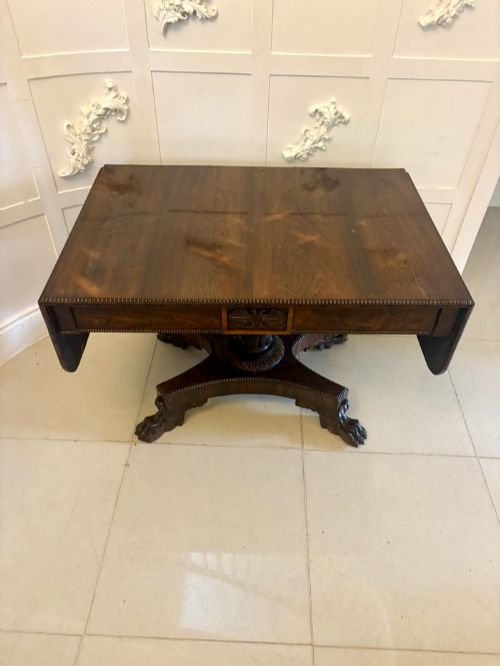
The versions most commonly met on this page include mahogany, walnut, and rosewood items, frequently found in pairs. Many originate from English workshops or French ateliers, displaying influences ranging from Louis XVI taste to Black Forest carving and Gothic revival.
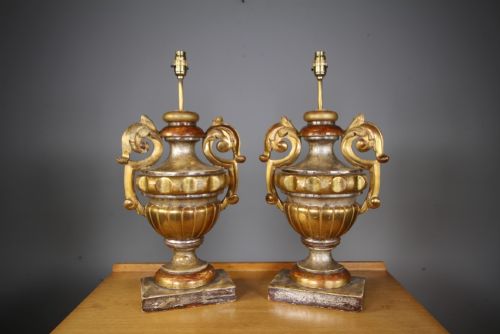
Buyers often select these items to serve as bedside nightstands, lamp tables, or decorative accents in sitting rooms. Their compact proportions make them adaptable for placement beside seating or beds while providing genuine historical utility.
How they were made
Cabinetmakers utilised a range of dense timbers including mahogany, satinwood, kingwood, paduak, and oak, often applying intricate veneers to create geometric patterns and decorative surfaces. Marquetry and parquetry techniques involved carefully cutting and fitting contrasting woods like rosewood and walnut into elaborate pictorial or abstract designs.
Structural elements frequently incorporated brass mounts, cast iron, marble tops, and tile inserts to add durability and visual contrast. Carved timber details, such as the figures seen on Black Forest tables, required precise hand woodworking skills passed down through generations of artisans.
19th Century Side Tables Retail Price Guide 2026
Typical asking prices for 19th century side tables among the pieces listed under this phrase on Sellingantiques today, from the lower quarter to the upper quarter. They describe what is for sale here now, not the wider market.
Listings feature woods like mahogany, rosewood, satinwood, kingwood, walnut, and yew alongside marble, brass, slate, and cast iron.
What varies in quality
The distinction between standard examples and the finest pieces rests upon the precision of the timber selection and the complexity of the veneer work. Superior items display harmonious grain matching across multiple surfaces and meticulous attention to inlay details like satinwood or kingwood borders.
Construction methods also dictate worth, with high-end examples employing traditional joinery that remains stable over centuries. The sophistication of secondary materials, such as heavy marble inserts, integrated brass accents, and deeply carved sculptural elements, separates everyday utility furniture from exceptional workshop production.
Donald Ross
The 19th Century Side Tables Glossary
- Marquetry
- Decorative veneer applied to furniture in patterns or pictures using thin slices of wood. This technique allowed makers to combine contrasting timbers like rosewood and satinwood.
- Parquetry
- Geometric mosaic woodwork used for surfaces such as table tops. Artisans arranged small blocks of wood, including walnut and kingwood, into repeating patterns.
- Quartetto
- A nested set comprising four small tables designed to slide beneath one another. These space-saving pieces were particularly popular in nineteenth century mahogany.
- Demilune
- Half-moon shaped furniture designed to stand flush against a wall. Such console and side tables often served functional roles in compact hallways or drawing rooms.
- Bedside cabinet
- Enclosed small table with a door or drawer used for night storage. Many nineteenth century examples featured marble or inset tile tops for easy cleaning.
19th Century Side Tables: Frequently Asked Questions
How were 19th century side tables used?
These tables served multiple domestic purposes, acting as bedside nightstands for holding lamps and personal items, or functioning as lamp tables in drawing rooms. Nests of tables provided extra surface area for tea or writing that could be tucked away when not needed.
Larger console variations stood against walls in hallways and parlours to display decorative objects, plants, or candelabra. Their versatile designs allowed them to adapt easily to changing room layouts across different periods.
How do I identify French styles?
French tables from this era often display specific regional influences such as Louis XVI revival tastes, Empire styling, or elaborate marquetry veneers. Look for refined symmetry, kingwood and satinwood inlay, and bronze or brass mounts.
Cabinet pieces frequently incorporate marble tops or enclosed bedside cupboards with subtle panel detailing. These design markers distinguish continental furniture from contemporaneous English production.
Are these tables sturdy enough for daily use?
Nineteenth century furniture was constructed using dense hardwoods like mahogany, walnut, and oak joined with traditional techniques. This robust construction allows them to withstand regular everyday placement in modern homes.
Care should be taken with delicate veneer surfaces and marble or tile tops, using coasters and mats to prevent accidental scratching. Proper placement away from direct heat sources ensures the timber remains stable.
What materials are most common?
Mahogany appears frequently across nineteenth century English examples, prized for its rich colour and durability. Walnut, rosewood, and oak also form the primary structural timbers for many pieces.
Decorative accents often introduce exotic woods like satinwood and kingwood for inlay work, alongside marble, slate, brass, and cast iron. Certain specialist items utilise paduak or incorporate hand-carved solid timber elements.