

19th Century Side Stand
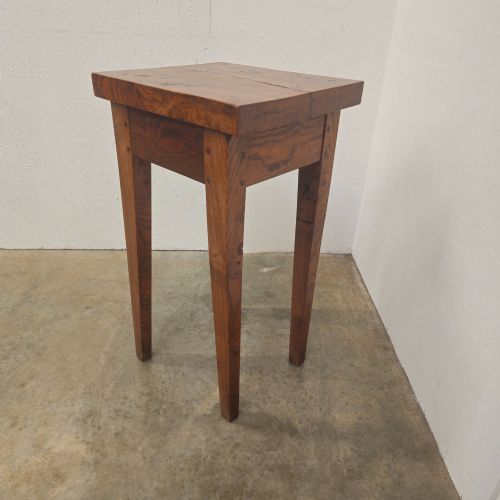
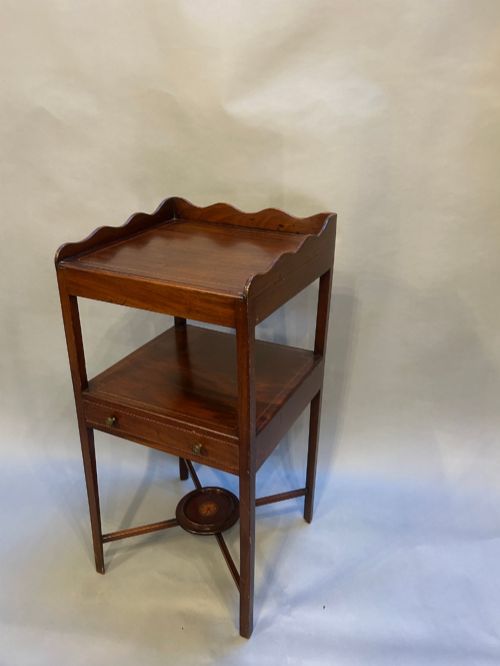
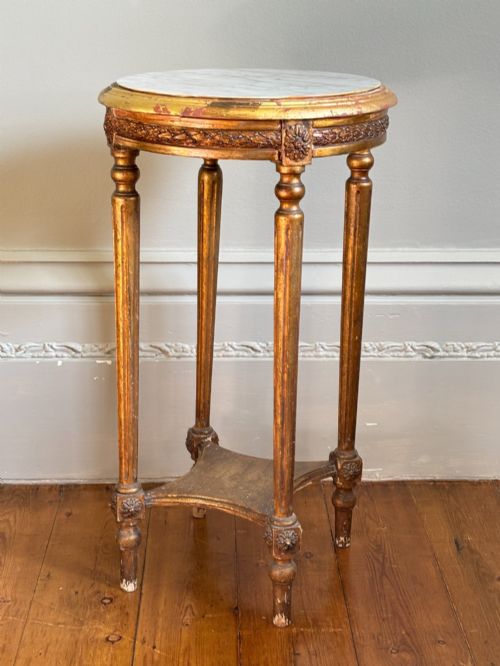
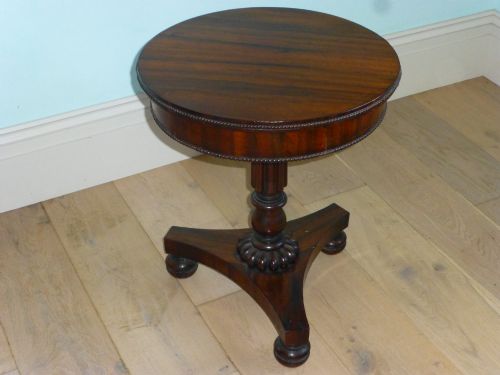
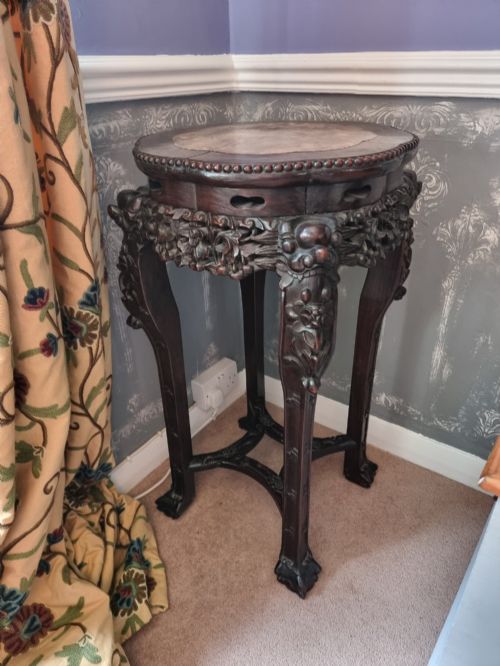
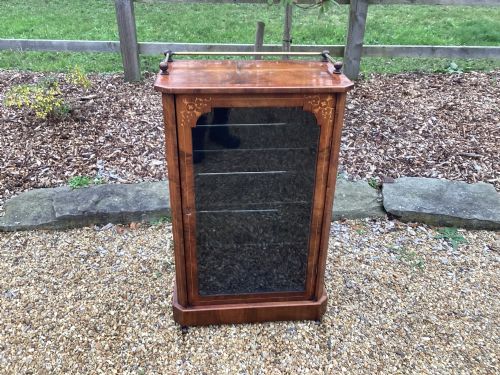
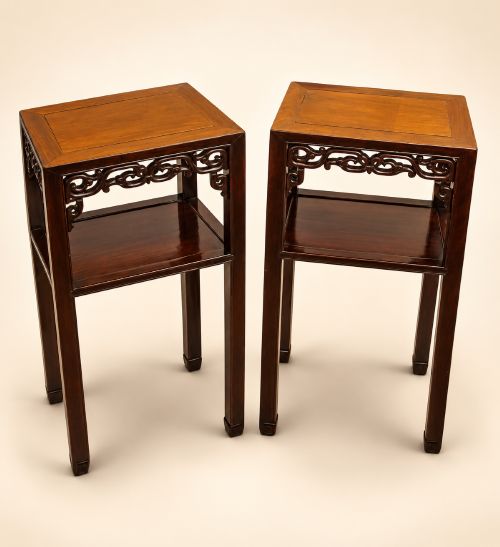
These 19th century side stand examples bring functional elegance to a room, offering compact surfaces crafted in varied woods and styles.
19th Century Side Stand
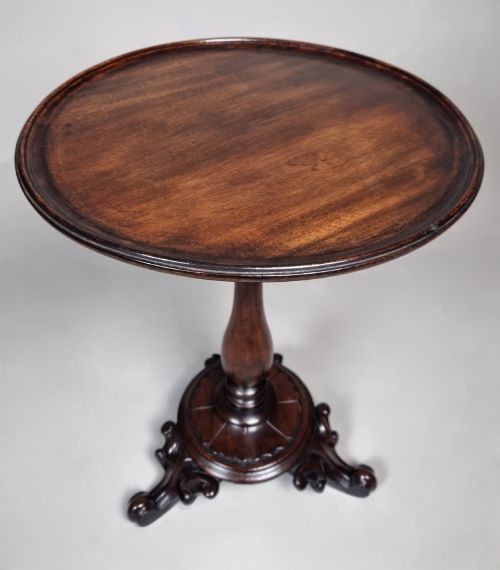
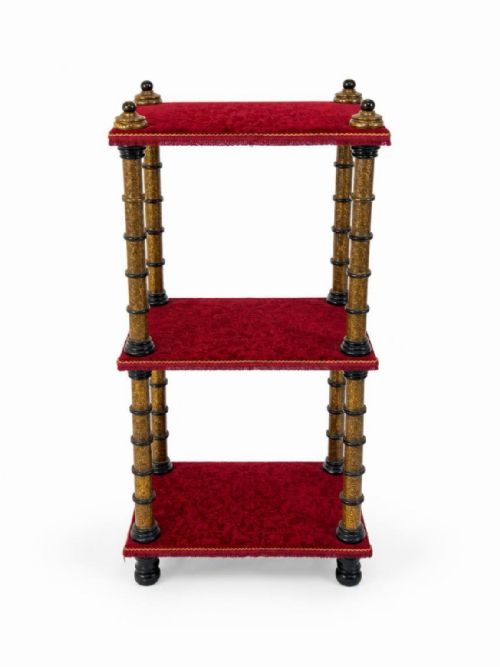
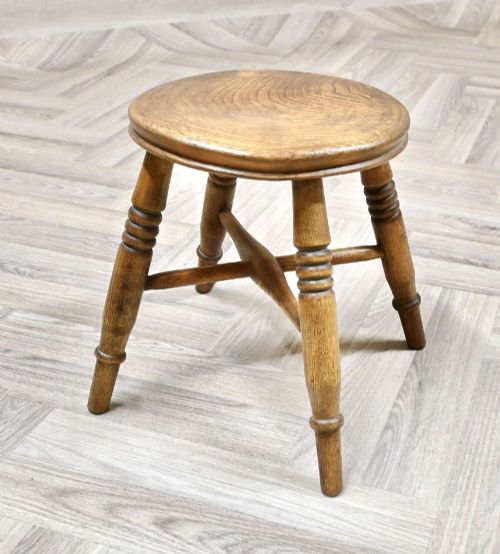
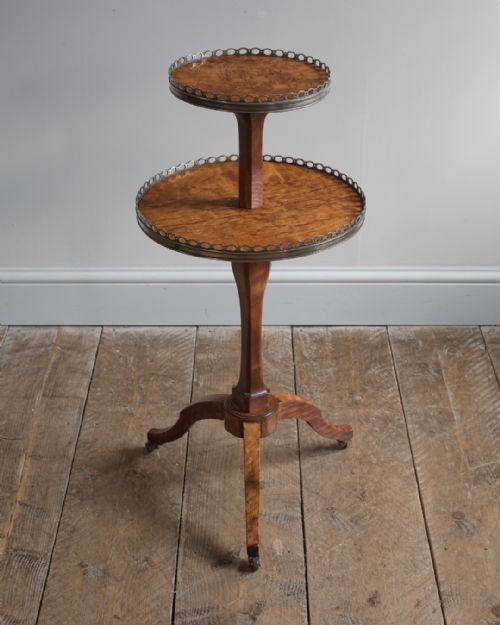
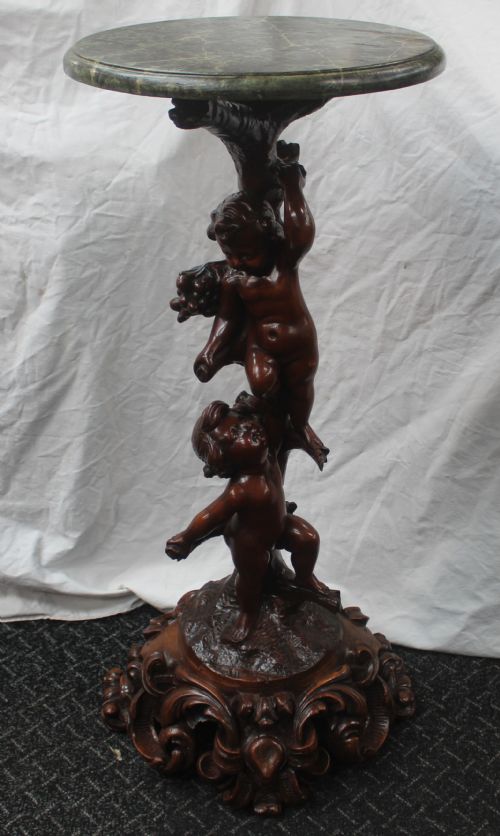
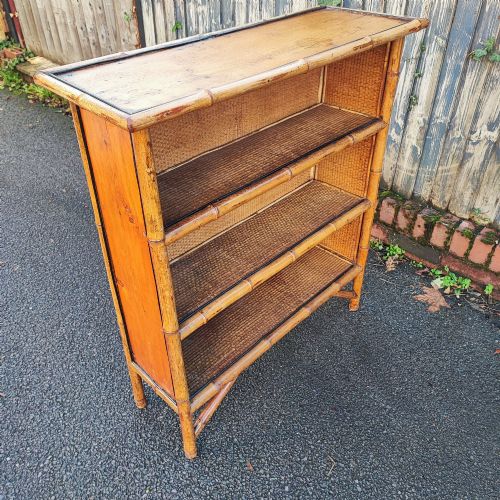
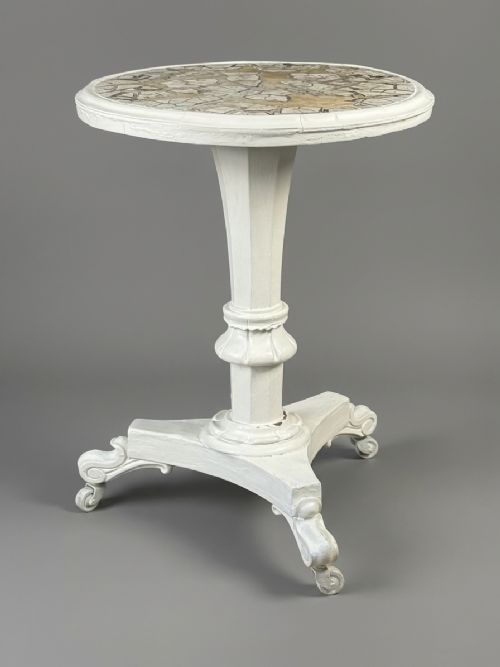
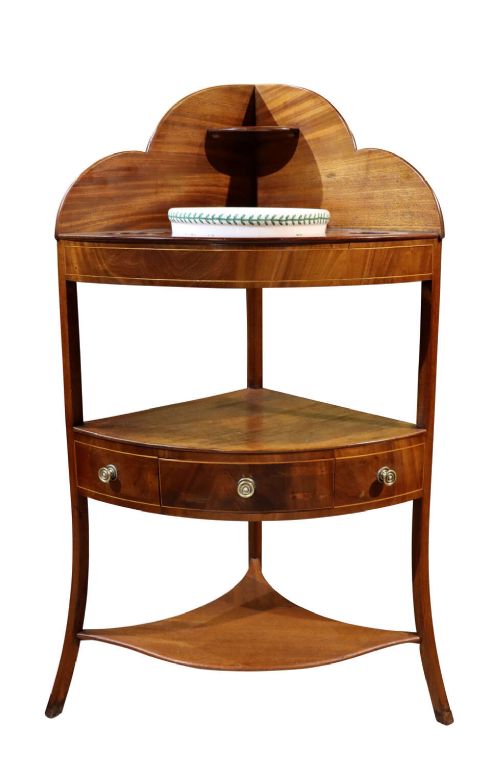
A 19th century side stand encompasses a diverse range of occasional furniture designed for specific domestic utility and display. Buyers encounter forms spanning wine tables, lamp tables, plant stands, washstands, and multi-tiered étagères.
The material palette reflects both British domestic production and international influences. Mahogany, walnut, and rosewood dominate alongside oak, fruitwood, ash, bamboo, and Chinese hardwood.
Stylistic origins bridge Georgian, Regency, William IV, and Victorian periods, alongside French and Chinese regional aesthetics. Pieces range from vernacular pine tables to finely inlaid rosewood designs.
How they were made
Cabinetmakers utilised dense timbers such as mahogany, rosewood, walnut, and hardwood, often selecting figured veneers for visual depth. Construction frequently involved turned legs, tripod bases, tilt-top mechanisms, and tiered shelving.
Surface ornamentation included brass mounts, brass inlay, boulle marquetry, painted wood, specimen stone tops, and carved details. Joinery techniques ensured sturdy support for everyday domestic items like lamps, books, and plants.
19th Century Side Stand Retail Price Guide 2026
Typical asking prices for 19th century side stand among the pieces listed under this phrase on Sellingantiques today, from the lower quarter to the upper quarter. They describe what is for sale here now, not the wider market.
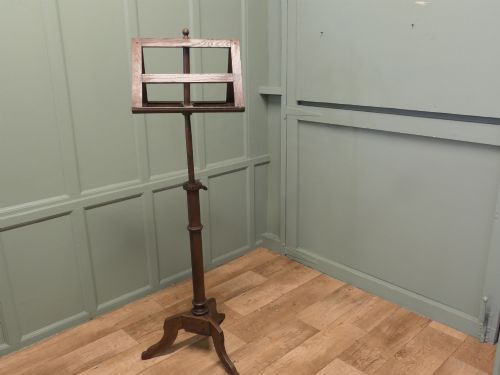
Several items double as musical companions, offering adjustable sheet music stands and built-in music cabinets for the parlour.
What varies in quality
Quality separates ordinary utility pieces from superior examples through timber selection and refinement of execution. Dense grains, well-figured veneers, and substantial secondary woods elevate certain items above basic vernacular builds.
The sophistication of decorative elements dictates distinction across the range. Finely cast brass mounts, precise inlay work, carved detailing, and integrated mechanical adjustments demonstrate higher levels of workshop competence.
Gillows·Louis Le Gaigneur·Gabriel Viardot
The 19th Century Side Stand Glossary
- Tilt-top
- A table top hinged to tilt vertically when not in use. This mechanism allowed the furniture to be stored compactly against a wall.
- Tripod table
- A small table supported by a pillar above three legs. It provides a stable freestanding surface on uneven floors.
- Whatnot
- A freestanding piece of furniture with shelves for books or ornaments. It gained popularity during the Victorian era for general display.
- Boulle marquetry
- An elaborate inlay technique using brass and tortoiseshell. It creates intricate surface patterns across French and Regency pieces.
19th Century Side Stand: Frequently Asked Questions
What is a 19th century side stand?
A 19th century side stand is a small, versatile piece of furniture designed to hold items like lamps, drinks, books, or plants.
These items encompass various forms such as wine tables, lamp tables, étagères, and washstands produced across the Georgian, Regency, and Victorian periods.
How were wine tables used?
Wine tables served as portable surfaces for holding glasses and bottles during evening entertaining in the parlour or dining room.
Their compact size and tilt-top mechanisms allowed servants to move them easily and store them against walls when not in use.
How do I care for rosewood and mahogany?
Solid and veneered hardwoods require protection from direct sunlight and sudden humidity changes to prevent timber splitting and fading.
Apply natural beeswax periodically and buff gently with a soft cloth to maintain the lustre of the polished surface without building up residue.
How can I tell a Regency table from a Victorian one?
Regency tables, produced in the early part of the century, often feature classical proportions, rosewood veneers, brass inlay, and formal Regency styling.
Victorian pieces, made later in the century, tend to utilise walnut, oak, or mahogany with heavier turned supports, bamboo accents, or more eclectic revival ornamentation.