
19th Century Sculpture Pair
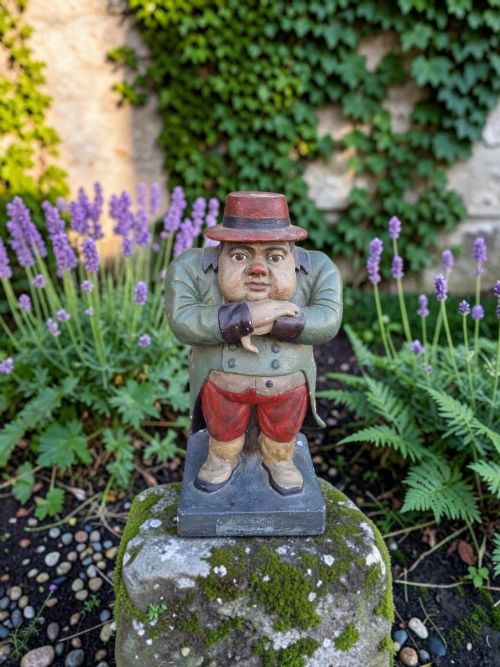
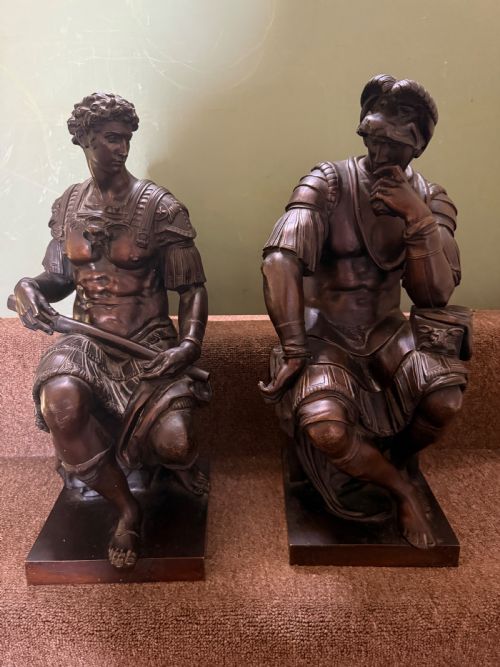
A 19th century sculpture pair delivers balanced symmetry and classical presence to a mantelpiece, cabinet or console.
19th Century Sculpture Pair
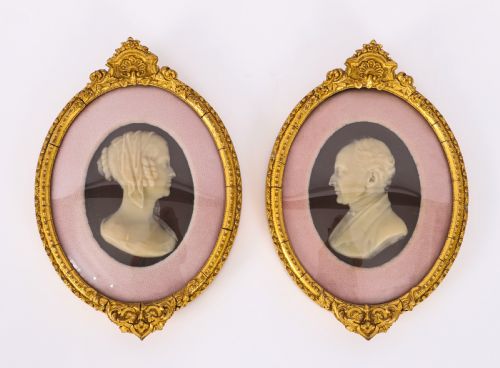
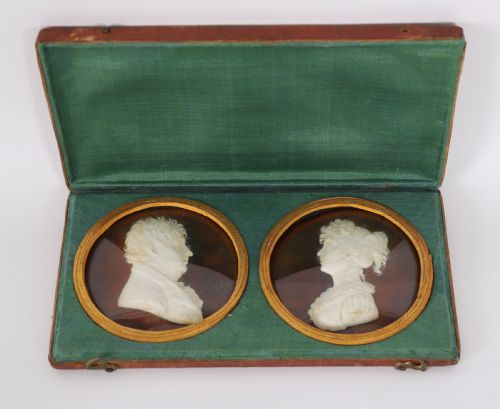
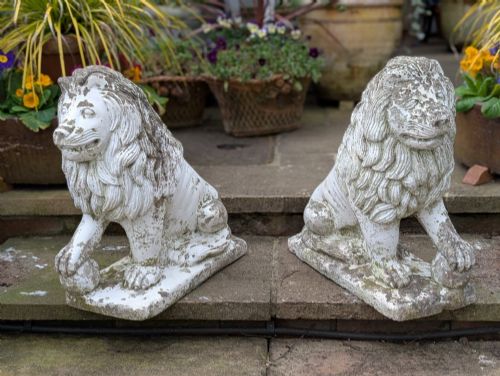
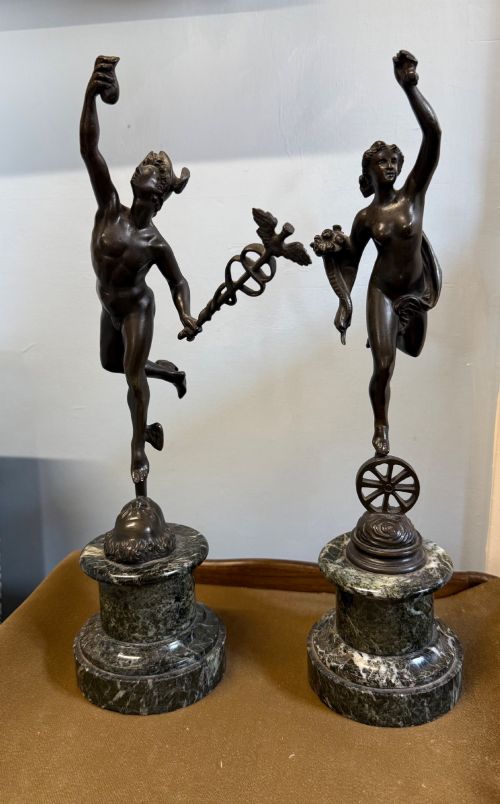
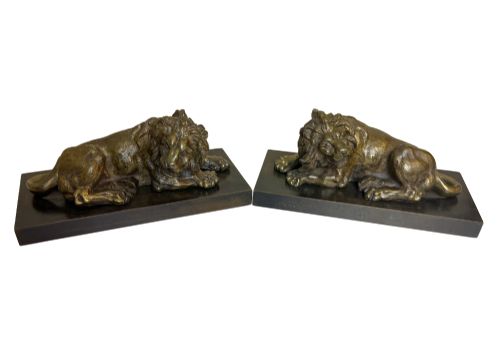
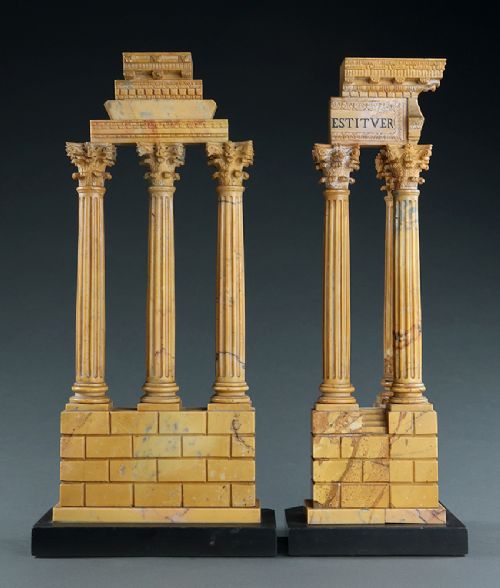
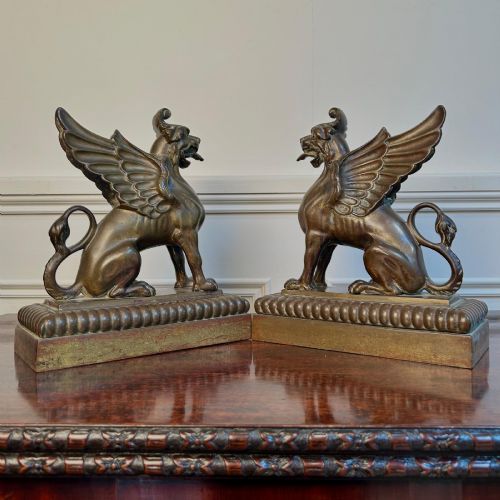
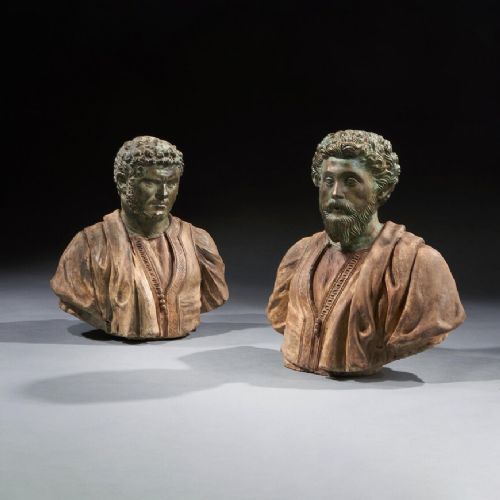
When searching for a 19th century sculpture pair, buyers encounter works conceived for symmetry, from classical lions and mythological figures to Grand Tour souvenirs and portrait busts.
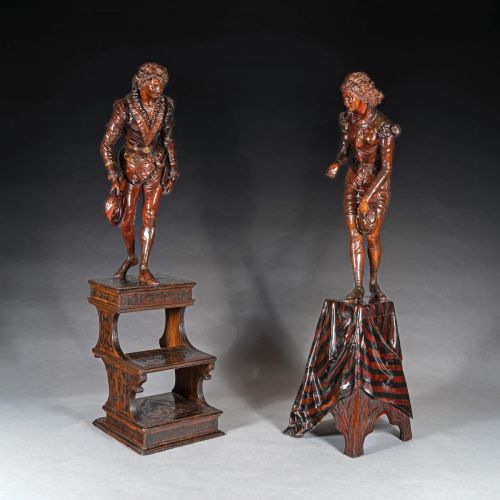
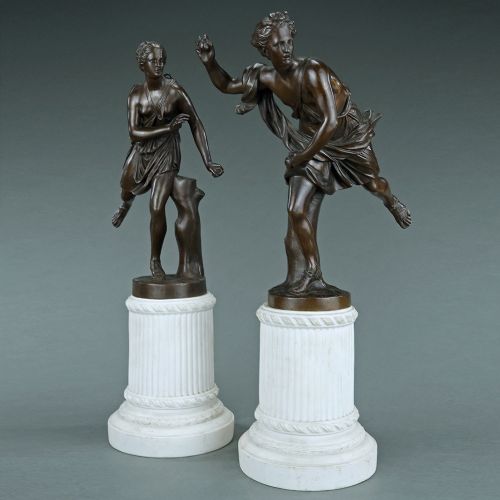
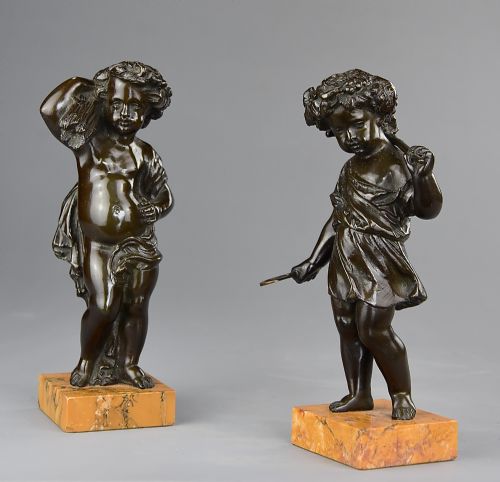
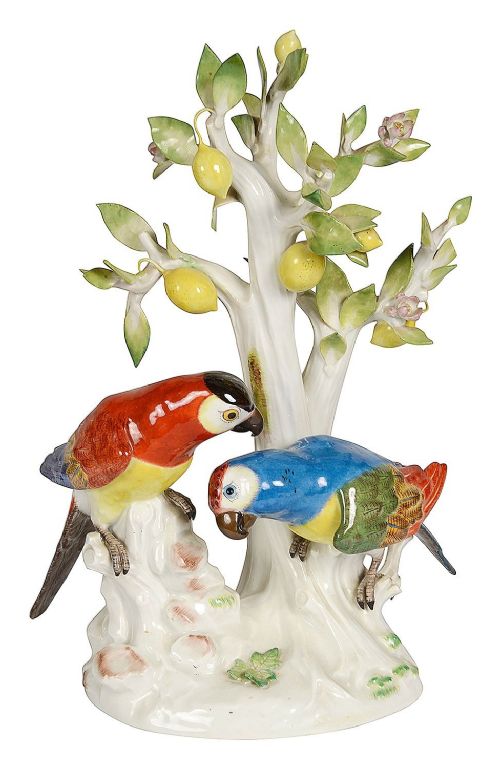
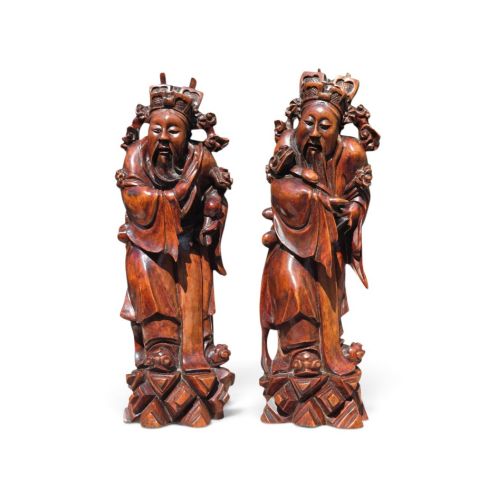
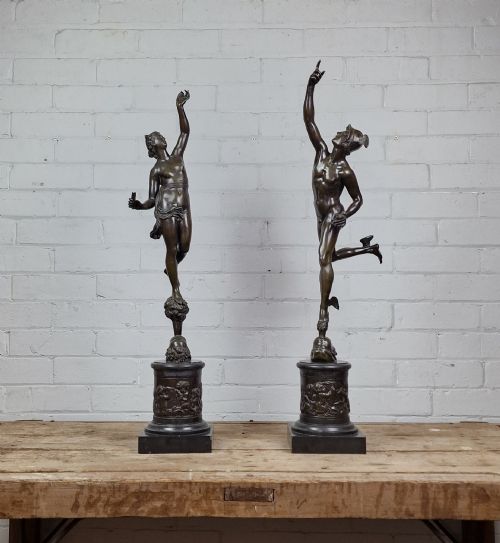
The most common examples on this page are cast bronze figures mounted on marble bases, alongside carved wood, hard-paste porcelain, and marble architectural objects like obelisks and pedestals.
Originating predominantly from French, Italian, and British workshops, these dual compositions reflect the historic demand for interior balance and academic art during the Victorian era.
Materials and casting methods
Foundry-cast bronze dominates the selection, frequently utilising the lost-wax technique or sand-casting to capture intricate detail in patinated, gilt, or cold-painted surfaces.
Sculptors also worked in carved hardwood, Derbyshire alabaster, wax relief, and hard-paste porcelain, employing hand-chasing and polychrome paint to finish the details.
Marble and serpentine were shaped into architectural elements, bases, and profile plaques, often paired with cast metal components to create contrast.
Listings feature works spanning the nineteenth century, incorporating Victorian, Neoclassical, and Grand Tour aesthetic movements.
What separates the best examples
The depth and richness of the original patination or hand-painted polychromy dictate visual success, alongside the integrity and matching grain of auxiliary materials like marble bases and olive wood mounts.
Barbedienne·Meissen·Valentino Besarel·Royal Worcester·Charles Anfrie
The 19th Century Sculpture Pair Glossary
- Grand Tour
- Souvenirs collected by affluent travellers in Italy, depicting classical antiquities and architecture in bronze or marble.
- Patina
- The surface sheen and colour developed through age or chemical treatment on bronze, metal, and wood.
- Spelter
- A zinc alloy used as a cost-effective alternative to bronze in decorative figures, usually given a bronze-like finish.
- Hard-paste porcelain
- A durable ceramic composition fired at high temperatures, common in Meissen and other continental figures.
- Chasing
- The manual finishing of a metal casting with chisels and punches to refine details and remove surface imperfections.
19th Century Sculpture Pair: Frequently Asked Questions
How do I display a sculpture pair safely?
Place the matched pair on stable, level surfaces away from direct sunlight and fluctuating heat sources to protect patinas, marble, and painted elements.
Ensure heavy bronze or stone pieces rest on substantial furniture like pedestals, consoles, or sideboards designed to bear their weight.
What is a Grand Tour sculpture?
Grand Tour sculptures are miniature or reduced-scale copies of famous classical monuments, ruins, and statues acquired by travellers in Italy during the nineteenth century.
These pieces were typically cast in bronze or carved in fine marbles such as Siena and serpentine to serve as academic and decorative souvenirs.
How do I distinguish bronze from spelter?
Bronze is heavier, colder to the touch, and rings with a distinct resonant tone when tapped gently, whereas spelter feels softer and lighter.
Underneath worn areas, bronze reveals a warm golden-brown metal, while spelter shows a dull grey or silvery base material.
Are these sculptures original period pieces?
The items listed originate from the nineteenth century, capturing the historic revival styles, classical themes, and manufacturing techniques of that era.
Signatures, foundry stamps, and material wear help anchor their production within the Victorian and nineteenth-century timeline.