

19th Century Profile
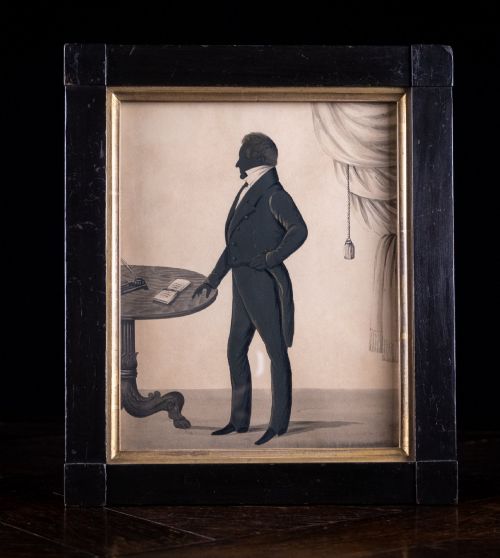
A 19th century profile captures the human likeness through silhouette, oil painting, or relief carving, offering collectors a direct window into historical identity.
19th Century Profile
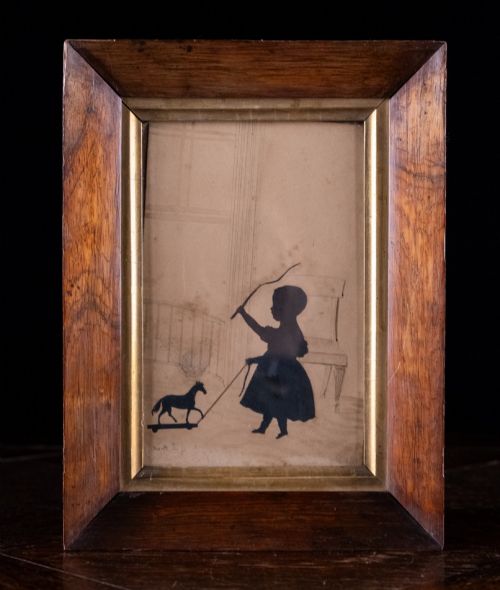
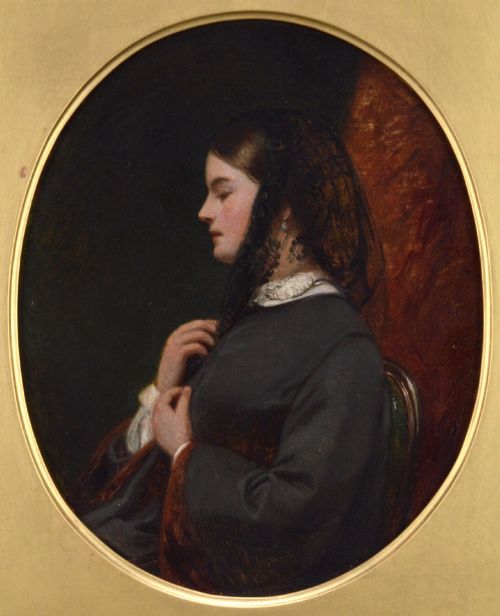
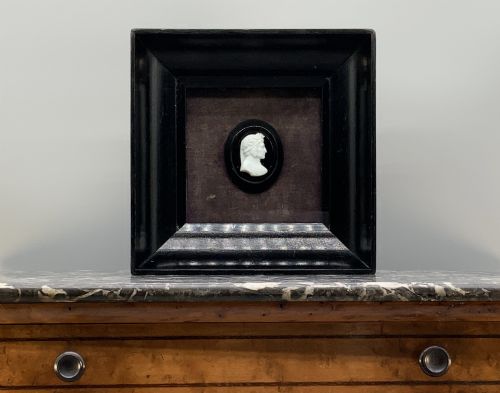
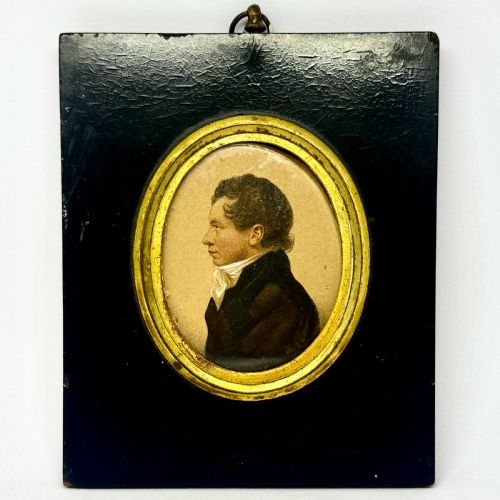
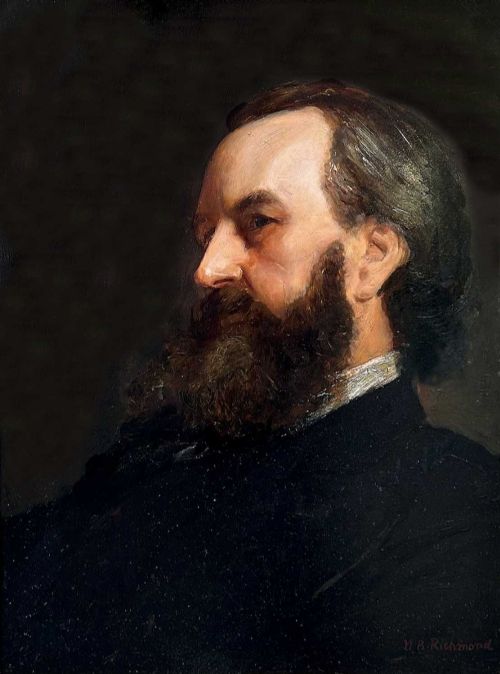
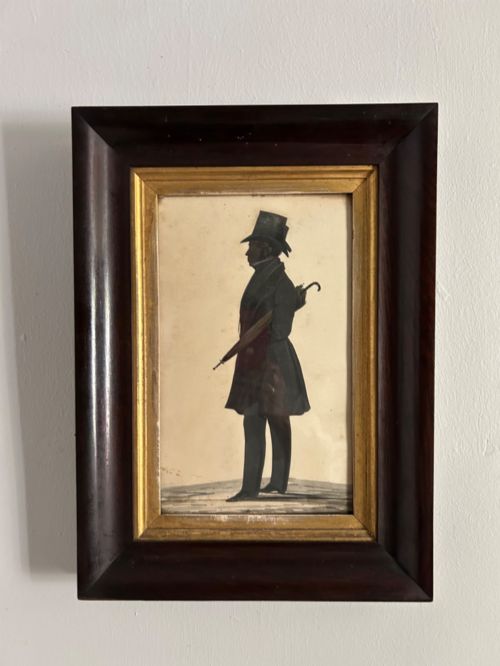
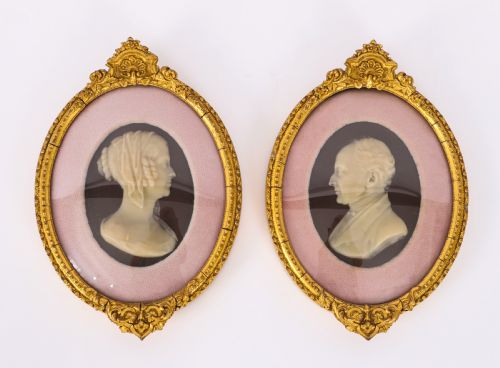
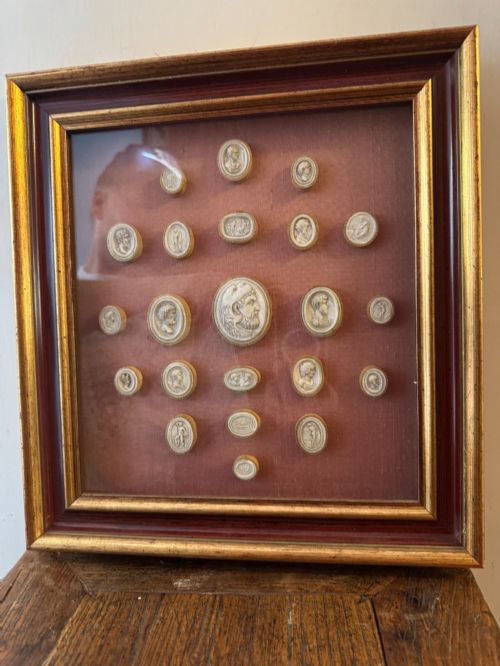
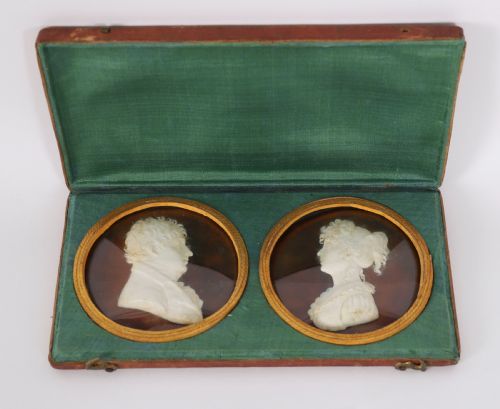
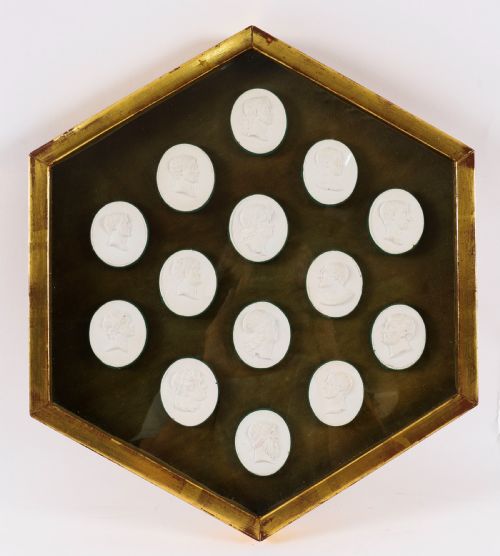
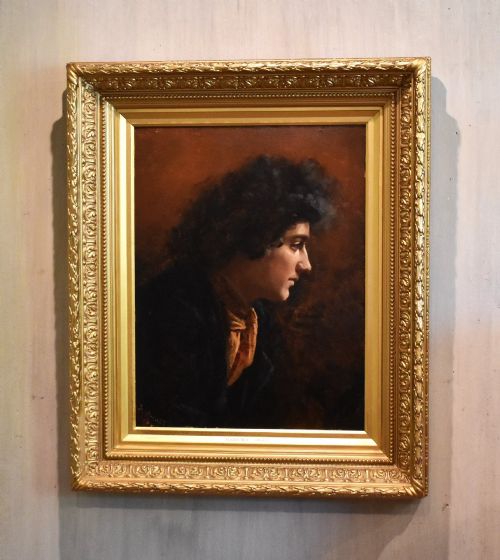
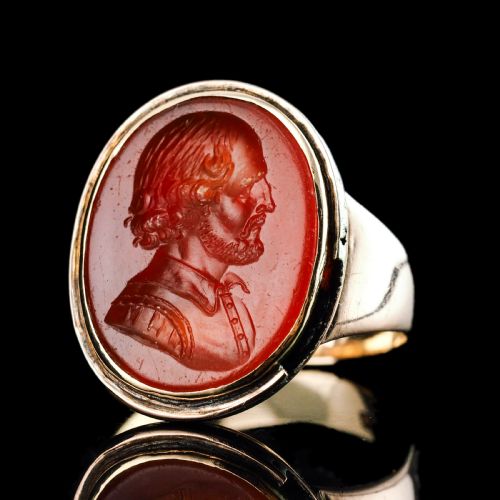
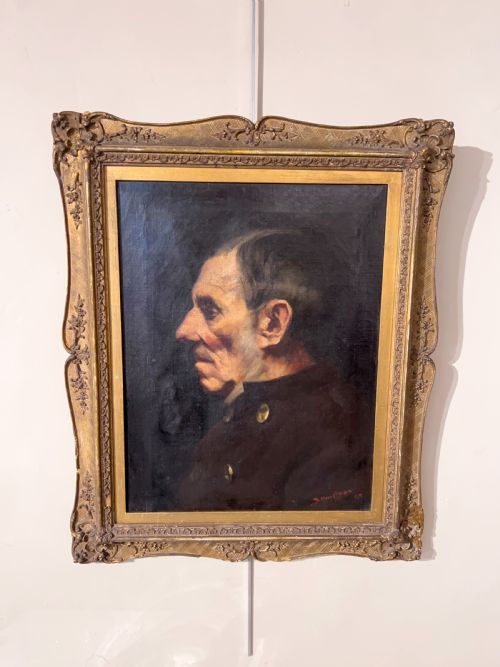
A 19th century profile encompasses diverse media ranging from cut-paper silhouettes and reverse-painted miniatures to carved ivory, marble, wax relief, and shell cameos. Buyers frequently encounter framed portrait silhouettes alongside Grand Tour intaglios and oil paintings spanning the Victorian and Regency periods.
The selection on this page demonstrates how makers captured side profiles across different social strata, from intimate family silhouettes to classical mythological plaques. Works appear in various formats including wall art, brooches, and rings mounted in gold, silver, or wood frames.
Materials and construction
Makers utilised paper, card, and parchment for cut and painted silhouettes, often highlighting details with gold leaf or watercolour washes. Relief portraits relied on carved ivory, gypsum, shell, lava, and wax set into deep giltwood frames or metal mounts.
Rigid supports such as copper, canvas, and marble accommodated oil paintings and incised Italian profile plaques. Intaglios and cameos required meticulous hand-carving or moulding in plaster and glass to achieve sharp classical likenesses.
19th Century Profile Retail Price Guide 2026
Typical asking prices for 19th century profile among the pieces listed under this phrase on Sellingantiques today, from the lower quarter to the upper quarter. They describe what is for sale here now, not the wider market.
Listings feature 19th century profile works created across various materials including glass, paper, wood, brass, ink, gold leaf, watercolour, and giltwood.
Evaluating profile works
Quality rests upon the precision of the cutting, carving, or brushwork used to define the facial contours and expression. Fine examples display confident handling of the medium, whether through the sharp scissors of a silhouette artist or the delicate chisel work of a cameo carver.
The integrity of the mounting and framing influences the overall merit of the piece. Intact original frames, housings, and protective glass preserve the delicate paper or wax components against environmental damage.
Augustin Edouart·Pietro Bracci·John Smith of Edinburgh·J. Deacon·Howard and Sons·Bertram Priestman
The 19th Century Profile Glossary
- Silhouette
- A portrait rendered as a solid shape, usually black on a light background, created by cutting paper or painting on card.
- Intaglio
- A gem or plaque carved with a sunken design so that an impression pressed in wax yields a raised image in relief.
- Cameo
- A method of carving an object such as a shell or stone where a relief image contrasts in colour with the background layer.
- Grand Tour
- Souvenirs and classical artworks collected by travellers on educational journeys through Europe during the nineteenth century.
- Reverse painting
- An art technique where the artist paints on the underside of glass so the image is viewed through the front.
19th Century Profile: Frequently Asked Questions
What materials make up 19th century profiles?
These works incorporate paper, card, glass, wax, ivory, shell, marble, and canvas. Artists applied ink, watercolour, and gold leaf to enhance the portraits.
Mounts and frames utilise wood, giltwood, brass, silver, and 18K gold. Intaglio panels commonly consist of plaster and gypsum.
How do you date a silhouette?
Dating relies on costume, hair styling, and framing materials characteristic of the Regency or Victorian eras. Signed works often include handwritten dates or stamps from specific galleries.
Paper quality and backing boards also provide clues to the exact decade of production.
Where were Grand Tour profiles made?
Makers in Italy and across Europe produced Grand Tour plaques and intaglios for travelling collectors. Subjects frequently replicated classical sculptures, ancient Roman figures, and mythological deities.
These souvenirs were typically assembled into framed sets or carved directly into native stone and shell.
How should framed paper profiles be displayed?
Paper silhouettes and watercolours require placement away from direct sunlight to prevent fading. Stable indoor humidity protects the paper and adhesive layers from warping.
Original frames should remain sealed to prevent dust accumulation on the delicate interior surfaces.