





19th Century Pot Lid
A 19th century pot lid serves as a small, decorative cover for various jars and containers, offering both practical containment and intricate Victorian artistry.
19th Century Pot Lid
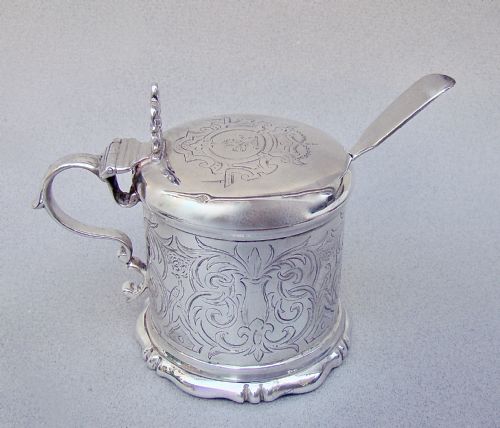
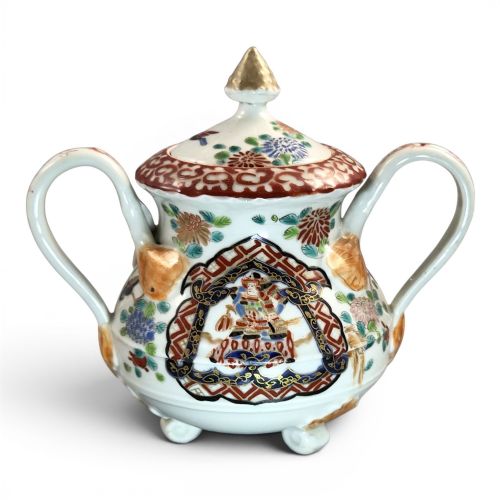
When searching for a 19th century pot lid, collectors encounter small ceramic, glass, and metal covers designed to seal decorative jars, butter dishes, and dressing table containers. These items originate from diverse traditions, including Victorian English earthenware, French porcelain, and Japanese Meiji period porcelain.
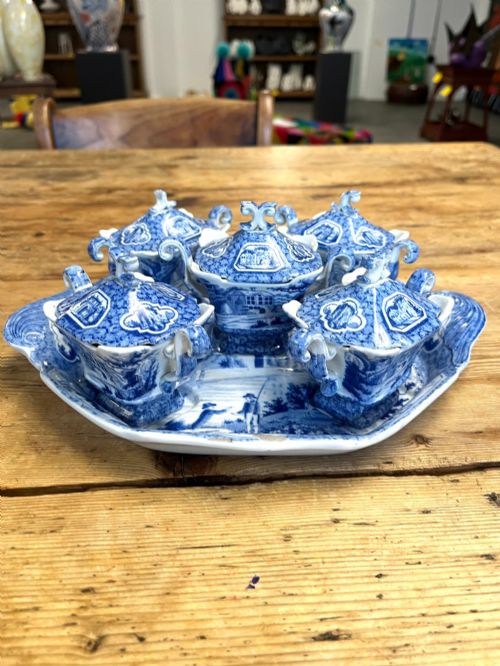
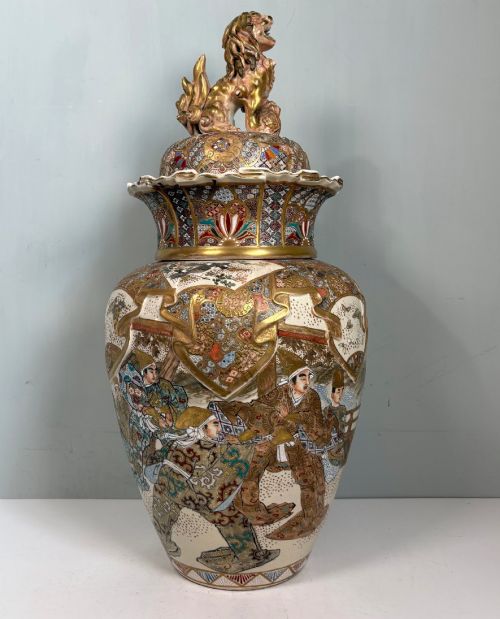
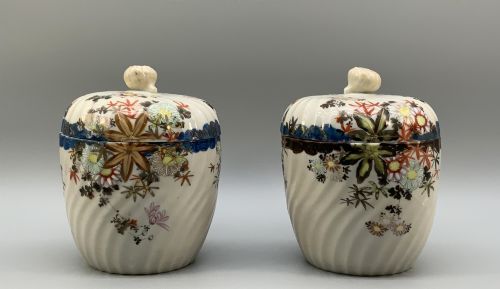
The versions most commonly met on this page include lidded jars, small boxes, and pots from the 19th century. Many feature hand-painted details, floral decoration, or specific cultural motifs reflecting their period of production.
Materials and construction methods
Pot lids and their associated vessels were constructed from materials such as porcelain, earthenware, glass, copper, and brass. Makers utilised glaze, enamel, and gold leaf to add surface colour and decorative detail to the ceramic and metal bodies.
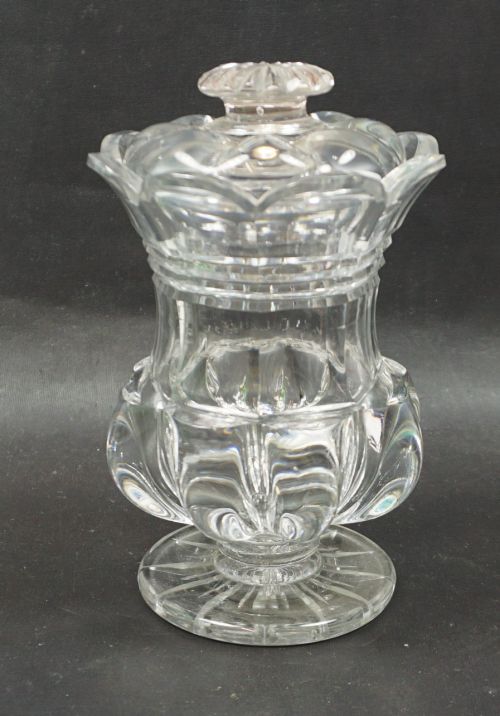
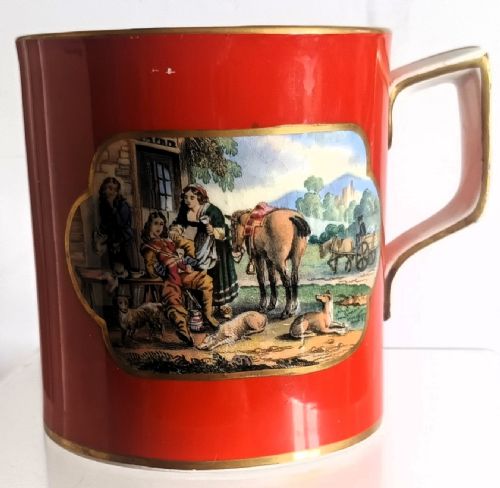
Techniques ranged from hand-painted porcelain designs and transfer printing on Pratt-ware to cloisonne enamel work on copper or brass bases. Glass pieces often involved moulded or cut-glass methods with applied canes and rims.
19th Century Pot Lid Retail Price Guide 2026
Typical asking prices for 19th century pot lid among the pieces listed under this phrase on Sellingantiques today, from the lower quarter to the upper quarter. They describe what is for sale here now, not the wider market.
One unexpected 19th century pot takes the shape of a stoneware rugby ball inkwell, combining sport and stationer's craft.
Evaluating craftsmanship and execution
The standard of a piece depends on the precision of its hand-painted decoration and the finesse of its surface details, such as gilt detailing or enamel work. Finer examples display crisp moulding and well-defined motifs rather than soft or blurred lines.
The quality of the materials, from the clarity of the glass to the weight of the brass, silver, or porcelain, distinguishes standard utilitarian containers from finer decorative objects.
Charles and George Fox·Fukagawa·Spode·Harrods·Baccarat
The 19th Century Pot Lid Glossary
- Pratt-ware
- A type of English earthenware known for its underglaze multicoloured decoration, frequently depicting historical scenes or portraits. It was widely produced during the 19th century.
- Cloisonne
- A decorative metalwork technique where wires are soldered to a base to form compartments, which are then filled with enamel paste and fired. This method appears on Japanese jars from the Meiji period.
- Imari
- A style of Japanese porcelain featuring distinctive underglaze blue and overglaze red, gold, and other colours. Pieces often display intricate floral and figural motifs.
- Latticinio
- A glass-making technique involving twisted coloured glass canes embedded within clear glass. It creates delicate net-like patterns across sugar bowls and covers.
19th Century Pot Lid: Frequently Asked Questions
What were 19th century pot lids used for?
These covers served practical roles on containers such as butter dishes, mustard pots, dressing table jars, and spice pots. They kept contents sealed while adding a decorative element to the table or dressing room.
Over time, many lids became separated from their original bases, leaving them as standalone decorative items or collectible objects in their own right.
How do I identify Victorian ceramic lids?
Victorian ceramic pieces often feature transfer-printed historical scenes, floral patterns, or maker marks specific to English potteries of the era. Examining the glaze and body type helps distinguish them from continental European wares.
Stylistic cues such as heavy gilding, vibrant enamel colours, and specific period motifs further assist in confirming a Victorian origin.
What materials were these lids made from?
Makers used a wide variety of materials depending on the vessel type and period style. Common substances include porcelain, earthenware, glass, brass, copper, and cast iron.
Surface decoration frequently incorporated gold leaf, enamel paints, and clear or coloured glazes to enhance the visual appeal of the metal or ceramic.
How should I display lidded pots at home?
Lidded jars and pots look well displayed on surface furniture such as sideboards, mantelpieces, or within glass cabinets where their details remain visible. Pairing them with complementary ceramic or glass tableware highlights their historical context.
Placing them away from direct sunlight helps preserve delicate enamel work, hand-painted colours, and gilt detailing over the years.