




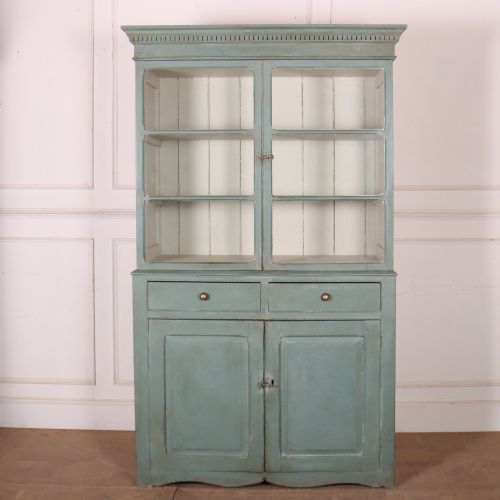
19th Century Pine Cabinet
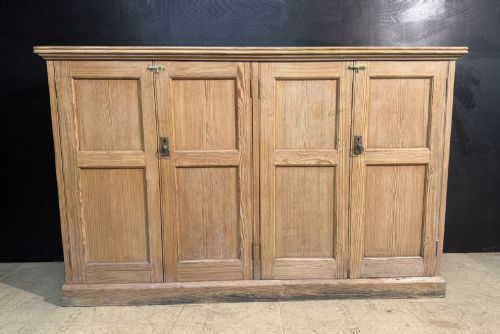
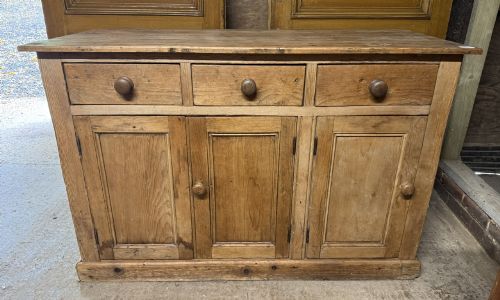
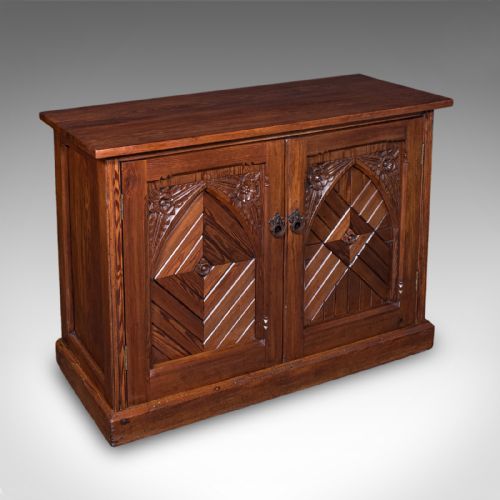
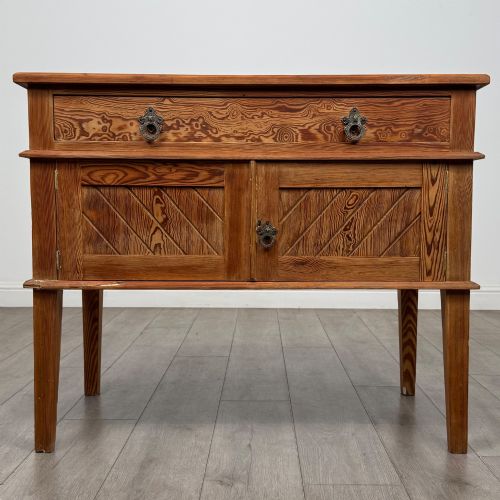
These 19th century pine cabinet pieces bring honest utility and simple charm to a room, offering sturdy storage built to last.
19th Century Pine Cabinet
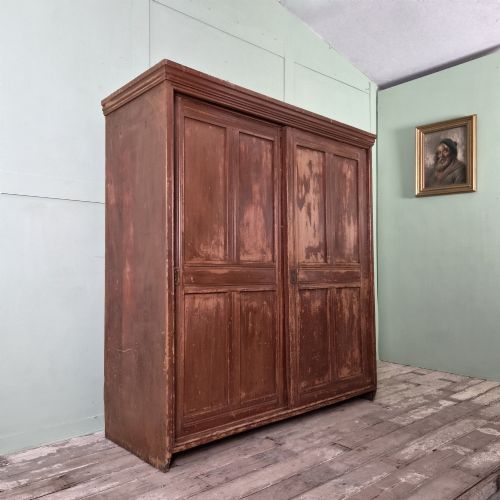
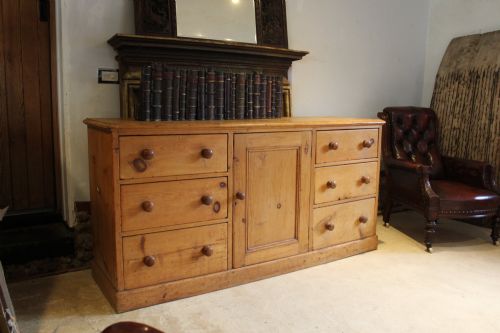
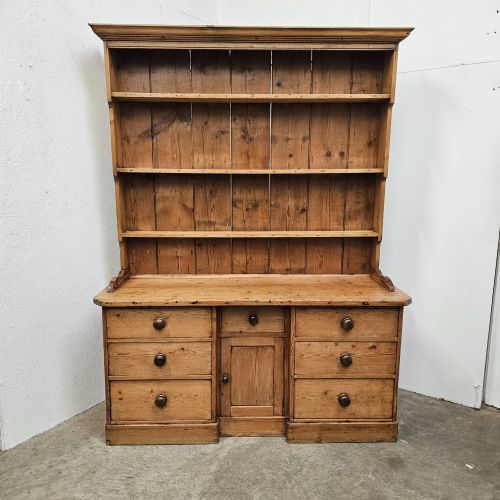
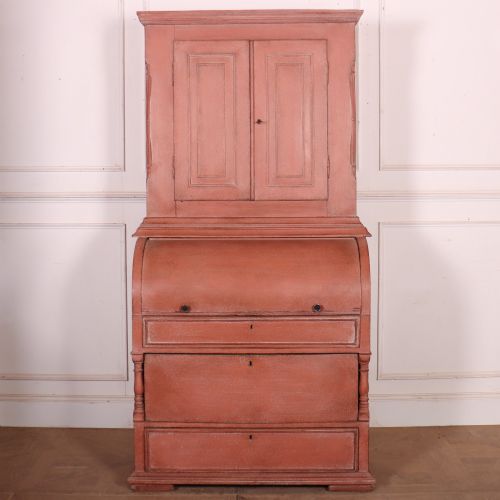
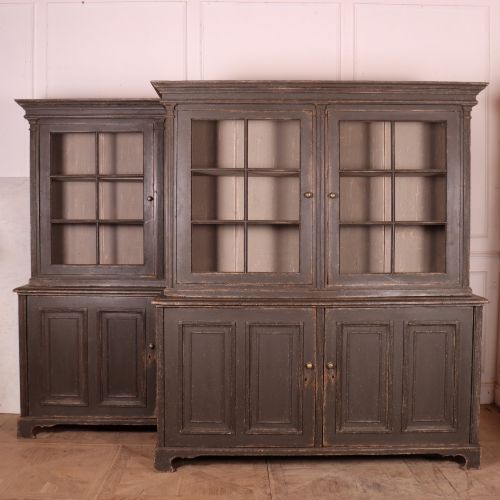
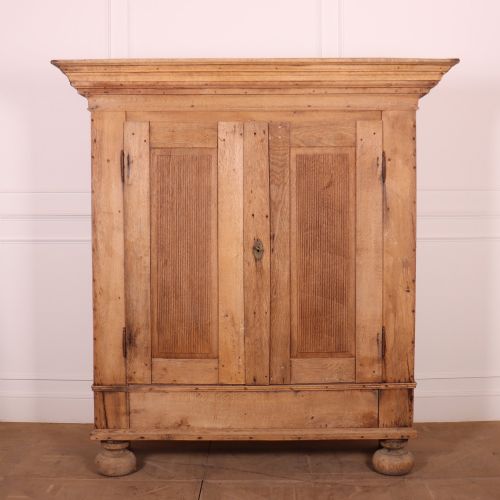
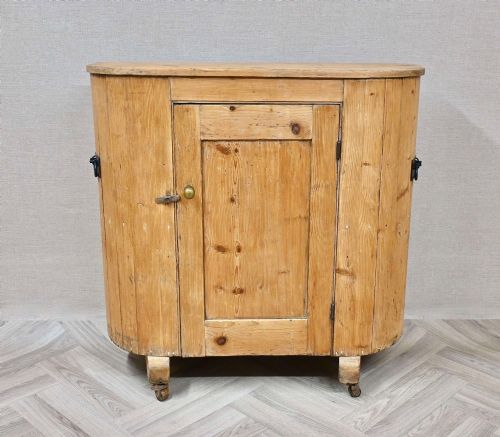
A 19th century pine cabinet covers a broad family of storage furniture made from softwood during the Victorian era and the surrounding decades. Buyers searching this phrase look for functional pieces that range from small wall-hung cupboards to large larder cupboards and housekeepers' pantries.
The versions most commonly met on this page include simple low cupboards, corner cabinets designed to fit tight spaces, and taller school or doctors' cabinets. Continental and Eastern European examples appear alongside English pieces, offering distinct regional proportions and painted finishes.
Many of these items served practical roles in domestic or institutional settings, from bedside storage to kitchen pantries. Their enduring appeal lies in this straightforward utility, combined with the warmth of aged timber and painted surfaces.
Materials and construction methods
Makers constructed these cabinets primarily using pine, sometimes employing pitch pine for greater durability or specific grain patterns. Iron and brass fittings, including hinges, locks, and handles, provide both structural support and functional operation.
Joinery methods reflect traditional workshop practices of the period, designed to withstand daily use in busy households or institutions. Surfaces were either left as bare timber to receive wax or paint over time, or finished with original paint layers that now show characteristic wear.
19th Century Pine Cabinet Retail Price Guide 2026
Typical asking prices for 19th century pine cabinet among the pieces listed under this phrase on Sellingantiques today, from the lower quarter to the upper quarter. They describe what is for sale here now, not the wider market.
Some nineteenth-century doctors and schoolteachers kept their daily supplies locked away in remarkably compact pine boxes.
Judging quality in pine storage
Quality in these pieces rests on the integrity of the original construction and the survival of surface finishes. Well-proportioned framing, tight joints, and original iron or brass hardware distinguish sturdier examples from simpler utilitarian boxes.
The character of the timber and the history of its surface treatment matter greatly. Retaining an original painted finish or a deeply patinated waxed pine surface elevates a piece above those that have undergone aggressive stripping or modern alterations.
The 19th Century Pine Cabinet Glossary
- Pine
- A softwood derived from conifer trees, widely utilised in the nineteenth century for utilitarian furniture due to its availability and workability.
- Pitch pine
- A denser, resinous variety of pine valued for its strength and prominent grain figure, often seen in later nineteenth-century pieces.
- Housekeeper's cupboard
- A large storage piece traditionally used in grand homes for linens, dry goods, or pantry supplies.
- Corner cabinet
- A storage unit specifically built with angled sides to fit neatly into the corner of a room.
- Patina
- The surface sheen and colour developed on timber and paint over decades of handling, exposure to light, and polishing.
19th Century Pine Cabinet: Frequently Asked Questions
How do I clean a pine cabinet?
Maintenance requires only a soft cloth and occasional application of traditional beeswax to nourish the dry timber.
Avoid modern chemical sprays or excessive water, which can damage aged painted surfaces and strip natural oils.
Were these cabinets originally painted?
Many nineteenth-century pieces received layers of paint for protection or decoration, particularly in domestic kitchens and continental workshops.
Other items remained as bare softwood to be waxed or scrubbed clean during daily household chores.
Can I use a corner cabinet in a modern room?
These units offer an efficient way to utilise awkward wall junctions while adding period character to contemporary spaces.
Their compact footprints make them suitable for displaying collections or storing everyday items without dominating a floor plan.
What is the difference between pitch pine and standard pine?
Pitch pine contains higher resin content, making the wood heavier, harder, and more resistant to wear.
It often displays a more pronounced, reddish grain pattern compared to the lighter, softer standard pine used in general cabinet making.