
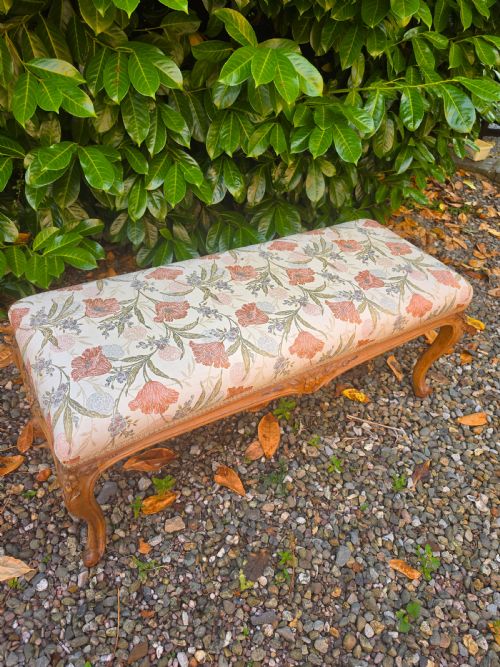


19th Century Piano Bench
These 19th century piano bench pieces are sturdy seats designed for musicians, built in woods like walnut and mahogany to sit comfortably beside a keyboard.
19th Century Piano Bench
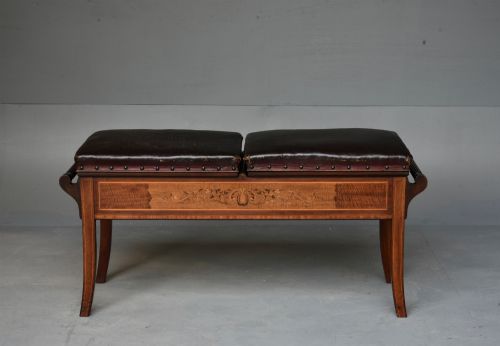
A 19th century piano bench provides a dedicated seat for piano players, often long enough for duet performances or sized for a single musician. These pieces appear in forms such as duet piano stools and music stools, alongside related seating like dressing stools.
The pieces on this page span the 19th century, including specific periods like Victorian and Regency, as well as dates around 1860 and 1880. They serve both a practical role at the keyboard and a decorative function in a period interior.
How they were made
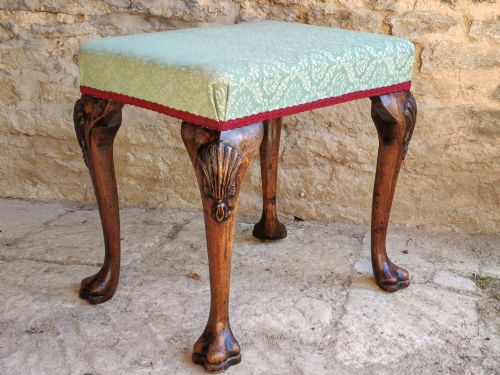
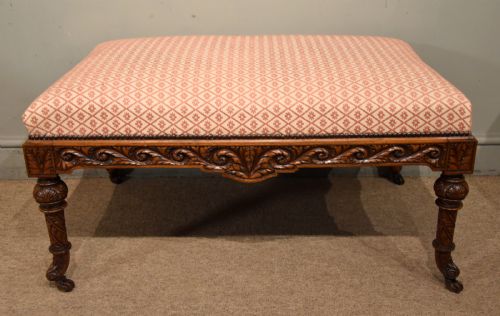
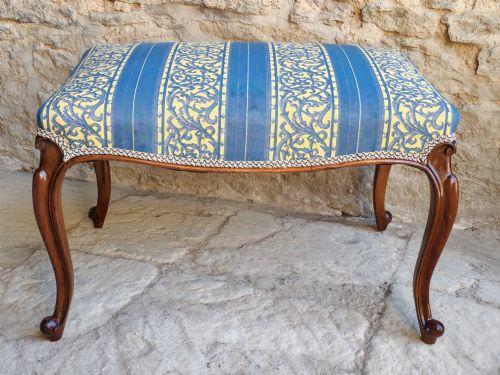
Cabinet makers constructed these benches using hardwoods such as walnut, mahogany, and rosewood, often shaping the timber with carved details or inlay. Frames frequently feature cabriole legs or X-shaped supports.
Upholstery completed the seating, utilising materials like fabric, textile, velvet, leather, and brass details. These surfaces provided comfort during long periods of practice or performance.
Listings feature walnut, mahogany, and rosewood timbers across the 19th century, Victorian, and Regency periods.
What varies in quality
The standard of timber selection and carving depth sets finer examples apart from simpler utilitarian seating. Superior pieces display thoughtful proportions and careful execution in details like cabriole legs.
The choice of covering material and the preservation of original upholstery elements also indicate the distinction between everyday items and higher quality commissions.
The 19th Century Piano Bench Glossary
- Duet piano stool
- A wider bench designed to accommodate two players at the keyboard simultaneously. These longer seats often feature upholstered tops.
- Cabriole leg
- A furniture leg that curves outward and then tapers inward, finishing in a pad or foot. This design appears frequently on walnut and mahogany seating from the period.
- X-framed
- A structural form where the supporting legs cross in an X shape beneath the seat. This configuration provides stability for music stools.
- Rosewood
- A dense, dark timber valued for its rich grain pattern and deep colour. Makers utilised it for distinctive piano benches and stools.
- Mahogany
- A durable reddish-brown hardwood commonly employed by cabinet makers throughout the nineteenth century. It takes a fine finish and holds carved details securely.
19th Century Piano Bench: Frequently Asked Questions
How do I use a piano bench today?
These benches work well as seating at a modern keyboard, a dressing table, or a desk in a study. Their sturdy frames and upholstered tops offer practical daily use.
They also function effectively as decorative occasional seats in a living room or hallway, adding period character to the space.
What is the difference between a duet and single bench?
A duet bench is built longer to accommodate two people sitting side by side to play piano duets together. Single stools provide a more compact seat for one musician.
Both forms share similar construction methods and timber choices from the nineteenth century.
Which woods were used for these benches?
Cabinet makers predominantly used walnut, mahogany, and rosewood to construct these pieces. These durable hardwoods allowed for sturdy frames and decorative carving.
Some examples also incorporate inlaid details to enhance the appearance of the timber.
How can I tell the period of a stool?
Makers incorporated stylistic elements like Regency lines, Victorian carving, or specific shapes such as X-frames to reflect the design tastes of the era. Examining the timber and construction helps identify the period.
Dates associated with these pieces range across the nineteenth century, including specific years like 1860 and 1880.