


19th Century Perfume Flask
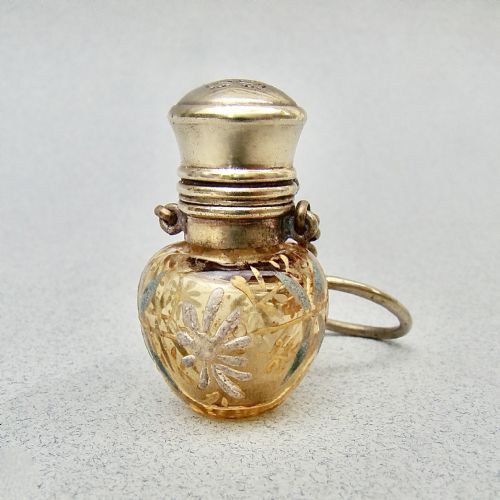
When you search for a 19th century perfume flask, you encounter miniature vessels designed to carry scented oils and salts in pockets or chatelaines.
19th Century Perfume Flask
A 19th century perfume flask bridges personal grooming and decorative art, taking forms such as scent bottles, snuff bottles, and vinaigrettes. These pieces originate from British, French, Chinese, and Dutch workshops, reflecting diverse cultural tastes for portable luxury.
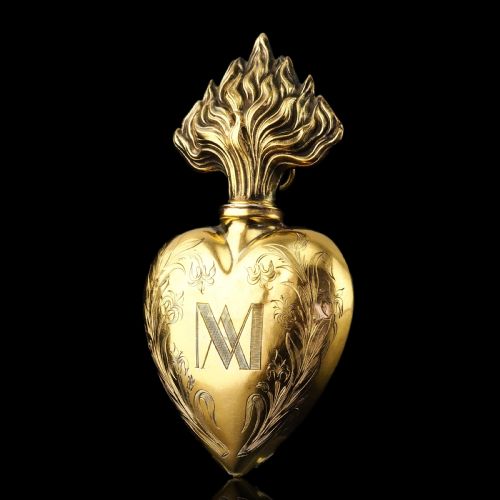
The selection on this page leans heavily toward Victorian English silver-mounted glass and ornate French chatelaine flasks from the latter half of the century. Buyers also find Chinese porcelain and jade snuff bottles alongside Regency porcelain rose water sprinklers.
Materials and Techniques
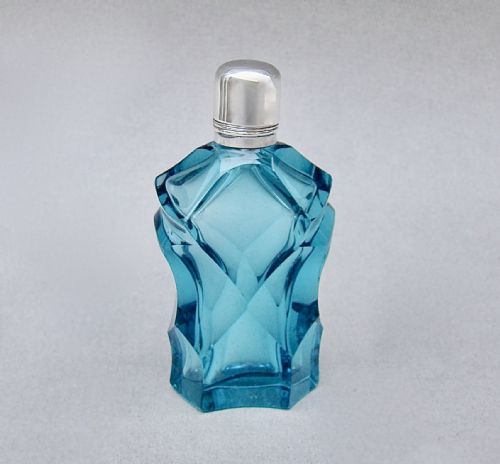
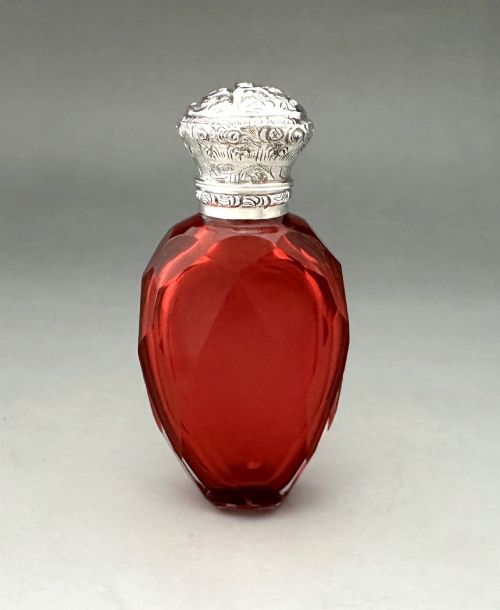
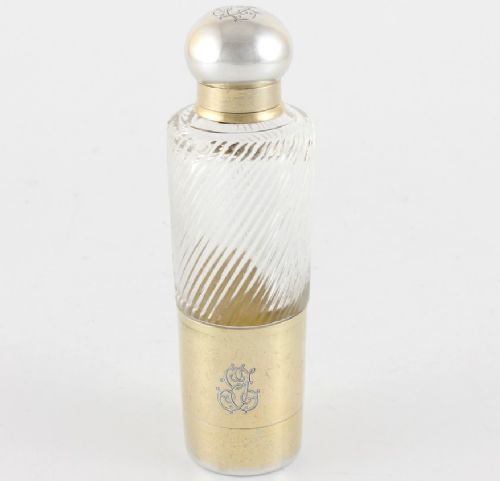
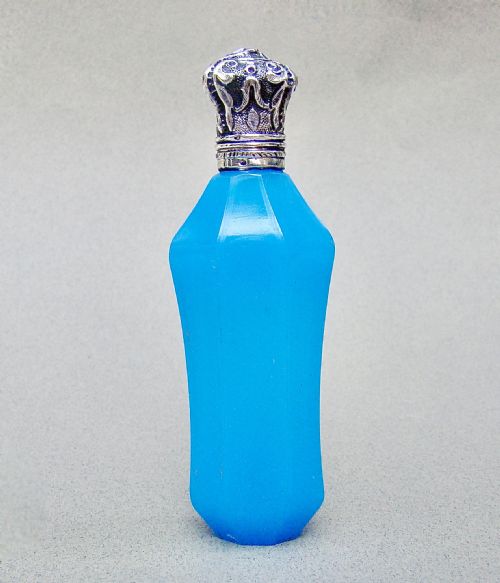
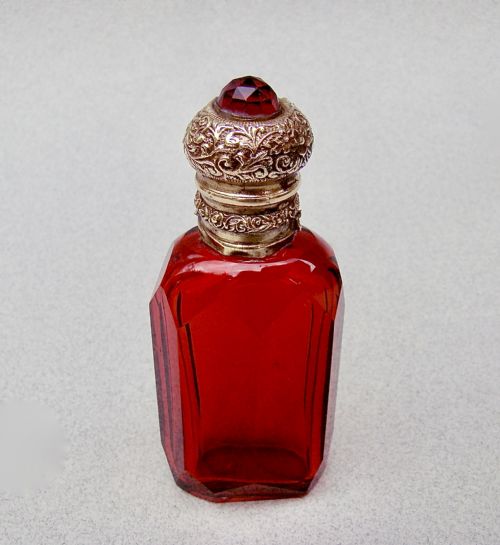
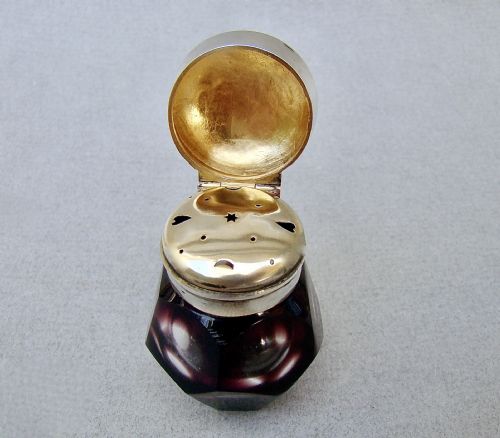
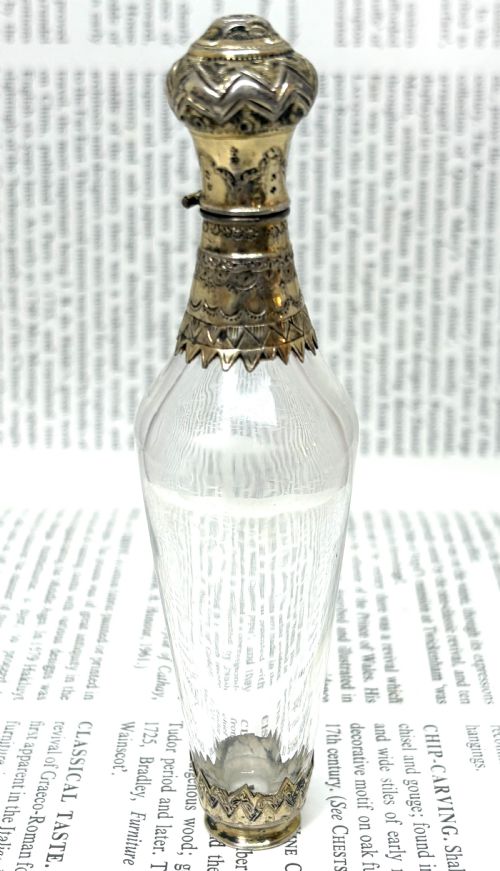
Glassmaking techniques define many of these flasks, utilising cut glass, opaline glass, and layered overlay glass in colours like cranberry, ruby, and teal. Makers combined these glass bodies with silver, sterling silver, or silver-gilt mounts, often adding hinged caps for secure closure.
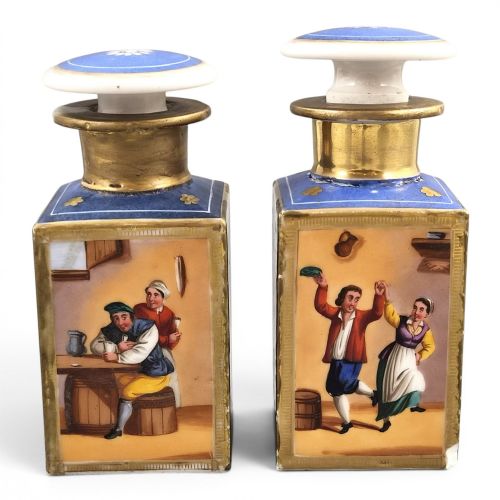
Ceramic pieces rely on porcelain bodies decorated with enamel or fine painted scenes, while specialised items incorporate jade, mother-of-pearl, or crocodile skin paired with metalwork. Engraving, gilding, and ormolu mounts complete the fabrication of the more elaborate examples.
Some nineteenth-century owners carried their scent in miniature violins and carved owls.
Quality and Craftsmanship
Quality rests upon the precision of the glass cutting, the clarity of coloured glass layers, and the finesse of the metal mounts. Hand-chased silver overlay and detailed enamel work indicate a higher tier of production than plain glass with basic collars.
The integration between the stopper and the neck determines practical execution, while artistic merit shows in hand-painted ceramic figural scenes or specialised murrine inclusions.
Tonnel Paris·Jacob Petit·Franchini And Bigaglia·Flight Barr And Barr·S Morden And Co
The 19th Century Perfume Flask Glossary
- Chatelaine
- A decorative belt hook worn with suspended chains holding utilitarian items such as scent flasks, keys, and watches.
- Vinaigrette
- A small ornamental box featuring a pierced grille inside, used to hold a sponge soaked in aromatic vinegar.
- Silver-gilt
- Silver that has been coated with a thin layer of gold on its exterior surface.
- Opaline glass
- An opaque or translucent glass developed in France, frequently tinted in soft pastel shades of blue, turquoise, or white.
- Murrine
- Coloured patterns created in glass by stretching molten glass canes and slicing them across.
19th Century Perfume Flask: Frequently Asked Questions
How were scent bottles used?
Owners carried these small flasks in pockets or attached them to chatelaines to refresh the air or combat faintness in crowded rooms. The tightly fitted stoppers kept volatile oils secure until needed.
They also served as dressing table ornaments, holding daily fragrances for personal grooming and display.
What is the difference between a scent bottle and a vinaigrette?
A scent bottle holds liquid perfumes within a closed glass or ceramic chamber, secured by a stopper or screw cap. Its primary function is the dispersal of liquid aromas.
A vinaigrette contains a perforated internal grill designed to diffuse the scent of aromatic vinegar soaked into a sponge rather than pouring a liquid.
How do you date a 19th century flask?
Dating relies on hallmarks stamped onto the silver mounts, registry marks indicating patent dates, and stylistic indicators such as Victorian aesthetic movements or French Second Empire opulence. Glass colours and manufacturing techniques also align with specific decades.
Examining the construction of the screw threads and hinges provides further clues to the manufacturing period.
Can you still use antique perfume flasks?
Most antique flasks function mechanically, but historical corks or deteriorated washers may no longer form a complete liquid seal. Modern perfume may also react with old glass linings or metal interiors if left inside for long periods.
Collectors generally display them as decorative art objects rather than utilising them for daily fragrance storage.