

19th Century Painted Vase
When a 19th century painted vase catches the eye, it brings a century of diverse global artistry and botanical colour directly into the room.
19th Century Painted Vase
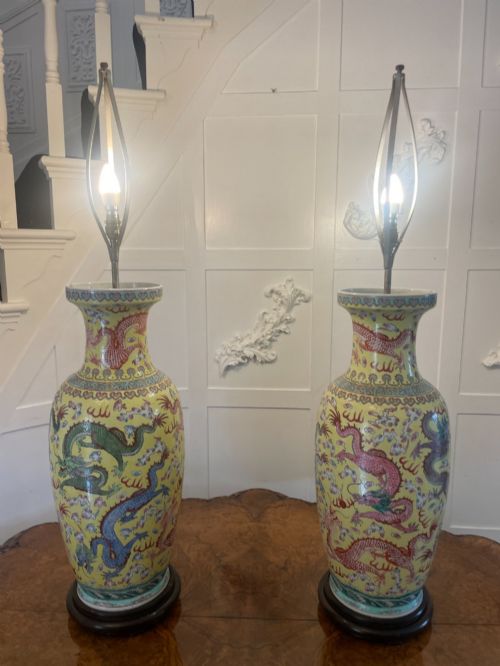
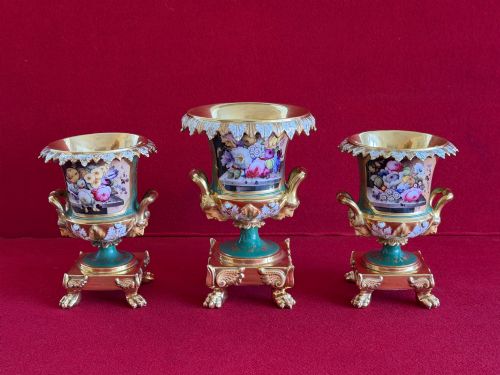
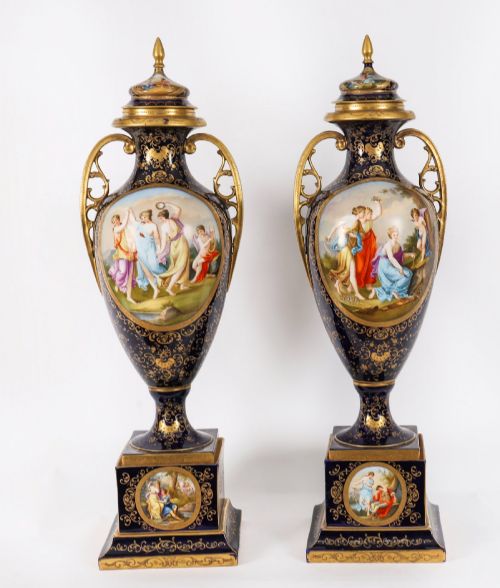
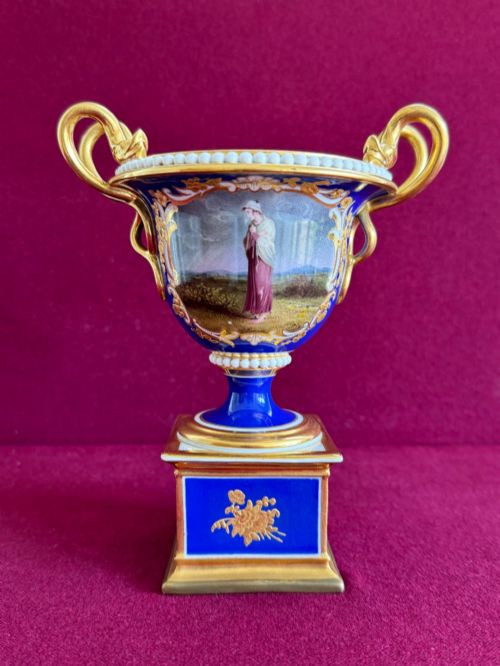
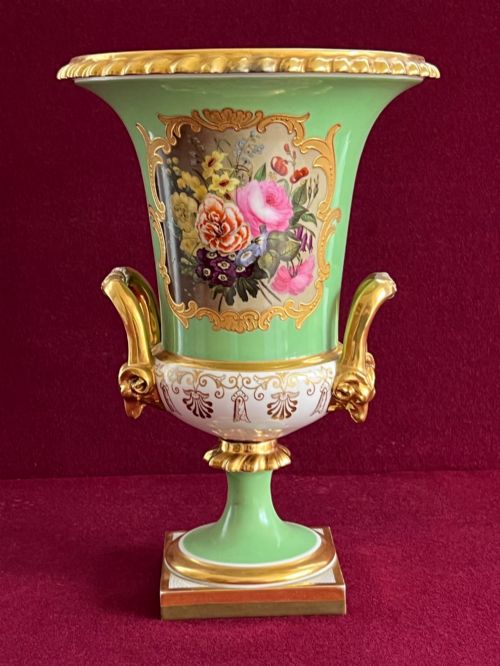
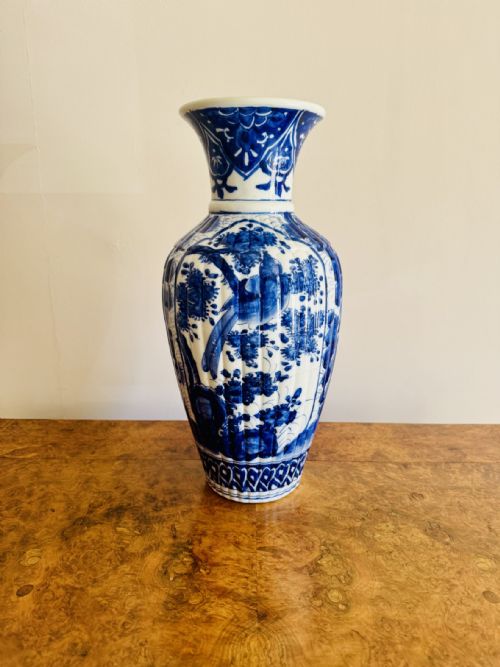
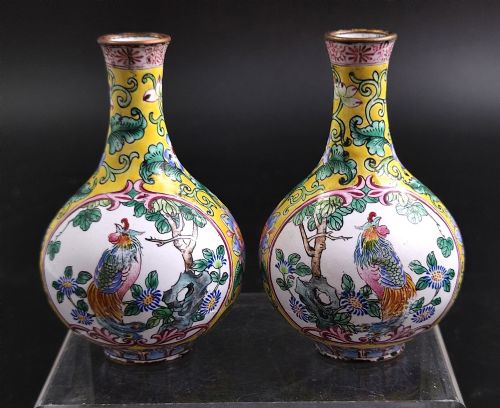
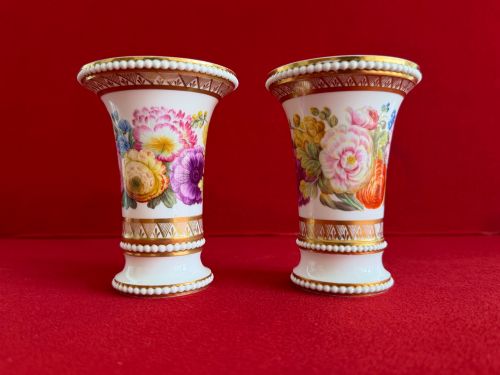
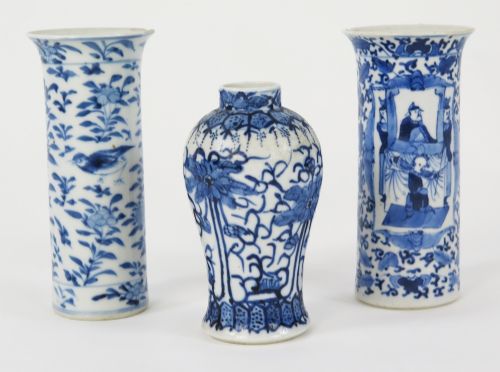
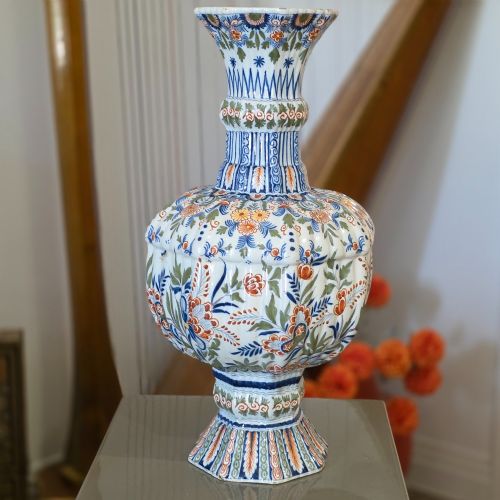
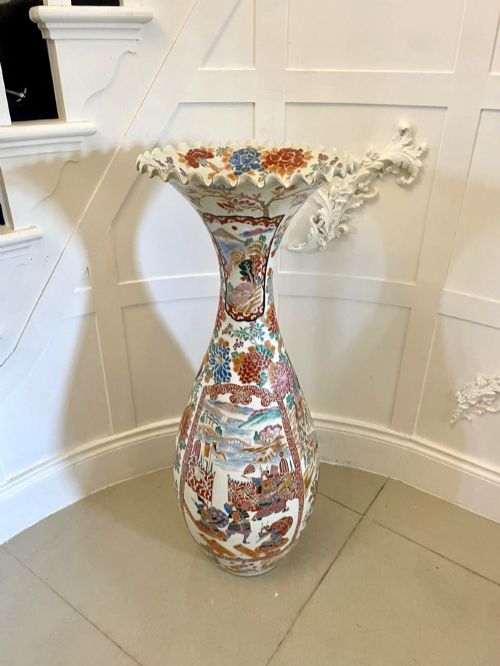
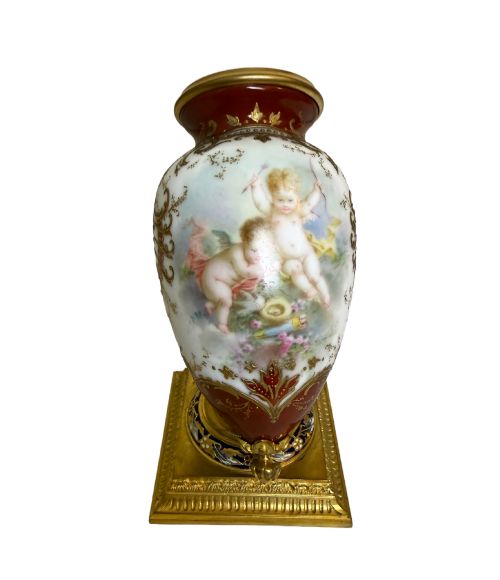
A 19th century painted vase encompasses a wide variety of ceramic, glass, and earthenware vessels produced across European and Asian kilns during the Georgian, Victorian, and Meiji eras. Buyers searching this phrase most frequently encounter porcelain vessels featuring hand-painted botanical, avian, or figural decoration, alongside distinct regional traditions like Japanese Imari and French Sèvres-style wares.
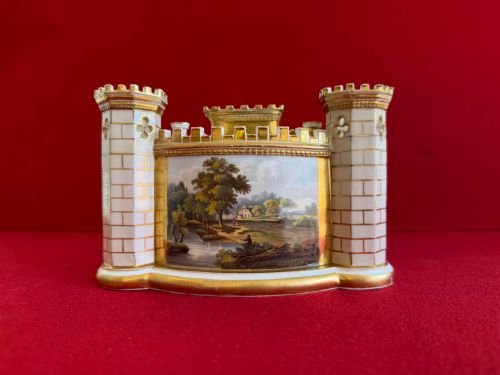
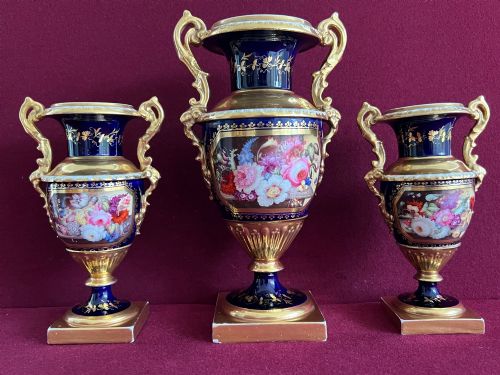
The domestic and international output of this period ranges from large floor-standing urns and ginger jars down to diminutive cabinet pieces and table lamps. Makers applied brushwork, gilding, and enamel over bodies shaped into campagna urns, moon flasks, and double gourd silhouettes.
Geographic origins span English factories such as Worcester and Spode, continental European porcelain houses like Meissen and Dresden, and East Asian workshops exporting delicate eggshell and fritware ceramics. Each regional centre brought specific glaze chemistry and brush techniques to the form.
Materials and construction
Porcelain and earthenware formed the primary structural bodies, shaped either by throwing on a wheel or moulding into bulbous and campagna urn profiles. Artisans then applied enamel pigments, mineral glazes, and liquid gold leaf before firing the pieces in kilns to vitrify the surfaces.
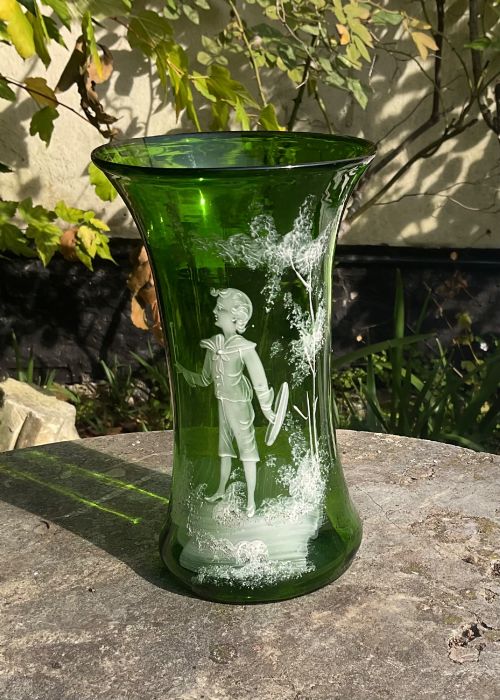
Gilt bronze mounts frequently complemented European porcelain bodies, adding structural support and decorative handles to French and Austrian vessels. Glass vessels utilised layered colour techniques, as seen in green glass table lustres and Mary Gregory enamel-painted wares.
Listings feature porcelain, glass, and earthenware materials across the Georgian, Regency, Victorian, and Meiji periods.
Factors determining quality
Quality rests significantly on the precision and nuance of the hand-painted brushwork, separating hurried factory production from signed artistic output. Fine pieces display delicate shading in floral motifs and anatomical accuracy in figures, executed by trained ceramic painters.
The purity of the porcelain paste, the evenness of the glaze application, and the crispness of the gilt leaf ornamentation further distinguish higher-tier examples. Well-preserved factory marks and signature attributions confirm the provenance and standard of the workshop.
Barr Flight and Barr·Fourmaintraux Courquin·H and R Daniel·Helena Wolfsohn·Konstantin Stoitzner·Royal Worcester·Sitzendorf·Spode
The 19th Century Painted Vase Glossary
- Campagna urn
- A classical bell-shaped vessel with a footed base and flared rim, popular for decorative garden and interior display.
- Imari
- A Japanese export porcelain style characterised by underglaze blue and contrasting iron red, overlaid with gold detailing.
- Fritware
- A ceramic body incorporating ground quartz or glass, allowing for intricate potting and vibrant glaze absorption.
- Bleu céleste
- A bright turquoise porcelain ground colour famously utilised by the Sèvres factory and later nineteenth-century revivalists.
- Moon flask
- A flattened circular flask form featuring a narrow neck and small loop handles, often resting on an oval foot.
19th Century Painted Vase: Frequently Asked Questions
How were these decorative vases used?
Nineteenth-century vessels served primarily as interior ornament on mantelpieces, sideboards, and pedestals rather than utilitarian flower holders. Many large examples arrived as pairs to anchor architectural spaces in formal drawing rooms.
Smaller cabinet pieces and lidded urns functioned as display objects to showcase wealth, travels, and refined taste through imported porcelain or continental enamel work.
How can I distinguish European copies from Asian originals?
Examine the paste body through the unglazed foot ring to observe the density and texture of the ceramic clay. European factories often imitated Japanese and Chinese motifs, resulting in pieces styled in the manner of Eastern wares rather than authentic imports.
Factory marks, blue underglaze symbols, and European registry stamps help clarify whether a piece originated in Meiji Japan or a continental revival workshop.
What distinguishes Regency pieces from later Victorian designs?
Regency era vessels often reflect neoclassical restraint, featuring crisp white porcelain bodies with classical urn profiles and sparing, elegant gilding. Makers like those at Worcester produced balanced, formal compositions during this early phase.
Victorian and later nineteenth-century production embraced eclectic revivals, heavier polychrome palettes, bolder floral coverage, and complex shapes influenced by Rococo and Asian aesthetics.