





19th Century Painted Tray
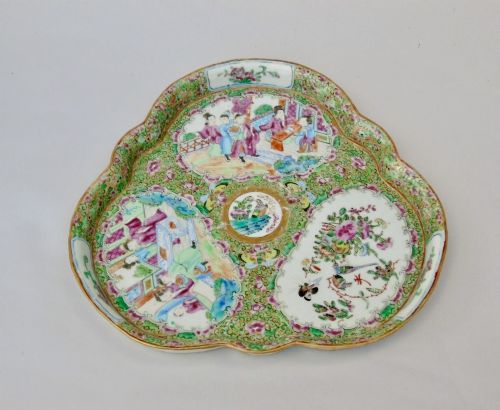
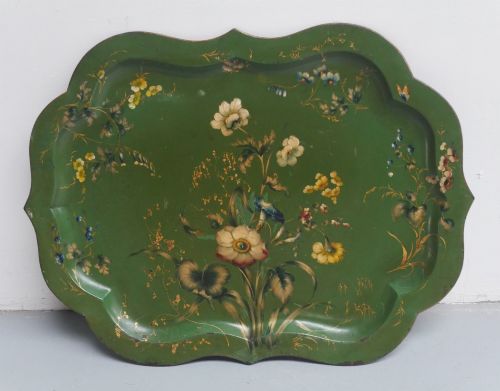
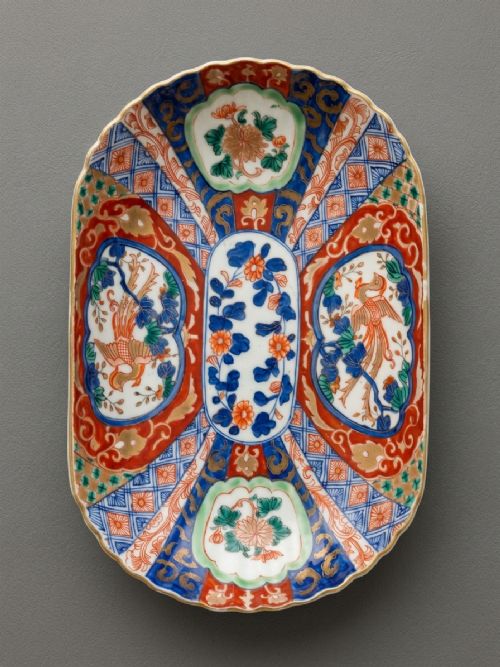
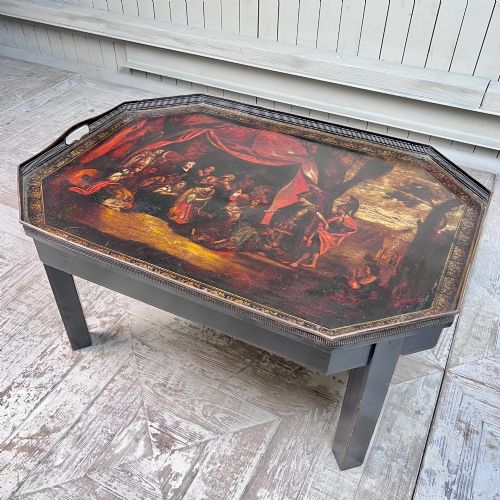
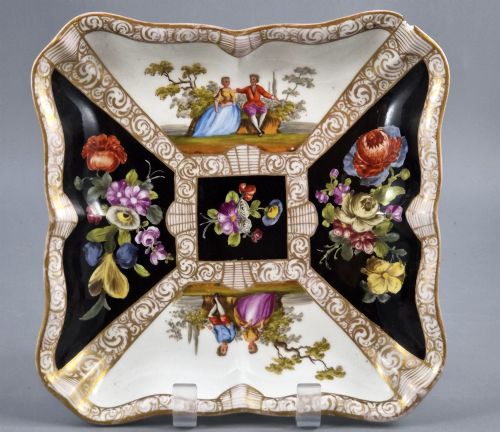
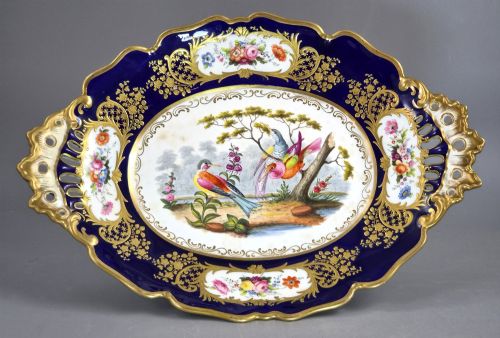
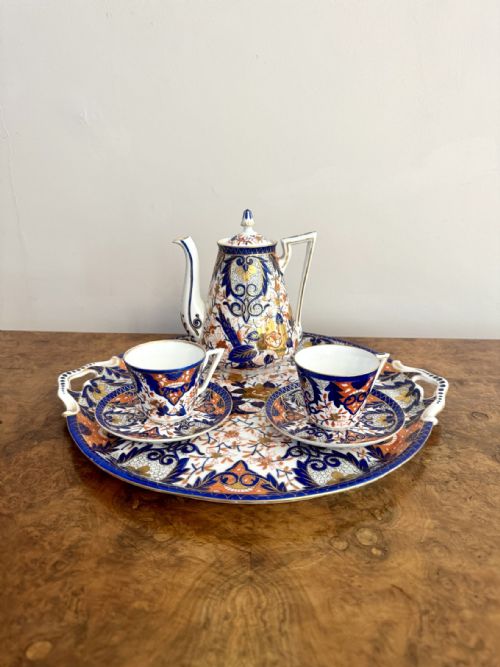
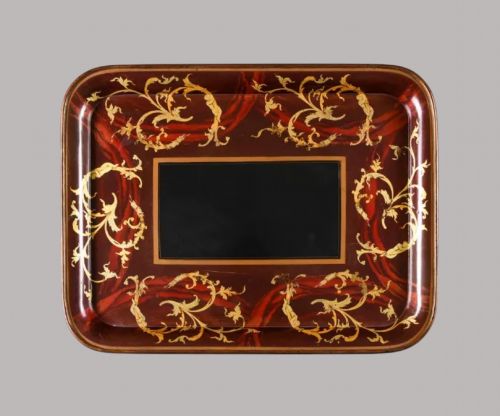
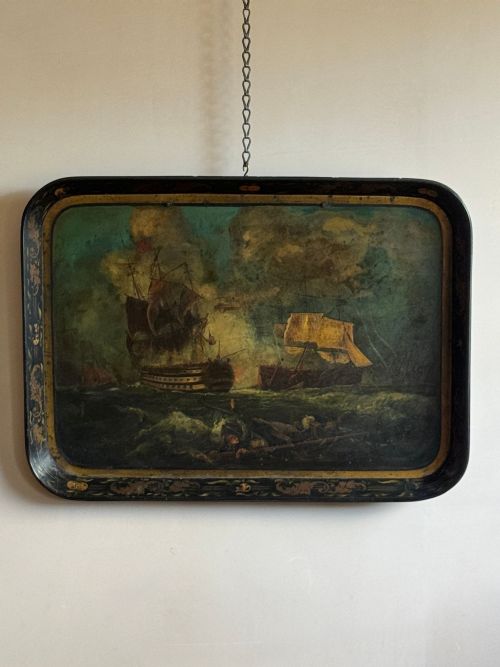
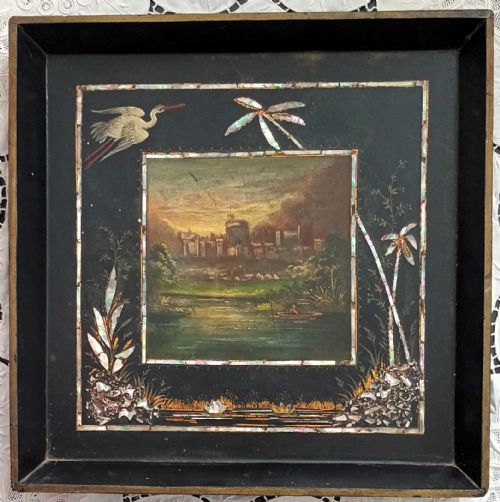
A 19th century painted tray brings hand-applied narrative scenes and rich surface ornament directly into a room.
19th Century Painted Tray
A 19th century painted tray serves as both a functional portable surface and a decorative display piece, encompassing serving trays, waiters, and platters. Buyers find these items appearing in forms ranging from large oval papier-mâché servers to octagonal toleware tray tables.
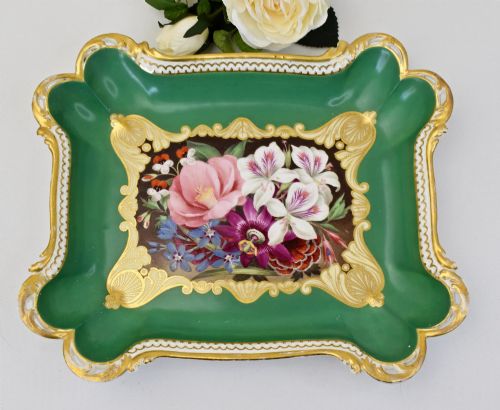
The versions met most frequently on this page span the Regency, Victorian, and Georgian periods, with papier-mâché and porcelain dominating the material records. Makers applied diverse styles such as Chinoiserie, Rococo Revival, and classical narrative scenes to these surfaces.
Originating from English, French, and Chinese workshops, these pieces often feature detailed hand-painted motifs including exotic birds, floral arrangements, and historical subjects. They function equally well mounted on stands as occasional furniture or displayed flat on walls and surfaces.
How they were made
Papier-mâché items start as layers of paper pulp mixed with glue and resin, compressed under heavy pressure before curing into a rigid blank ready for smoothing and finishing. Artisans then applied dark lacquer coats and hand-painted details, frequently integrating gold leaf or gilt ornamentation across the surface.
Porcelain and toleware versions rely on fired ceramic bodies or shaped sheet iron, which received tin-glaze, enamel, or oil-based paint layers. Painters executed intricate figurative subjects or botanical studies by hand, sometimes sealing the finished pigment with protective clear varnishes.
19th Century Painted Tray Retail Price Guide 2026
Typical asking prices for 19th century painted tray among the pieces listed under this phrase on Sellingantiques today, from the lower quarter to the upper quarter. They describe what is for sale here now, not the wider market.
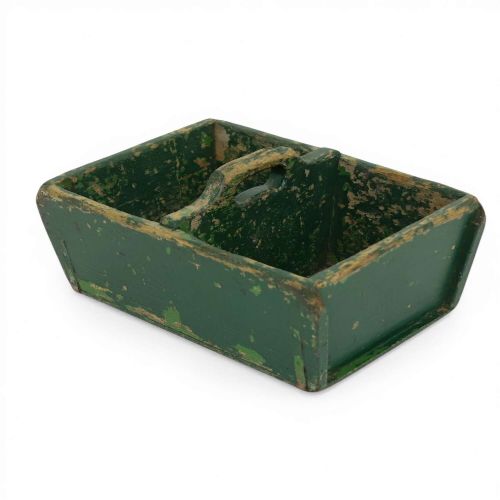
One Welsh artisan apparently decided a sturdy trug belonged alongside fine porcelain and lacquer.
What varies in quality
The distinction between tiers rests upon the precision of the hand-painted artistry and the complexity of the underlying material structure. Pieces featuring detailed figural narratives, such as classical or literary scenes, demand superior draughtsmanship compared to standard floral repeats.
Preservation of the original surface finish heavily influences overall standing, particularly where delicate gilt highlights, gold leaf, or japanned layers remain intact without heavy restoration. The depth of the papier-mâché core or the fineness of the porcelain body further separates standard production items from masterworks.
Jennens & Bettridge·Coalport·Meissen·Worcester·James Giles·Doe & Rogers·Sevres·Samson·Swansea·Ridgway·Minton·Spode·Vienna·H. Meeson·John Robert Dicksee·Johner
The 19th Century Painted Tray Glossary
- Papier-mâché
- A composite material made from paper pulp or layered sheets mixed with glue, moulded and baked until rigid. It provided a lightweight, smooth base for lacquer and paint in nineteenth-century serving wares.
- Toleware
- Lacquered or enamelled sheet metal items produced throughout the period. Artisans painted vibrant floral or scenic designs directly onto the dark metal base.
- Japanned
- A European imitation of East Asian lacquerwork using dark resin varnishes baked onto a rigid core. It created a glossy, durable finish characteristic of Regency serving pieces.
- Chinoiserie
- A Western decorative style interpreting Chinese artistic traditions. It frequently appears on trays depicting imaginary landscapes, figures, and pavilions.
- Gilt
- A thin application of gold leaf or gold paint used to highlight borders, handles, and scenic elements. It adds reflective contrast to dark lacquer or ceramic grounds.
19th Century Painted Tray: Frequently Asked Questions
How were these trays used originally?
Nineteenth-century households utilised these pieces primarily for serving tea, coffee, and punch, or for carrying correspondence and calling cards across large homes. Servants transported porcelain services and glassware upon them in formal drawing rooms.
Beyond active service, many larger examples remained stationary on stands or tables to display decorative objects. Wealthy owners also hung them on walls to showcase intricate painted artwork.
Can I use an antique tray for serving food?
Most historic pieces feature delicate hand-painted varnish, gold leaf, or papier-mâché surfaces that react poorly to moisture, heat, and modern cleaning chemicals. Daily culinary use risks permanent abrasion and staining to the historic finish.
Collectors generally reserve them for dry display or gentle decorative use rather than active kitchen service. Placing a modern glass liner on top can protect the antique surface if serving drinks.
How do I distinguish Regency from Victorian trays?
Regency items often lean towards neoclassical motifs, restrained japanned finishes, and crisp geometric forms influenced by classical antiquity. The palette tends to employ stark contrasts with precise gold detailing.
Victorian pieces frequently embrace bolder polychrome palettes, ornate Rococo Revival moulding, and dense floral or narrative compositions. Makers in this later era expanded into heavier papier-mâché desk sets and elaborate porcelain tableaus.
How should I display a painted tray at home?
Trays mounted on custom folding bases function effectively as low coffee tables or occasional side tables in a sitting room. This approach keeps the painted surface visible while adding practical furniture to a space.
Wall mounting using specialised non-damaging brass brackets allows flat trays to act as framed artwork. Placing them on sideboards or mantelpieces supported by plate stands offers another secure display method.