




19th Century Painted Sign
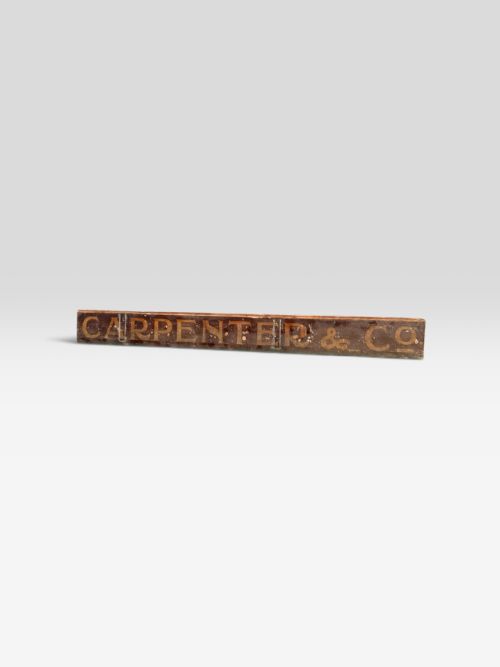
When searching for a 19th century painted sign, collectors seek authentic hand-painted timber, iron and tin boards that once advertised trades, railways and shops.
19th Century Painted Sign
A 19th century painted sign typically comprises wooden pine boards, tin, or iron bearing original hand-lettered or pictorial advertising for trades, railways, chapels, and drapery businesses. These utilitarian objects served practical commercial purposes before surviving as decorative wall art.
The selection frequently includes large painted pine trade signs, Welsh border boards, and specialised department store shop signs from the Victorian era. Many pieces originate from British and French commercial contexts, reflecting local craftsmanship and lettering styles of the period.
Buyers also encounter related painted items such as tin advertising plates, iron coopers sheep dip signs, and specific architectural boards. Each piece retains the weathered patina and original pigment characteristic of nineteenth-century commercial usage.
How they were made
Makers utilised solid pine, iron, and tin as the primary substrates for these functional boards, preparing surfaces with ground layers before applying oil-based sign paint by hand. Lettering and pictorial elements were executed using traditional bristle brushes and mixed pigments designed to withstand outdoor exposure.
Carpenters joined pine planks using simple tongue-and-groove or battened methods to create stable surfaces for signwriters. Metal signs involved cut iron and tin sheets shaped and painted with protective coats to resist rust in commercial environments.
What varies in quality
The standard of a 19th century painted sign depends largely on the crispness of the original signwriter's brushwork and the legibility of the typography. Examples with balanced proportions, sophisticated lettering layouts, and untouched original surfaces command greater attention from collectors.
Gradations in quality also stem from the survival rate of the initial pigment and the stability of the underlying timber or metal. Pieces retaining clear pictorial motifs or specific trade identifications display superior decorative presence compared to heavily restored or uniformly worn alternatives.
William Kent Design·H. Martin
The 19th Century Painted Sign Glossary
- Trade sign
- A painted board or metal plate commissioned by a merchant or craftsman to advertise a specific profession or business on a shopfront. These practical objects form a major category within nineteenth-century folk art and commercial ephemera.
- Pine
- A softwood commonly utilised by nineteenth-century carpenters for signboards due to its availability and stable grain. It provides a receptive flat ground for oil-based sign paints.
- Tinplate
- Thin sheet iron coated with tin to prevent rusting, frequently employed for portable nineteenth-century advertising plates and notices. It allowed for fine detailing and smooth painted surfaces.
- Patina
- The surface texture, wear, and softening of colour accumulated through age and exposure to the environment. On painted boards, a genuine patina confirms long-term survival of the original finish.
19th Century Painted Sign: Frequently Asked Questions
What were 19th century painted signs used for?
These boards served as exterior commercial markers mounted on shops, inns, railway stations, and chapels to inform the public of available goods and services. They functioned as essential daily notices before modern illuminated advertising developed.
Craftsmen painted specific trade details, lettering, and symbols directly onto wood or metal so passing customers could instantly recognise the business proprietor's occupation.
How do I clean an antique painted sign?
Dust the surface gently with a soft, dry cloth to remove loose particles without disturbing fragile historic pigments. Avoid using water, detergents, or chemical solvents that might strip the original nineteenth-century oil paint.
Professional conservation advice should be sought if the paint layer is flaking or unstable, as active cleaning can cause irreversible loss to the historic surface.
Where should I hang a wooden trade sign?
Display these boards on interior walls away from direct sunlight, high humidity, and sudden temperature fluctuations that could warp the pine or crack the paint. Ensure the mounting brackets adequately support the weight of solid timber panels.
Positioning the sign at eye level in a principal room allows the details of the brushwork and typography to be properly appreciated.
How can I tell an original sign from a reproduction?
Examine the paint surface under magnification for natural craquelure, pigment shrinkage, and wear consistent with nineteenth-century oil formulations. Genuine examples exhibit aged wood or oxidized metal beneath the paint layers rather than artificially distressed modern finishes.
Check the construction methods of the backing boards, as period joinery and hand-cut nails differ significantly from contemporary manufacturing techniques.