






19th Century Orientalist Figures
19th century orientalist figures capture distant cultures and traditional trades through bronze, porcelain and oil paint.
19th Century Orientalist Figures
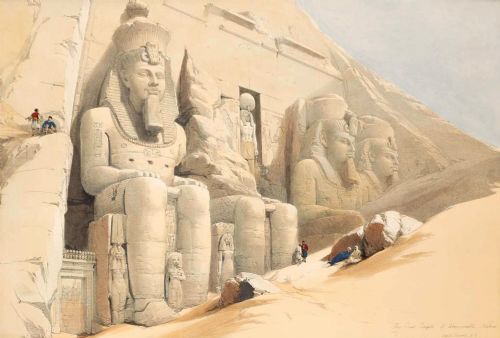
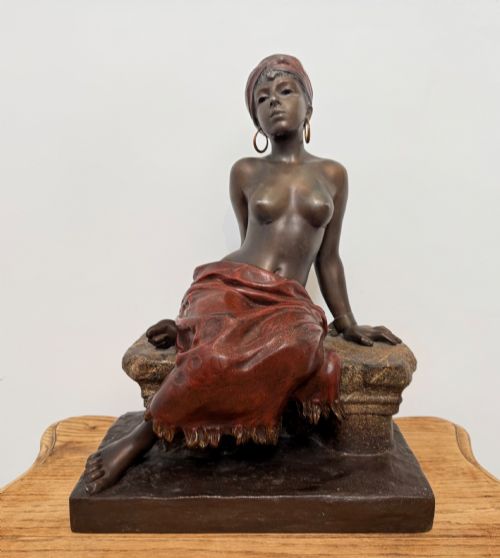
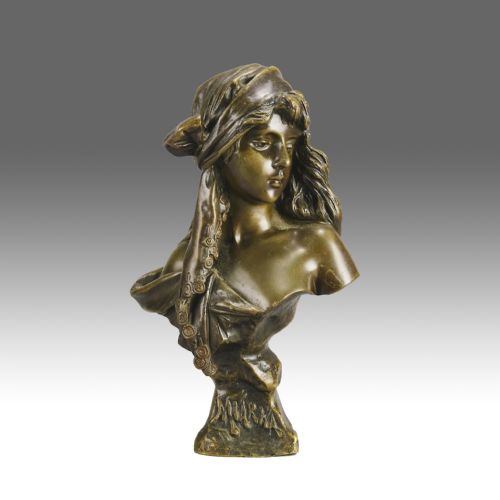
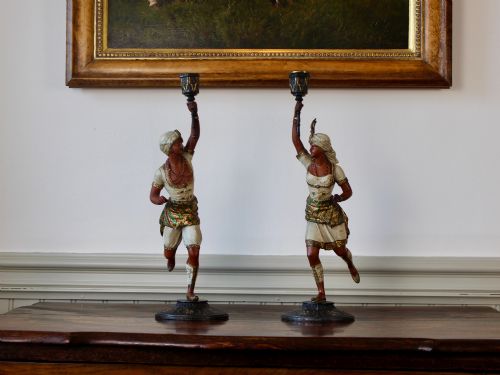
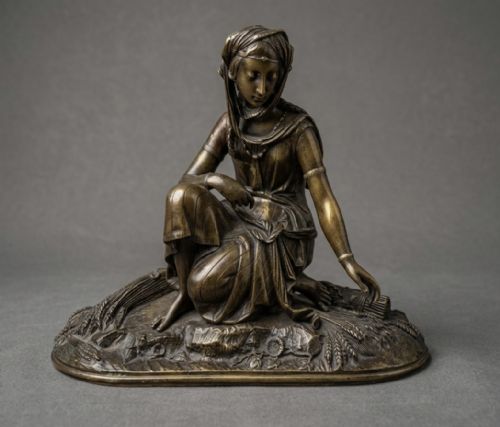
Collectors seeking 19th century orientalist figures encounter works that depict subjects from North Africa, the Middle East and the wider Islamic world. These pieces range from cast metal sculptures and painted terracottas to oil paintings on canvas and porcelain figurines.
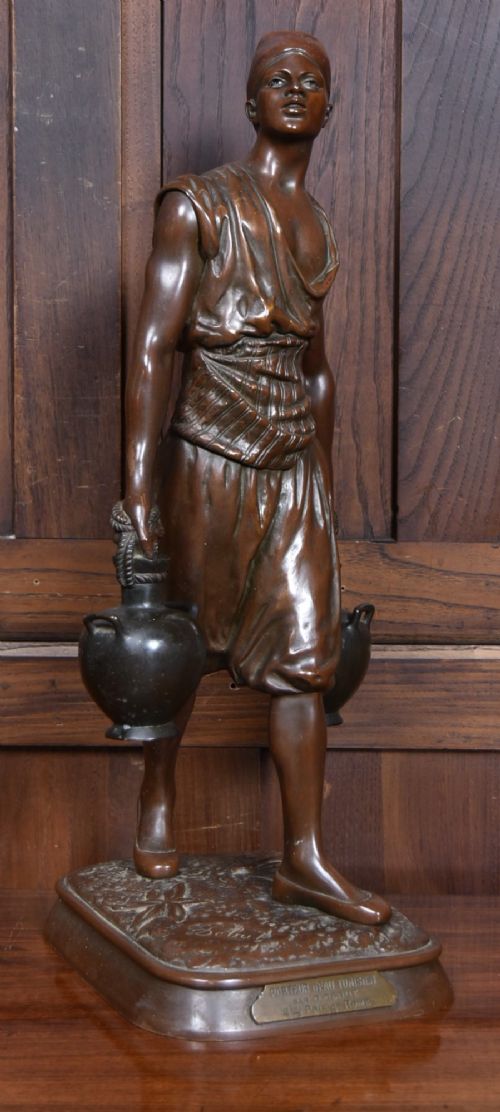
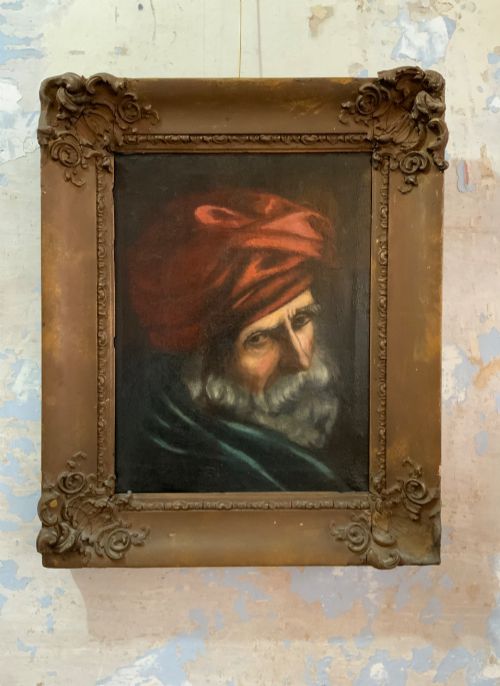
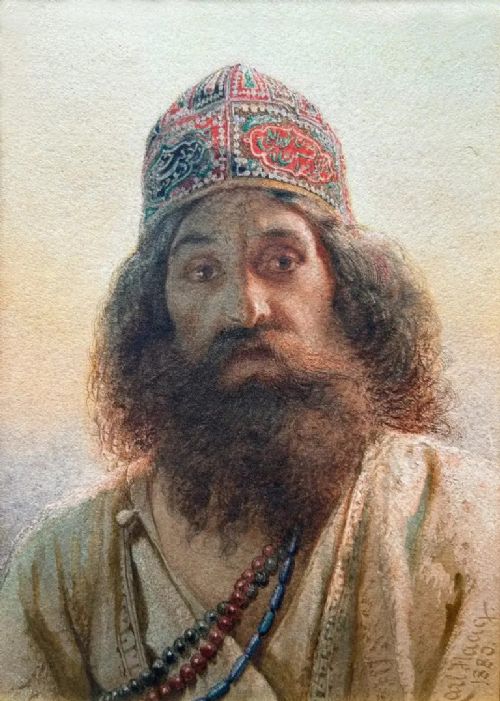
The most common forms on this page include bronze studies of water carriers, snake charmers and traders alongside ceramic figures from factories such as Royal Worcester and Royal Dux. Victorian oil paintings and canvas works also record similar regional scenes and portraits.
Originating predominantly from European workshops during the Victorian period and the late 19th century, these items reflect contemporary artistic fascination with exoticism and travel. They serve as historical records of nineteenth-century European perception regarding eastern subjects.
How They Were Made
Metal sculptures rely on the lost-wax casting method to capture fine details in bronze or spelter, frequently enhanced with cold-painted or patinated finishes. Ceramic and porcelain pieces undergo high-temperature firing before receiving hand-painted polychrome decoration and enamel highlights.
Canvas works and oil paintings employ traditional pigment application over stretched fabric, sometimes framed with carved and gilded wood. Terracotta and plaster figures are moulded, dried and finished with painted surfaces or glazes.
19th Century Orientalist Figures Retail Price Guide 2026
Typical asking prices for 19th century orientalist figures among the pieces listed under this phrase on Sellingantiques today, from the lower quarter to the upper quarter. They describe what is for sale here now, not the wider market.
Several figures choose unusual employment, balancing water jars, holding baskets or charming snakes.
What Varies in Quality
The refinement of the casting and the crispness of the chisel work dictate the standard of metal sculptures, distinguishing finely detailed figures from mass-produced casts. Original cold-painted surfaces and careful polychrome enamelling retain greater integrity than later repainted finishes.
In painted works, the fluidity of brushwork and the anatomical accuracy of the subjects separate accomplished fine art from standard decorative production. Ceramic pieces demonstrate quality through the delicacy of the moulding and the preservation of hand-applied gilt and colour.
Emmanuel Villanis·Edouard Drouot·Alfred Dubucand·Arthur Waagen·Franz Bergman·Pierre Jules Mene·Goldscheider
The 19th Century Orientalist Figures Glossary
- Cold Painted
- A technique where metal is painted without subsequent firing, leaving the dry pigment vulnerable to flaking over time. This finish appears frequently on Austrian spelter and bronze items.
- Spelter
- A zinc alloy utilised as a less expensive alternative to bronze for sculptural figures. It takes patination and cold-painted finishes readily.
- Patination
- The surface alteration of metal resulting from age, chemical treatment or handling. It provides depth and tone to bronze sculptures.
- Polychrome
- The practice of decorating surfaces in multiple colours. This method brings visual realism to terracotta, plaster and ceramic figures.
- Lost-Wax Casting
- A metalworking process where a molten metal is poured into a mould that has been created by means of a wax model. It allows for intricate undercuts and fine textures.
19th Century Orientalist Figures: Frequently Asked Questions
What materials were used?
Makers utilised bronze, cold-painted spelter, porcelain, terracotta and oil on canvas to create these depictions.
Surface treatments such as gold leaf and enamel add colour and decorative richness to the finished items.
How do I date them?
Dating relies on stylistic markers from the Victorian period, registration marks, artist signatures and factory backstamps.
Material composition and manufacturing techniques also indicate whether a piece originates from the mid or late nineteenth century.
Were they made in Europe?
European artists, foundries and porcelain factories produced these representations following travels or inspired by contemporary publications.
Countries such as France, Austria and England served as the primary centres of creation.
How should I clean them?
Bronze and metal items require gentle dusting with a soft brush, avoiding chemical cleaners that strip patination.
Ceramics and oil paintings need specialist conservation care to preserve fragile polychrome and canvas surfaces.